One of the most colourful characters from the period of the Russian Revolution was Prince Felix Yusupov. A bon vivant and cabaret cross-dresser, one of the wealthiest aristocrats in Imperial Russia, he is best known for the incredibly dramatic events of the night of 29-30 December 1916 when he and several friends murdered Rasputin.
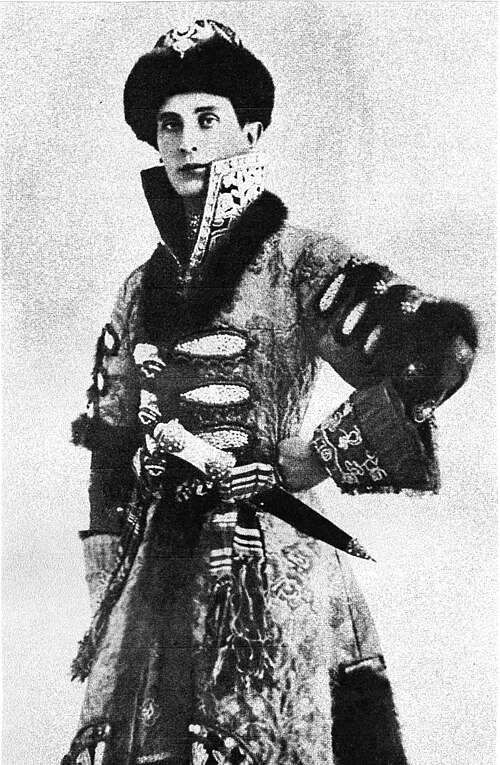
The Prince was from a long line of very wealthy and high-ranking Russian princes, but intriguingly, unlike most of the princely class of Imperial Russia, his ancestors were not Slavs but Tatars and further back, Mongols. In the late fourteenth century these Mongol-Tatar warriors forged a new power, the Nogay Horde, which ruled over much of the steppes between the Caspian and Black seas until the seventeenth century. After being incorporated into the Russian Empire, one branch of the ruling family was recognised as princes with the surname Yusupov (descendants of Prince Yusuf, or ‘Joseph’), as were their cousins, the Urusov princes. Yet in one final twist, we learn that Prince Felix was not a Yusupov at all by strict patrilineal reckoning: his mother was, but his father’s name was Sumarokov-Elston, a blend of an old noble Russian family (Sumarokov), and a slightly mysterious German surname (Elston). We will explore these links further on in this post.
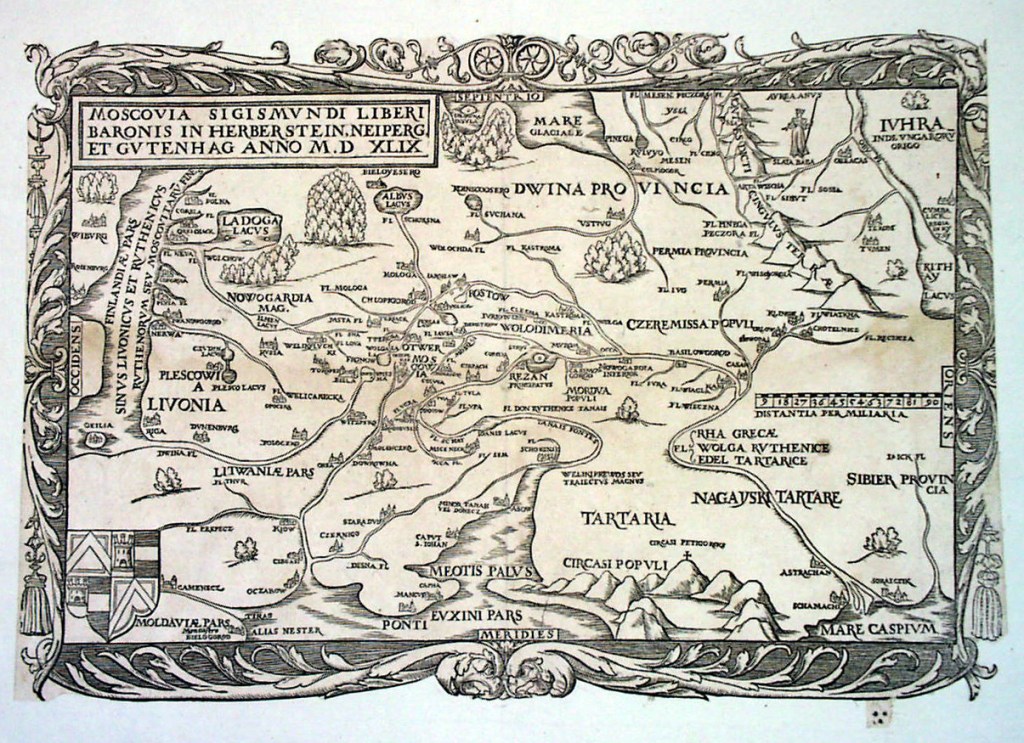
The founder the independent Nogay Horde was Edigu (or Edigei or several other spellings), chief of the Manghit clan, nomads allied to the great Mongol-Turkic leader Timur, or ‘Tamerlane’. Family legend stated that Edigu’s earliest ancestors were not Mongols or Tatars, but Arabs, descended from Abu Bakr, father-in-law of the Prophet Mohammed. Several generations later, another Abu Bakr ibn Rayok, known as Emir el-Omr (‘Prince of Princes’), was first minister of the Caliph Radi in Baghdad (d. 940). Sixteen generations after him, according to later genealogies, a descendant called Baba Tükles was a Sufi saint within the ranks of these Tatar warriors. Or, in a slightly different version, it was his son Sultan Termes who was driven out of Baghdad and migrated to the shores of the Azov and Caspian seas where he helped forge the Nogay Horde. It was then his son Edigu who first became a more verifiable historical personage.
Edigu’s ancestry is said to be a blend of Mongol and Turkic elements. On his mother’s side, he was descended from the Jochids, the family of Jochi, son of Genghis Khan, whose own son Batu forged a new tribal unit in about 1225 called the ‘Golden Horde’. On the paternal side was Clan Manghit, founded by Mangqutai, a Mongol prince from a parallel line to that of Genghis (the Chinggisids). The Manghits or Manghuds were later Turkefied (as were other Mongol tribal groups) and formed the ruling core of a new group in the 1250s, the Nogay Horde. These took their name from the founder, a Mongol general called Nogay, which in Mongol means ‘dog’ but not in a derogatory way, but as a loyal and ferocious warrior. This group, while maintaining loyalty to the Golden Horde, established an autonomous realm on the steppes, with a capital at Saray-Jük, on the coast of the Caspian Sea (today in western Kazakhstan). Eventually, the name Nogay would apply to a people, Turkic not Mongol, who controlled the lower reaches of the Volga river as it emptied into the Caspian. The Manghits ruled the Nogay Horde as ‘beys’ (‘khan’ being a title reserved for descendants of Genghis in the male line) or ‘emirs’ (as Muslim rulers) until their power was quashed by the Russians in the early seventeenth century. A branch of this family, however, settled in Uzbekistan and were emirs of Bukhara from 1785 to 1920.
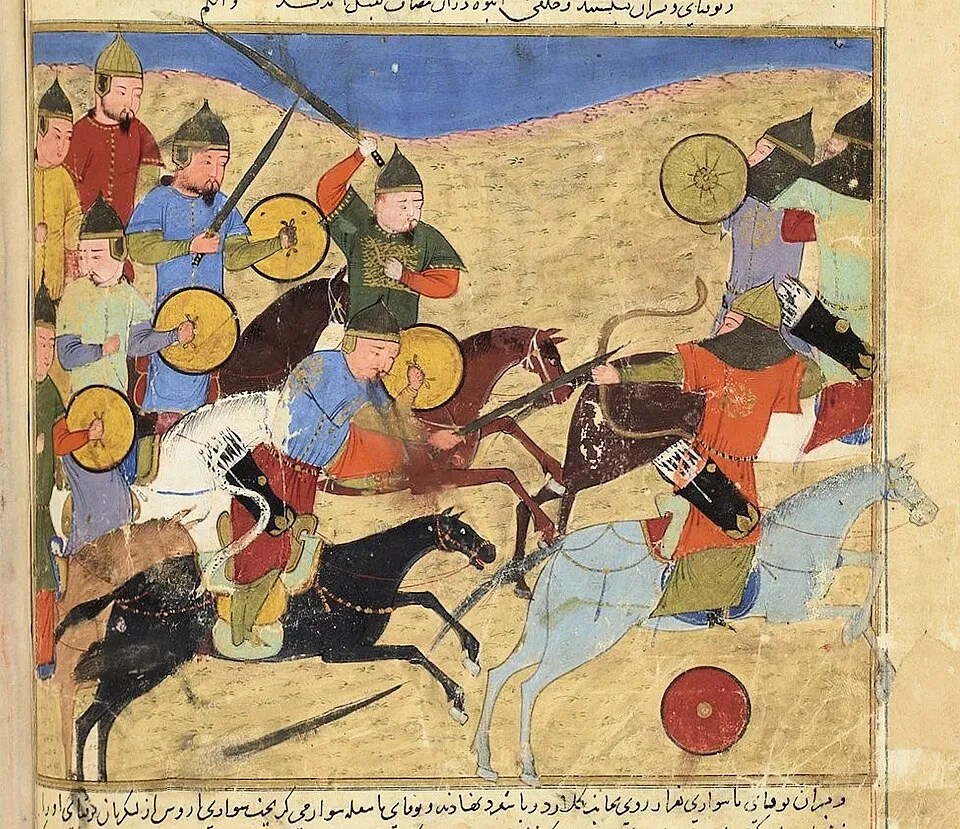
Details about Edigu of the Manghits vary. They suggest his father had been killed by Tokhtamysh, Khan of the Golden Horde, in 1378, and Edigu later rose through the ranks in the armies of Tamerlane, and later avenged his father, killing Tokhtamysh in 1406 in single combat (he also took the Khan’s daughter or sister, Djaniqe, as his wife). He was prominent within the Golden Horde as uncle to the next Khan, Timur Qutluq. Before then he had taken part in wars against the Lithuanian Duke Vitautas and imposed tribute on Prince Vasily of Muscovy (and burned Moscow in 1408). Edigu forged the independence of the Nogay Horde, then was assassinated in either 1415 or 1419.
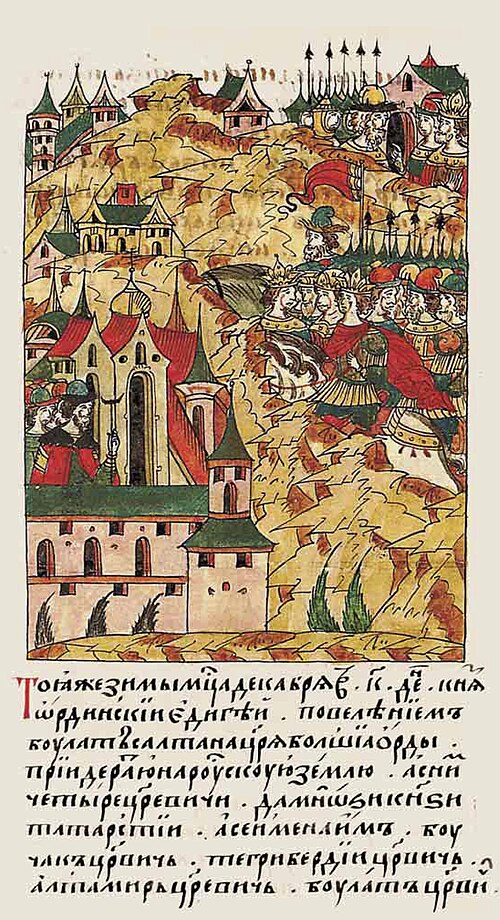
Edigu’s descendants continued to rule the Nogay Horde for the next two centuries, and spawned several lines that went into service of the Russian grand princes. For example the sons of Sheidak, a bey who defeated the ruler of Astrakhan in 1521, were called the Princes Sheidyakov; the descendants of his brother Kutum were called the Princes Koutoumov. Later in the sixteenth century, Baiterek left sons called the Princes Baiterekov, while his uncle Urus, Bey of the Nogay Horde (r. 1578-90) left sons who converted, took Russian names and added a surname Urusov (though intriguingly it seems that urus itself is Turkic for ‘Russian’). This one line we know more about than the others named so far, and I’ll come back to the Urusovs below. Most of these families were integrated into the Russian high aristocracy and recognised as princely by later tsarist regimes. Other names of princely families with Tatar or Mongol origins include Kochubey, Mamatov and Mustafin. A legendary figure from the Golden Horde, Chet-murza, is said to have converted to Christianity in about 1330, with the baptismal name Zachary, is the claimed progenitor of the Godunov clan, who ruled Russia for a short time from 1598 to 1605.
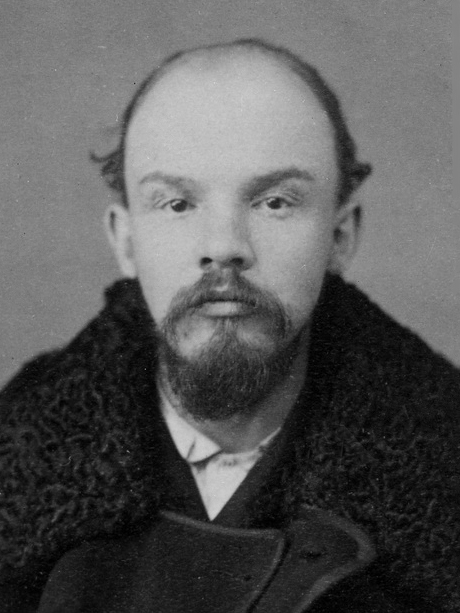
It is worth noting here that there were of course several non-princely families of Mongol or Tatar origin that became Russified in the premodern era. One of these is said to be none other than Vladimir Ilyich Ulyanov, aka Lenin. I once thought Ulyanov came from a Mongol name, perhaps from ulan, Turkic for horseback warrior, but it seems this is not the case and comes from the Christian name Julian. Nevertheless, Vladimir’s father Ilya was born in Astrakhan, the former capital of a khanate, who had a mother who was a Kalmyk (a Mongol ethnic group) and a father who was likely Chuvash (Turkic peoples from the Urals). Certain photos of Lenin certainly give him a more Asiatic look, in the eyes and cheekbones. Ilya was a scientist and educator, inspector of public schools for his district in 1882 (an ennobling office), who opened schools for Tatar and Chuvash students. He had many children, including Alexander, executed for an attempted assassination of Alexander III, and Vladimir, who led the Russian Revolution in 1917. Critics who raised the point in the 1920s that Lenin’s own anti-noble policies condemned him as well were given the response that his father’s ennoblement had not been hereditary… By this point, most of the surviving Yusupovs and Urusovs, descendants of Edigu of the Manghits, had left Russia.
*
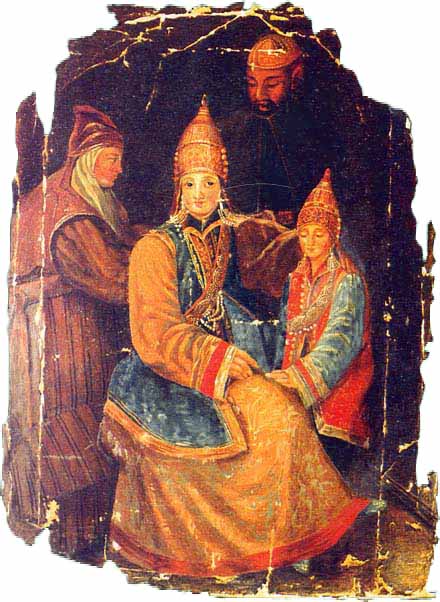
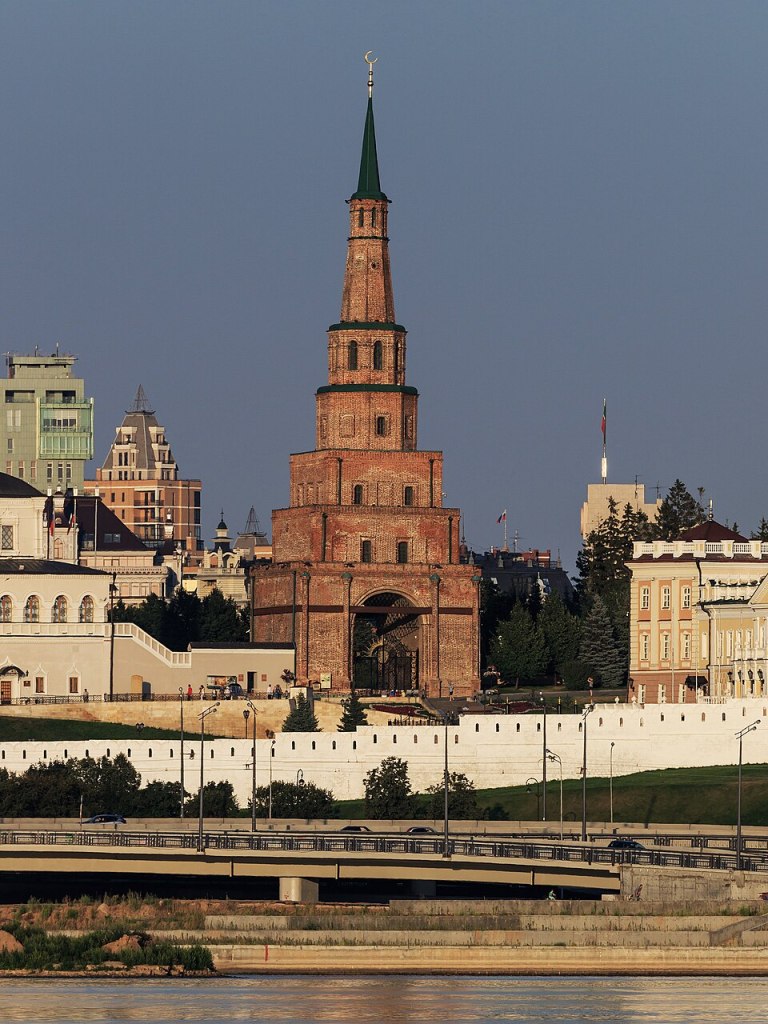
Of these two princely clans, the Yusupovs descend from Yusuf, Bey of the Nogay in 1549 (uncle of the above Urus), who fought for Ivan the Terrible, Tsar of Russia, against the Khanate of Kazan in 1549 and again in 1551, but was murdered by his kinsman (a son of the above Kutum) in 1556—or possibly by his brother and successor as bey, Ismail, alarmed at his loyalty to the Christian tsar. It is his name Yusuf that gives us the princely name Yusupov. He left two sons, Yunus and Ibrahim, sent to Moscow as prisoners by their uncle Ismail in 1565, and four daughters, queens of Crimea, Astrakhan, Siberia and Kazan. The last of these was the famous Suyumbek. This incredible historical figure has been the inspiration for many romanticised stories, poems, paintings, an opera by Glinka and a ballet in 1832. In 1533 Suyumbek (or Söyembikä) married the Tatar khan of the city of Kazan, Dzhan-Ali or Canğali (known in Russian sources as Yenaley), but after his people exiled or murdered him in 1535, she married his successor Safa-Garay, from the dynasty of the ruling khans of the Crimean Tatars. Then when Safa died in 1549, she ruled Kazan in the name of their son Utemish-Garay—famously riding into battle in full armour against the forces of Ivan the Terrible. She led a valiant defence but was captured and taken to Moscow in 1551, where her son was baptised as Alexander. Suyumbek was released and married for a third time, the man the Tsar put on the throne of Kazan, Shahghali (or Şahğali). There is a legend that Tsar Ivan was actually in love with her himself, and she had agreed to marry him if he could build her a tower in Kazan with seven tiers—he did so within a week (so the story goes), and she climbed to the top, where, feeling so overwhelmed seeing her beloved city, she jumped to her death. There is indeed a Suyumbek Tower in Kazan, a symbol of the city, and some say it dates to this period, but others say it dates only from the eighteenth century.
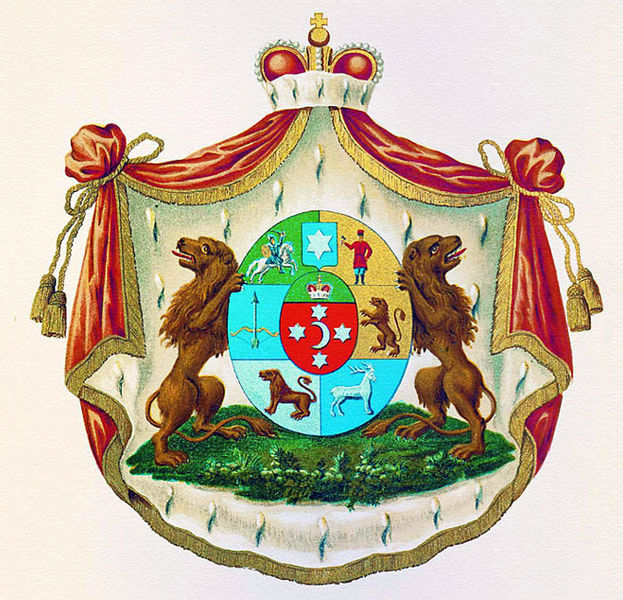
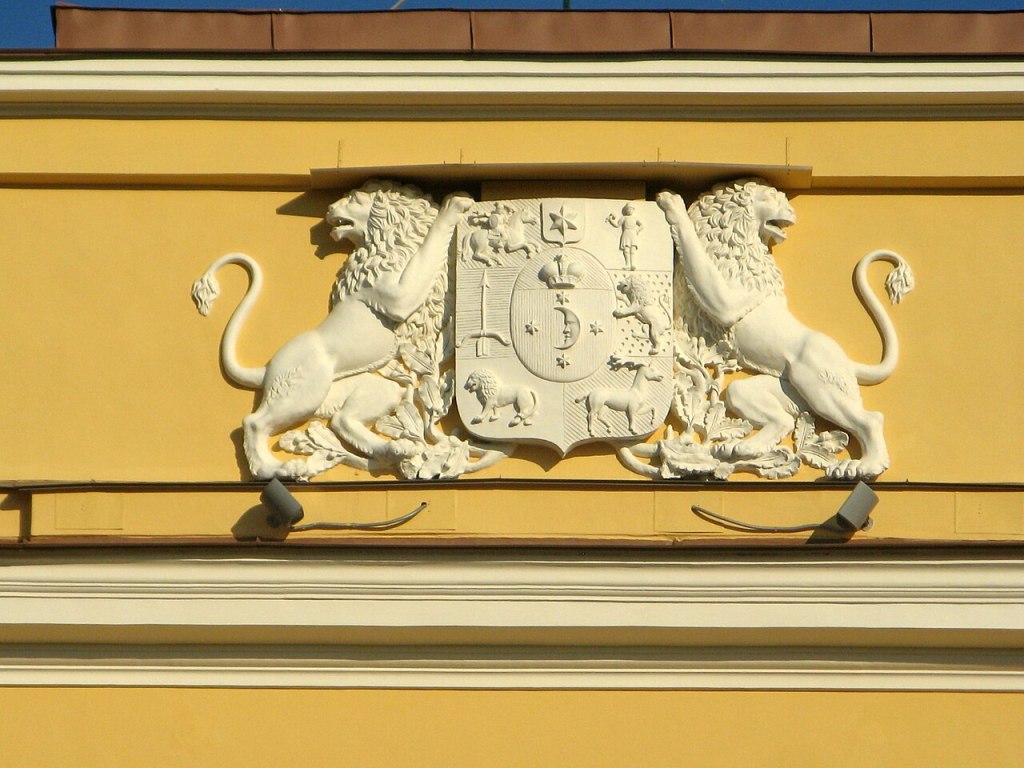
Meanwhile, the Kazan regent’s brother Yunus had tried to support Kazan but was betrayed by Safa-Garay, so like his father, forged an alliance with Tsar Ivan, and was given lands on the Volga, the village of Romanov, which the Yusupovs would rule as a settlement for Nogays until the 1650s (renamed Tutayev in the Revolution). As Prince Yusupov, he lived at the Russian court but remained a Muslim, as did his son Seyush-mirza. It was not until his grandson Abdul-mirza that the increasingly Russified family converted to Christianity: according to the story, in the reign of Tsar Feodor III (r. 1676-82), Abdul received the Patriarch Joachim on his estates during the Good Friday festival; he served goose, trying to pass it off as fish, but the Tsar found out and stripped him of many of his lands and his peasants. Abdul decided to atone by accepting baptism and took the name Dmitri Seyushevich. Nevertheless, a voice from heaven cursed his earlier betrayal of the sacred day and declared that from henceforth only one son per generation of his dynasty would live past 25. The surname initially adopted was Yusupov-Knyazhevo (‘princely sons of Yusuf’), and the coat of arms featured a crescent moon with four stars and a princely cap, surrounded by various quarterings with lions and stags, a warrior on horseback and one standing with an axe or a hammer.
In the next generation, Prince Dmitri had two sons, but Matvei did not live long, leaving only Grigory to rise through the Russian military to become a lieutenant-general. A close companion to Tsarevich Peter as a boy and court stolnik or steward, he remained close to Peter as Tsar, and was formally recognised as a prince of the Empire in Peter’s re-organisation of the nobility. Grigory served the Tsar in various campaigns and projects, and in 1719 was appointed to run the Chancellery of Secret Affairs. Under Peter II, Prince Grigory became Colonel of the elite Preobrazhensky Regiment, and President of the State Military Collegium. He supported autocracy, so was one of those court nobles who urged Empress Anna to reject the conditions of her enthronement in 1730 (with a constitution); she promoted him to General-in-Chief at her coronation, but he died soon after.
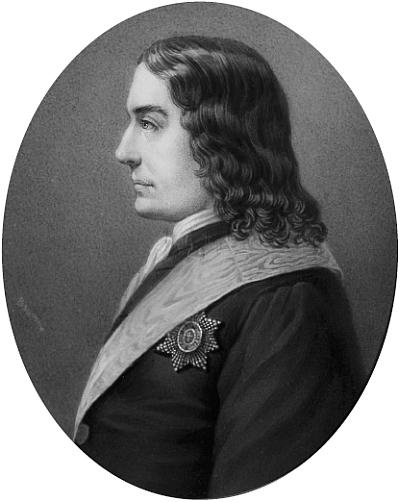
In the next generation, there were three sons, but again only one, the eldest son Boris, survived his youth, married and had children. The advantage of this was that, unlike other noble houses in Russia, the Yusupovs did not divide and re-divide their estates and fortunes. There’s even a story that Boris forced his sister, Praskovia, a favourite of Empress Catherine I, to become a nun so her portion of the inheritance would not go out of the family; other sources tell it differently, that she fell foul of Empress Anna in 1730 and was sent to Vvedensky Convent in the Urals and was treated as a prisoner—it only got worse as the Princess shouted aloud about how Elisabeth Petrovna should be empress, not Anna. In 1735, Praskovia Yusupova was tortured, tonsured and forced to become a nun and sent to another abbey, this time in Siberia, where she disappeared…
In contrast, her brother Prince Boris Grigorievich had a celebrated career. In 1717 he was sent to France by Peter I to get an education in western ways (specifically at the naval school in Toulon), and became an advocate for progressive government in successive reigns. Empress Anna named him a court chamberlain in 1730, then a Senator in 1736. In 1740 he became a Privy Councillor and Governor of Moscow. His rise continued under Empress Elizabeth: President of the Commerce Collegium, 1741, and Director of the Ladoga Canal Company in 1742—he pushed for the development of the cloth industry in Russia and even imported a special breed of sheep from Holland for wool. His wealth grew immensely as he secured the contract to supply cloth for the army uniforms. In 1750, Boris became the Director-General of a new academy for teaching the sons of the nobility (later called the Cadet Corps), which he ran until his death in 1759.
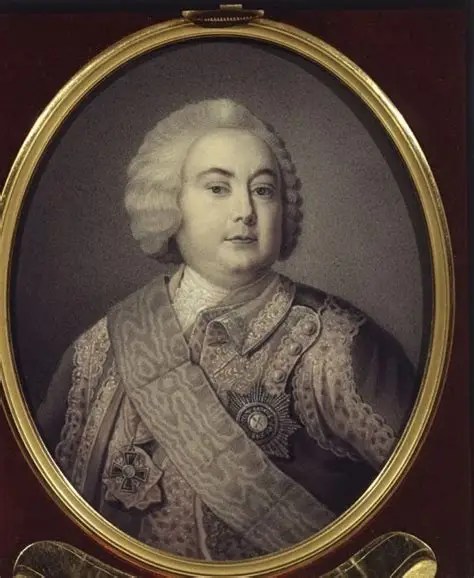
His only son (plus four daughters) was Nikolai, born when his father was 55. Prince Nikolai Borisovich Yusupov was by now one of the wealthiest men in Russia, with estates in nearly every province. Like his father, he went west in the 1770s for his education, and later returned to escort Grand Duke Paul on own European tour, 1782-83. He also served Catherine II as an envoy to the courts of Turin, Naples, Venice and Rome. Back in Russia he was a Privy Councillor from 1788, Director of Russian Theatres (1791-99), and Director of the Hermitage Museum (1797). Also like his father, he held an influential place in commerce and industry, and was President of the College of Manufacturers, looking after the state’s monopoly of glass and porcelain factories. In 1801, he was Grand Marshal of the Court, in charge of organising the coronation of Tsar Paul—a task he repeated for the coronations of Alexander I and later Nicholas I. He died age 81 in 1831.
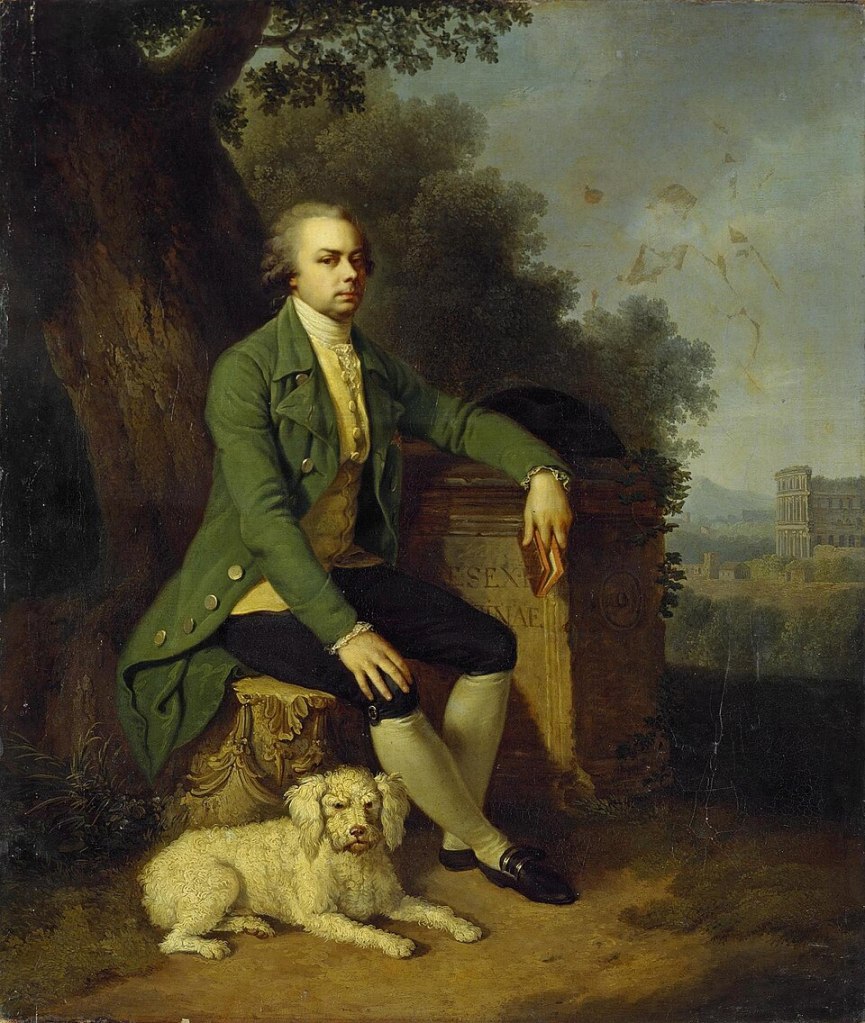
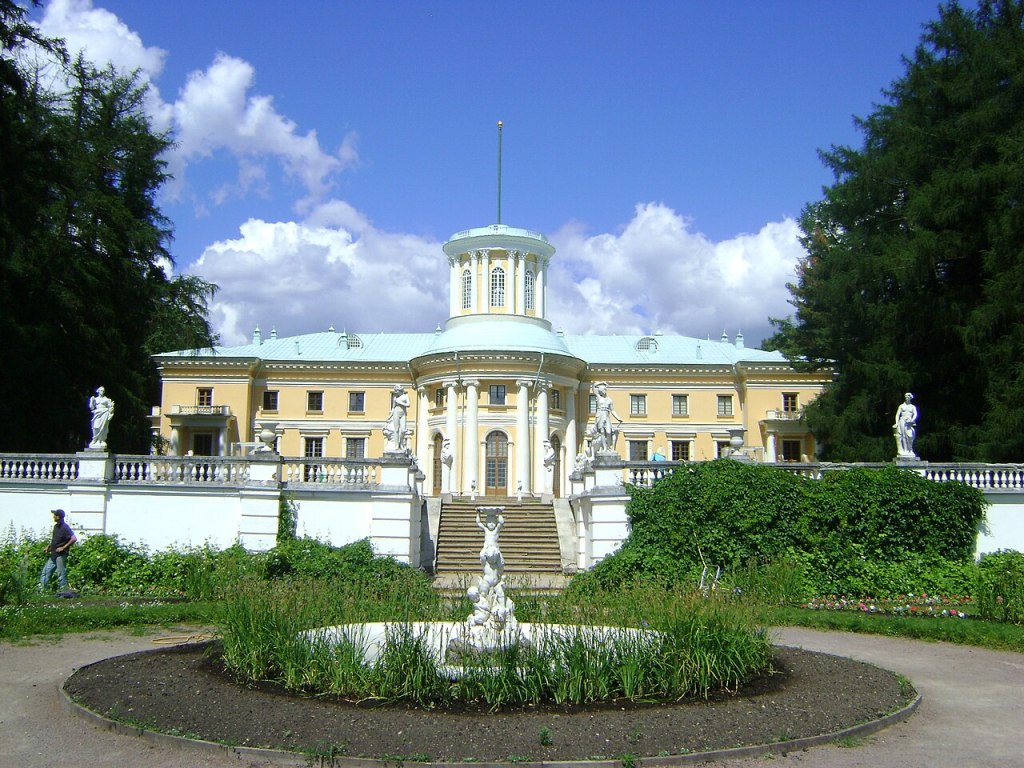
Prince Nikolai boosted his family’s social positioning within the Moscow elites by acquiring two large estates at the start of the nineteenth century. Vasilievskoye was built on a bend of the Moscow river south of the city by the Dolgoruky princely family, so will be looked at more on a blog post for them. In 1810, Prince Yusupov, bought an estate further out in the countryside, Arkhangelskoye, to the west (but still on the Moscow river), and used Vasilievshoye only as a secondary residence then leased it out (and it passed out of the family in 1831 to Count Mamonov, by which name the dacha is known today). Arkhangelskoye became the jewel in the crown of the Yusupov family, the ‘Versailles of Moscow’. It had been built by the Golitsyn princes in 1703, and redesigned by them in 1790 to reflect the new fashion for Russian neoclassicism. The Yusupovs developed a terraced park, and added a theatre and various monuments. In 1909, they began a monumental colonnade, intended to become a family mausoleum, but worked stopped in 1916 and it was never completed. Since the Revolution, the palace housed a sanatorium and is now a museum.
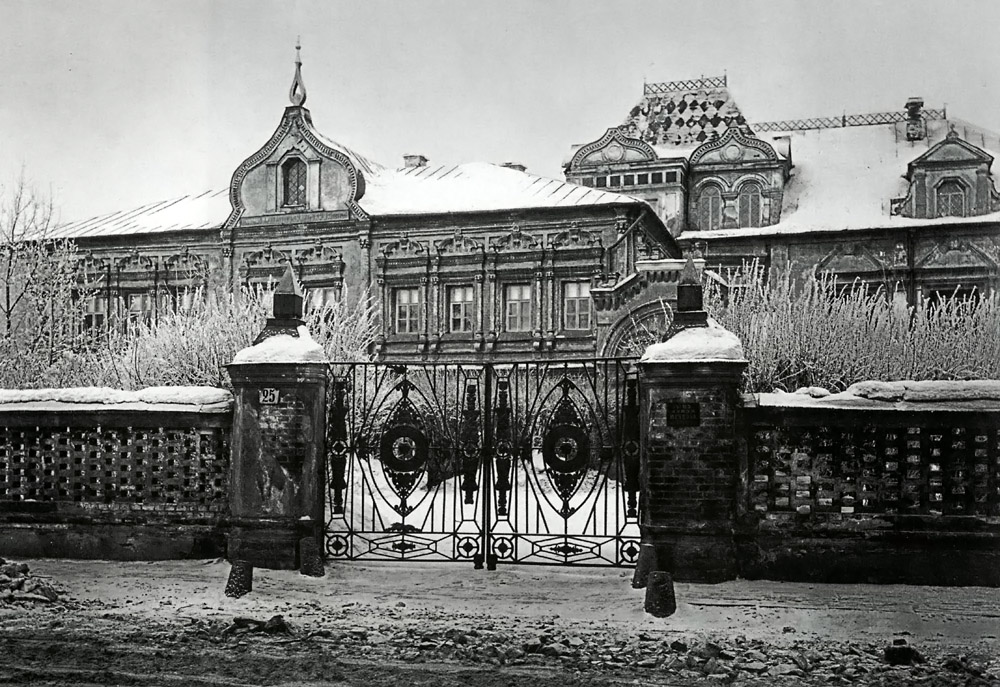
The Yusupovs also had a residence closer into Moscow itself, on the northeast the of the old city on Bolshoi Kharitonyevsky Lane. This had a famous oriental garden, which featured in a scene in Pushkin’s play ‘Eugene Onegin’—the author knew it well since he and his parents had lived for a time in the palace. It has elements of a seventeenth-century house, and maybe even earlier elements from when it was a hunting lodge for Ivan IV. Peter I gave it about 1700 to various courtiers, then it was acquired by Grigory Yusupov about 1730. The structure was remodelled in the 1890s, adding a third floor and a new façade. Since 1929, the Yusupov Moscow Palace has housed the presidium of the Academy of Agricultural Sciences, which since 2015 has merged with the Russian Academy of Sciences, but the building itself it now unused (after a failed sale and botched restoration effort). In 2020, it was transferred to the management team of the Arkhangelskoye Estate.
Prince Nikolai’s sisters married well: Elizaveta married Prince Andrei Golitsyn, while Evdokia married Peter, Duke of Courland in 1774, arranged by Catherine II to try to keep that Duchy close to Russia, but they divorced in 1777 due to her attempts to assure Russian control of his state, and his reputed abusive behaviour. She died in 1780.
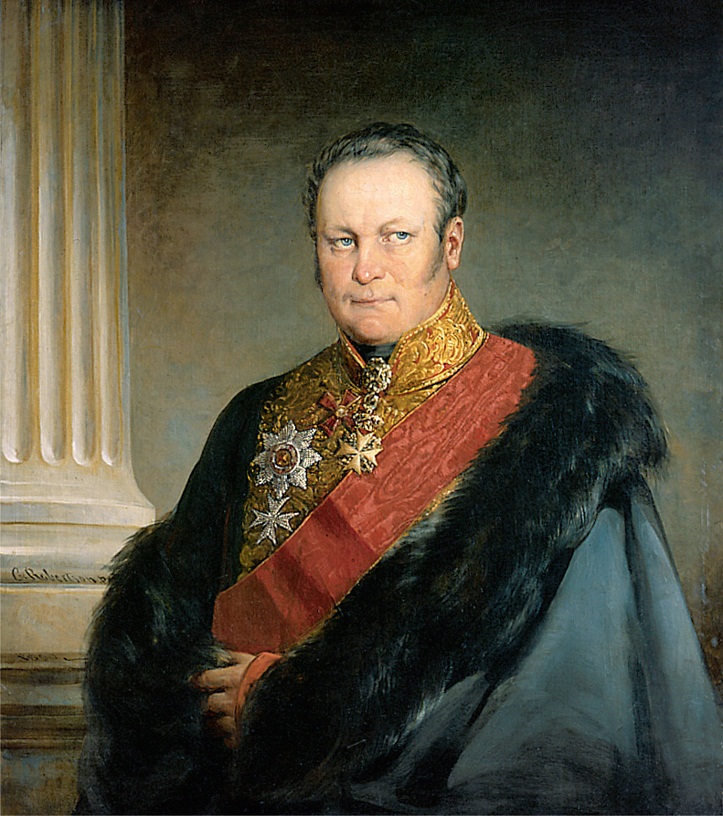
In the next generation, another single heir, Boris Nikolaievich, was born late in his parents’ marriage, when his father was 44. He too was Marshal of the Court, so spent his days at the court in St Petersburg, but died relatively young (of typhus) in 1849. His second wife (and mother of his child, another only son), was Zenaida Ivanovna Naryshkina, from one of the major court families since the days of Peter the Great. As a widow, Zenaida met a Frenchman, Charles Chauveau, working in the embassy in St Petersburg and married him in the late 1850s. The Tsar was incensed but agreed to the marriage as long as Chauveau was created a count by Napoleon III and she given even higher standing as Marquise de Serre. She died in France in 1893 and her body was repatriated to Russia.
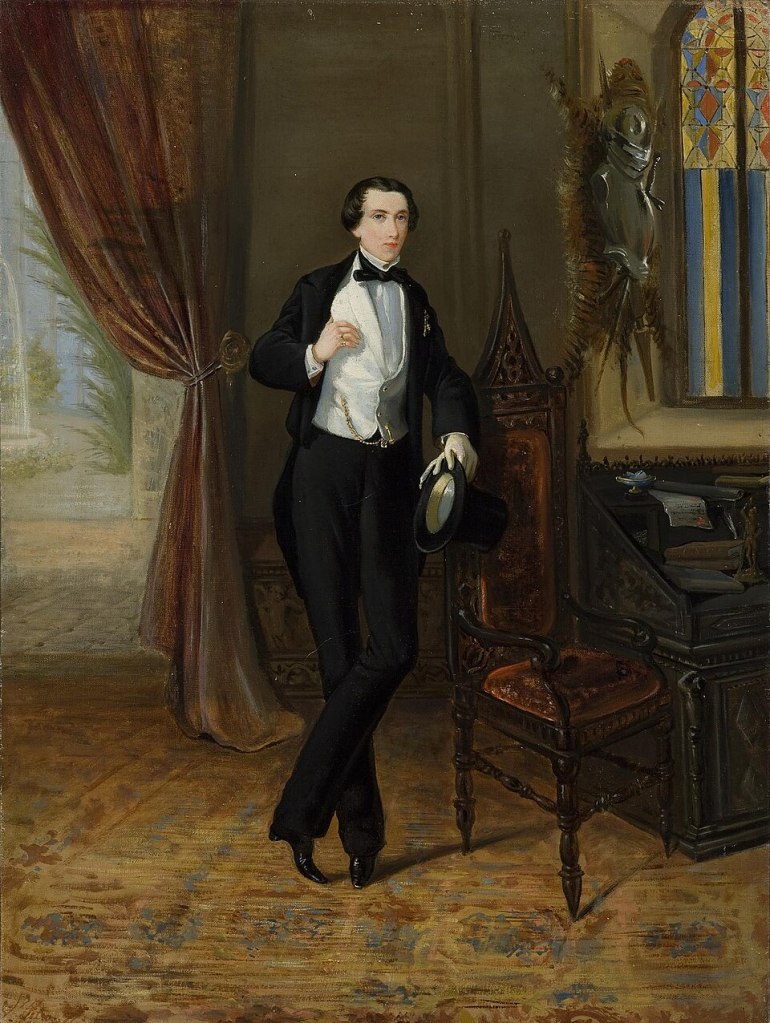
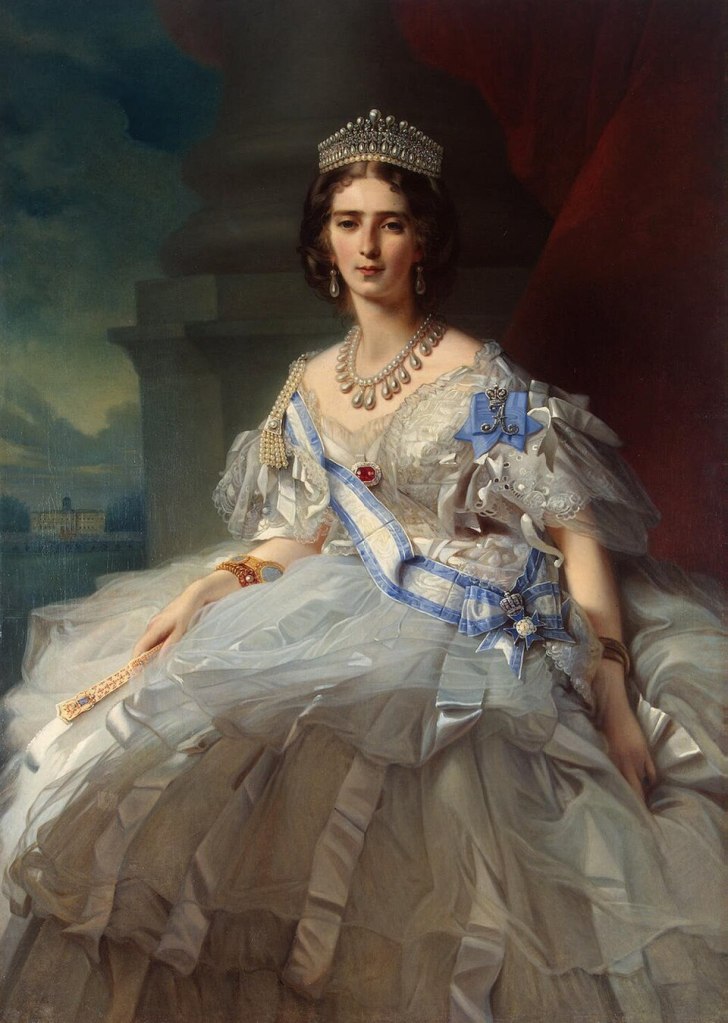
Their son Nikolai Borisovich, born in 1827, was also a Marshal of the Court, acting as Master of Ceremonies at Alexander II’s coronation of 1856. He was a State Councillor and a gentleman of the chamber, but was also a musician (a talented violinist) and writer, and served as Vice-Director of St Petersburg’s Public Library, 1862-68. This second Prince Nikolai Yusupov supported a variety of charities, including a school for the deaf. His wife was Tatiana Alexandrovna de Ribeaupierre, a match that was initially controversial, even illegal, since she was his half-cousin. She was the descendant of a trans-national noble family from Alsace (spelled either Ribeaupierre or Rappoltstein); her father became a Russian diplomat and chamberlain (and was created count), while her mother helped solidify connections at court as a niece of Prince Grigory Potemkin (his brother-in-law Mikhail married Tatiana Engelhardt who later married Prince Yusupov, hence the relation). Though the Patriarch forbade the marriage, the Tsar permitted them to wed just after the coronation of 1856—but the Church’s opposition drove them to live abroad and she became a bright star at the court of Napoleon III in Paris. After 1861, her health deteriorated so the couple moved to warmer climates in the south, and visited spas like Karlsbad, but she died young in 1879, at a house on Lake Geneva, Crans-près-Céligny.
By this point, much of the Yusupov focus was not in Moscow but Saint Petersburg. The main residence in this city was the Yusupov Palace on the Moika, the river that runs through the imperial city before joining the Neva in the Admiralty district. Many of the most fashionable aristocratic residences lined this narrow river—this one was so prominent that its alternate name was simply the Moika Palace. It was acquired by the Yusupovs in 1830 and rebuilt. Here they housed over 40,000 artworks (now mostly in the Hermitage Museum) and built a huge theatre. Converted into a museum in the 1920s it now houses a Palace of Culture for Educators.
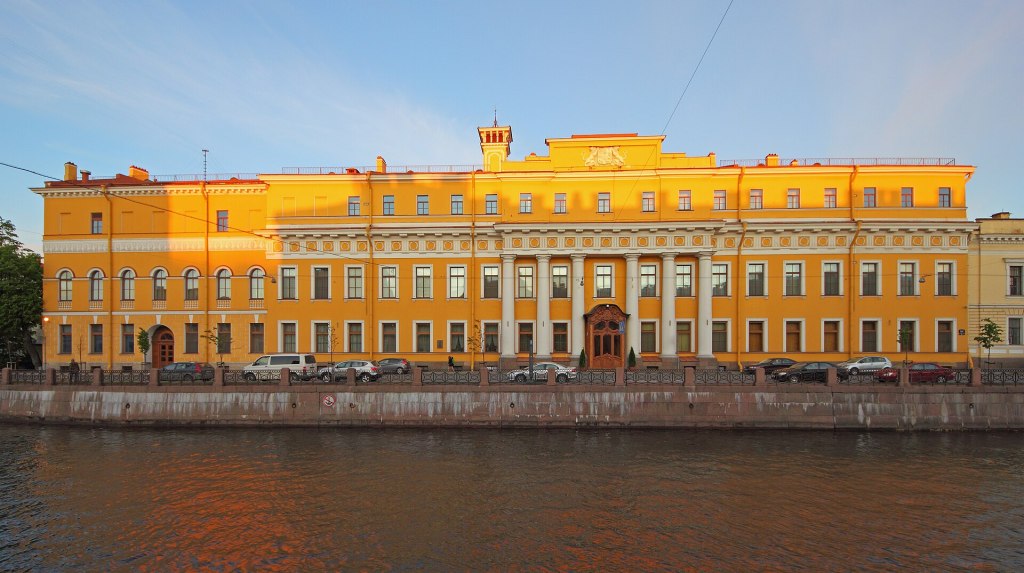
One of the other Yusupov palaces in Saint Petersburg was on Liteiny Prospekt (which runs north to south perpendicular to the better-known Nevsky Prospekt), built for Princess Zinaida in 1849 in ‘whimsical’ style. It now houses the Institute of International Trade, Economics and Law (since 1994).
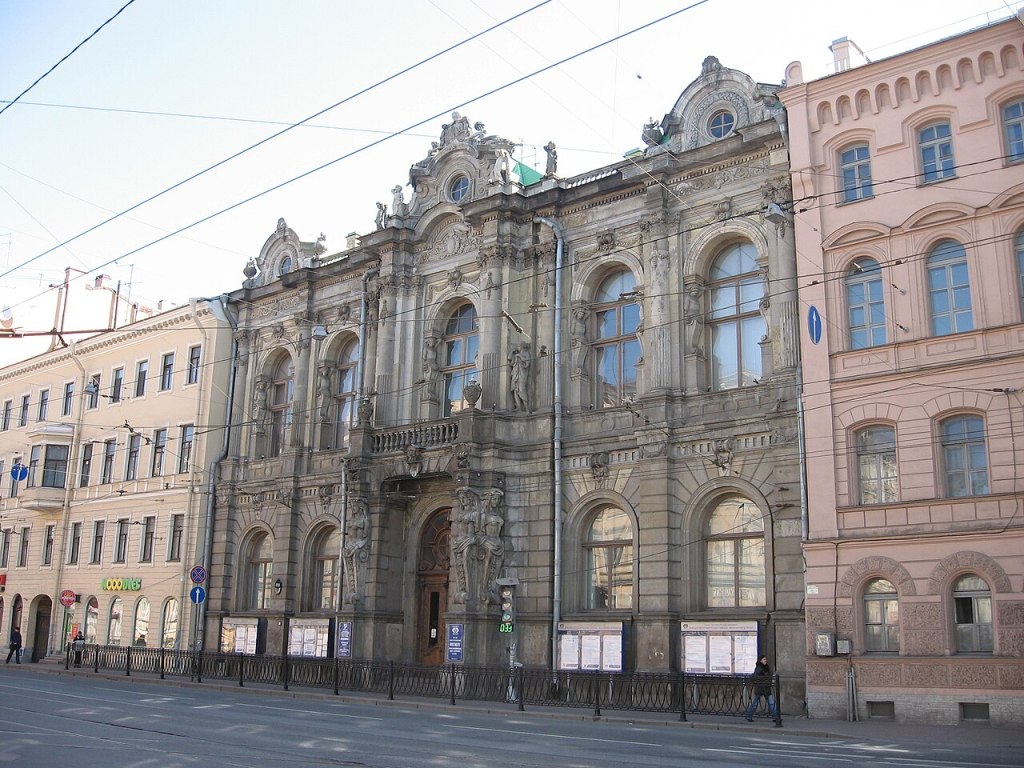
Another was the Yusupov Palace on the Fontanka river, a few streets away from the Moika. This was one of the grandest aristocratic palaces of the eighteenth century, built by Boris Grigorievich, then rebuilt in the 1790s in the neoclassical style by his son Nikolai Borisovich, who also converted the park into an English garden. After 1810, this palace was given to Saint Petersburg State University for use by the Institute of Railway Engineers.
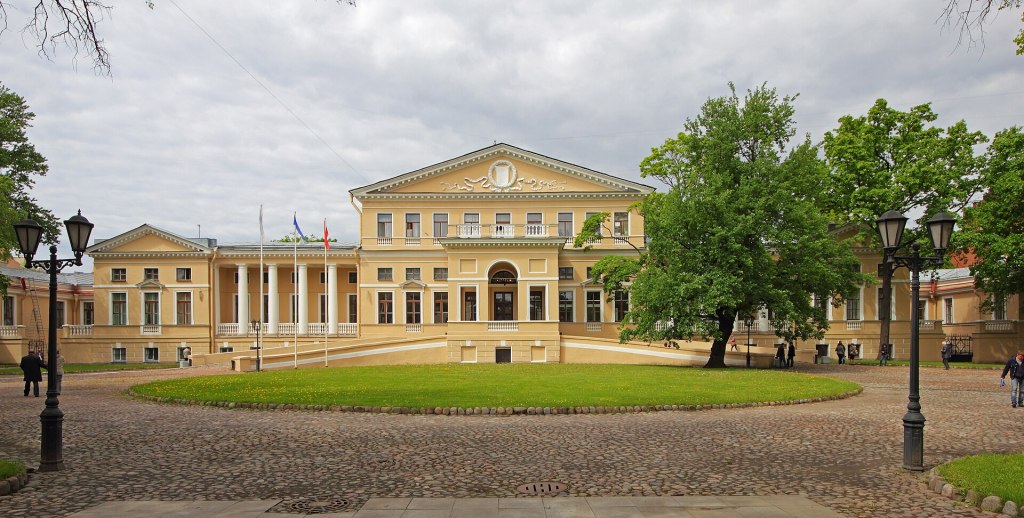
Eventually, the Yusupovs had three major palaces in Saint Petersburg, with another ‘Palace of Zinaida Yusupova’ being added at the start of the twentieth century, on Nevsky Prospekt (like the Vasilievskoye estate noted above, its history mostly belongs to another princely family, Trubetzkoy, so will be looked at closer with them). There was also a Yusupov dacha near the imperial palace complex at Tsarskoe Selo, as well as the three residences in Moscow. They pulled in revenue from nearly four dozen estates (over 100,000 acres), coal and iron-ore mines, flour mills, sugar beet factories, whisky distilleries and oilfields on the Caspian Sea.
By the time Prince Nikolai Yusupov died in 1891, his family seemed to have everything: great wealth, court position, social connections. They lacked what every great dynasty craves, however: a male heir. The curse of having only one adult son seems to have run its course, and now the family fortune passed to Princess Zinaida, named for her grandmother, and now the wealthiest heiress in Russia. She could have married any number of princes with ancient pedigrees: a Golitsyn, a Dolgoruky, a Romanov grand duke even. Her mother tried to push her towards a marriage with the Tsar’s nephew, Prince Alexander of Battenberg (who was just about to become sovereign prince of Bulgaria), but in 1882, Zinaida made a love match and married Count Felix Sumarkov-Elton, a wealthy man and a soldier, but not a prince—though Alexander III made him one and granted him the name, rank and arms of the Yusupovs.
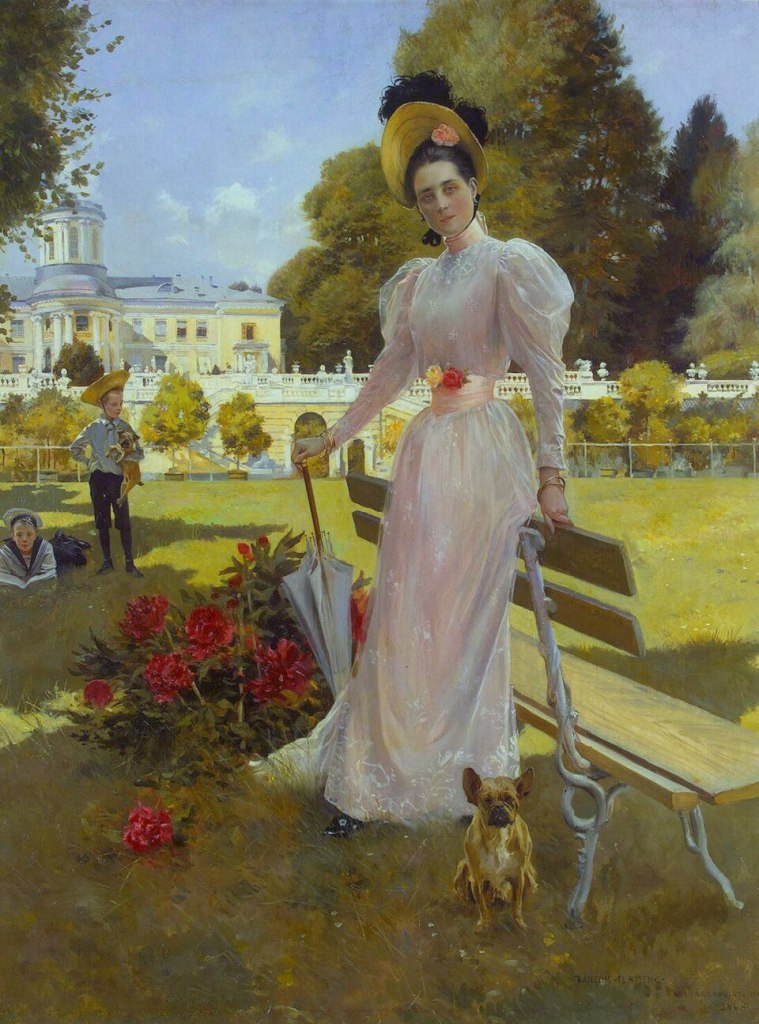
The double surname Felix came with was a combination of two family backgrounds, one known and one not known. His mother, Elena Sergeievna Sumarkova, was from an old Russian family, whose most famous ancestor had been Alexander Sumarokov, a nobleman who embraced a career as a playwright in the 1740s-60s and is considered the father of classical theatre in Russia. His nephew Pavel became an Imperial senator and Governor of Novgorod Province in 1812 (and married a Golitsyn princess); Pavel’s son Sergei was a hero of the Napoleonic wars, rose to be a general of artillery in the 1850s, and was created a count in 1856. Sergei died in 1875 leaving three daughters, one married to a Prince Obolensky, one to a Prince Golitsyn, and the youngest to Felix Nikolaievich Elston.
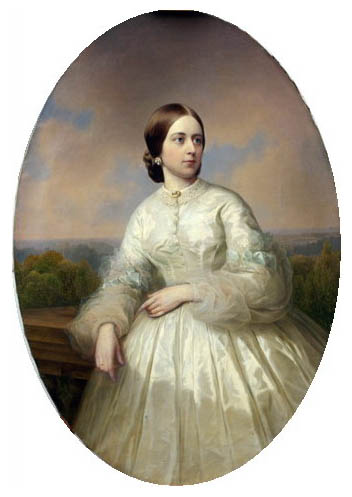
Who was this Elston? It seems no one was entirely sure, but the rumour was that he was the son of Prince Frederick William of Prussia (later King Frederick William IV) and a lady-in-waiting to the Prince’s sister Empress Alexandra, Countess Ekaterina Tiesenhausen, whose mother raised the child. It is even thought Elston derived his surname from his mother’s surprise at becoming pregnant (‘elle s’étonne’), though it is also suggested he simply used his English nanny’s surname. Years later, Prince Felix Yusupov supported this idea of royal parentage in his memoirs, and attributed the ongoing favour shown to Countess Tiesenhausen—she remained as lady-in-waiting to three empresses—was due to her son being a cousin to the Emperor. Another idea was that Felix Elston’s parents were a German baron, Carl von Hügel, and a Hungarian countess with ties to the Hungarian prime minister and the Austrian Chancellor Metternich—the latter offered evidence himself that this was the truth of the boy’s origins.
In any case, Felix Sumarokov-Elston (a name approved by the Tsar in 1856) became a lieutenant-general in the Russian army in 1864, and adjutant-general in 1866, commanding troops sent to govern the western Caucasus region. He died in 1877, but his widow Elena lived until 1901. Their son Felix, having become Prince Yusupov by marriage, served in various guards regiments close to the Imperial family, looked after his family’s vast fortune, and from May to September 1915 served as Commander-in-Chief of Moscow in 1914. Many years later, it was revealed he had a second family, with two children from one of his mother’s former attendants (one of these, a son called Olivier Elston, moved with him to western Europe after 1917 and lived until 2004).
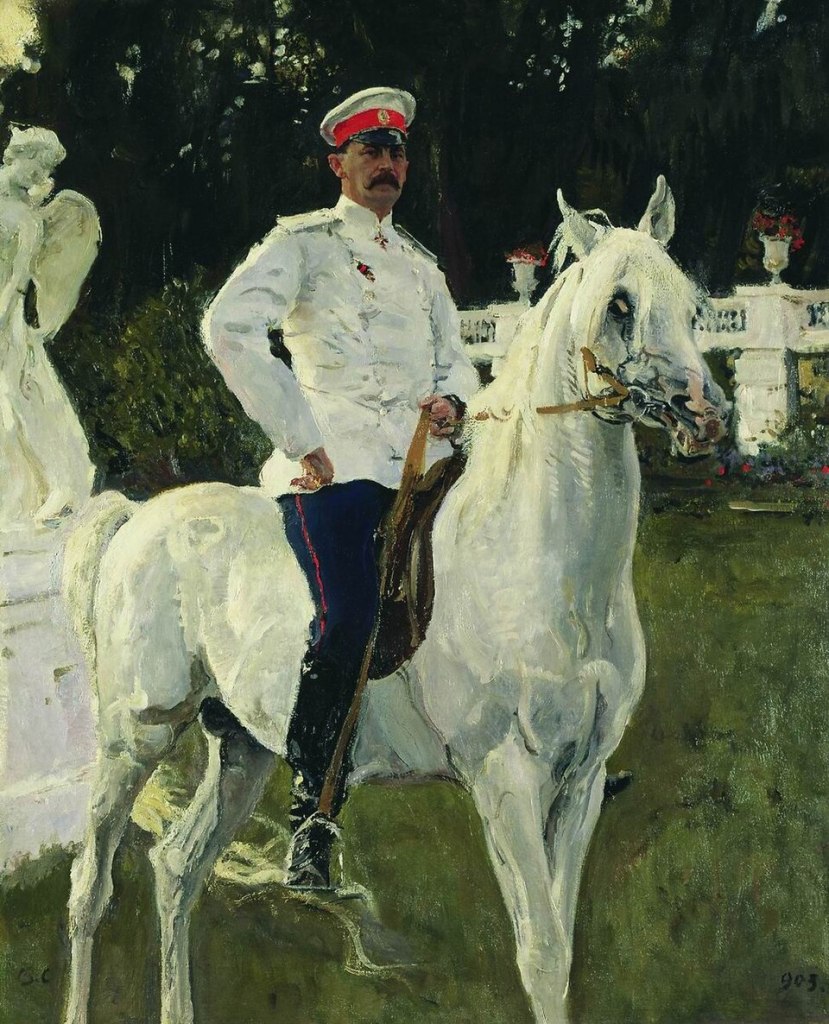
Meanwhile, Princess Zinaida, became a huge patron of charities, in Moscow, on the main Yusupov estate at Arkhangelskoye, and in Saint Petersburg (acquiring the massive palace redubbed the Palace of Princess Zinaida seen above). At court, she was a lady-in-waiting first to Empress Maria, then Empress Alexandra—about whom she was always a sharp critic, but only ever in private. The Yusupovs had two sons, Nikolai and Felix. Both parents survived the Revolution: Felix died in 1928 in Rome; Zinaida not until 1939 in Paris.
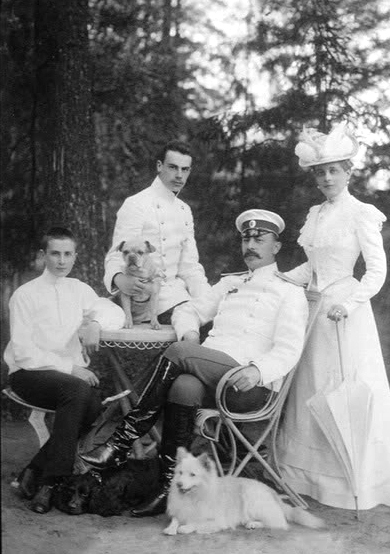
The eldest son, Nikolai, showed great promise, athletic and handsome, studying abroad at Oxford, then returning to Saint Petersburg to start a glittering court career, only to be struck down by the Yusupov curse: on the eve of his 26th birthday in 1908, he was killed in a duel over a married woman. His parents were devastated and built an enormous monument to him at Arkhangelskoye.
The remaining hope for the family’s future was the twenty-year-old Felix, Jr, a dandy with a reputation for cross-dressing and performing in cabaret nightclubs, wearing his mother’s jewellery (it was said he even went on dates with men, but only as a tease). In 1909, now the heir to his family’s vast fortune, he too went to Oxford where he studied English literature and spent his days entertaining his friends (with his own Russian chef), and joined the Bullingdon Club. Returning to Russia, in the Spring of 1914 he married the Tsar’s niece Princess Irina. She was the only daughter (with six brothers!) of Grand Duke Alexander, the Tsar’s cousin, and Grand Duchess Xenia, the Tsar’s sister. Although she married a non-royal, he was the wealthiest man in Russia, a descendent of ruling khans and beys, and their wedding was one of the highlights of the season—the last season before the Great War and the Revolution. Some of Felix’s old friends from the party circuit wondered how a man with bisexual tastes might settle down with a woman—this included another Romanov, Grand Duke Dmitri, who some suspect may himself have been romantically involved with Yusupov at one time. Yusupov himself wrote in his memoirs that Irina, perhaps because she had grown up with so many brothers, had none of the artifice or lack of honesty that had put him off relations with other women, and they enjoyed a happy and successful marriage for fifty years.
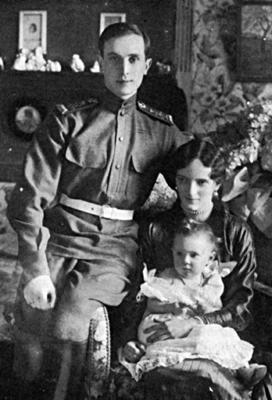
When war broke out, Prince Felix avoided active duty, and was criticised for being idle. He undertook some administrative roles in Moscow. In November 1916, he decided to contribute what he could to the war effort by ridding the Imperial family of one thing almost everyone considered a scandal and an impediment to good government: the influence of the holy man Grigory Rasputin over the Imperial family. Yusupov and Grand Duke Dmitri invited some friends to the Yusupov Palace on the Moika on the night of 29/30 December, and as is well known, they tried sweets laced with cyanide, heavy drinking, a revolver at close range, a dumbbell and drowning in the frozen river before Rasputin died. Empress Alexandra was horrified and ordered a full investigation, which eventually pointed the finger at Felix, Dmitri and their friends. The Grand Duke was sent to the front, while the Prince was put under house arrest at his estate at Rakitnoye.
Rakitnoye was an estate on the steppes of southern Russia, just north of the modern border with Ukraine (near Kharkiv). Initially constructed as a fortress to defend Russia against raids of the Crimean Tatars, by the early eighteenth century it was an estate of princely proportions and was awarded to the Yusupov family in 1729. It became the centre of operations for all of their vast southern landholdings. A new manor house was built there in 1846 which today houses a school for the arts and a local history museum.
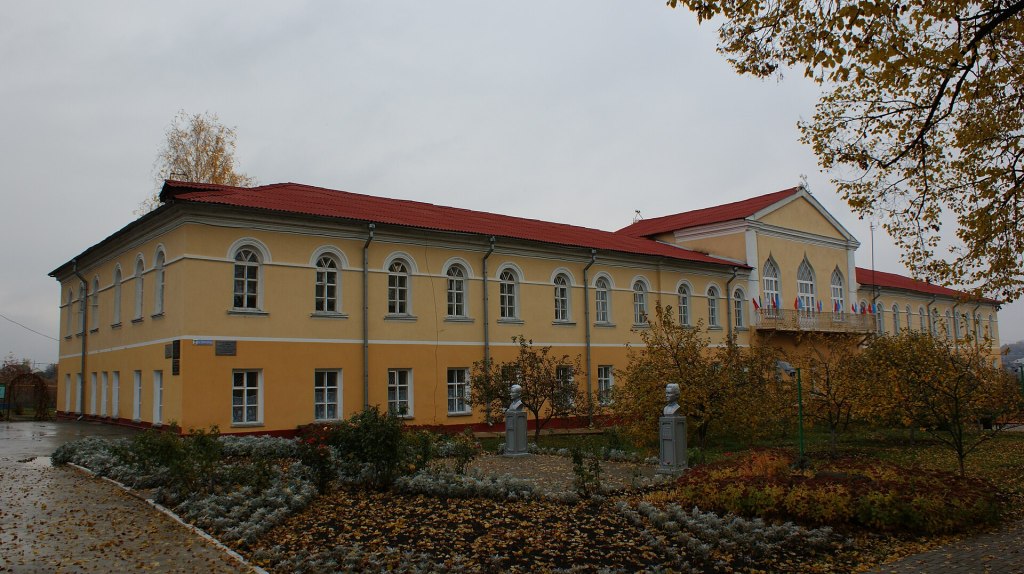
In March 1917, shortly after the February Revolution, Felix and Irina and their baby daughter Irina moved to the Crimea, and took many jewels with them—including the Polar Star diamond—and two paintings by Rembrandt, which later came in very useful when the family needed money. They settled into the Yusupov Palace in Koreiz on the Black Sea coast. This was a new building, built in 1909 for Felix’s parents along the same coast as other aristocratic summer palaces such as the Imperial residence at Livadia. It was close to Yalta, so housed Stalin during the international peace talks held there in February 1945, and Stalin commented that it was his favourite dacha. From 1991 to 2014, the Yusupov Palace in Koreiz served as a residence for the President of Ukraine, but since the Russian takeover of the region, it has been used by the President of the Russian Federation.
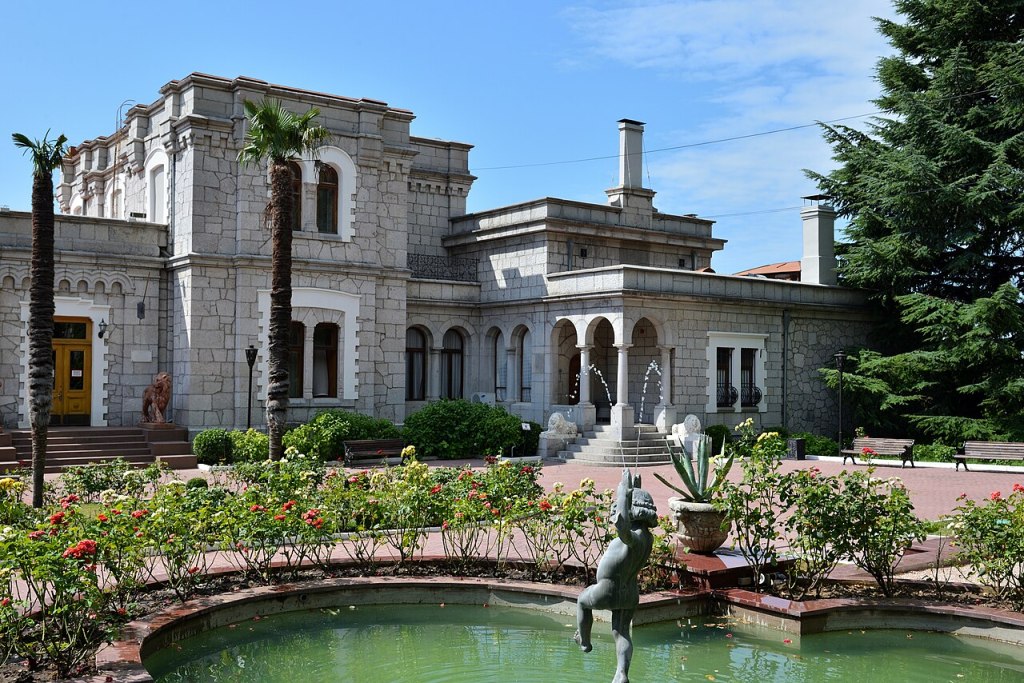
In 1919, the British ship HMS Marlborough transported the Yusupovs and several other members of the Imperial family to Malta. From there Felix and Irina travelled to Italy, then Paris—bribing officials along the way with diamonds. For nineteen years they lived in a house in Boulogne-Billancourt in the western suburbs of Paris, then after that in Auteuil from 1943 to the 1960s. Neither neighbourhood was at all shabby, and the Yusupovs did not live lives comparable with some of their fellow Russian émigrés who drove taxi cabs or waited tables for a living. They launched a couture firm IRFĒ (named for both Irène and Félix, as they had been known in French already for most of their lives), but it went bust in 1929. They continued to live high and donated much of their money to charity, so in 1932, took out a lawsuit against MGM in an English court for libel and invasion of privacy. This was due to the film Rasputin and the Empress starring the siblings Lionel and Ethel Barrymore, and also John Barrymore as the fictitious ‘Prince Chegodieff’ (based on ‘Youssoupoff’, as his name was now most often spelled in French). It was actually Irina who made the lawsuit, since her character ‘Princess Natasha’ was portrayed as a victim of rape by Rasputin. She won the case and was awarded £25,000. The long-term result was the ‘persons fictitious disclaimer’ which is still used in Hollywood films today. Prince Felix was not in fact trying to avoid publicity: he had already written a book himself about the famous murder, published in 1927 and translated into multiple languages. Later he wrote a memoir about ‘Old Russia’, published in 1952.
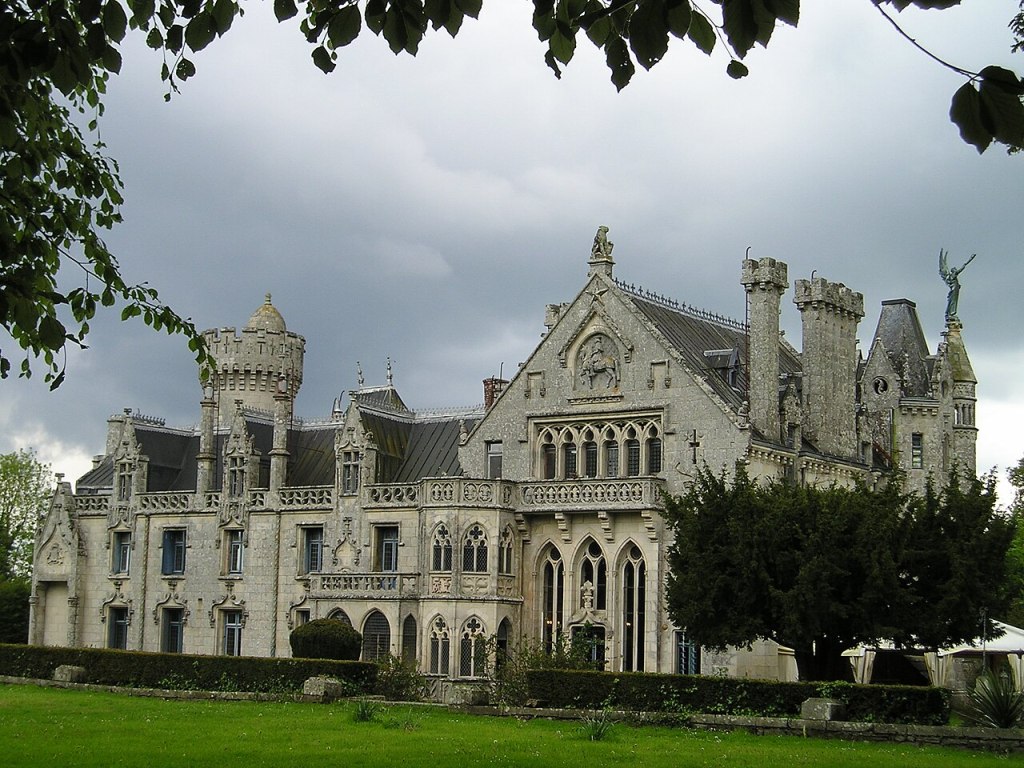
Also in the 1950s, Prince Yusupov found that an old property that had belonged to his grandmother was potentially his, and took out a lawsuit against the Department of Finistère in western Brittany. A hundred years before, the widowed Princess Zenaida Yusupova, as we’ve seen, had married the Frenchman Charles Chauveau. In 1861 she purchased a château of reputable size and historical importance, Kériolet, on the south coast of Brittany, not far from Quimper. The old castle from the fifteenth century was upgraded but studiously retained its historical style. When Zenaida died in 1893, she willed the château and several adjacent farms to the Department with stipulations that the castle and its contents were to be preserved intact and opened to the public. They were, but some of the farmlands were sold off, which allowed Prince Felix to claim restitution in 1956. He won the lawsuit but disliked the old place immediately and proceeded to sell off the house, its contents and the farms. So much for grandma’s wishes… Kériolet decayed significantly until it was repurchased in the 1990s, restored and re-opened to the public.
The last Prince Yusupov died in 1967 followed by his wife Princess Irina in 1970. Their daughter Irina had married another Russian exile, Count Nicholas Sheremetev, in 1938 and they moved from Paris to Greece. Her only daughter had only a daughter who today has two Greek daughters, the heirs to whatever is left of the Yusupov fortune.
*
The other very distantly related branch of this Tatar-Mongol family, separated into different lineages in the fifteenth century, were the Urusovs. When last noted, we saw that Urus was Bey of the Nogay Horde in 1578-90. Urus had tried to free his people from domination by Muscovy, making treaties in the mid-1580s with the Ottoman sultan and the Crimean khan. But after a short skirmish, he resubmitted to Tsar Feodor I in 1586. He was succeeded as ruler of the Nogays by the sons of his older brother Din-Ahmed (Tinehmat), whose wife was a Kabardian-Circassian princess, the sister of Kucheney, aka Maria, second wife of Tsar Ivan IV. Thanks to kinship with the Russian royal house, the three brothers ruled in succession: Uraz-Muhammad, 1590-98, then Din-Muhammad, 1598-1600, and Ishterek, 1600-1619. The last of these swore allegiance to Tsar Vasily IV Shuisky in 1606, but took advantage of the chaos in Muscovy following Shuisky’s murder in 1612 to expand the Nogay Horde’s territory more than ever to the edge of the river Don—driven west by pressures put on his people by invading Kalmyks. Put under protection of the Russian tsar again in 1616, after Ishterek’s death, however, the Nogay Horde began to disintegrate. He was succeeded by a cousin, Kanai, installed with Russian protection in 1622, but defeated by Kalmyks and in the end imprisoned by his protectors in 1634, and died in Astrakhan in 1638, the last of the Nogay beys.
Urus-bey had numerous sons. The eldest, Khan-murza, had sons who joined Russian service: Kurmysh remained a Muslim and led a Nogay force in Astrakhan in the 1620s; Yandan became a Christian and, as Prince Boris Kanmurzich Urusov, married Princess Tatiana Cherkasskaya (whose surname indicates her family were former rulers of Circassia); and Biy, who, baptised as Peter, served as a steward of Tsar Mikhail at his wedding in 1626. Urus’ second son Ak-Arslan also had sons who converted and took the names Peter, Alexander and Ivan. Of these, Peter Arslanovich (formerly Urak), is of real interest to Russian history in this period after the extinction of the House of Riurik in 1598 known as the ‘Time of Troubles’. Young Urak had been sent to Moscow as a hostage as a young boy, was baptised and given a position at court as a cup-bearer to Tsar Feodor in 1594. He married Anna Godunova, a cousin of Tsar Boris (who ruled 1598 to 1605) and widow of Andrei Shuisky. The latter’s brother Vasily became tsar in 1606, but was challenged in 1608 by a pretender to the throne, the second ‘False Dmitri’ (the first had been killed in 1606). Peter Urusov and his friend and fellow Tatar prince, Uraz-Muhammad (the ‘Tsar of Kasimov’) decided to switch sides and support this Dmitri, with Peter becoming head of the pretender’s guard—but in April 1610, both changed sides again to support Sigismund of Poland (whose forces deposed Vasily IV in June); in anger for this betrayal, Dmitri II murdered Uraz-Muhammad in November, pushing Peter to avenge his friend. According to the stories told, Urusov continued the pretence of being part of the false prince’s guard so that one night when he was very drunk and went for a wild ride in his sleigh, he could ride out after him, shoot him with a pistol, then cut off his head for good measure. Yet Peter Urusov then went on to support a 4th ‘False Dmitri’ in Astrakhan in 1611/12 (while a 3rd False Dmitri was already making his claims in the northwest), before recognising the newly elected Mikhail Romanov as the new tsar in 1613. He soon left Russian service, however, and travelled to the court of the Crimean Khan and joined his troops (and maybe married his daughter). By the 1630s, Peter was out of favour with the next Khan, however, and was executed in 1637 along with his two sons, possibly as revenge for a Nogay attack earlier that year.
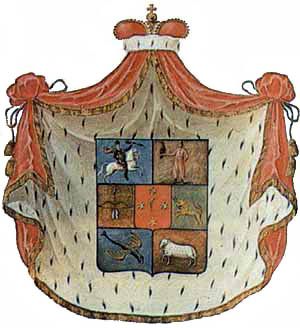
Only one line remained, the sons of Bey Urus’s third son Saty, notably Kasim-mirza, who converted to Christianity in 1615 and took the name Andrei Satyevich Urusov. He was given estates by the Tsar on the Pakhra river, south of Moscow, and he married Princess Maria Tyumenskaya, a relative of the last Siberian khan. In 1636, Prince Urusov was appointed Governor of Nizhny Novgorod in the Volga region. He died in 1647, but left behind the foundations of a dynasty that would flourish for the next three centuries. Its coat of arms looks very similar to that of the Yusupovs, with the same crescent moon and star pattern at the centre, but surrounded by some different quarterings, including a sheep and a strange looking sea creature with wings.
Prince Andrei’s only son Semyon rose through the ranks of the court in Moscow as steward and cup-bearer, then Voivode of Novgorod, 1645-47. He established a reputation as a military leader during Russia’s war with Poland-Lithuania and in 1655 defeated a Lithuanian army near Brest in today’s Belarus. He was elevated to the rank of boyar, then died in 1657. Semyon had married a cousin of Tsar Mikhail, so his four sons all had head starts at court and flourished in the reigns of tsars Alexei and Feodor III, as boyars and regional governors. Further links were made with the royal family as the youngest son, Fyodor, the head of the Artillery Department, married the sister of Tsarina Agafya, wife of Tsar Feodor; their eldest daughter married a Naryshkin, maternal uncle of Tsar Peter, while the younger married Prince Kurakin, the Ambassador to Vienna. But it was the third son, Prince Nikita, who left sons to carry the Urusov line forward.
The next generation split in the family into two main lines, those of Alexei and of Semyon. The line of Prince Semyon was less prominent in the eighteenth century, but rose in the Imperial administration with Prince Sergei, Vice-Governor of Saint Petersburg (d. 1840), and his brother Ivan, Vice-Governor of Yaroslavl (d. 1833). Their nephew Sergei Nikolaievich was a Secretary of State under Alexander II, and when he died in 1883, was the last of this branch.
The elder line, in contrast, provided numerous eighteenth-century senators and military leaders, including Admiral Vasily (d. 1742), founder of the Caspian Sea fleet. He had a large family, with six sons, who again held various positions in the government or military. The youngest son, Peter (d. 1813), was a government prosecutor and owned a private theatre enterprise in Moscow in the 1780s that later evolved into the Bolshoi (ironically, one of his theatre buildings burned down one night in a performance of a play called ‘The False Dmitri’). Peter’s son, Alexander Petrovich, was a general in the Napoleonic Wars, notably in the invasion of France in 1814.
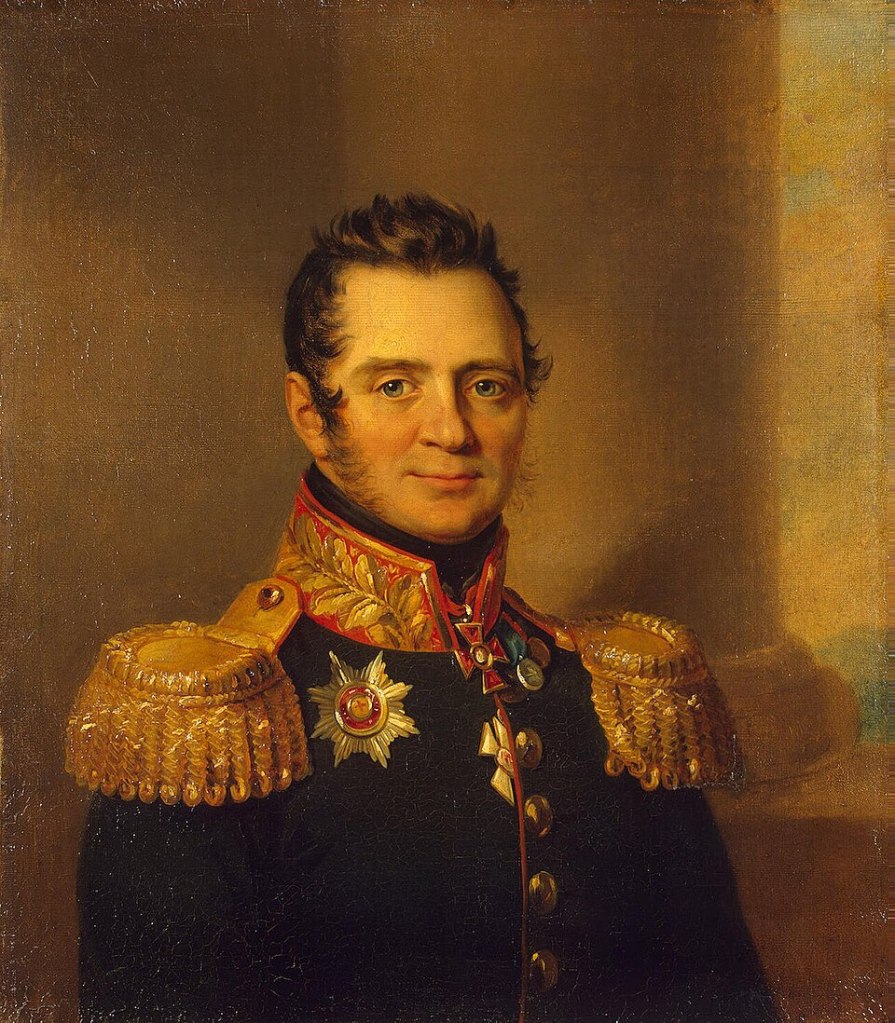
This Alexander’s uncle, Alexander Vasilievich (d. 1813), was also a general in this period and the builder of one of the Urusov country estates. Ostashevo, on the Ruza river west of Moscow, was founded by Prince Alexander in 1790 (and initially called Alexandrovo)—the old manor house was converted by him into a cloth factory. It did not stay in the hands of the Urusov family for long, and in the nineteenth century passed to the Prince’s stepson Muraviov, who opened a school here for officer cadets (and hosted some secret Decembrist meetings here too). In 1903, it was purchased by the Grand Duke Konstantin as a summer house—today the main house is gone, but some of the outbuildings are standing, notably the neogothic stables.
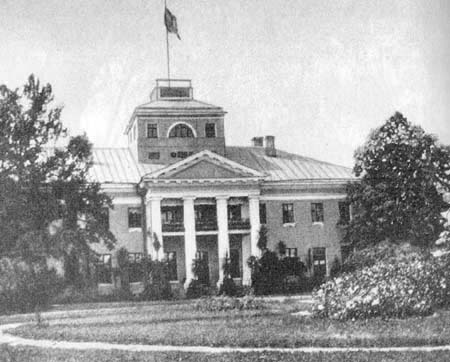
Alexander Vasilievich’s nephew Alexander Mikhailovich (d. 1857) was close to Tsar Nicholas I, who appointed him 2nd Master of Ceremonies for his coronation in 1825—which meant that he was second in command to his distant cousin and fellow descendant of Tatar beys, Prince Nikolai Yusupov, Marshal of the Court, encountered above. The Tsar later appointed him President of the Moscow Palace Office, in charge of building works, notably the Grand Kremlin Palace in the 1830s. In 1836, Prince Urusov was appointed Chief Chamberlain of the Court and in 1842 a member of the Council of State.
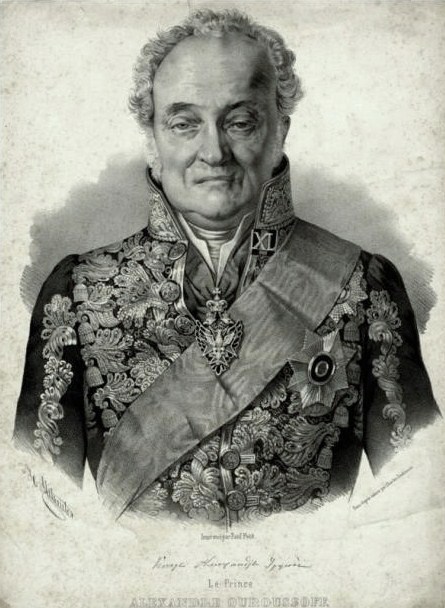
The closeness to the Tsar was enhanced by the beauty and style of Alexander’s daughters, Maria, Sophia and Natalia, who were given posts as maids of honour to Empress Elizabeth. Princess Sophia was herself a favourite (possibly lover) of the Tsar and he often called on the Urusov House on the corner of Spiridonovka in Moscow. She later married a Radziwill prince, Leon. Her older sister Maria attracted the attention of the poet Pushkin, who was also said to visit nearly every day and nearly fought a duel over her. She in fact married a distant cousin of his, Count Ivan Musin-Pushkin, in 1822, and later Alexander Gorchakov, who, after her death, became Foreign Minister then Chancellor of the Russian Empire.
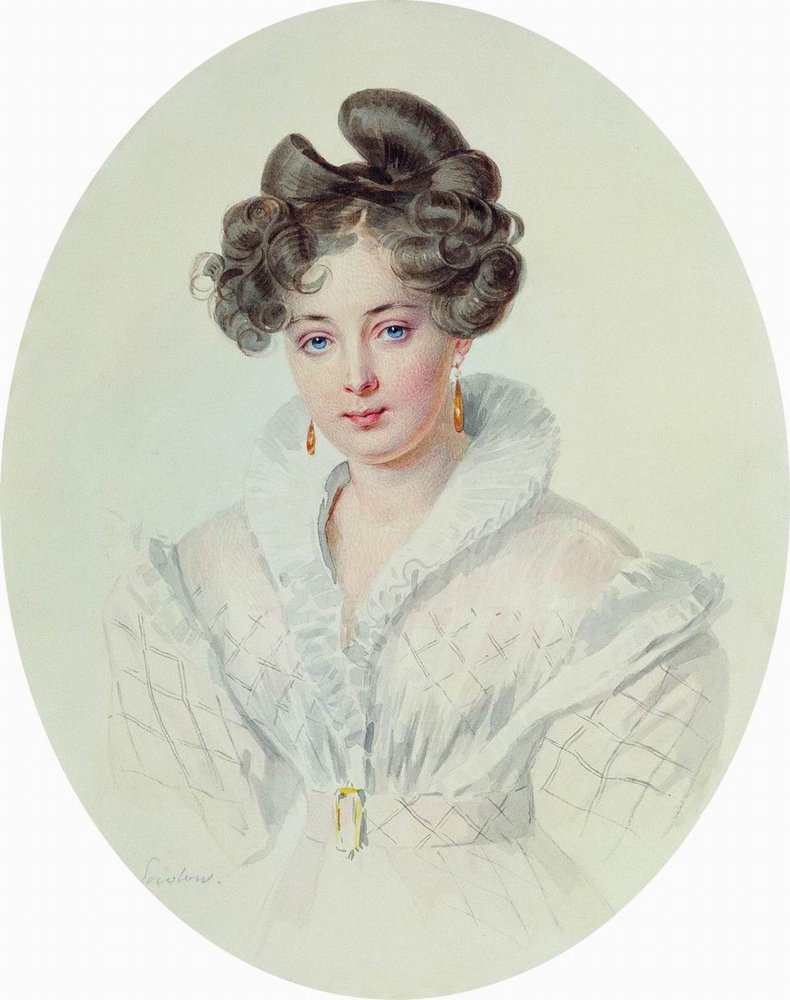
Of the six sons of Prince Alexander, the eldest, Mikhail (d. 1883), was a cavalry general and governor of the Belarussian provinces, while Pavel (d. 1886) was an infantry general. Pavel’s sons and grandsons were diplomats, with Lev Pavlovich (d. 1928) serving as ambassador to Rome, Vienna and Paris, and his nephew Lev Vladimirovich (d. 1933) holding prominent positions in the delegations to Bulgaria (1910-11) and Japan (1912-16), both in highly sensitive years for relations with Russia. He led a double life, however, as one of the major tennis players in Russia of his generation, winning a national championship in 1908 and a championship in Tokyo in 1913. In 1910, Prince Lev Urusov (or Léon Ouroussoff in French) was elected to the International Olympic Committee—after the Revolution of 1917 he fled to France and for several years was the only Russian on the Committee. He tried in vain to get Russian teams back into the games.
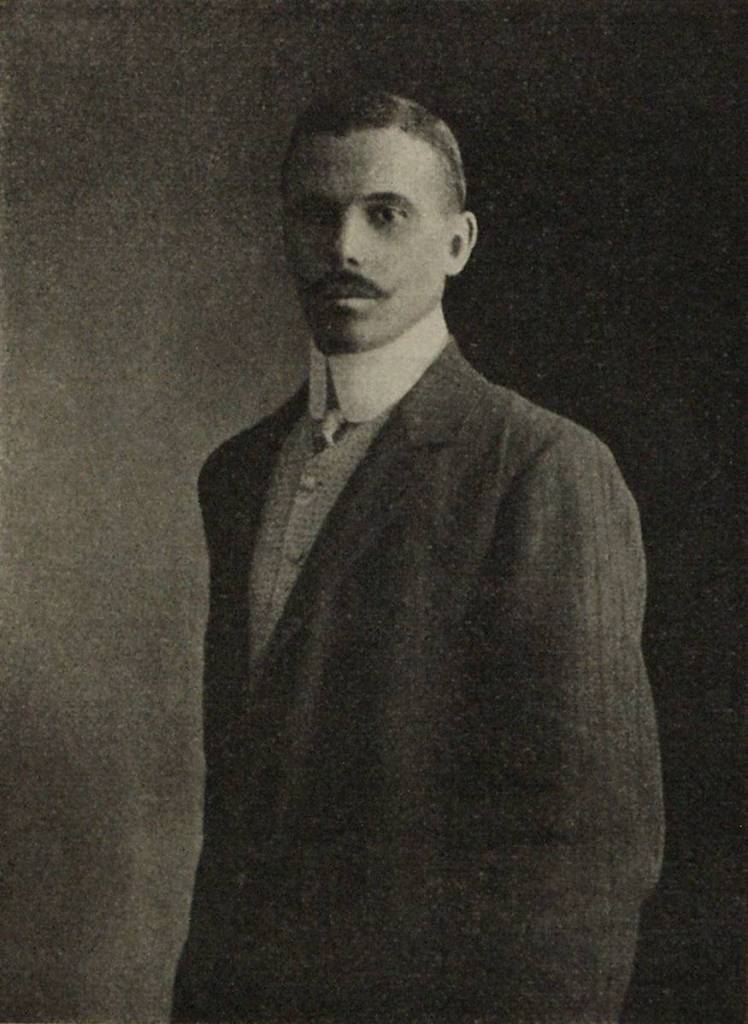
The family of Prince Peter (d. 1890), Alexander’s fourth son, were not so fortunate. His son Alexander, several times elected as a deputy to the Duma, died in 1914, as did his nephew Peter, an early casualty of the war. The next son Vladimir died mid-career in 1907 as vice-governor, of Kherson, while the youngest two brothers, Sergei and Nikolai, both serving at court with the rank of Master of the Horse—and Sergei in particular known as a specialist horse breeder—were both murdered by revolutionaries in 1918, leaving no survivors from this branch of the Urusovs.
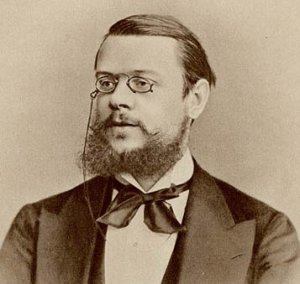
One other member of this ‘Moscow Branch’ is worth noting: Prince Alexander Ivanovich (d. 1900), was a famous lawyer, known for championing liberal causes. He first achieved notoriety as a star advocate in courtrooms of the 1860s-70s in defence of ordinary people. Accused by the authorities of supporting revolutionaries, he was arrested and deported to Finland in 1872. While in exile, he became a journalist and critic of literature and theatre, and a patron of artists. As a writer, he criticised social injustice which did not endear him to the government in Moscow, so he moved in 1876 to Warsaw to try to practice law again, until he was finally allowed to practice law back in Russia in the 1880s.
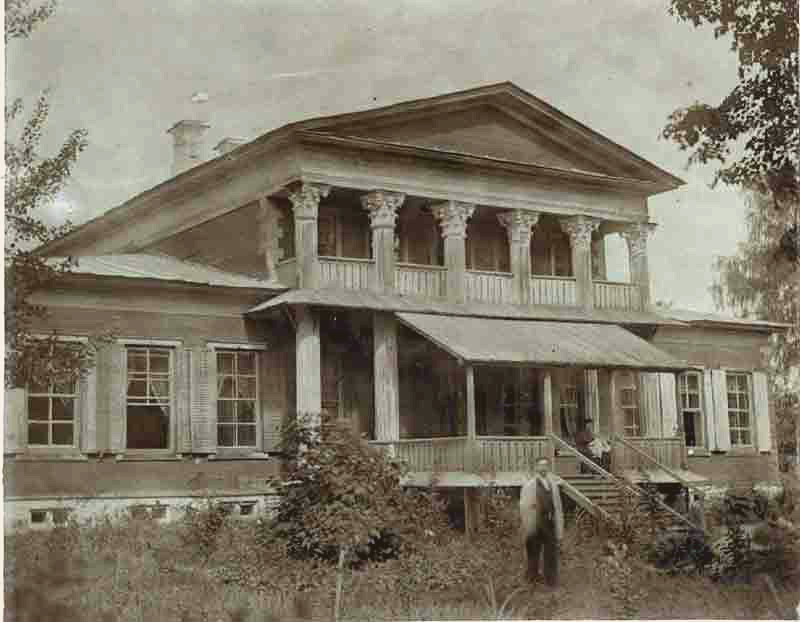
A younger line of the senior branch was based in Yaroslavl, an ancient city north of Moscow, after Prince Nikita Sergeivich was appointed Governor of the Yaroslavl Viceroyalty in 1793. This was a new governing entity created by Catherine II just over a decade before encompassing several provinces, but Urusov was its last governor as it was abolished by Tsar Paul in 1797. By this point Nikita’s line had established itself at an estate at Spasskoye near Yaroslavl. This was a wooden house built in the 1830s—part of a psychiatric hospital in the twentieth century, it was torn down in 2010.
Other members of this ‘Yaroslavl Branch’ that are noteworthy include Prince Nikita’s sister Ekaterina, famous in the 1770s as one of the very first women in Russia to publish poetry under her own name. She became known as a reviver of classical forms and was later invited to be a member of an elite literary club in Moscow. Nikita’s grandsons became prominent in different spheres: Julius Dmitrievich (d. 1919) at court, as Chief Master of Ceremonies, in charge of organising the coronation of Nicholas II in 1896, and Master of the Horse in 1900, then Cup-Bearer in 1915; and Sergei Semyonovich (d. 1897) as a mathematician and a well-known international chess champion.
Sergei’s nephew Sergei Dmitrievich Urusov was one of the very last members of the provisional government set up to create a post-imperial regime in 1917. Earlier in his career, Prince Sergei had been appointed Governor of Bessarabia (today’s Moldova), 1903, then of the Province of Tver, 1904. He then was elected as a delegate to the Duma of May-July 1906. He was a liberal and a vocal critic of state-sanctioned pogroms, so was imprisoned May to August 1908. When the Provisional Government was established in March 1917, he joined it as Deputy Interior Minister, but resigned after only two months. When that government fell in October, Urusov initially supported the revolution and was elected to the Constituent Assembly in November 1917—though it only sat for a few weeks in January 1918. When tensions rose in late 1918, he was deprived of his civil rights as a former Imperial governor, and would be imprisoned off and on until 1920. After that he worked various jobs connected to economics, agriculture and health sciences…but unlike many of his relatives, he stayed in Moscow until his death in 1937.
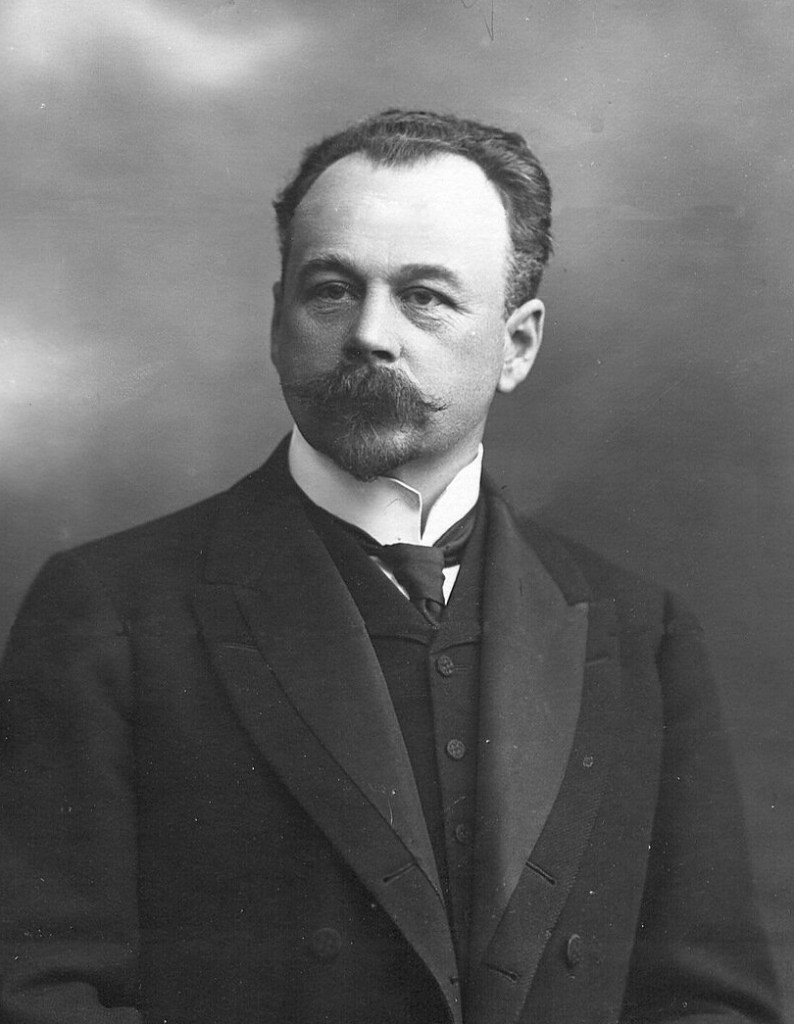
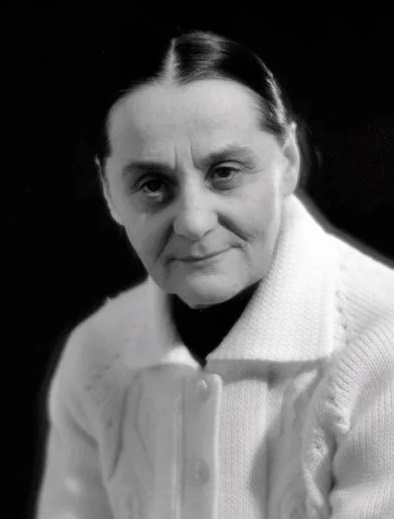
With the death of his brother Yuri, a lawyer, that same year, the male line of princes came to an end, though Yuri left two daughters: Evdokia and Elena. Evdokia (d. 1996), known as Eda, was an actress in the early 1930s, but came under suspicion and was sentenced to work camps or internal exile in the 1940s; she was rehabilitated in the 1950s and was a very prominent star of film and stage until the 1980s, awarded the title ‘People’s Artist of Russia’ in 1989. Her sister Elena was a librarian at the great library in the Kremlin—in 1935 she was accused of being part of the ‘Kremlin Case’, a conspiracy against Stalin, and was arrested and later shot. Years later it was found to be a fabricated anti-Trotskyist plot.
Today there are still further relations, distant cousins: Nicolai Ouroussoff (b. 1962), for example, uses the French spelling of his name. Born in Massachusetts, he teaches architecture at Columbia University, and was formerly architecture critic for the New York Times (2004-11).
(images from Wikimedia Commons)

