In July 2014, one of the last grand dames of the aristocratic age of British society passed away, having lived nearly a century. Such was the world she inhabited that when the Second World War broke out and her husband was posted in the desert of Palestine, she found a way to accompany him, not deeming it appropriate that a gentleman should live without a proper afternoon tea. A few years later he thanked her by besieging her in one wing of their palatial residence on the borders between England and Scotland, cutting off her water and her electricity, until finally she agreed to a divorce. Mary, Duchess of Roxburghe, left behind a treasure trove in her sixteenth-century home in Surrey. This month, West Horsley Place is featured in a feature film, ‘Ghosts: The Possession of Button House’. And this was a Duchess I even met, way back in 1993.
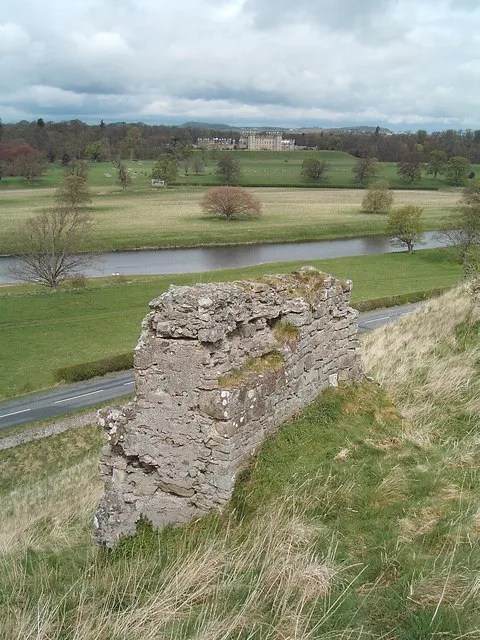
The Roxburghe title is of course one that Lady Mary Crewe-Milnes married into. It is one of several Scottish ducal titles that were created in the years leading up to the union of the crowns of England and Scotland in 1707. But long before that, the castle from which it derived its name stood as one of the defences of the river Tweed, once the border between the same two kingdoms. Roxburgh Castle (without an e) is long gone, but in the early eighteenth century the 1st Duke of Roxburghe (with an e) built a huge palace on the other side of the river, Floors Castle, which remains one of the great country houses of the United Kingdom.
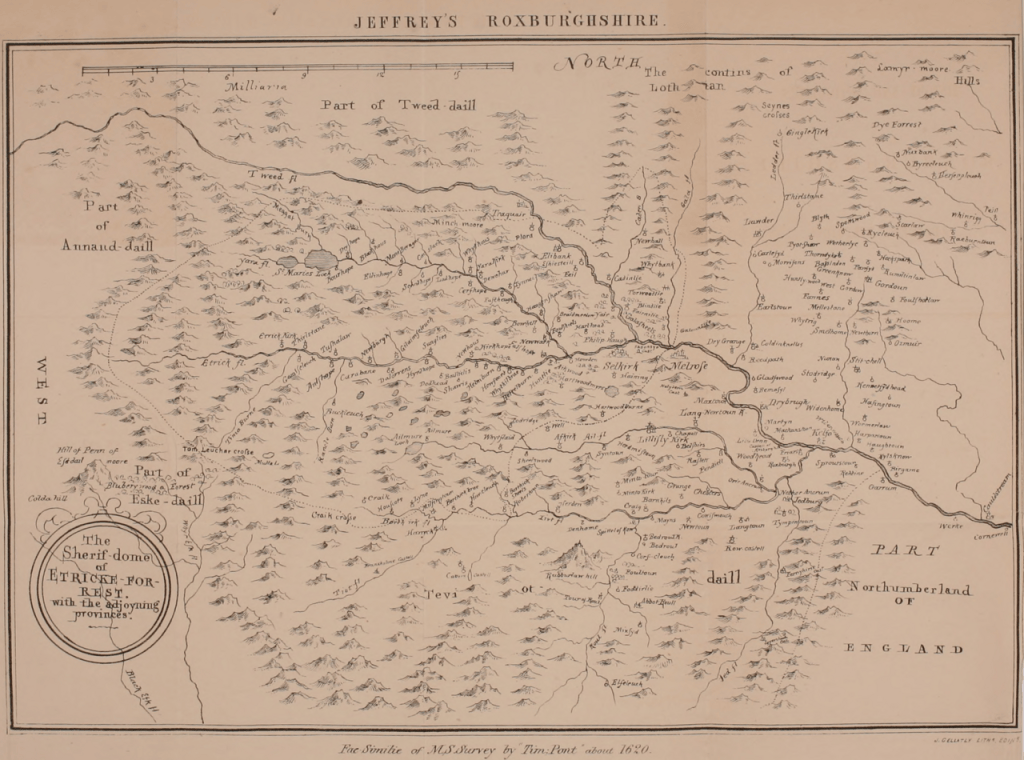
The family that owned land in this border area between England and Scotland, known as the ‘Middle March’, were the Kers (though half the family spells it Kerr and some even Carr, which reflects how it is pronounced—and that too has differences of opinion: ‘car’ in England, but ‘care’ in Scotland). Shortly after the earldom was created, it passed to the Drummond family, and after a strange inheritance suit in the early nineteenth century, it passed to another Scottish family, that of Innes. Today the surname remains Innes-Ker, and they still own huge acreage in the Borders.
The Borders is the current name of the administrative unit (the very unromantically termed ‘council area’) of this southern portion of Scotland. Ceremonially the lands of the Innes-Ker family are located in the lord lieutenancy of Roxburgh, Ettrick and Lauderdale, and historically it formed a County of Roxburgh (or Roxburghshire). There once was a significant town here, at the confluence of the rivers Tweed and Teviot, defended by a castle. The town was a royal burgh, attracting trade between England and Scotland and pilgrims to the major abbeys located nearby at Kelso, Melrose and Jedburgh. Roxburgh was even capital of Scotland for a spell when David I (d. 1153) lived here. The border between the two kingdoms was fixed a few miles to the south (ie, not on the Tweed itself at this point of the river’s course) in 1237, in the Cheviot Hills, but it was nominally part of England in the 1330s when Edward III made Roxburgh Castle his base during the Scottish Wars of Independence. The town was destroyed and the castle slighted in an English invasion of 1460, and once Berwick, the chief port city at the outlet of the Tweed became firmly English in the 1480s, the town of Roxburgh died and slowly disappeared. Today there is little trace of either town or castle.
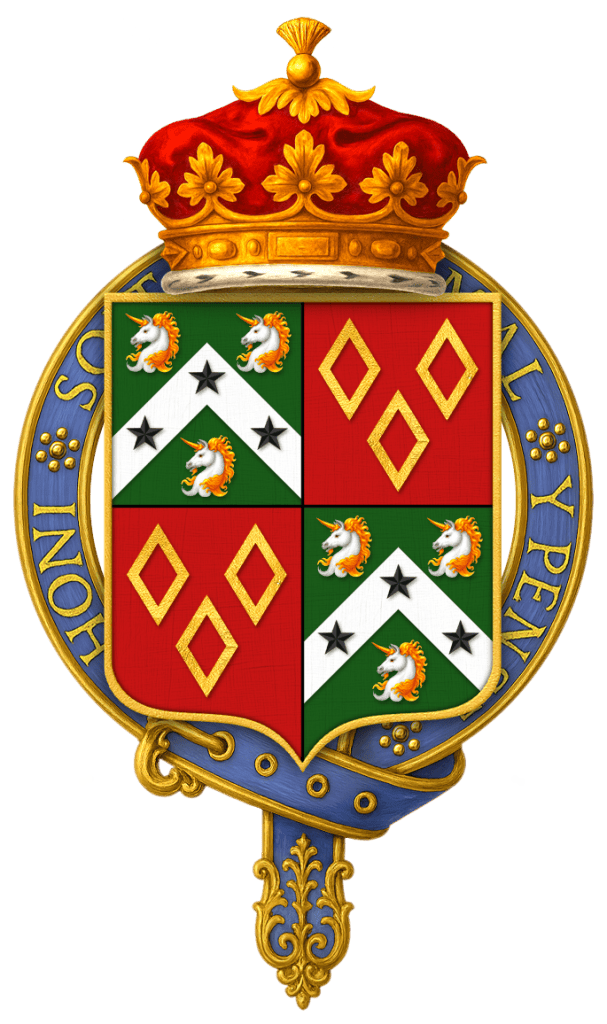
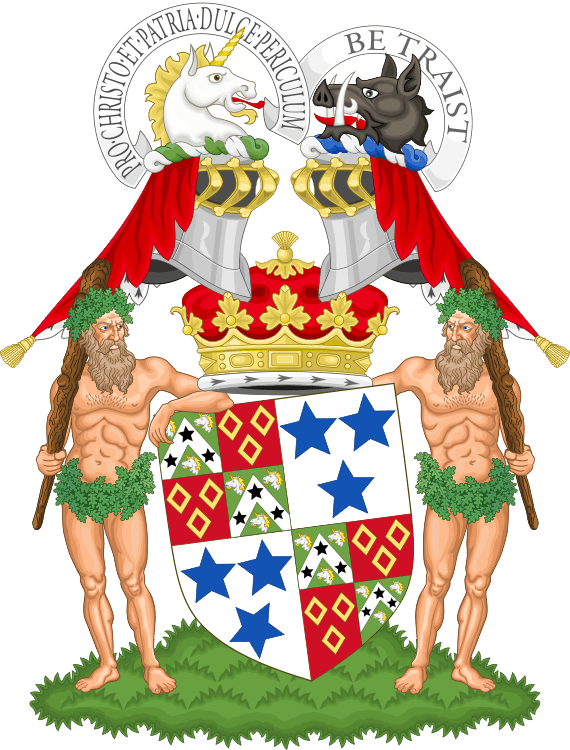
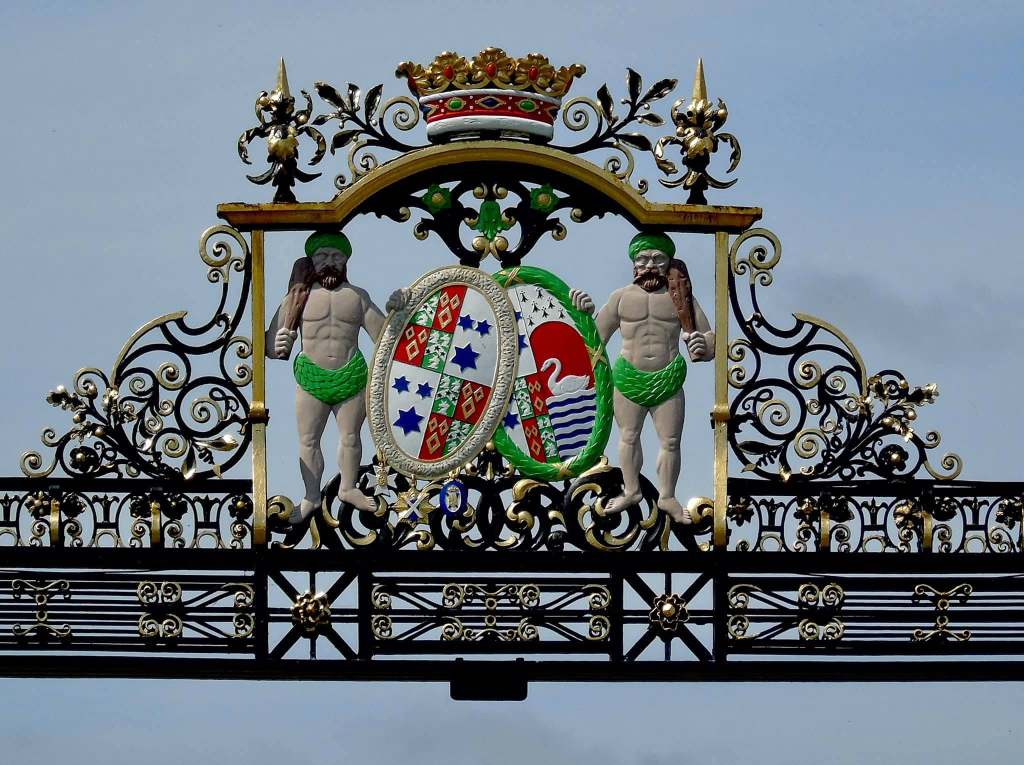
Meanwhile, the Ker family rose to prominence either as border reivers or as those appointed by the Scottish Crown to stop the reivers (ie, Wardens of the Middle March). Many of the reiver families had longstanding feuds with their neighbours, and the Kers were no different, competing for resources and honour with the Scotts of nearby Buccleuch for decades. Their origins are uncertain: one version is that they arrived from Ayrshire in the twelfth century (where there was a feudal barony of Kersland for many years); while another points to a Norman family who migrated north from England in the 1300s. I wonder if the name might not in fact be Norman, but Breton, given how many placenames there start with Ker, which is probably similar to the Welsh word caer for ‘fortified place’. There are other suggestions for the origins of the name: Gaelic cearr (‘spear’), Welsh cawr (‘giant’), Anglo-Scots ker for brush or low wetland (as along the river Tweed), or even Norse kjerr, a marsh dweller. The earliest coat of arms was a chevron, with three black stars, though the background differed between red for the senior line and green for the junior (and the latter added three unicorn heads). The senior line also added a quarter of a golden sun on a blue sky, which reflected the use of the sun on the overall Kerr family’s crest. The junior line eventually also quartered three golden mascles (or diamonds) on red, which alludes to a descent from an ancient family, the Viponts (or Weeponts), who owned land near Kelso.
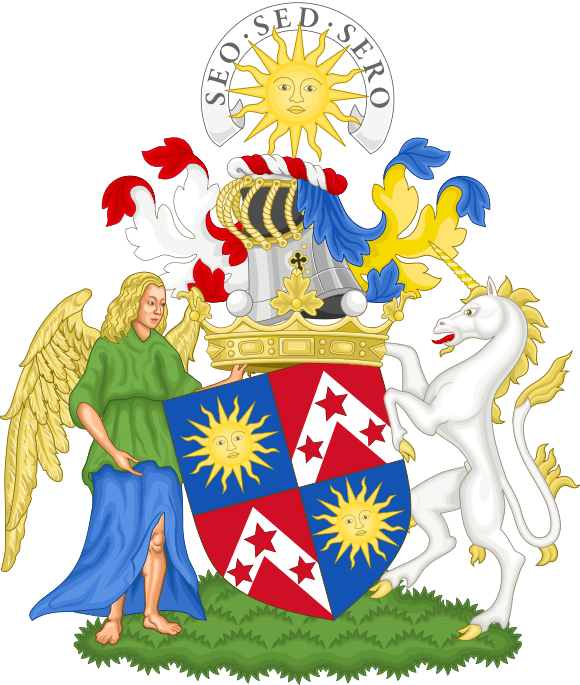
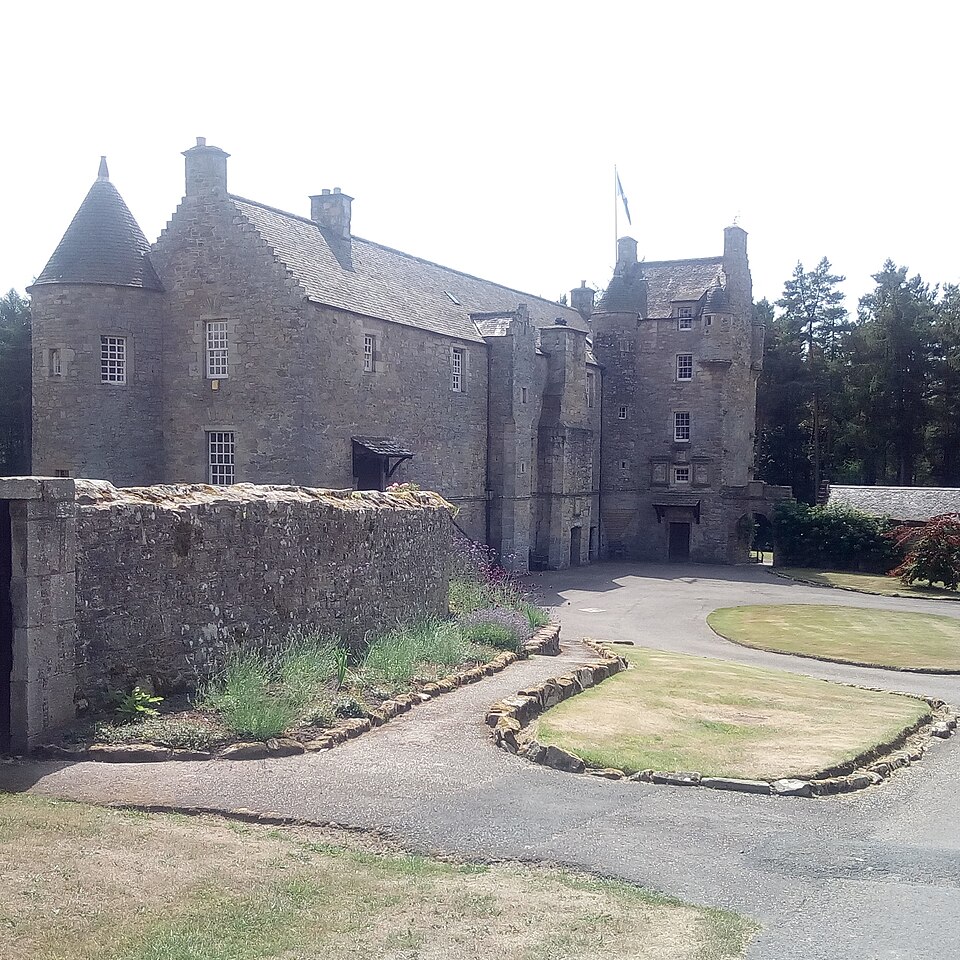
In the Middle Ages, there were two branches, Kerr of Cessford and Kerr of Firniehirst (both claiming to be the senior line). In the 1480s, the Cessford line split in two, with the elder son Walter taking Cessford, and his younger brother Thomas marrying the heiress of the Ferniehirst. Numerous other branches of the family extant today trace their origins to this time period. The Ferniehirst branch was based at the castle of that name southwest of Roxburgh near the town of Jedburgh (today the county town of the Borders). Built in 1470 on the Jed Water that flows north into the Teviot, it was the seat of the Lords Jedburgh (1621) until they died out in 1692, then passed to their cousins the earls of Lothian. Ferniehirst Castle was disused by the Kerrs of Lothian after they made their seat Monteviot in the 1840s, and it was leased out as a youth hostel in the 1930s; the current family of the Marquess of Lothian restored it in the 1980s and it is once again a family home.
The brother of the 1st Lord Jedburgh was one of the great favourites of King James I, Robert Carr (as it was spelled in England), raised to the peerage as Viscount Rochester in 1611 then Earl of Somerset in 1613. He was Secretary of State, 1612-14, Lord Chamberlain, and Lord Privy Seal, 1614—but it all came crashing down after he and his new wife, Lady Frances Howard, were accused and later convicted of poisoning his erstwhile friend, Sir Thomas Overbury. One of those who ensured that Carr’s royal favour ended and his time in the Tower extended was the new favourite, George Villiers, the future Duke of Buckingham.
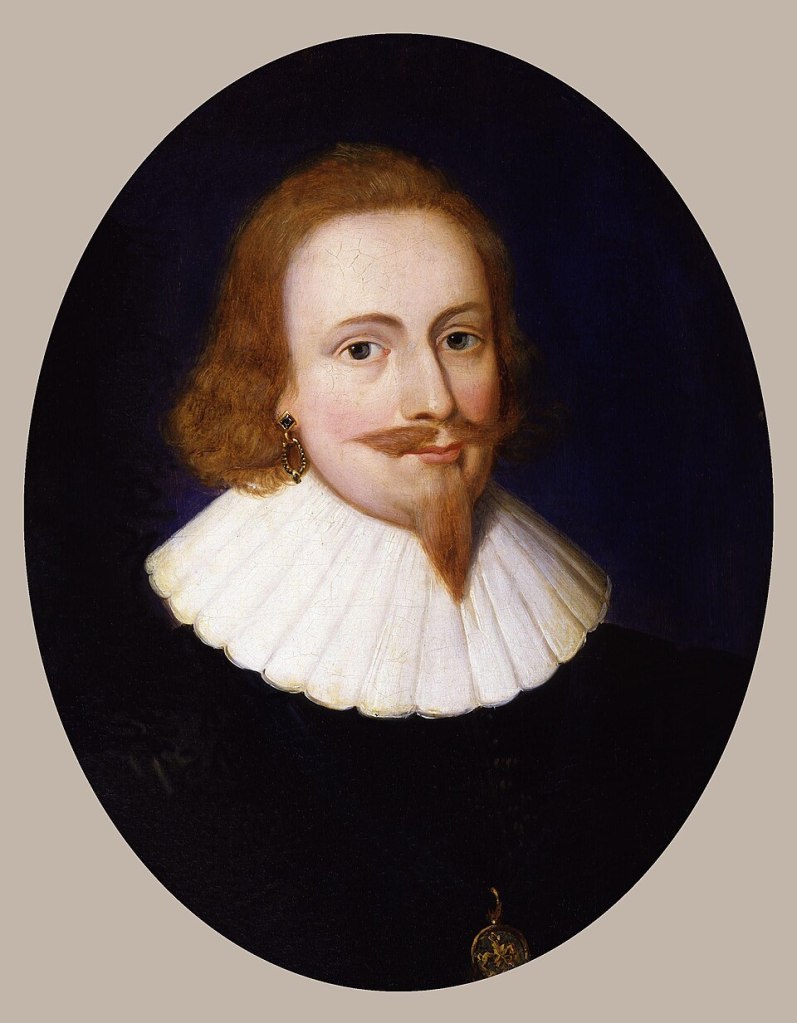
Robert Carr’s second cousin was Robert Kerr, who also enjoyed the favour of King James (though of a less intimate nature). He was given great responsibilities in the household of young Prince Charles, and when the latter became King in 1625, Kerr was made a Gentleman of the Bedchamber, and in 1633 created Earl of Ancram (from his estate at Ancrum in Roxburghshire). Two years earlier, the family had already acquired an earldom, by marriage: Robert’s son William married Anne Kerr, Countess of Lothian, from the Cessford branch (which we will return to below), after her father died in 1624—the King re-created her titles for her husband as Earl of Lothian and Lord Kerr of Newbattle. Initially the earldom of Ancram was kept separate and given to the second son, but by 1690 the titles had been rejoined (and remain so today).
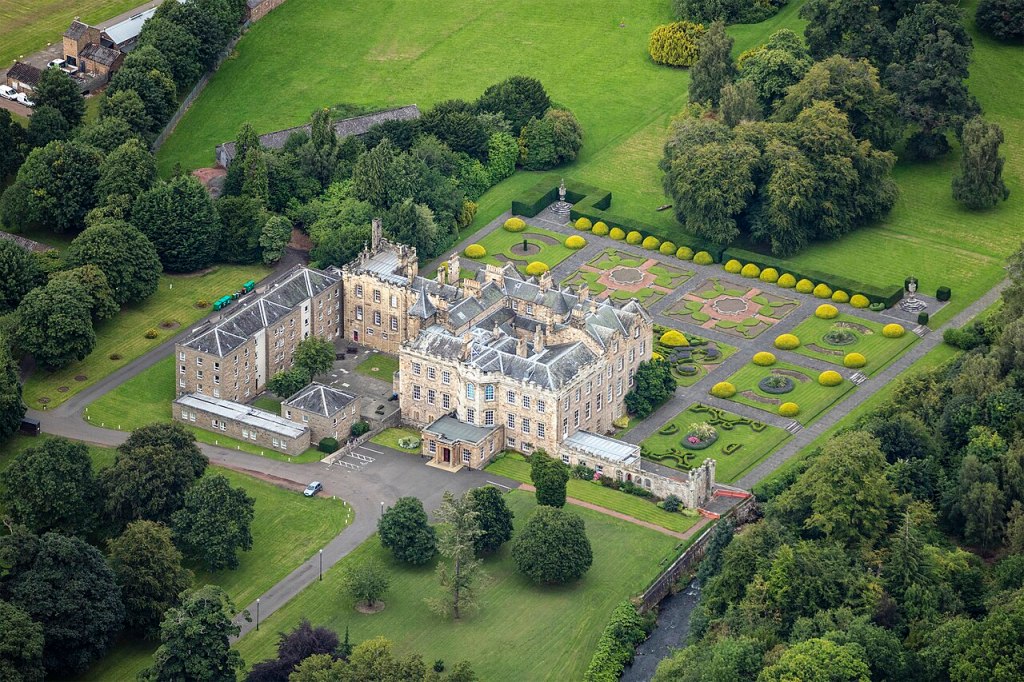
The seat of this branch was Newbattle Abbey, a former Cistercian abbey on the banks of the River South Esk, just outside Dalkeith. The Abbey isn’t named for a battle, but took its name from neubothle (‘new building’)—and was sometimes still spelled Newbottle in the early modern period. It had been founded in 1140 with royal patronage, and given significant lands in the Lothians as well as the upper Clydesdale, where they set up iron mines in the Lowther Hills—the monks also derived a significant income from some of the earliest coal mining operations in Britain under their estates in East Lothian. When the abbey was secularised after the Reformation, its last Commendator, Mark Kerr, became Baron Newbattle in 1591. The old abbey buildings were converted into a house in the 1650s, then remodelled in the 1830s; in 1937 it was given to the state to transform into an adult education college.
William and Anne’s son, Robert, tried to claim the earldom of Roxburghe in the 1650s, but as we will see below, it passed to the House of Drummond. He did eventually inherit other titles, and became both 4th Earl of Lothian and 3rd Earl of Ancram, as well as 5th Lord Jedburgh, thus reuniting all the titles of this branch of the family. A strong supporter of the Glorious Revolution, he was appointed Lord Justice General of Scotland by William and Mary in 1689 and Lord High Commissioner to the Parliament of Scotland (the King’s representative north of the border) in 1692. In 1701, he was created Marquess of Lothian as a reward for his loyalty, and appointed to the committee overseeing the creation of the Union between England and Scotland, though he died before this was accomplished.
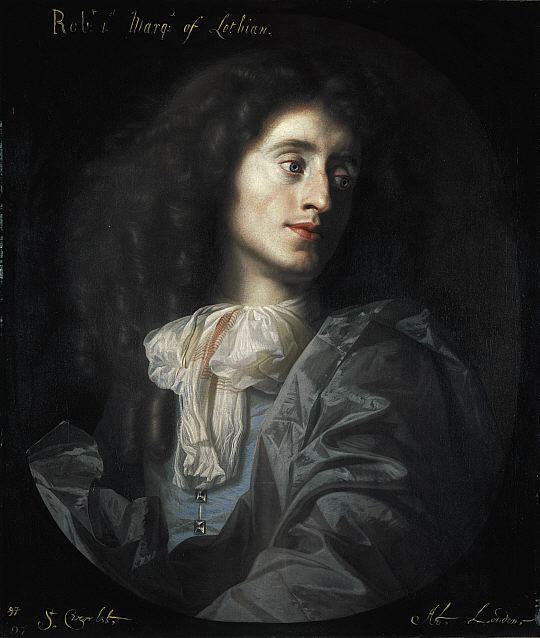
Subsequent Lothian marquesses remained active in Scottish politics, as firm supporters of Whig politics and the Hanoverian Succession, and in military service. They added some grand houses to their collection, firstly Blickling Hall in Norfolk—famous for its association with the Boleyns, briefly, in the sixteenth century—via marriage of the 6th Marquess to its heiress, Lady Harriet Hobart in 1793, then Glenarm Castle in County Antrim in Ireland, by marriage of his brother Lord Mark Kerr to Lady Charlotte MacDonnell, who later became 3rd Countess of Antrim—but their descendants took the name MacDonnell instead of Kerr and are still the earls of Antrim today. Another cadet branch of the Kerrs of Lothian was created Baron Teviot of Burghclere (Southamptonshire) in 1940.
Most significantly, the 7th Marquess of Lothian acquired a grand house, Monteviot, or Mount Teviot, near Jedburgh on the river Teviot, and moved his seat here from Newbattle in the 1830s. The house had been built in 1740 by Gilbert Elliot, 2nd Baronet, of Minto in Roxburghshire—yet another allied family from this region. It became the home of John Elliot an Admiral who attempted to keep the American colonies loyal to the Crown, then passed it to his nephew, the 1st Earl Minto, who sold it to the Marquess of Lothian since he already had a seat nearby at Minto House. Monteviot House was restored by the family in the 1950s, but in 1986 they repurchased Firniehirst Castle and began living there as well.
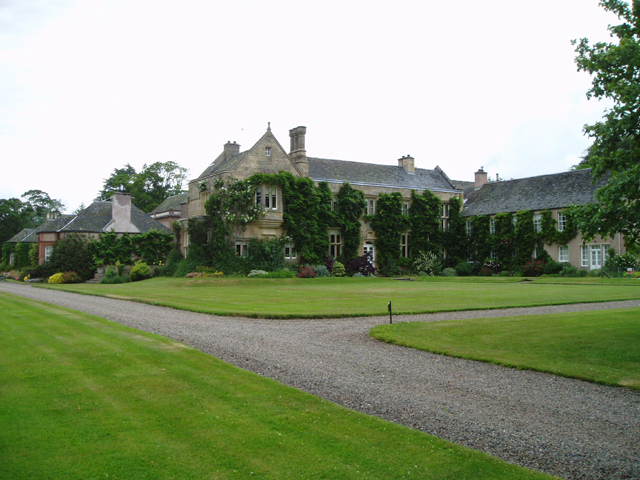
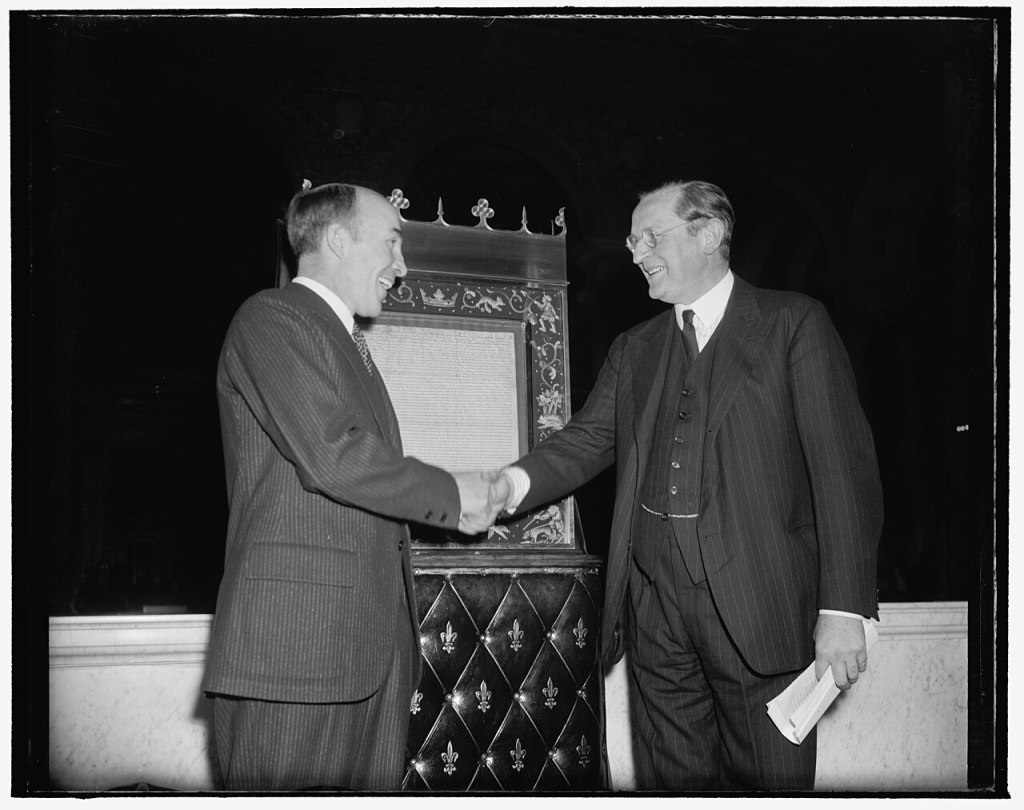
Two members of this branch stand out for their roles in Scottish or British international politics. Schomberg, 9th Marquess of Lothian, was Keeper of the Privy Seal of Scotland, 1874-1900, and Secretary for Scotland, 1887-92. His nephew and ultimate successor, Philip, 11th Marquess of Lothian, was one of the most interesting politicians of the early twentieth century. As private secretary to Prime Minister Lloyd George, he was one of the key players at the Versailles peace talks at the end of World War I and opposed the harsh terms meted out to Germany. He was a strong advocate for the creation of a body to regulate world peace, and for a federal system to transform the British Empire and eventually lead to a ‘world state’ with no borders and thus no conflict. When he inherited the marquisate in 1930 (including over 30,000 acres and coal mines in Midlothian), he stuck to his Liberal principles and turned over Newbattle to the state to run as a college for further education and let out Firniehirst to become a youth hostel. Part of the Liberal government of the early 1930s, Lord Lothian was Chancellor of the Duchy of Lancaster, and helped develop the Government of India Act in 1935 and the National Trust Act in 1937 (and he would leave Blickling to the National Trust in 1940). His finest hour came in 1939 when he was appointed British Ambassador to the United States, charged with convincing his old friend President Roosevelt to support Britain in confronting Nazi Germany. When he suddenly died in Washington, he was deeply mourned by the American government and accorded a state funeral in the National Cathedral.
The 11th Marquess of Lothian never married, so the titles and estates passed to his cousin Peter Kerr, of Melbourne Hall (once the residence Queen Victoria’s favourite prime minister), in Derbyshire—which he opened to the public in 1952, one of the first ‘great houses’ to do so. He returned to living at Monteviot in Scotland and restored Firniehirst after its period of being a youth hostel. Lothian had the interesting title of Lord Warden of the Stannaries and Keeper of the Privy Purse of the Duke of Cornwall from 1977. His eldest son became a leader member of the Conservative Party as Michael Ancram (from his courtesy title ‘Earl of Ancram’), as Deputy Party Leader, 2001-05. During this time he succeeded as 13th Marquess, but his marriage to a daughter of the Duke of Norfolk produced only daughters, so the title passed to his brother Ralph who is the current Marquess of Lothian and Chief of Clan Kerr.
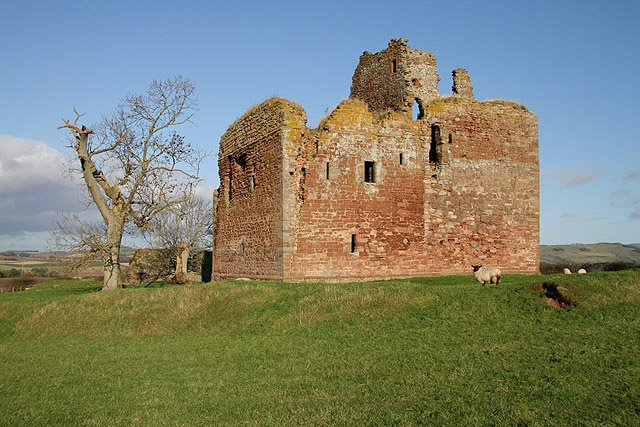
Although the Marquess of Lothian is the senior representative of the family today, until the mid-seventeenth century, his line, Kerr of Firniehirst, was the junior branch. The senior branch, Ker of Cessford—who ultimately became the dukes of Roxburghe—lived at Cessford Castle, a bit further to the east of Firniehirst, built in the 1450s as a near impregnable tower castle, with six storeys. It was incredibly defensible and withstood an English siege in 1523. But after the English Civil War, it was abandoned and is now a ruin.
The Cessford branch also split into two parts in the mid-sixteenth century, with Walter Kerr as laird of Cessford, and his younger brother Mark, secularising Newbattle Abbey to become the first Lord Newbattle (or Newbottle), noted above. Walter was one of the leading nobles of a Borders, a Catholic whose loyalty was initially with the Catholic Mary Queen of Scots, who appointed him Warden of the Middle March in 1560, but by 1567 had turned against her and fought in the battles that resulted in her deposition. Mark meanwhile became Master of Requests for King James VI in 1577, Gentleman of his Bedchamber, 1580, and briefly Chancellor of Scotland in 1604 after James had departed for England—and in 1606, the King created him Earl of Lothian. His son, Robert, 2nd Earl of Lothian, had only one daughter, Anne, and when he died in 1624, she took his titles and estates with her into marriage with William Kerr and re-generated the line of Kerr of Lothian, as above.
Meanwhile, Walter Kerr’s grandson, yet another Robert Kerr, was also gaining royal favour. In 1587, he married a niece of the powerful Chancellor of Scotland, John Maitland, and entered the court of James VI, who appointed him to his grandfather’s old post of Warden of the Middle March in 1593. The King later named him a member of the Privy Council in 1599, and Baron Roxburghe in 1600. Two years later, the new Lord Roxburghe accompanied the new King of England south to London and was appointed a Gentleman of the Bedchamber. In 1614, he made an excellent marriage to Jane Drummond, sister of the 1st Earl of Perth, but more importantly one of the chief confidantes of James I’s queen, Anna of Denmark. She had been in the Queen’s service since before the court came to England, and since 1602 had been looking after the King’s second son, Charles, Duke of York, since 1612, heir to the throne. Then, despite the scandalous rise and fall of his cousin and sort-of namesake Robert Carr in 1615, only a year later, Lord Roxburghe was created Earl of Roxburghe, with the subsidiary titles of Baron Ker of Cessford and Caverton (it seems from this point, this branch spelled the surname with only one r). In 1617, however, word got out that the new Earl and Countess were trying to pressure the King to appoint Roxburghe as Chamberlain of the Household of young Charles, now formally named Prince of Wales. The Queen took offence at not being consulted, and the Countess was dismissed from her posts and returned to Scotland. Nevertheless, she was re-appointed by Charles himself, now king, as governess of his daughter Princess Mary in 1631 (despite court opposition to the Countess being a Catholic), and later of his younger children, Princess Elizabeth and Prince Henry. She even accompanied Princess Mary to the Hague for her marriage to the Prince of Orange in 1642, and died shortly after her return. The 1st Earl remained a firm supporter of the monarchy under Charles I in the turbulent 1630s, and in 1637 was named Keeper of the Privy Seal of Scotland, a position he kept until removed by the downfall of the King’s regime in 1649.
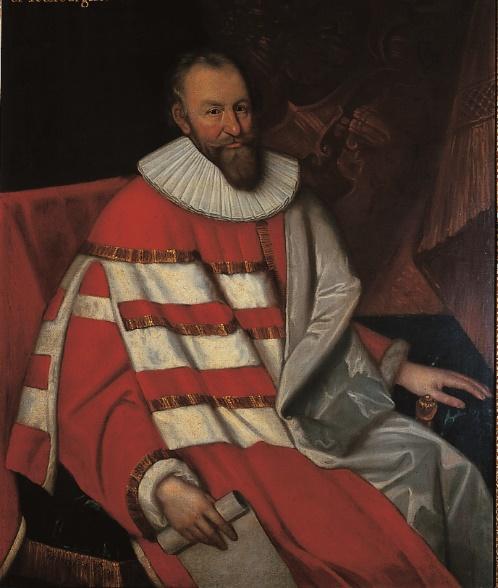
When the 1st Earl of Roxburghe died a year later in 1650, his succession was uncertain. His eldest son, William, Lord Ker, had died in 1643, as had his youngest son, Henry—who had sided with the opposition to the Crown in the Civil War. The old Earl had been given the right by the King in 1648 to appoint his successor, and decreed that whichever of his female-line grandsons would marry his granddaughters left by his son Henry would inherit the Ker lands and titles. The elder daughter Jean married her first cousin William Drummond, the son of Jean Ker and the 2nd Earl of Perth, in 1655, while the others, Anne and Margaret remained unmarried until the Restoration, when Anne married John Fleming, 4th Earl of Wigtown, and Margaret married Sir James Innes, the chief of Clan Innes—about whom more below. William Drummond thus took the title 2nd Earl of Roxburghe, and changed his name to Ker, both with the approval of Parliament in 1661. The Earl’s older brother James became 3rd Earl of Perth and continued the Drummond line.
The 2nd Earl of Roxburghe died in 1675 and was followed by his son Robert, who was named Sheriff of Roxburghshire in 1681, solidified his dynastic links with the families of the Borders by marriage to Margaret Hay, daughter of the Earl of Tweeddale and Lady Jane Scott of Buccleuch. But he died soon after and was succeeded by his eldest son Robert, who was 4th Earl for just over a decade, then his second son John, the 5th Earl, who raised this branch of the Ker family (sometimes referred to as Drummond-Ker) to the next level.
The 5th Earl of Roxburghe was in favour with the regime of Queen Anne, who appointed him Secretary of State of Scotland, 1705-05. He helped push through the Act of Union of 1707, and was rewarded with the titles Duke of Roxburghe, Marquess of Bowmont and Cessford, Earl of Kelso and Viscount Broxmouth.
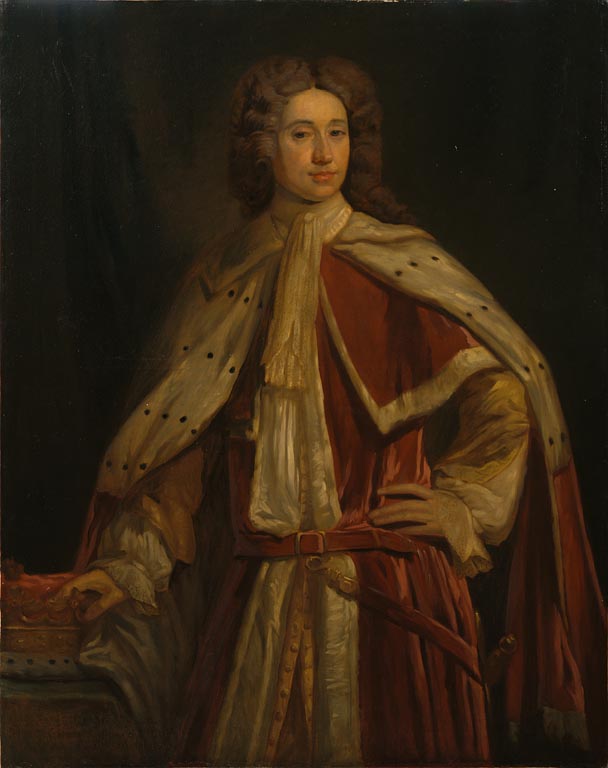
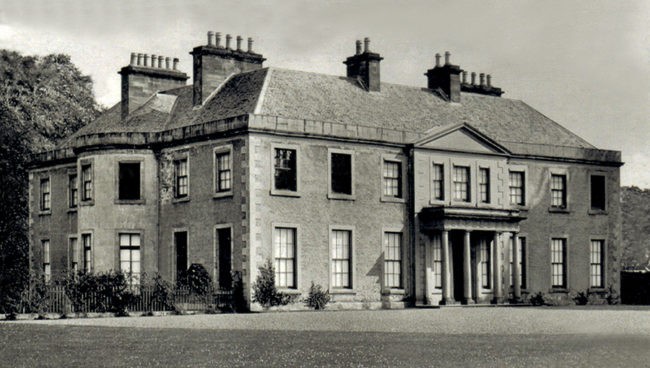
One of these titles, Broxmouth, referred to one of the other residences of the Ker family since the earlier part of the seventeenth century, when they had acquired it from the Home family, heirs of the Earl of Dunbar. Broxmouth House is located just outside Dunbar, on the Brox Burn just before it reaches the sea on the coast of East Lothian. It was enlarged by the 1st Duke of Roxburghe in the 1720s, then completely renovated in grand Georgian style in the 1770s by the 3rd Duke. In the next century, Broxmouth was used mostly as a dowager residence, and it was sold in 1960. It is still a private residence.
Bowmont refers to the Bowmont Water, which drains the Cheviot Hills east of Cessford and flows eastward (unlike the river Teviot) into England. The earliest seat of the Kerr family in fact was Auldtounburn (Altonburn), on the Bowmont Water, before they moved to Cessford. Much of the Roxburghe Estate today remains tenanted farms in this valley as well as the adjacent Bowmont Forest.
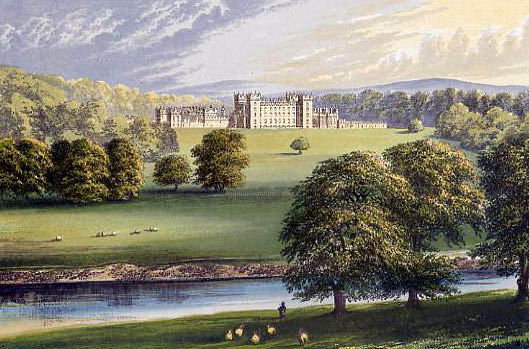
The 1st Duke of Roxburghe’s favour continued under the Hanoverians: appointed Keeper of the Privy Seal of Scotland, 1714, then Secretary of State for Scotland in 1716—the ‘of Scotland’ of his previous job was now ‘for Scotland’ reflecting that this was now part of a unified British government. As a sign of this most prominent position in the new United Kingdom, the 1st Duke of Roxburghe needed a monumental house to match. He commissioned a complete new mansion, Floors, incorporating a medieval tower across the Tweed from the old Roxburgh Castle. The name is said to come from the French fleurs, but it seems more likely that it reflects the levels of terraces, or ‘floors’ along the banks of the river. The lands had long been held by Kelso Abbey but were granted by James VI to Robert Kerr after monastic lands were secularised. Floors Castle was remodelled in the 1830s to give it a more ‘Scottish Gothic’ look. Its interiors were then lavishly furnished by the influx of American money at the start of the twentieth century—notably its Gobelins tapestries—and it remains one of the great treasure houses of Britain today.
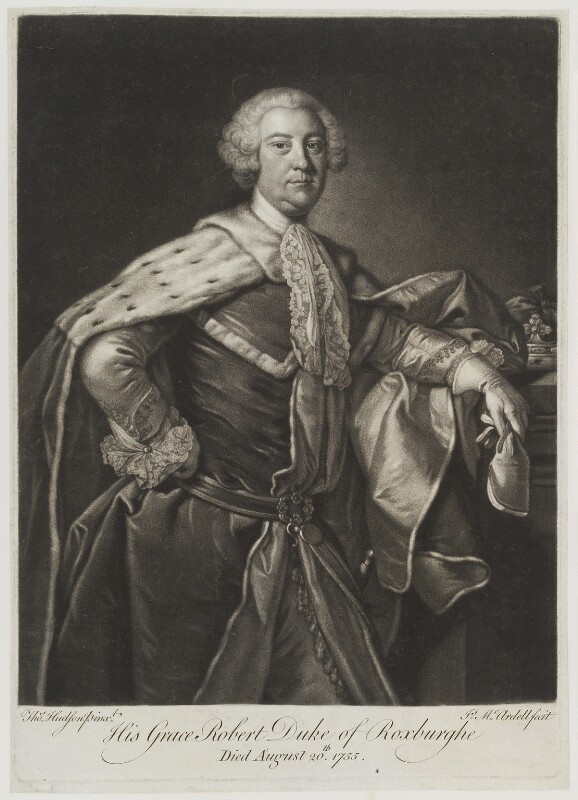
The 1st Duke died in 1741 and passed his dukedom on to his son Robert, who doesn’t seem to have made much of a mark, but was given his own peerage in 1722 in advance of his father’s death so he could sit in the House of Lords automatically without having to be one of the elected Scottish peers: Earl Ker of Wakefield (in Yorkshire). He was only Duke for fourteen years, and passed the titles on to his son John in 1755.
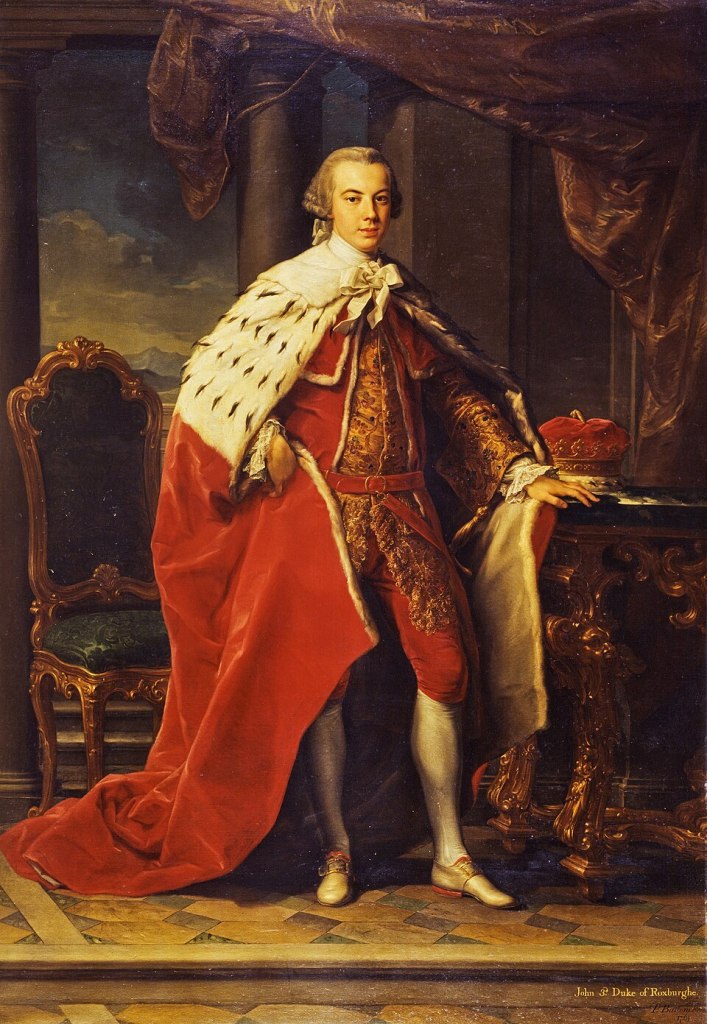
John, 3rd Duke of Roxburghe, was a contemporary of George III, and as chance had it, when he went on his grand tour in 1761, he met and fell in love with Christiane, the daughter of the Duke of Mecklenburg-Strelitz. But that same year, it was announced that the King was to marry Christiane’s younger sister Charlotte, so Roxburghe’s marriage was seen as unsuitable. Neither he not Christiane ever married. But the Duke was appointed one of the King’s Lords of the Bedchamber in 1767, and many years later, in 1796, his Groom of the Stole, the seniormost lord of the Bedchamber, with exclusive access to the King at any time. The Duke died in 1804, the same year the King suffered one of his bouts of recurring mental illness. Roxburghe left behind a famous library, auctioned off, that outlived its owner as the Roxburghe Club, a bibliophile society formed around the collection.
The 3rd Duke left his lands and titles to a distant cousin, William Drummond-Bellenden, 7th Lord Bellenden. The Lordship of Bellenden of Broughton (a rank in Scotland lower than a barony) was created in 1661 for a member of Charles II’s Restoration government in Scotland. At the time, Broughton was a village on the outskirts of Edinburgh, at the top of the hill before it descends down to the seafront at Leith (today it is in the centre of the city, across from the Catholic Cathedral, marked by streets bearing its name, and the centre of Edinburgh’s ‘pink triangle’). The first Lord Bellenden willed the title and the estate to his cousin John Drummond-Ker, fourth son of the 2nd Earl of Roxburghe in 1671. Several generations later, the 7th Lord, aged 76, suddenly became one of the largest landowners in Scotland. He died, childless, within the year in 1805, opening up one of the strangest and most expensive succession cases in British peerage history.
Between 1805 and 1812 there was no duke of Roxburghe, as the House of Lords looked over the claims put forward by various Drummonds or Kers, or from another cousin, James, 6th Baronet Innes, a descendant of Margaret Ker, granddaughter of the 1st Earl of Roxburghe. The thorny question was whether the dukedom was similar to the earldom in not having a males-only entail. Legal costs mounted, and in the end, the court decided in favour of Innes, who became 5th Duke of Roxburghe.
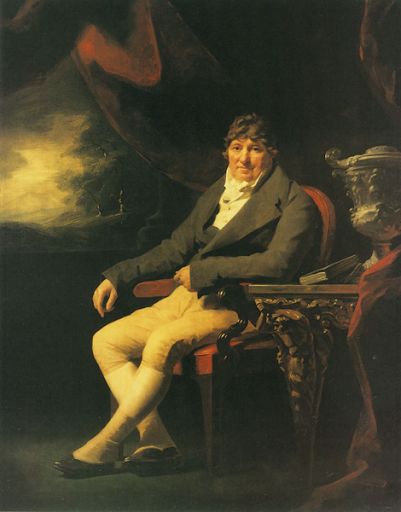
James Innes had already changed his name once before, adding Norcliffe, as his first wife was heiress of her grandfather’s estate at Langton Hall in Yorkshire (known to fans of ‘Gentleman Jack’ as the home of Isabella ‘Tib’ Norcliffe, one of the lovers of Anne Lister). He now changed his name to Innes-Ker and quartered the arms of the two families, adding the three blue stars (or mullets) on a silver field (and the Langton Estate itself passed back to the Norcliffe family in 1807).
The Innes family came from the opposite side of Scotland, Morayshire, on the northeast coast. Their ancient lands, Innes and Urquhart, were located just outside the city of Elgin, in the low-lying area between the mouths of the rivers Lossie and Spey—and it is thought the name Innes itself came from the Gaelic word for floodplain or island (inch or inis). There is a family legend that the founder came from Flanders, which is not far-fetched as several families who settled this coast in the twelfth century came from there (like the Morays—who gave their name to the county, and in fact bore the inverted arms as the Innes, three white stars on blue—which later evolved into Clan Murray). There was an old castle which in the 1640s was transformed into Innes House. This was sold to the Earl of Fife in 1767, then passed through various hands until it ended up the home of the Tennants, a younger branch of the Glenconners, still in private hands.
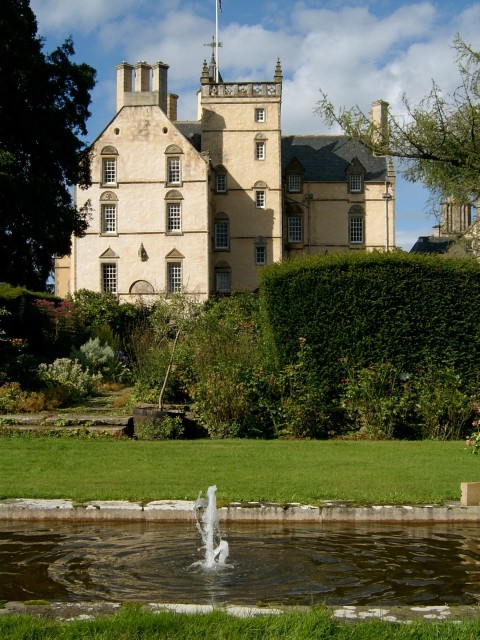
In 1625, this branch of the Innes family received a baronetcy (of Innes and Urquhart, County Elgin), in the baronetage of Nova Scotia. Today this is the premier title in that baronetage, and although the current Duke of Roxburghe is the lineal head of the family, by custom, the Lord Lyon won’t recognise him as Clan Chief since his surname is Innes-Ker.
The 5th Duke of Roxburghe, already in his seventies, enjoyed his title (and great wealth) for a decade, then in 1823 passed it all to his son James Innes-Ker. The new Duke was only seven, having been born from his father’s second marriage when his father was 80! The 6th Duke grew up and became part of the social circle of Queen Victoria, in particular through his wife, Susanna (née Dalbiac), a Lady of the Bedchamber and friend of the Queen from 1865 to 1895. He was a commander of the Royal Company of Archers, the sovereign’s personal guard when in Scotland, and in 1873 was appointed Lord Lieutenant of Berwickshire.
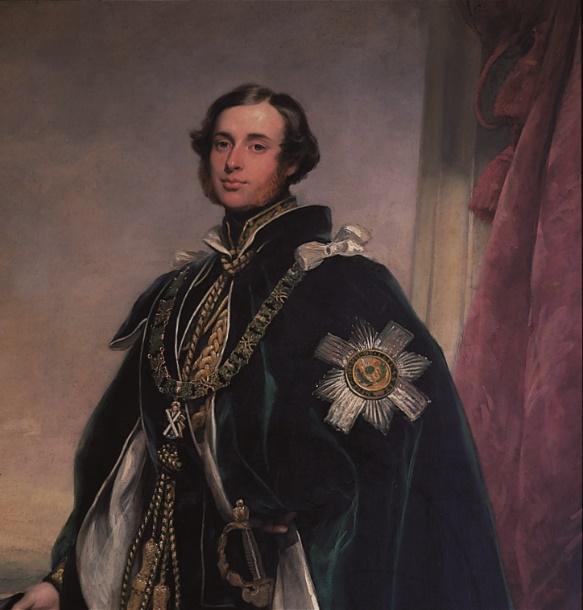
Their son James, known for most of his life by the courtesy title of Marquess of Bowmont and Cessford, became the 7th Duke of Roxburghe in 1879. Before that he had been a Liberal member of Parliament for Roxburghshire, and after his accession, Lord Lieutenant of Roxburghshire. But he died after only 13 years in 1892. His wife, Anne, was daughter of the Duke of Marlborough, and continued the family’s close association with Queen Victoria, as Mistress of the Robes, 1883-85, then took over her mother-in-law’s post as a Lady of the Bedchamber in 1897. She lived long enough to see her elder son, Henry, the 8th Duke, marry well and enrich even further the family fortunes, and her second son, Lord Robert, scandalise high society by his 1920 marriage to José Collins, a music hall actress known for her appearance in some of the earliest films and on Broadway in the Ziegfield Follies.
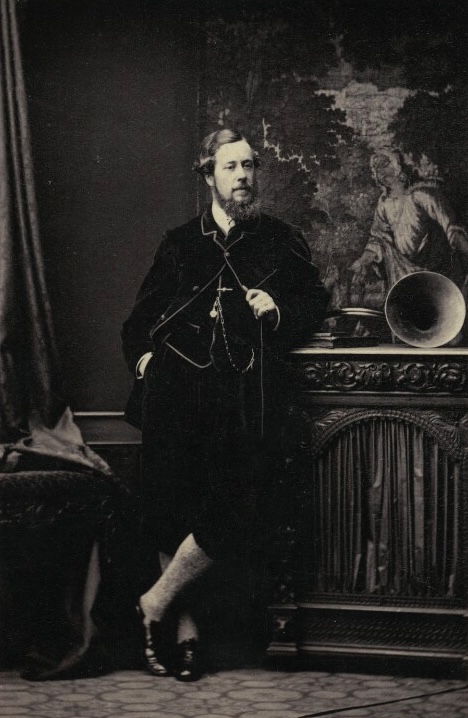
The 8th Duke established himself in a military career in the 1890s, and was appointed aide-de-camp to the Duke of York (the future George V) on his colonial tour of 1901. In 1903 he married the American heiress Mary Goelet, daughter of New York real estate magnate, Ogden Goelet, and Mary Wilson, whose sister was married to a Vanderbilt and whose brother was married to an Astor—still another Wilson sister had already joined the British aristocracy through her marriage to Michael Herbert, brother to the Earl of Pembroke, and Ambassador to the United States just at the time of the Roxburghe marriage. Mary Goelet brought into the marriage a dowry of $500,000 and future expectations of a ten million dollar trust fund. She brought the Gobelins tapestries to Floors Castle noted above, as well as several paintings by leading modern painters.
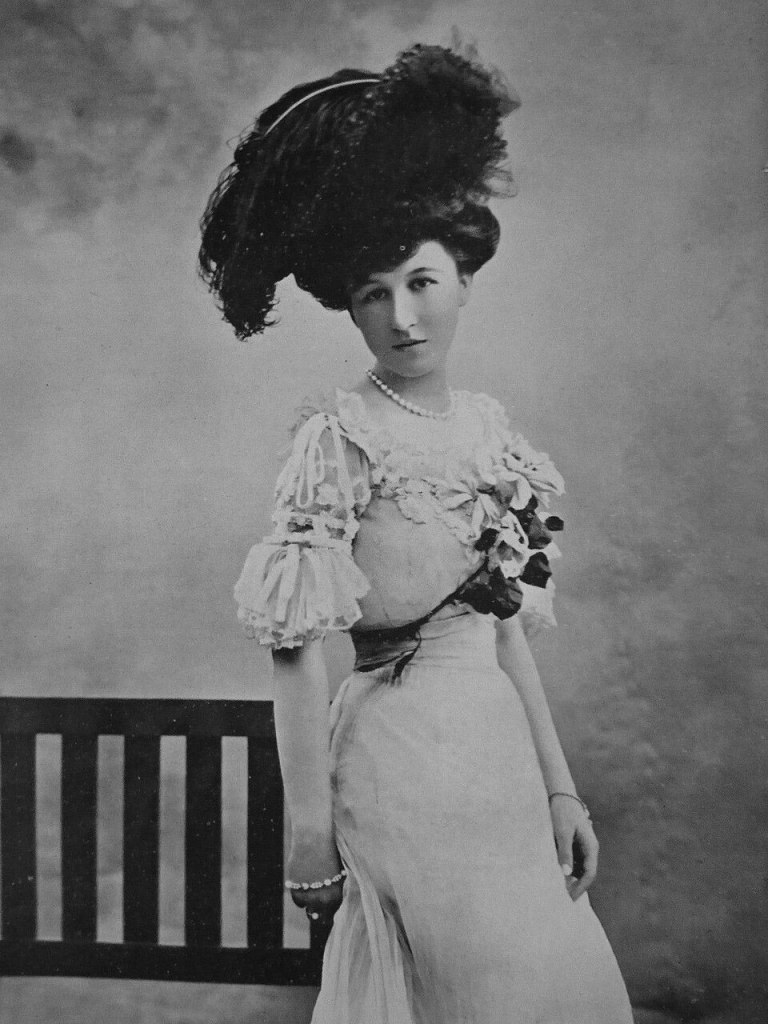
The 8th Duke was appointed, as expected, Lord Lieutenant of Roxburghshire in 1918, and Chancellor of the Order of the Thistle in 1926. He held both offices until he died in 1932. His Duchess survived him until 1937.
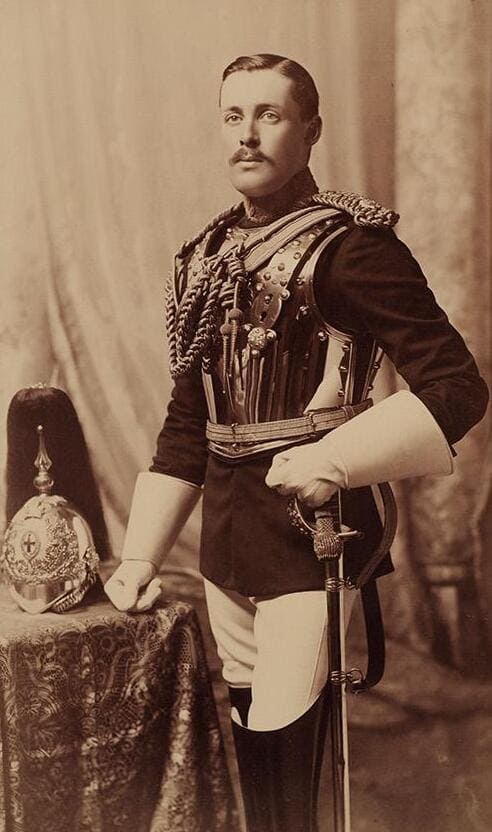
George, 9th Duke of Roxburghe, like his father, had a military education and joined the Royal Regiment of Horse Guards (The Blues), and saw action in the Middle East during the Second World War, as we have seen at the start of this story (and where his wife Mary famously smuggled herself along with other high society wives to maintain dignity and order in the midst of war). His wedding to Lady Mary Crewe-Milnes in 1935 had been one of the heights of the society season—she was a goddaughter of Queen Mary (as he was indeed godson of King George), and well-connected politically, as the daughter of the 1st Marquess of Crewe, Liberal politician, Viceroy of Ireland and Secretary of State for India, and of Lady Margaret ‘Peggy’ Primrose, the daughter of former Prime Minister Lord Rosebery, and Hannah de Rothschild. Amazingly, there is a newsclip of the event: https://www.youtube.com/watch?v=ND_AqGNCRxE
After the war, the Duke and Duchess engaged in an epic battle over their divorce, including the six-week siege of her wing of Floors Castle, as noted above. During the siege, their aristocratic neighbours were divided, some supporting him, and others her (smuggling her food and paraffin for lighting)—the Duke and Duchess of Buccleuch were even divided as a couple in their support. In later life, the 9th Duke was not involved in national politics, but devoted his energies to the local council and other affairs in Roxburghshire until his death in 1974. He remarried and had two sons.
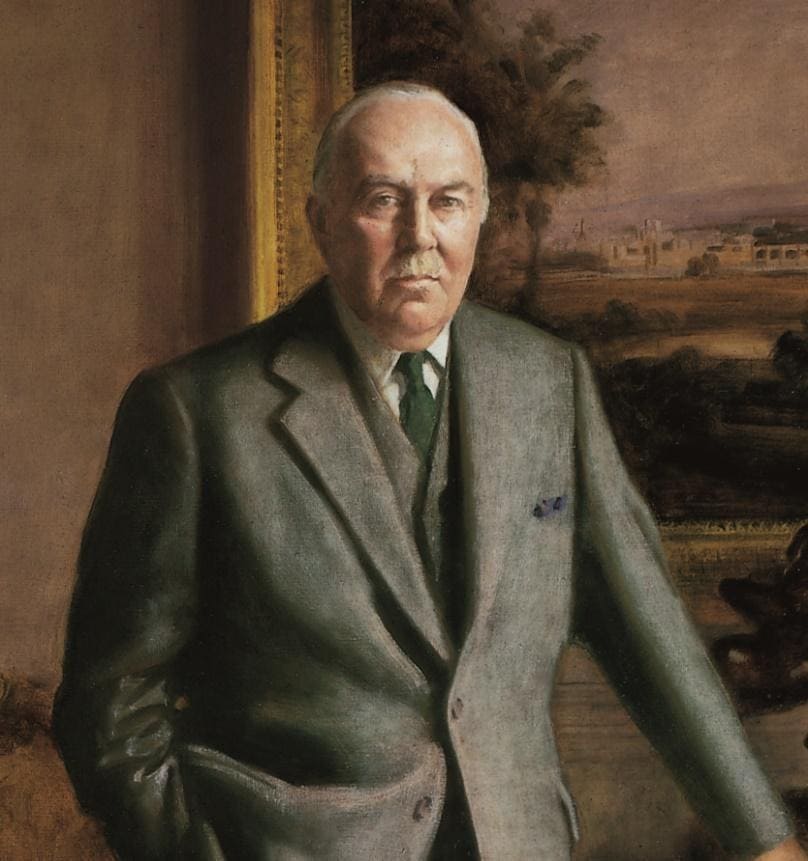
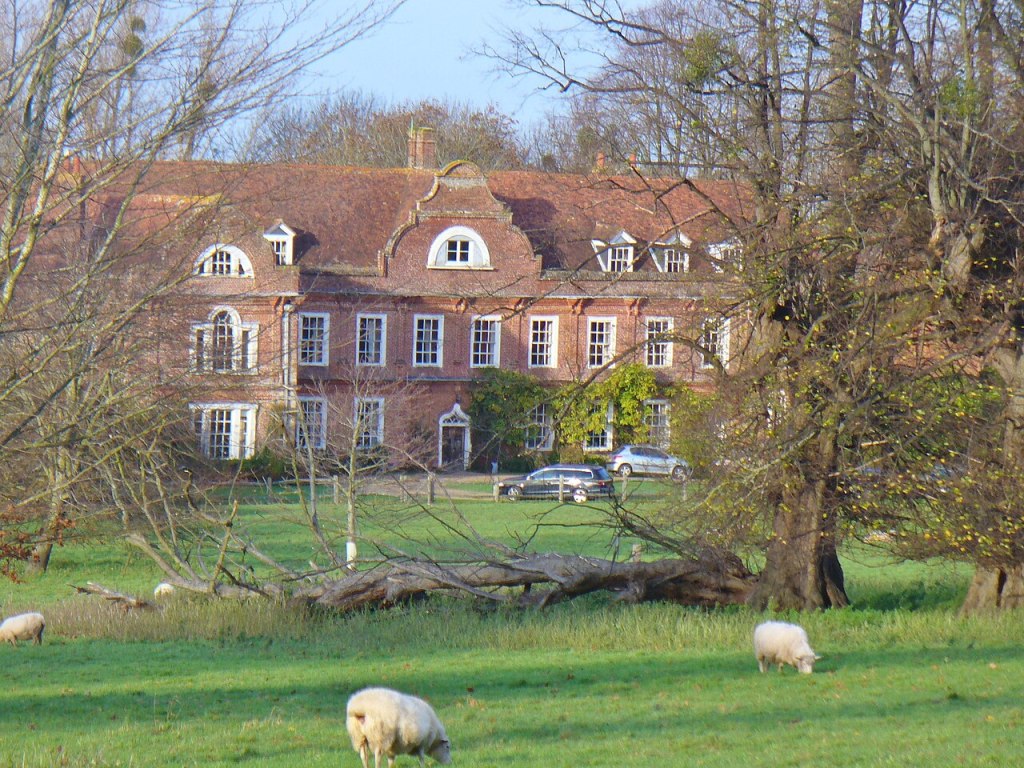
The Duchess (as she remained since she never remarried) moved to London and became one of the great patrons of the arts, supporting the Royal Ballet for decades. She inherited West Horsley Place in Surrey from her mother in 1967. This old house, close to Guildford, was a fifteenth-century wood-frame mansion owned by the noble Bourchier family, then the Courtenays in the sixteenth century until confiscated by the Crown at the downfall of the Marquess of Exeter in 1538. Edward VI re-granted it to Anthony Browne, Master of the Horse, from whom it passed to the Earl of Lincoln. It was remodelled in the era of Charles I in ‘Dutch Style’ with its prominent gabled ends. By the nineteenth century it was being used a s hunting lodge, then was purchased by the Marquess of Crewe and his wife in 1931. In 2014, the Duchess’s great-nephew Bamber Gascoigne (television presenter and quizmaster) inherited West Horsley Place and discovered a treasure-trove of furniture, paintings, carpets, objets d’art, and organised a massive auction to raise funds to restore the house and set up a trust for its maintenance. Not only is it the setting for the television series ‘Ghosts’, but it has been the location for several other films and shows. Since 2016, the grounds have also hosted the Grange Park Opera in a newly built theatre.
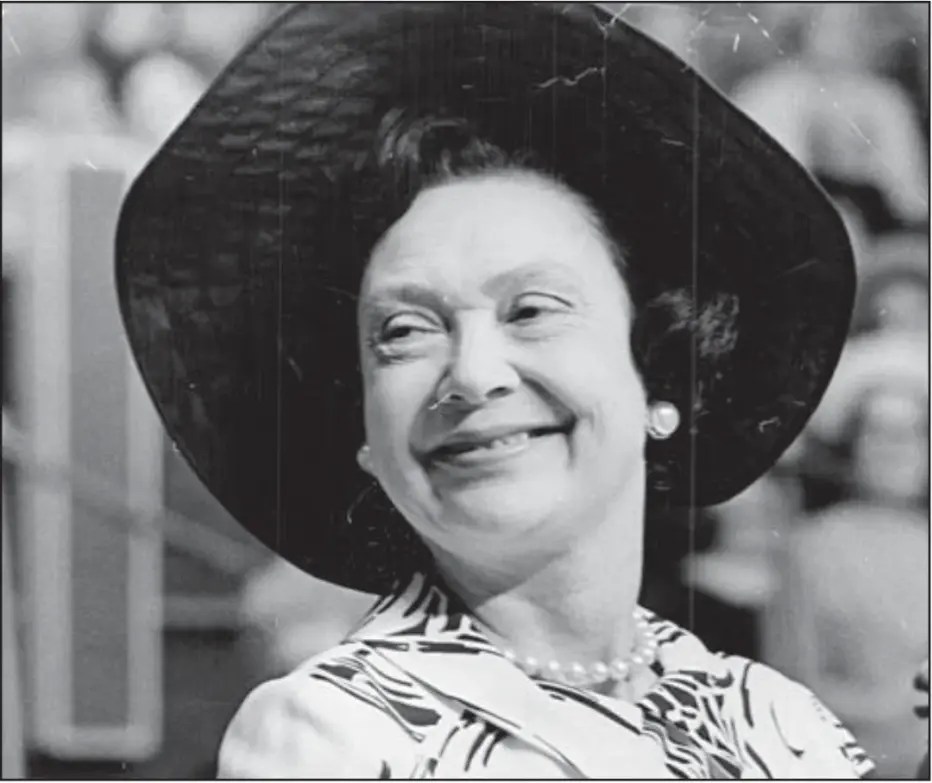
Guy, 10th Duke of Roxburghe, was the son of the 9th Duke’s second marriage. Like his father and grandfather, he was also a lieutenant in the Blues & Royals (the merged cavalry units of the royal household, whose colonel since 1998 has been Anne, the Princess Royal), with whom he served in the Falklands in 1982. In 1977, he followed in family tradition of marrying within the very highest circles of the British aristocracy with his marriage to Lady Jane Grosvenor, daughter of the Duke of Westminster. They had three children before divorcing, and he remarried interior designer Virginia Wynn-Williams.
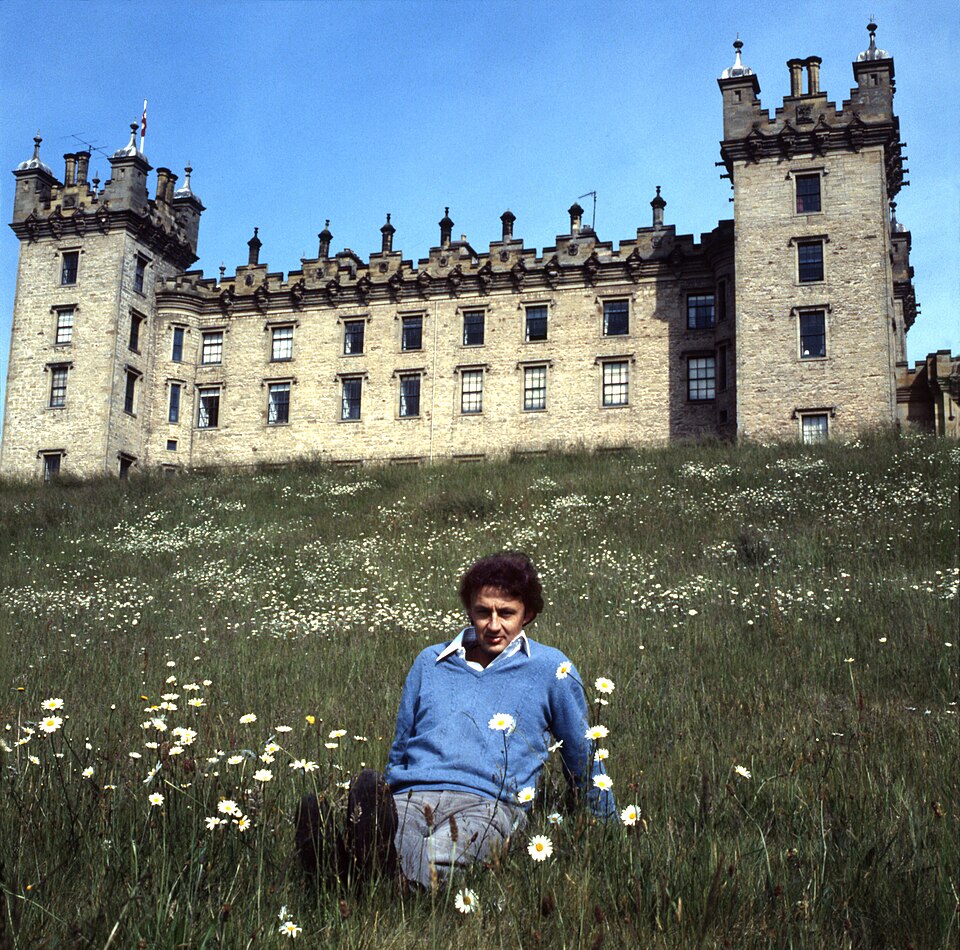
The 10th Duke died in 2019, so the running of Floors Castle and the still massive Roxburghe Estate (around 50,000 acres), fell to his elder son Charles. He too joined the Blues & Royals, in 2004, and served in Iraq (as Lord Bowmont). Since the war he has remained committed to military comrades in setting up a business employing former servicemen as chauffeurs. His heir, the current Marquess of Bowmont and Cessford, is Frederick Innes-Ker, born in 2024, who one day could inherit a fortune estimated at about 100 million pounds.
(images from Wikimedia Commons)

