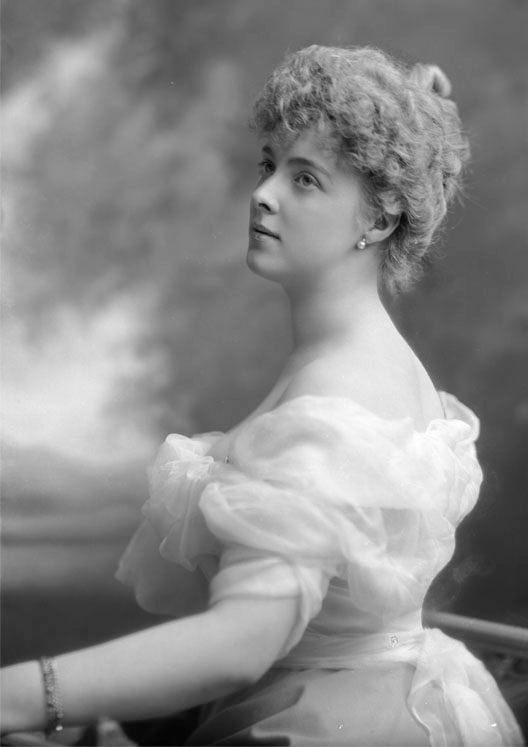
One of the things I like most most about reading about Europe’s historic dukes and princes are the stories that completely transcend nationalism or political boundaries—and in particular those set towards the very end of the high point of the aristocracy, the ‘golden summer’ of 1913 before it all came crashing down in the First World War. A perfect example of this is seen in the story of Daisy, Princess of Pless, an English aristocrat who married one of the richest men in the German Empire and tried to make use of her first-rate trans-national social connections to prevent war by hosting gatherings at her Palace of Pless in Silesia.
Today this palace is called Pszczyna and is no longer in Germany, but Poland. And the family Princess Daisy married into, the Hochbergs are no longer based in Silesia (or Śląsk in Polish). Although they were relative parvenues in the ‘Society of Princes’ (only since 1847), they were not newcomers to Silesia, having emigrated here from somewhere—it is unsure where—in western Germany in the late thirteenth century.
Although the Province of Silesia is now in Poland, for over six centuries it was part of the Holy Roman Empire and inhabited by a mixture of Poles and Germans. Originally a single duchy ruled by a branch of the Piasts—Poland’s first royal dynasty—by the thirteenth century Silesia was subdivided into numerous smaller duchies, which will have blog posts of their own. One of these divisions was called Schweidnitz and Jauer (or Świdnica and Jawor in Polish), and it was here where a German knight called Melchior von Hohberg (or Hoberg, later spelled Hochberg, ‘high mountain’, so could be from anywhere) arrived in service of Emperor Henry VII and established himself in a castle in Armenruh, west of Jauer, in about 1290. The Emperor was also the king of Bohemia, and at this point was working to subdue the independence of the local Silesian dukes—he and his heirs were successful, and for the next four hundred years Silesia was a part of the Bohemian Crown.
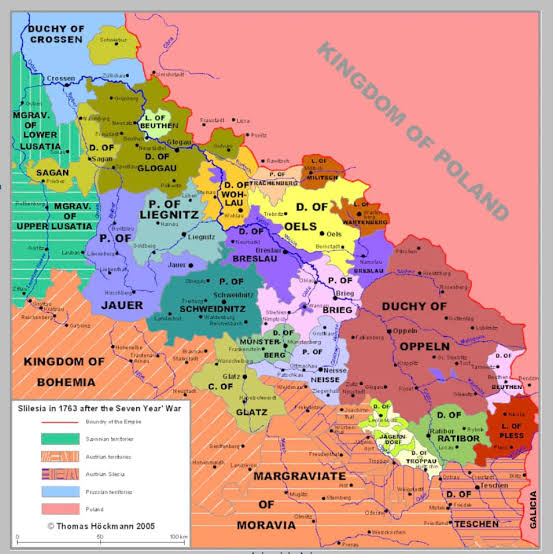
Armenruh was outside of Harpersdorf, now called Twardocice. There is a manor house here today, called Rochów, but it was built in the eighteenth century by a different family and is not part of the Hochberg-Pless story.
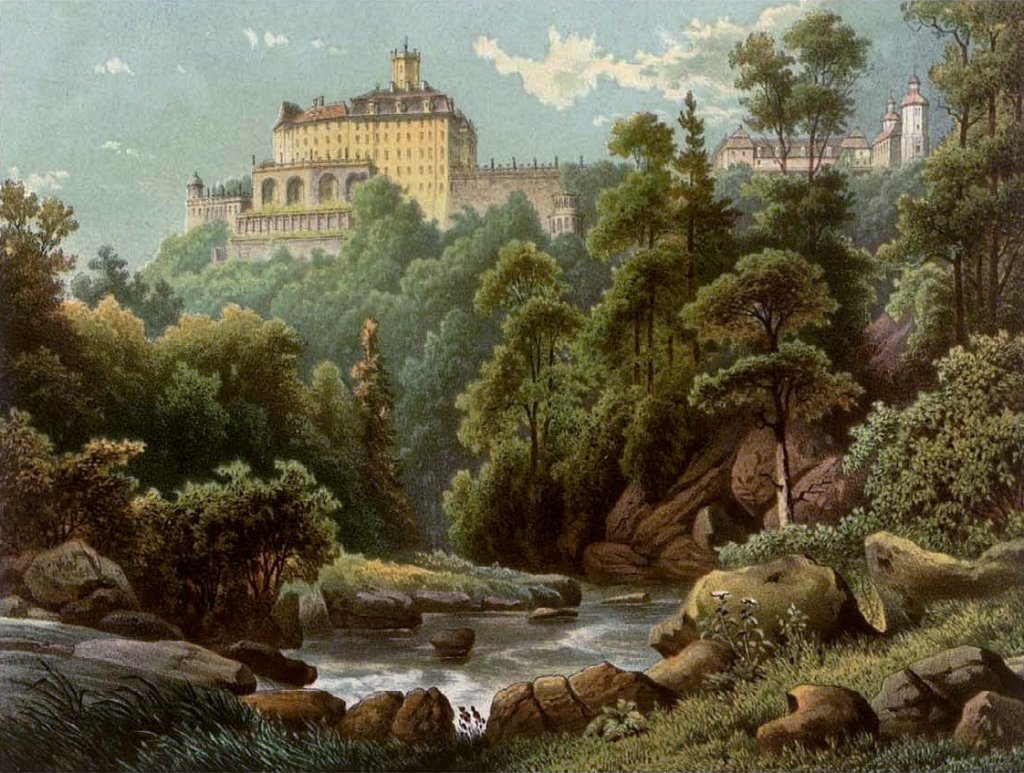
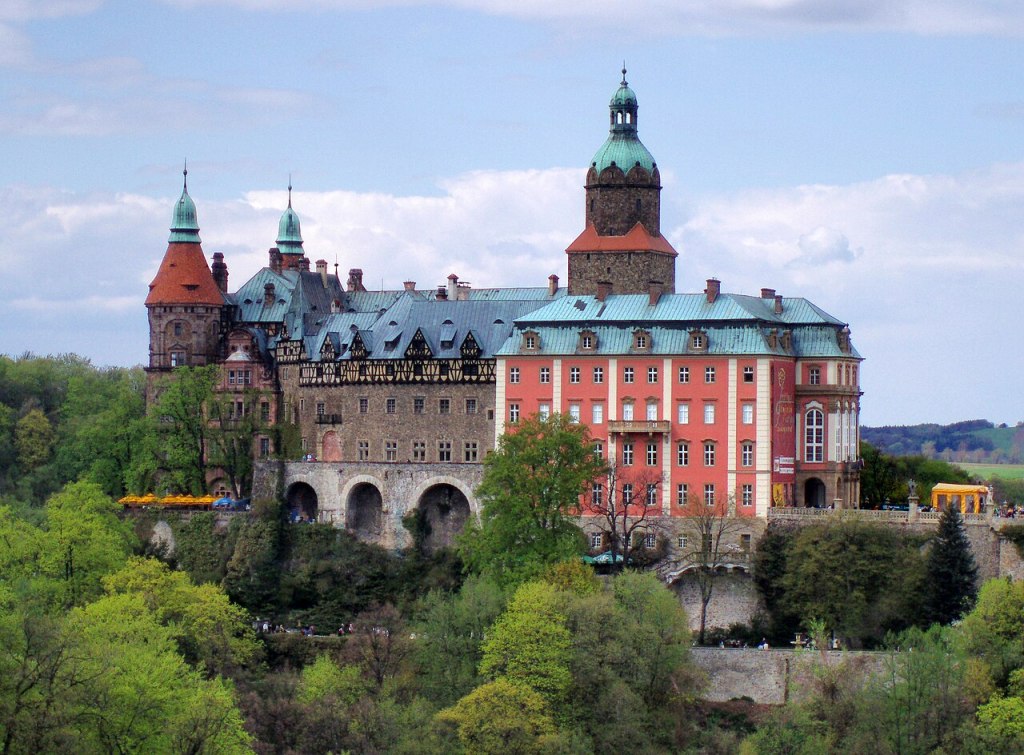
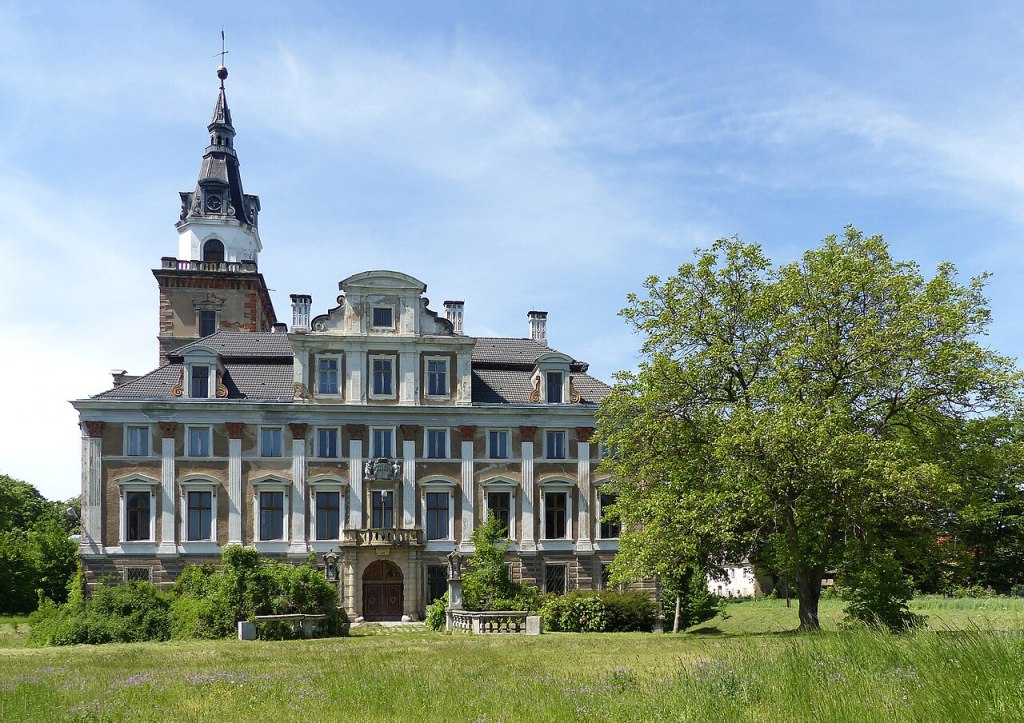
The descendants of Melchior von Hohberg served as administrators, judges and military defenders of Silesia in service to the kings of Bohemia for several centuries. The main line acquired a castle near Schweidnitz called Fürstenstein (below), while junior branches were established nearby at Güttmannsdorff and Buchwald—both of these cadet lines were raised to the rank of freiherr or baron in the early modern period, and while the former was extinct by about 1650, the latter continued until 1864. By that point, the senior line had established itself as one of the richest families in Germany—even in Europe—and had been elevated to the rank of Prince of Pless (or Pleß in older German orthography). A final cadet branch was established in the sixteenth century at Goglau (today’s Gogołów, also near Świdnica) and continues today.
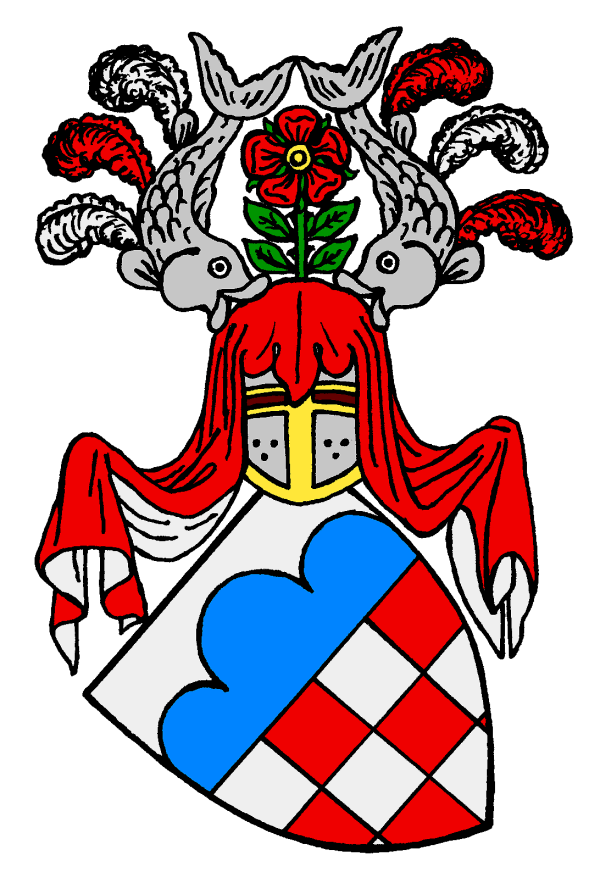
Konrad von Hochberg (d. 1520) was the first of his line to live at Fürstenstein Castle. He was also the Landeshauptmann (or ‘governor’) of the Duchies of Schweidnitz and Jauer for the Bohemian Crown, and served as a Privy Counsellor for kings Ladislaus II and Louis II. His wife Katharina was the daughter of another Landeshauptmann and Privy Counsellor, and bore the interesting surname ‘von Reibnitz’—familiar to royal watchers today as the maiden name of Princess Michael of Kent. This family’s history is quite similar to that of the Hochbergs, and their ancestral castle was not far away, also near Jauer (today spelled Rybnica in Polish).
The Castle of Fürstenstein, today called Książ, was built on earlier fortifications in the 1280s by Bolko I, Duke of Silesia-Świdnica-Jawor, to defend the frontiers of Silesia from the armies of the Bohemian king. Built on a rocky ridge, it is only a few miles still today from the Czech border. Its name means ‘prince’s stone’, though in its earliest form it was called Fürstenberg (‘prince’s mountain’), and today in Polish it is called Książ, which comes from the Polish word for prince (książę). A legend says a much earlier German king gave this mountain to a local coal miner, ennobled him, and asked him to build a castle to protect this ‘black gold’. And indeed it was coal, plus gold and other valuable minerals, that gave this part of Silesia its real value, for the medieval Piasts and the modern Hochbergs. Fürstenstein remained the seat of the Schweidnitz branch of the Piasts of Silesia until they died out in 1368 and their duchy—with the castle—was annexed directly by the Bohemian Crown, which soon granted it or sold it to various clients until another Bohemian ruling house, Poděbrady, bought it in 1442. The castle was badly damaged by an invading Hungarian army in 1480, and soon after acquired by the Hochbergs, who rebuilt it in the mid-sixteenth century in grand Renaissance style. It became famous as the seat of the family of Princess Daisy von Pless in the years leading up to the First World War. Taken over by the German state during World War II, the Nazis built extensive tunnels underneath the castle whose purpose is still mostly unknown. Possibly they were meant to be a place to hide stolen gold (some said the amber taken from Saint Petersburg) or maybe to hide the top command of the Third Reich if Berlin fell to the Allies. After the war, the castle was occupied by the Red Army, then in the postwar era served as a recreation home and cultural centre connected to the nearby town of Wałbrzych (or Waldenburg, a name reflecting the extensive forests in this area). It has recently been restored and opened for tourism: it is the third largest castle in Poland and has been described as one of the seven wonders of Poland. It is set in the large Książ Landscape Park which also includes a stud farm—originally built by the Hochbergs, where Silesian stallions are still bred. Discoveries continue to be made in the tunnels beneath the castle—some say there is still a train-load of stolen gold, just waiting to be found…
Although the Hochberg family became Protestant in the sixteenth century, as many of their Silesian noble neighbours and kinsmen did, they remained loyal to their liege lords, the kings of Bohemia, by now the very Catholic Habsburgs based in Vienna. Hans-Heinrich von Hochberg served as Privy Counsellor to successive emperors from Ferdinand II to Leopold I and as Landeshauptmann for Schweidnitz and Jauer, just as his ancestors had done. He was elevated to the rank of baron in 1650, then Bohemian count in 1666, a rank that was elevated further again for his son Hans-Heinrich II in 1683 to Imperial count. He held a slightly different office, Landesältester of the duchies of Schweidnitz and Jauer (‘state elder’ a representative of the local estates). He began a pattern of naming the eldest son Hans-Heinrich, which, in the mid-eighteenth century shifted so that all sons bore this name (perhaps influenced by this naming behaviour in the princes of Reuss?). Even some infants were given numbers, like Hans-Heinrich VIII and Hans-Heinrich IX, who each only lived a day or two at the turn of the nineteenth century.
Two marriages earlier in the eighteenth century brought the Hochbergs into the spheres of the higher German aristocracy, when Hans-Heinrich IV and his son Hans-Heinrich V both married countesses from the dynasty of Stolberg-Stolberg (imperial counts based in the Harz mountains). Reaching even higher, Count Hans-Heinrich VI married in 1791 Princess Anna Emilie of Anhalt-Köthen-Pless. Her father was a cadet of the ancient House of Anhalt, who had his own very small duchy, that of Pless, on the other side of Silesia. So we need to back up a bit and look at the second major property of the House of Hochberg-Pless.
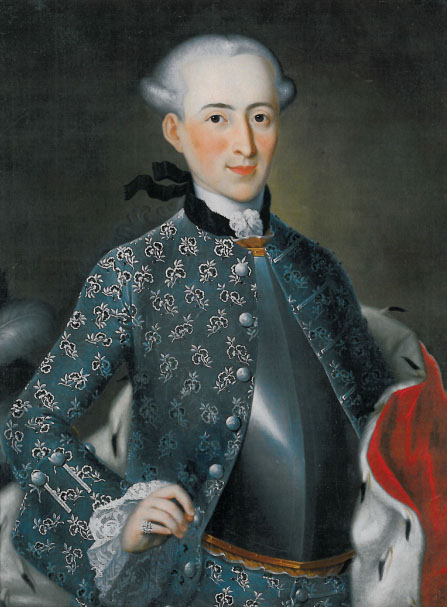
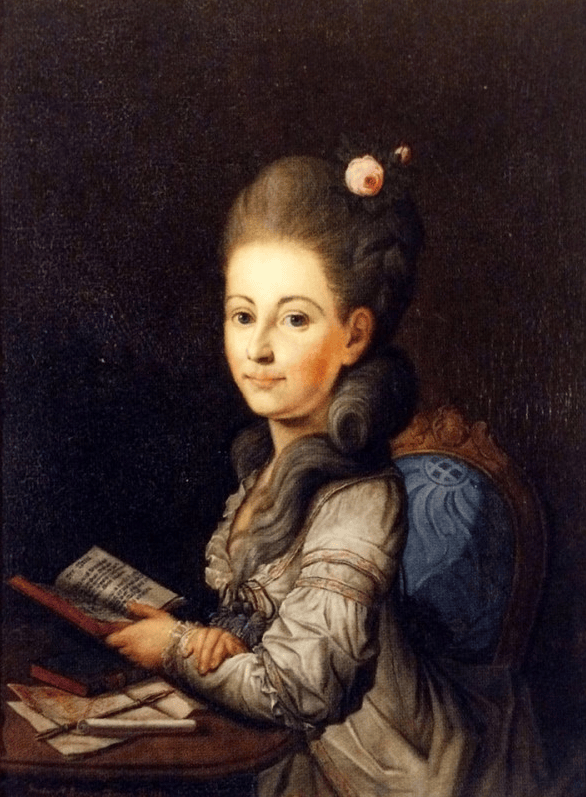
The estates around the town of Pless, in Upper Silesia (whereas Fürstenstein is in Lower Silesia), were erected into their own Piast duchy in 1424 for one of the members of the line of dukes of Ratibor (Polish Racibórz). It too was purchased by the Bohemian Poděbrady family and held by a branch of that princely family (the dukes of Münsterberg) until 1480 when it was sold to the duke of Teschen, then to the Hungarian magnate family Thurzó in 1517. By this point it was no longer considered a duchy like the others in Silesia, but a ‘state country’, one of the feudal units of the Bohemian Crown that granted much autonomy to its owner. Pless was a relatively large lordship—at this point, including three towns and fifty villages. In 1548 it was sold yet again, now to the Bishop of Breslau, whose family, von Promnitz, owned it until 1765, when it was inherited by the Prince of Anhalt-Köthen.
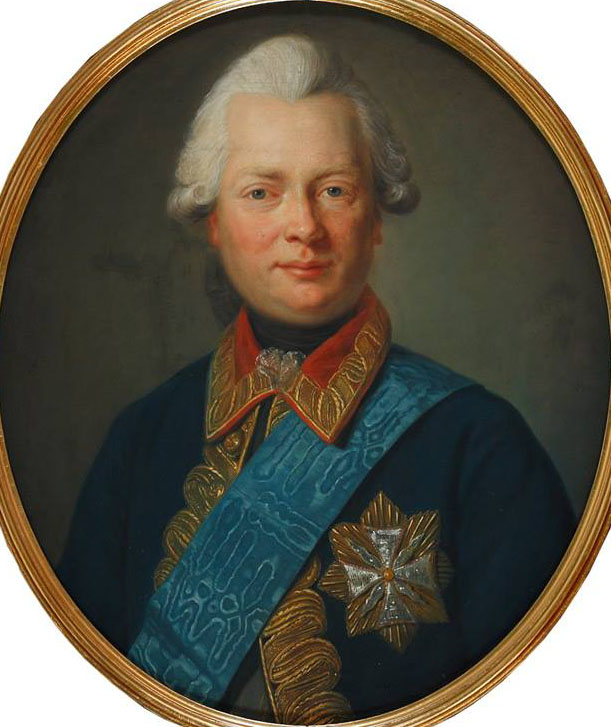
The dynasty of Anhalt was one of the oldest princely houses in the Holy Roman Empire, a branch of the Ascanians, though their political reach had diminished quite a bit since the Middle Ages. Their base was near the Harz mountains in the centre of Germany, but like so many imperial dynasties they were keen to expand their holdings in the east. The Lordship of Pless was given to a younger son of the Prince of Anhalt-Köthen, Friedrich-Erdmann, who adopted the title Prince of Anhalt-Pless. By this point Pless was no longer subject to the King of Bohemia (ie the Habsburgs), but the King of Prussia, a Hohenzollern—and a Protestant, which eased religious tensions in Silesia significantly. When Friedrich-Erdmann died in 1797, he was succeeded as Lord of Pless by his son Friedrich-Ferdinand, who succeeded his cousin to the higher title of Anhalt-Köthen in 1818, so ceded Pless to his brother Heinrich. A year before, the King of Prussia had raised the lordship (or ‘state-country’) to a principality, but in 1830, the King stripped all of these Silesian territories of their semi-autonomous powers, notably rights to oversee matters of local judiciary, religion and education (in practice, however, they retained much of this authority until 1918). Heinrich also became Prince of Anhalt-Köthen, in 1830, so ceded the Principality of Pless to his brother Ludwig, but when the latter died in 1841, it returned to Heinrich. When he died in 1847, the bulk of the Anhalt-Köthen lands passed to the senior branch of the dynasty, Anhalt-Dessau, but the Principality of Pless followed a more direct path and was inherited by his nephew, the son of his sister, Princess Anna Emilie of Anhalt: Count Hans-Heinrich X of Hochberg-Fürstenstein.
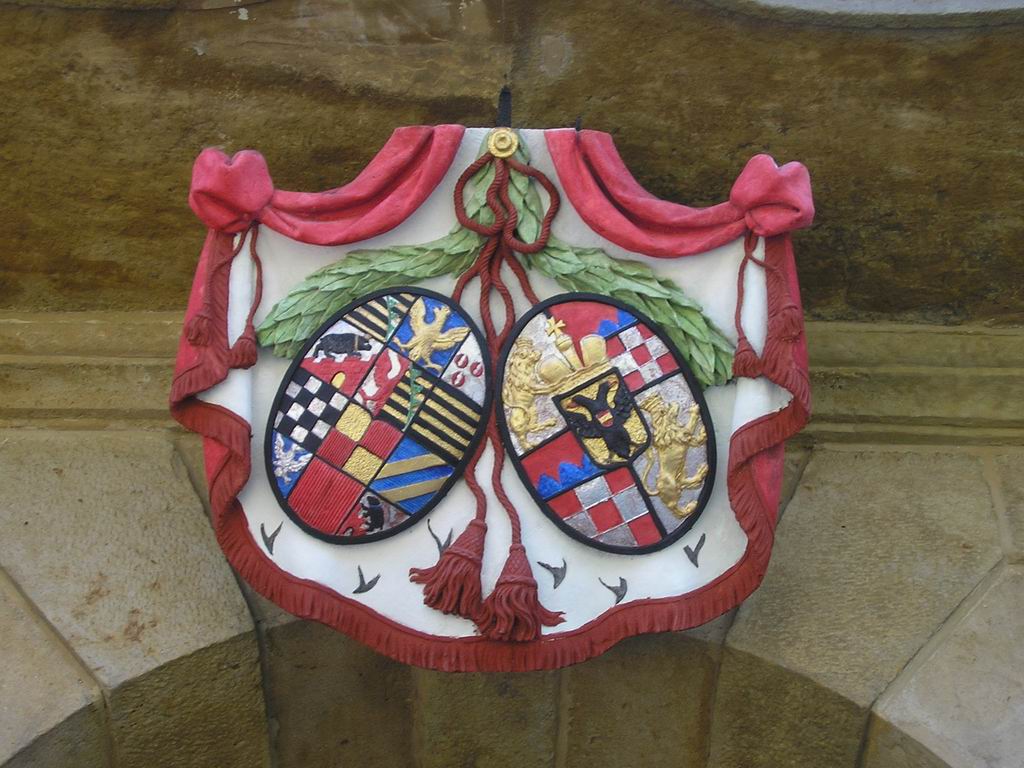
Pless was located east of the town of Ratibor, close to the border with Poland on the road towards Krakow. It was a market town formed around a castle from the thirteenth century. The Promnitz family rebuilt the old castle in the sixteenth century as a Renaissance palace, and after a fire, remodelled it again in the next century in Baroque style. One of its most prominent residents at this time was the composer Georg Philipp Telemann when he served as capellmeister for a von Promnitz when he was minister for the King of Poland. During the Hochberg era, the Palace of Pless was remodelled again in the 1870s (in ‘baroque-classical’ style). Occupied by German officers in both world wars, it was formally taken over by the state in 1936—the Polish state, since, unlike most of Silesia, Pless was close enough to the frontier in the early 1920s to benefit from a plebiscite by which its inhabitants (75%) voted to become part of the new Republic of Poland—it had long retained a larger percentage of Poles (about 85%) than other areas of Silesia. Today Pszczyna Castle houses the town museum.
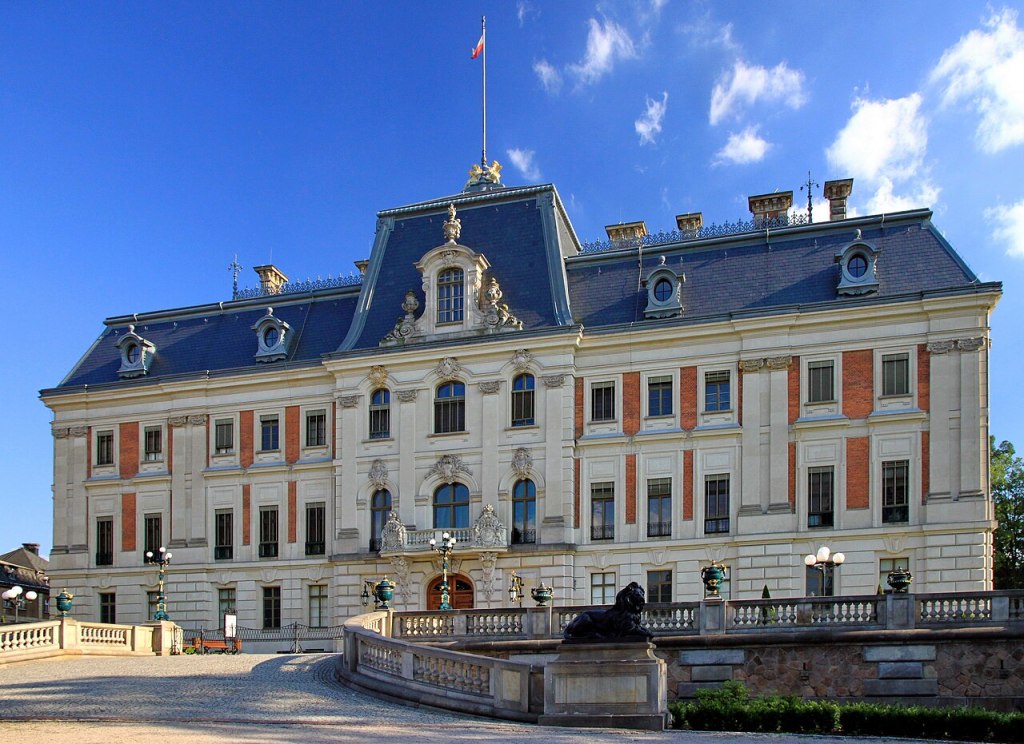
By the mid-nineteenth century, the real value of both Pless and Fürstenstein was clear to the Hochberg family: the ‘black gold’ of coal: Hans-Heinrich X, Count of Hochberg, Prince of Pless and Baron of Fürstenstein, was the owner of six coal mines in the area of Pless and three around Fürstenstein. He held prominent positions in the Province of Silesia and in the Kingdom of Prussia itself: he was Marshal of the Silesian Landtag and a hereditary member of the House of Lords of Prussia, serving as its President for a term in 1854-55. He died that year and passed his wealth and political posts on to his eldest son, Hans-Heinrich XI. The 1st Prince of Pless had three other sons, who held the rank of count (only the head of the family was ranked as a prince): Hans-Heinrich XII who died as an infant, Hans-Heinrich XIII (‘Konrad’) who died at 21, and Hans-Heinrich XIV (‘Bolko’) who had a long and prosperous life.
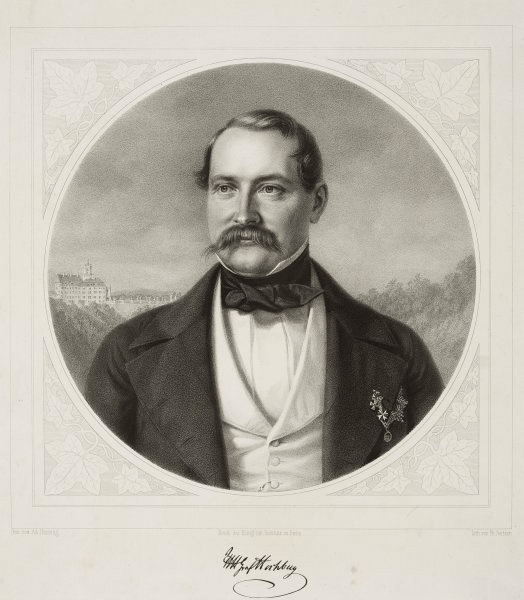
This Count Bolko served in the Prussian military and the diplomatic corps, but was best known as a composer and musical administrator. He wrote symphonies, concertos and choral music, and an opera ‘Die Fürstensteiner’ in 1876. He founded a music festival that same year in Silesia which he led until 1925. In 1886, Bolko was appointed Director-General of the Royal Theatre in Berlin, and notably was responsible for bringing Richard Strauss to Berlin in 1898 as orchestra director of the court opera. He resigned from his post in Berlin over a clash with the royal court and retreated to his country house at Rohnstock. In 1913, perhaps to try to reconcile, the Emperor gave him the honorific title of ‘Prussian royal professor’. He died in 1926 and left descendants, who today represent the Hochberg-Pless family, as we will see below.
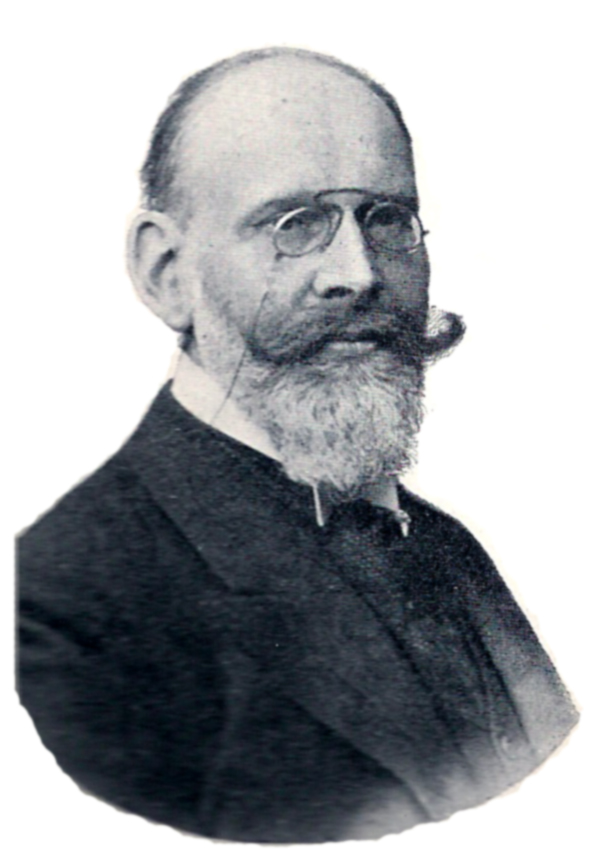
Rohnstock had been one of the properties near Jauer held by the Hochbergs since the late fifteenth century. It was rebuilt as a Baroque palace in the 1720s, and received Frederick the Great as a guest in 1745 after one of his victories that led to Silesia being annexed to Prussia. Remodelled again by Count Bolko in the 1860s in ‘new-Renaissance’ style, it was held by his descendants until confiscated in 1947 (and at the same time all the German residents of the town were expelled). Today Roztoka is again privately owned, and under renovation.
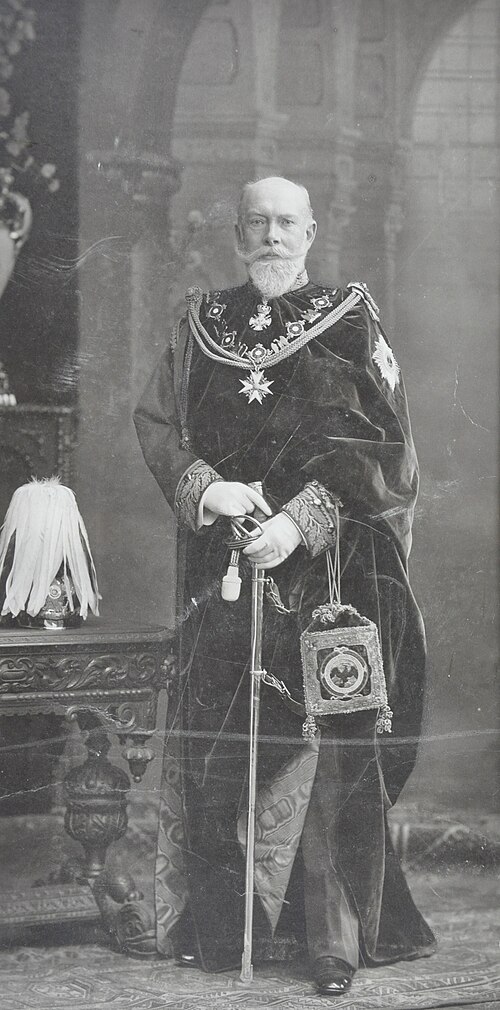
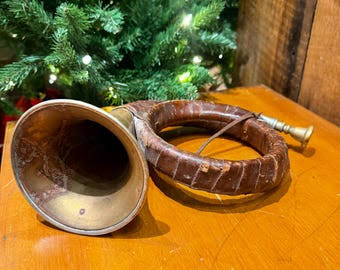
The 2nd Prince of Pless, Hans-Heinrich XI, occupied similar political seats as his father in the Silesian and Prussian parliaments, but rose further through personal connections with Kaiser Wilhelm I, for whom he served at court as Oberstjägermeister, or Grand Master of the Hunt. Indeed, the ‘Fürst-Pless-Horn’ was named for him and used in the imperial hunting parties. Wilhelm II also favoured him and in 1905 granted him a higher title, Duke of Pless, but only for his lifetime. He was a leader of the Free Conservative Party in the Prussian House of Lords, aristocratic landowners who fought to preserve their rights over their estates (and their tenants)—but this doesn’t necessarily imply feudal oppression; the Duke of Pless was well-known for his concern for workers rights on his estates and developed pension plans and social welfare (schools, hospitals). He was promoted to the Prussian Council of State in 1890 and remained influential until his death in 1907.
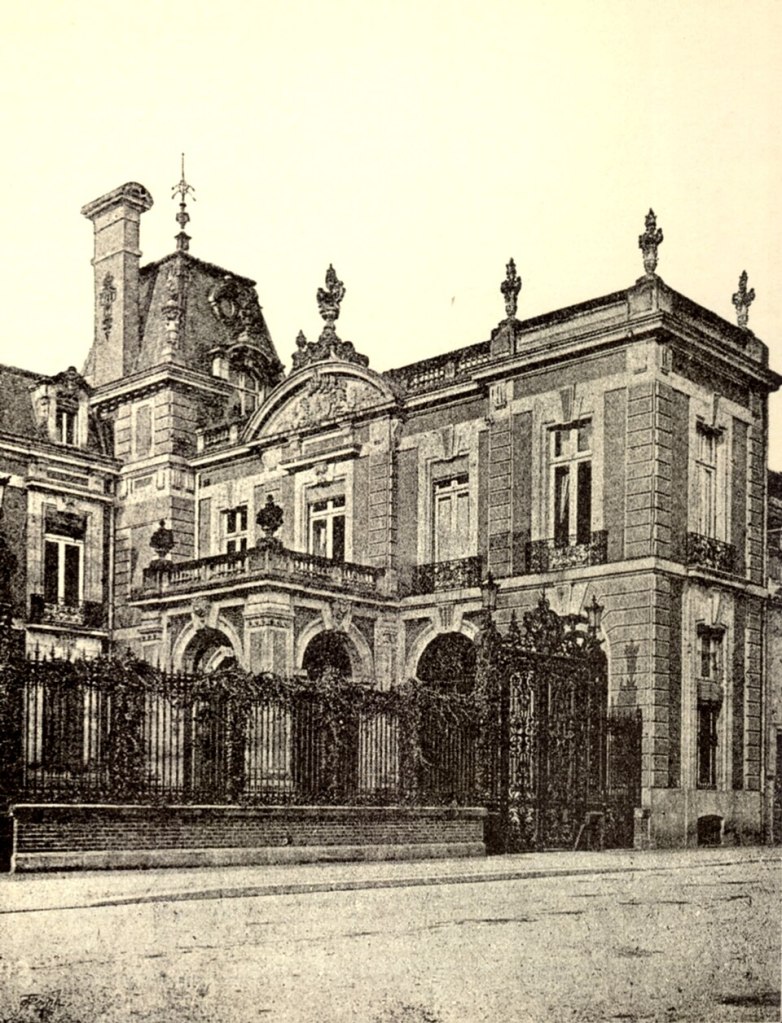
Naturally, the Hochberg family needed a seat in the capital, so in 1873, Hans-Heinrich XI commissioned a French architect to design a grand residence in the style of the French Renaissance (which raised eyebrows so soon after the end of the Franco-Prussian war). Located on the Wilhelmsplatz in the very heart of Berlin, its neighbour was the Imperial Chancellery building, and when in 1913 plans were made to expand that building, the Palais Pleß was torn down.
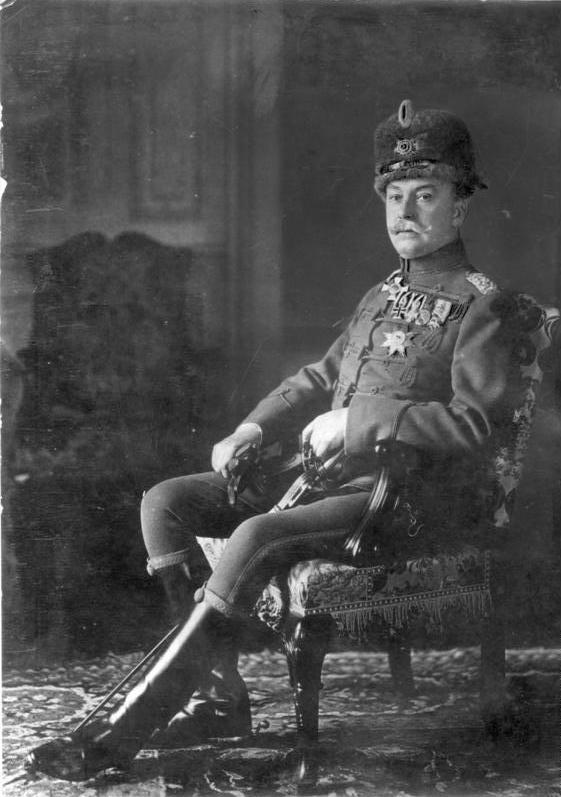
Hans-Heinrich XI had several sons who, breaking the pattern, were not all named Hans-Heinrich (though intriguingly, it was in the previous generation in which actual kinship link was made with the House of Reuss, as Countess Anna Karolina married two Reuss brothers, in succession, from the branch of Reuss-Köstritz, Heinrich XII and Heinrich XIII). His eldest son however was indeed given the traditional family name: Hans-Heinrich XV, the future 3rd Prince of Pless. As a young man he travelled around the world, on hunting trips in India and North America; in the 1880s he joined the diplomatic corps and was posted in Brussels and Paris, then in London in 1890, where he met the young and beautiful English aristocrat Mary Theresa ‘Daisy’ Cornwallis-West, and they married the following year. His father gave them Fürstenstein Castle as a wedding present and it was there they made their home.
Daisy Cornwallis-West was born in 1873 at Ruthin Castle in Denbighshire, in North Wales. Her family ancestry is interesting and very entangled within the high aristocracy of Great Britain and Ireland. Her great-grandfather, Hon. Frederick West, third son of the 2nd Earl De La Warr (d. 1777), was part of the wider Sackville-West clan, and in 1798 married an heiress, Maria Myddleton of Chirk. The Myddletons had owned Ruthin Castle since the 1630s—the ancient fortress of Prince Dafydd of Gwynedd built in the 1270s, rebuilt as the seat of the mighty Greys of Ruthyn and held by them until the sixteenth century. Frederick West’s son Frederick Richard Myddelton West was MP for Denbigh and in 1827 married another heiress, Theresa Cornwallis Whitby. Her father, Captain John Whitby, had been the bosom friend of Admiral Sir William Cornwallis, naval commander in the American War of Independence then in India (and brother of Lord Cornwallis, the more famous general who surrendered at Yorktown). Admiral Cornwallis had no children, and was looked after in old age by Whitby and his wife Mary Anne—née Symonds, later famous for her work with silkworms and correspondence with Charles Darwin about breeding and natural selection—so he adopted their daughter Theresa as his heir in 1819. Her son Colonel William Cornwallis-West had a distinguished military career then late in life was appointed Lord Lieutenant of Denbighshire. His wife, Mary ‘Patsy’ FitzPatrick, came from an ancient line of Irish aristocrats, descendants of the Barons of Upper Ossory. She was a society beauty and had an affair with the Prince of Wales (who didn’t?), resulting, it was thought, in a child: George Cornwallis-West, born in 1874. The Prince of Wales was his godfather, so at least spiritually acknowledged his paternity, and George later married the widowed Jenny, Lady Randolph Churchill, making him the stepfather of Winston Churchill, though they were just over two weeks apart in age. Patsy also gave birth to two daughters who were also society beauties in their turn in the late 1880s: Mary Theresa, known as ‘Daisy’, who became Princess of Pless, and Constance, known as ‘Shelagh’, who became Duchess of Westminster.
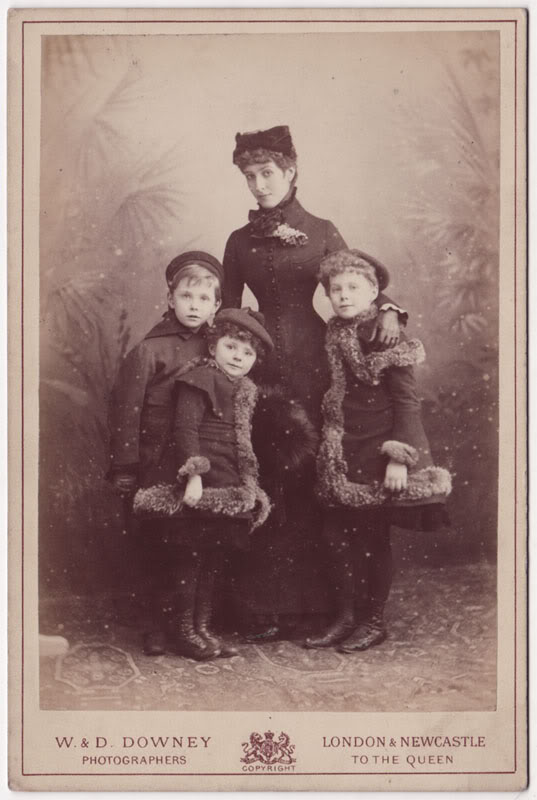
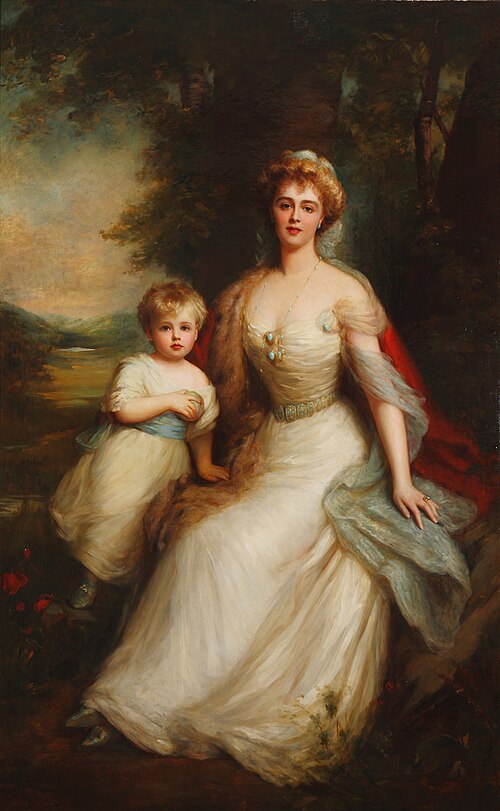
Daisy, Princess of Pless, was thus deeply entrenched in the upper class social and political circles of turn-of-the-century Britain. With her husband’s great fortune and connections at the Hohenzollern court in Berlin, she made great efforts to maintain the peace between these two expanding and ambitious imperial powers. She hosted Edward VII and Wilhelm II at her residences in Silesia, and in 1900 named her firstborn son Hans-Heinrich Wilhelm Albert, with both monarchs as his godfathers (Albert since King Edward was still Prince of Wales at the time). The Princess also used her status to try to bring about social reforms in Germany to align with more liberal practices in Great Britain—perhaps in the spirit of Wilhelm II’s British liberal mother, Princess Victoria, who died in 1901 (though her influence was certainly rejected by her son). Interestingly, there was a second British-born member of the Hochberg-Pless family at this time: Daisy’s husband’s uncle, Count Friedrich von Hochberg, in 1905 married Hon. Elizabeth Burke-Roche, daughter of the 1st Baron Fermoy. This was a marriage pretty late in life (she was in her forties) and I know nothing more about her, but it is interesting that this marriage connects the Hochbergs of the twentieth century with the British royal family, since Fermoy’s grandson, the 4th Baron, married a close confidante of the Queen Mother, and it was this Lady Fermoy who was instrumental in arranging the marriage of her granddaughter Lady Diana Spencer to the Prince of Wales in 1981.
Going back to late nineteenth-century Germany, Hans-Heinrich XV von Hochberg was, like his father, a leader of the Free Conservative Party in the Prussian House of Lords in the 1890s (he was given a seat there in advance of his father’s death by Wilhelm I in 1883) and served as Vice-President of the Province of Silesia from 1897 to 1918. His financial reputation was known, and in 1902 he was sent to the United States to develop economic ties with President Theodore Roosevelt and visit industrial works in Pennsylvania. He lost money, however, through his and his wife’s lavish lifestyle and their grandiose rebuilding and refurbishment of Fürstenstein Castle, but managed to make up most of his losses by investments in industries during the First World War. Though he had spent much of his political life being a vocal German nationalist (proposing at one point towards the end of the war, seeing the imminent collapse of the German Empire, an independent Upper Silesian state, with himself as duke), and opposed the referendum to join Poland in 1921, he nevertheless acquiesced to fate and became a Polish citizen in 1922. He even began to celebrate Polish nationalism, claiming descent himself from the ancient Piast royal dynasty (probably through his ancestor the Princess of Anhalt-Köthen), as did his second son, Count Alexander.
Hans-Heinrich also divorced in 1922, finally ending the long partnership with Princess Daisy, and remarried Clotilde de Silva, daughter of the Marques de Arcicóllar, Spanish ambassador to London, in 1925. But his last years were covered in scandal when his youngest son, Bolko, had an affair with his stepmother, and got her pregnant: a swift divorce and re-marriage in 1934 could not stop the chattering classes. The aging Prince also tangled with the Polish government in the late 1930s over taxes and ultimately agreed to cede his vast coal mines to the state, losing over 50% of his assets. He died in the Ritz Hotel in Paris in 1938. Princess Daisy also became a Polish citizen the same year as her divorce, though she continued to live in both Pless in Poland and Waldenburg in Silesia, still part of Germany, and continued to act in the public eye, founding a cooperative for lace workers and a school for disabled children—she herself was mostly wheelchair-bound due to multiple sclerosis. Daisy von Pless published a memoir about her life as a German princess which was a huge success. She died in Waldenburg in 1943.
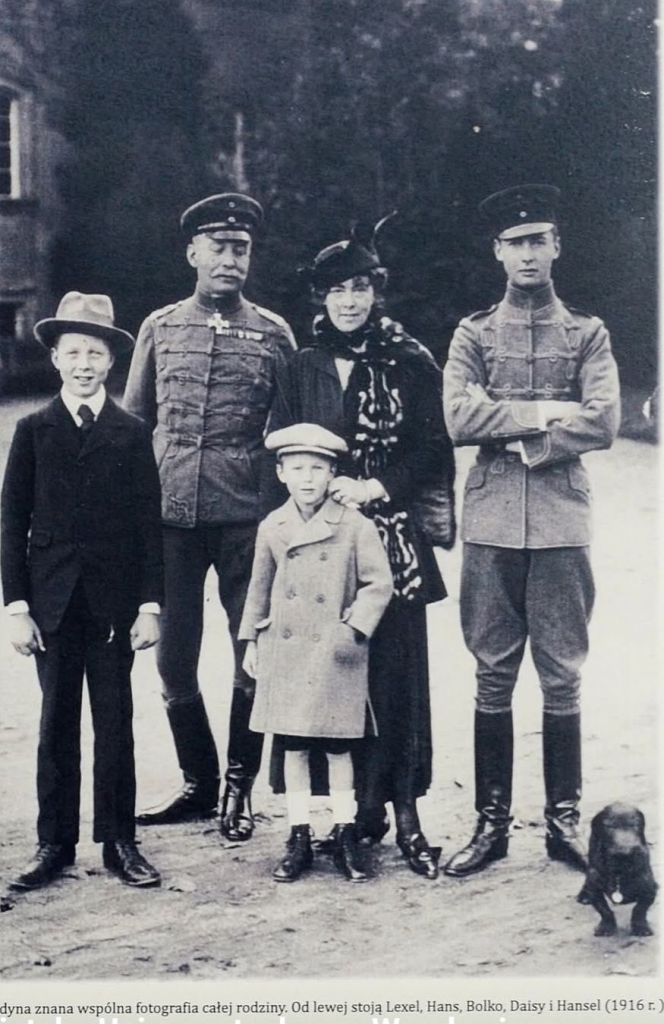
The Prince and Princess of Pless had three sons (and the Prince also had a daughter from his second marriage): Hans-Heinrich XVII (known as ‘Hansel’), Alexander (‘Lexel’) and Bolko. The eldest had just started his career as a young officer in the cavalry of the Prussian Life Guard, but after the collapse of the German Empire in 1918, at first laid low. As 4th Prince of Pless (nominally since titles were abolished) he married another German aristocrat, Countess Marie von Schönborn-Wiesentheid, in 1924, then emigrated to the United Kingdom in 1932 and served in the British army. He divorced in 1952, and soon re-married an Anglo-Irish aristocrat, Mary Minchin, of Busherstown House in County Tipperary.
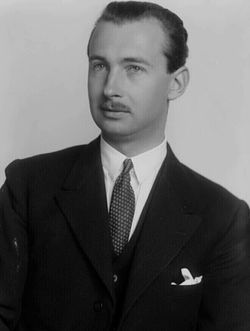
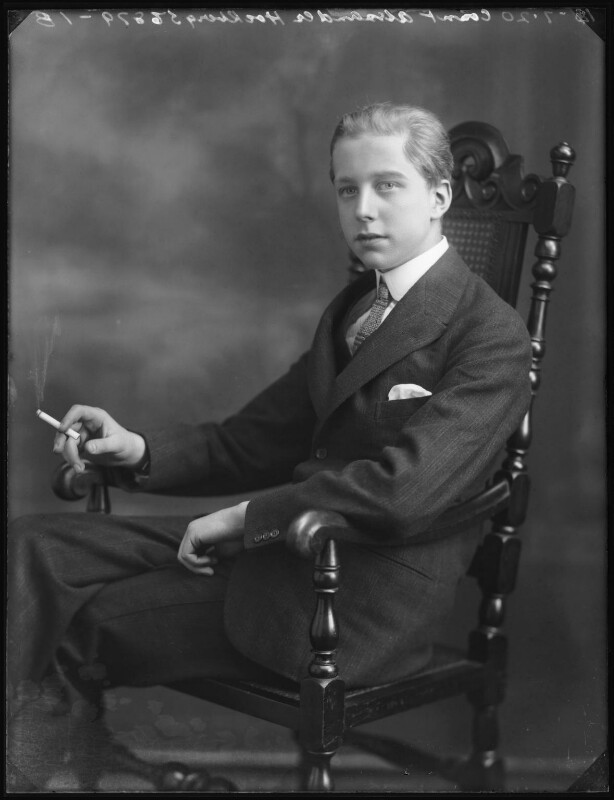
The 4th Prince of Pless (known in England as ‘Hansel Pless’) died in January 1984 and was for a month succeeded by his brother Alexander. ‘Lexel’ was his mother’s favourite, but also managed to scandalise high society by organising a social club, the ‘Lila Klub’ in 1924 to host gay orgies at Fürstenstein Castle. He spent two months in prison, then in 1927 was sent out of Germany by his father to study economics at Oxford, though he didn’t complete his degree. In 1930, his mother tried to arrange what would have been an amazing marriage for him and for his family, to Princess Ileana of Romania (whose mother Queen Marie was also British born and a friend of Princess Daisy), but when she learned of his past, the Princess broke off the engagement. Alexander adopted a Polish identity in the 1930s (adopting the surname Pszczyński—‘from Pszczyna’), and at the start of the Second World War moved to Paris to join the Polish exile army. He took up a position as security guard for the Prime Minister of Poland in exile, General Władysław Sikorski, undoubtedly making good use of his connections with British high society (including via his uncle, George Cornwallis-West). After the war he settled on Majorca and eventually legally adopted his companion Max. Lexel was 5th Prince of Pless for just a month in 1984.
The succession passed to his nephew, Bolko, born in 1936—the child of Count Bolko and his former stepmother Princess Clotilde. Though neither Pless nor Fürstenstein were held by the family, he made a career in Bavaria, and after the fall of Communism in Poland, began to visit his ancestral homes and aid in their development as museums and cultural centres.
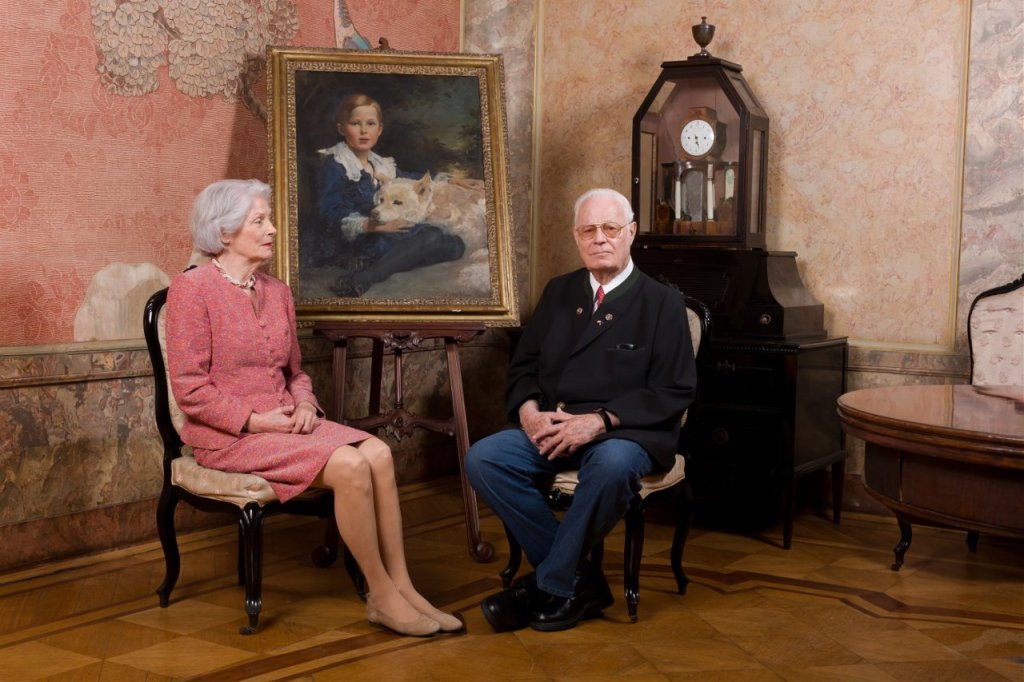
The 6th Prince died in 2022, leaving only a daughter, Felicitas. So he chose as his successor his cousin Count Peter, from a junior line (called Hochberg-Rohnstock), a descendant of Count Bolko, the composer. Peter’s elder brother, Count Hans-Heinrich XIX and his son, Hans-Heinrich XX (‘Constantin’), both renounced in 2003. Another cousin, Count Michael (b. 1943), married into the higher European royal circles when in 1982 he married Princess Marie of Hanover, the elder sister of Prince Ernst August, the current claimant to the throne of Hanover. Peter (b. 1956) now uses the title 7th Prince of Pless and actively encourages relationships between his family, its history, and the two properties at Książ and Pszczyna in Poland, as see in a cute video hosted on the latter castle’s website: https://zamek-pszczyna.pl/zamek-rodzina-i-swieta-wyjatkowy-wywiad-z-ksieciem-von-pless/. The longevity of the of the Principality of Pless may have been short but the interesting characters in the family will live on.
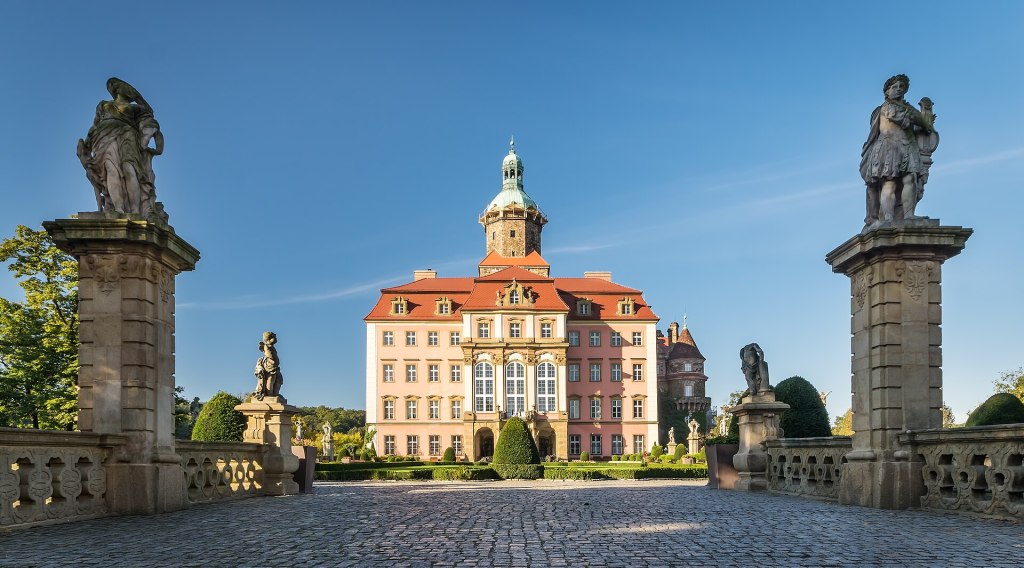
(images Wikimedia Commons)

