There’s a strange corner of northwest Italy where the Apennine mountain chain crashes into the sea creating narrow valleys and deep seaports that were contested by rival powers for centuries, at the intersection between the provinces of Liguria, Tuscany and Lombardy. Because of this rivalry and the complex geography, numerous small fiefdoms maintained a precarious independence in the face of larger regional powers—Genoa, Florence, Milan. They claimed to owe allegiance to none of these, but directly to the Holy Roman Emperor, long after most of these northern Italian states had ensured that their vassal status to the Empire was nominal at most. By the seventeenth century, most of these tiny imperial fiefs were absorbed into their larger neighbours, but two of them, Massa and Carrara, continued to exist as tiny microstates, ruled by the same family yet separate, one a duchy and the other a principality, until finally they too were swallowed up by the Duchy of Modena in the early nineteenth century.
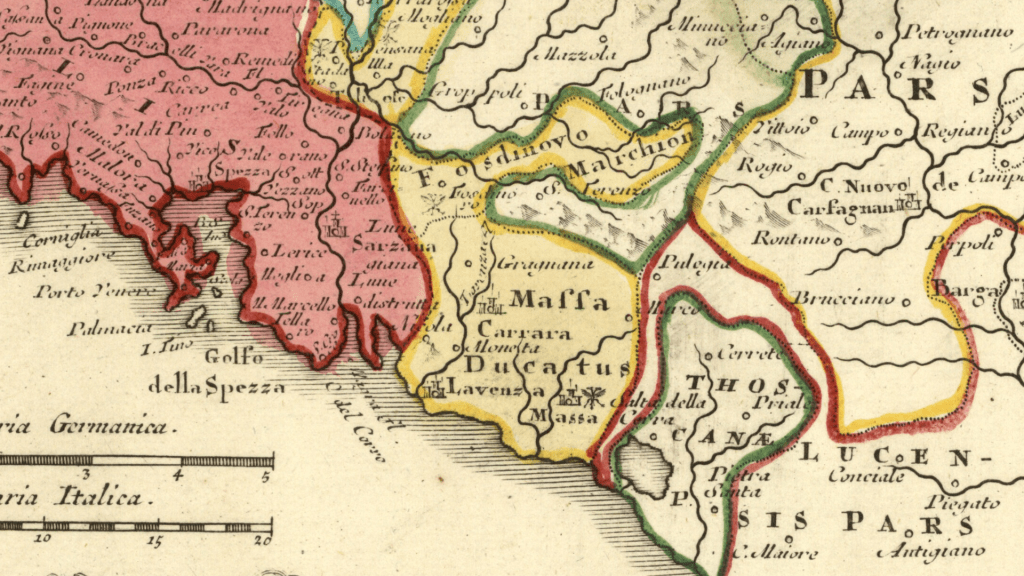
The ruling family here was actually two families in succession: first Malaspina, one of northern Italy’s oldest noble houses, then Cybo, a Genoese family that vaulted into premier ranks thanks to the election of one of its sons to the papacy as Innocent VIII in 1484. Like most papal families, they aspired to acquire a sovereign territory to rule as princes, and they did, when the Pope’s grandson Lorenzo Cybo married Ricciarda Malaspina, Marchesa of Massa and Lady of Carrara. The Cybo-Malaspina family then governed the two small imperial fiefs—Massa elevated to a principality in 1568 then a dukedom in 1664; Carrara to a principality the latter year—until the last Duke-Prince died in 1731. His daughter, now sovereign Duchess-Princess of Massa and Carrara, soon after married the heir to the Este duchies directly across the mountains, Modena and Reggio. Even after the tumults of the Napoleonic wars, the two small states retained their autonomy within the wider Este state (now ruled by a Habsburg cadet prince who took the name Habsburg-Este) until they were finally fully incorporated in 1836. Today the province of Massa-Carrara, still wedged between the mountains and the sea, is part of the Region of Tuscany.
This part of Italy is most famously known for its luscious white marble, quarried from the local mountain range called the Apuan Alps. The name Carrara itself comes from the Latin word for ‘quarry’ (which seems to come from an earlier Ligurian word kar for stone). The Romans had used marble from here for their temples and civic buildings as early as the second century BC, for example in the Pantheon or Trajan’s Column, and Carrara marble would remain world famous well into the modern age. Some of my personal favourites in the world of sculpture were created from Carrara marble, like the shockingly lifelike works of Bernini and Canova (not to mention Michelangelo’s David), and most recently the striking Sheikh Zayed Grand Mosque in Abu Dhabi, completed only in 2007.
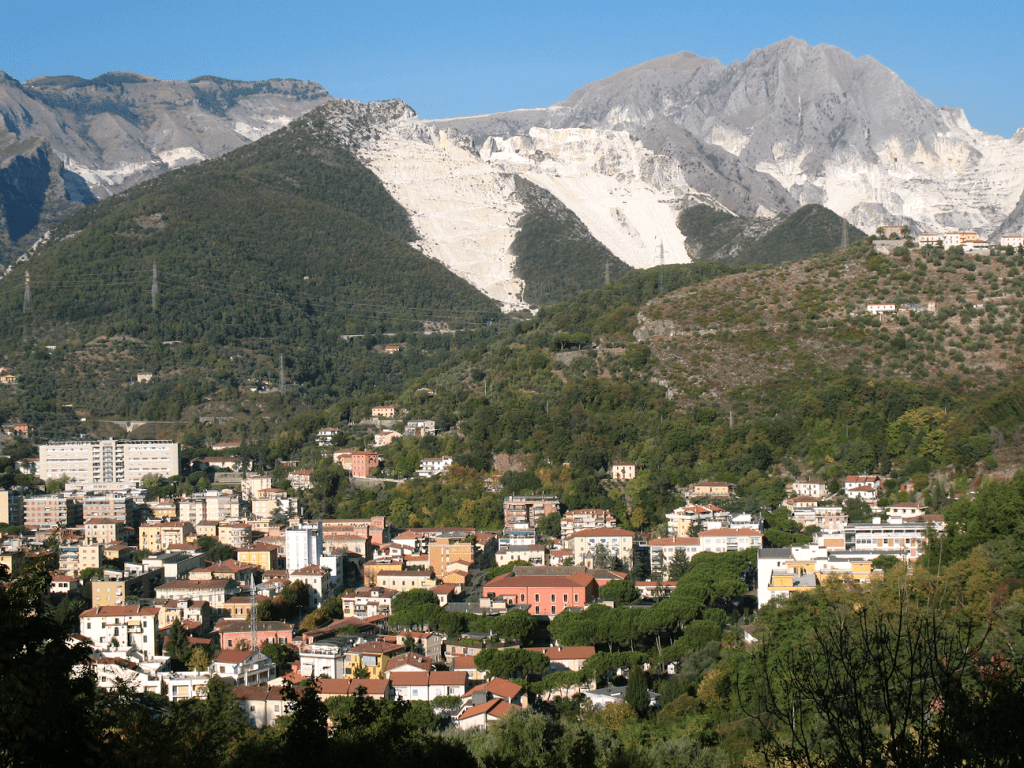
The Romans called this marble Luni marble, and the nearby town of Luni became the seat of powerful bishops who ruled the town of Carrara and its quarries until it became an independent city-state in the thirteenth century. Much of this region was known as the Lunigiana, taking its name from the episcopal town. In the fourteenth century the town was under the authority of the republics of Pisa, then Lucca, then Florence. It was acquired at the end of that century by the Visconti family, lords of Milan, who eventually sold it to Count Antoniotto Filerermo of Genoa, who sold Carrara in 1473 to Jacopo Malaspina.
Meanwhile, just a bit to the south and east, the town of Massa was also a city-state by the eleventh century, overlooked by a castle inhabited by a branch of an ancient Lombard warrior clan historians now call the Obertenghi. This branch eventually assumed the nickname of its founder, ‘bad thorn’ (one story suggests an ancestor killed a king with a thorn). Their Malaspina Castle at Massa, built in the 1100s, was destroyed by the Republic of Lucca in 1269, and, except for a short return to the family in the 1340s-50s, was held by Lucca until the 1430s, when it was returned under the protection of the Republic of Florence. Later in the fifteenth century, the castle was enlarged and parts transformed into a comfortable Renaissance princely residence, but by the 1550s, the ruling family preferred to live in a more modern ducal palace in the centre of Massa. Malaspina Castle retained only military functions after that, and then, following the unification of Italy in the 1860s, it was used as a prison. Closed in 1946, it was renovated and opened to the public.

The origins of the Malaspina family trace back, like so many of the ruling families of northern Italy, to the Lombard invasions of the sixth century, and their establishment of a Kingdom of Italy. Incorporated into the empire of Charlemagne in the eighth century, the descendants of the Lombard ruling families were given large segments of northern Italy to govern as ‘marcher lords’ (ie lords on the marches or frontiers of the Frankish empire), which we now translate as margrave (or marchese in Italian). One of these families was founded by Oberto, Count of Luni, who was appointed Margrave of the Eastern March (aka Eastern Liguria) by the Emperor in 961. Historical records from this period are sparse or conflicting, but genealogical historians of the nineteenth century tried to pull together loose strands (and sometimes wishful thinking) to create an overarching dynasty they named the ‘Obertenghi’, after Count Oberto. This dynasty is what I would call a ‘supercluster’ since, as reconstructed by these genealogists, it spawned not one but four of Italy’s grand ruling families: the Pallavicini, the Malaspina, the lords of Corsica and even the House of Este, which, through an interesting historical twist, was also the parent family of the House of Brunswick and thus of the House of Hanover, the royal house of Great Britain. There were royal connections already in this earlier period, for example Berta, who married Arduino, King of Italy from 1002 to 1014.
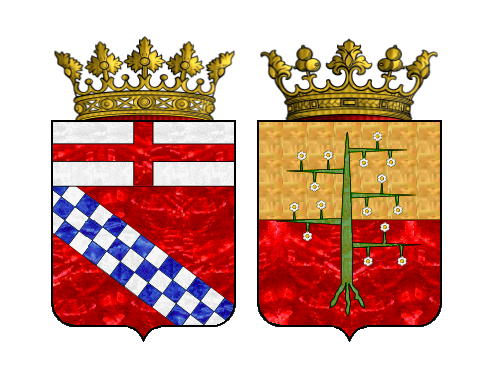
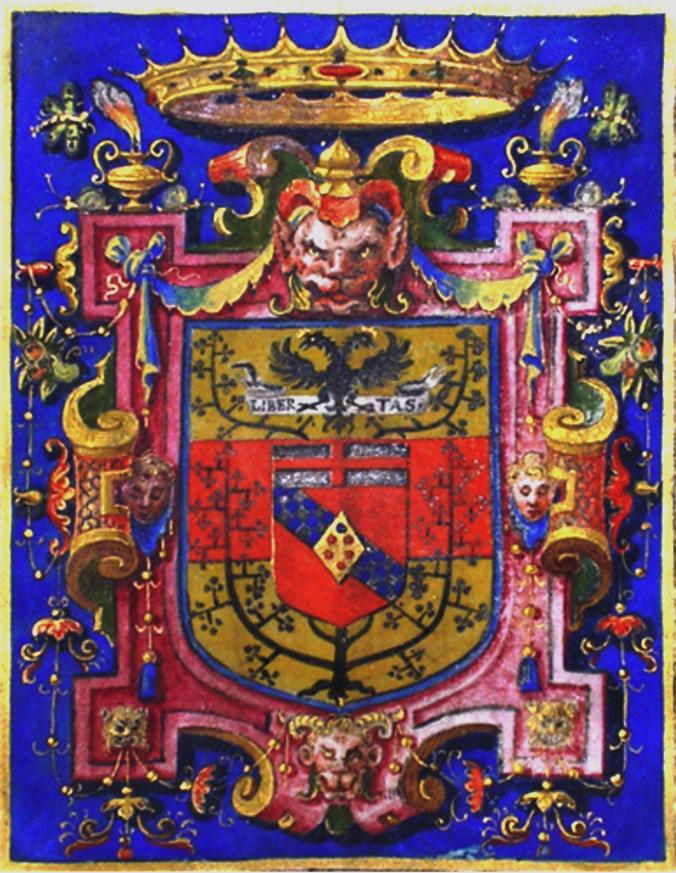
The branch of the Obertenghi that took the name ‘Malaspina’ was founded by Marchese Alberto, purportedly a son of Oberto Obizzo II, son of the first Oberto, and died around 1140—this is probably too much of a gap if his grandfather died about 997, so this link is one of those marked in older published genealogies as ‘uncertain’. There must have been some connection, as Alberto and his descendants all used the hereditary title marchese, which, like other Germanic titles was given to all sons, not just the eldest, and eventually was applied to smaller fiefs acquired in the regions of the Lunigiana and the neighbouring Garfagnana (the mountainous zone between the republics of Genoa and Lucca), so we call them the marquisates of Mulazzo, of Giovagallo, of Villafranca, and so on. These weren’t really marquisates in the way we conceive of them in more modern noble systems, but spread out estates, castles and towns owned and governed by each branch of the Malaspina family who held the rank of marchese—in other words, the rank was attached to the family, not to the land, though eventually that distinction was blurred. They were vassals directly of the emperor (confirmed 1164), who appointed an Imperial Vicar in northern Italy to look after their affairs. Some were called ‘Prince of San Colombano’ as secular guardian of the large imperial abbey of that name in Lombardy near Piacenza. These tiny ‘thorns’ were annoyances in the sides of the growing merchant republics nearby (Genoa, Lucca, Pisa, Florence). From about the middle of the thirteenth century, the ‘Bad Thorn’ family split into two sub-lineages: the ‘Spino Fiorito’ and the ‘Spino Secco’ (‘flowering’ and ‘dry’ thorns). Both bore versions of the coat of arms that featured a thorn with or without small white flowers, and an Imperial eagle making clear their loyalties.
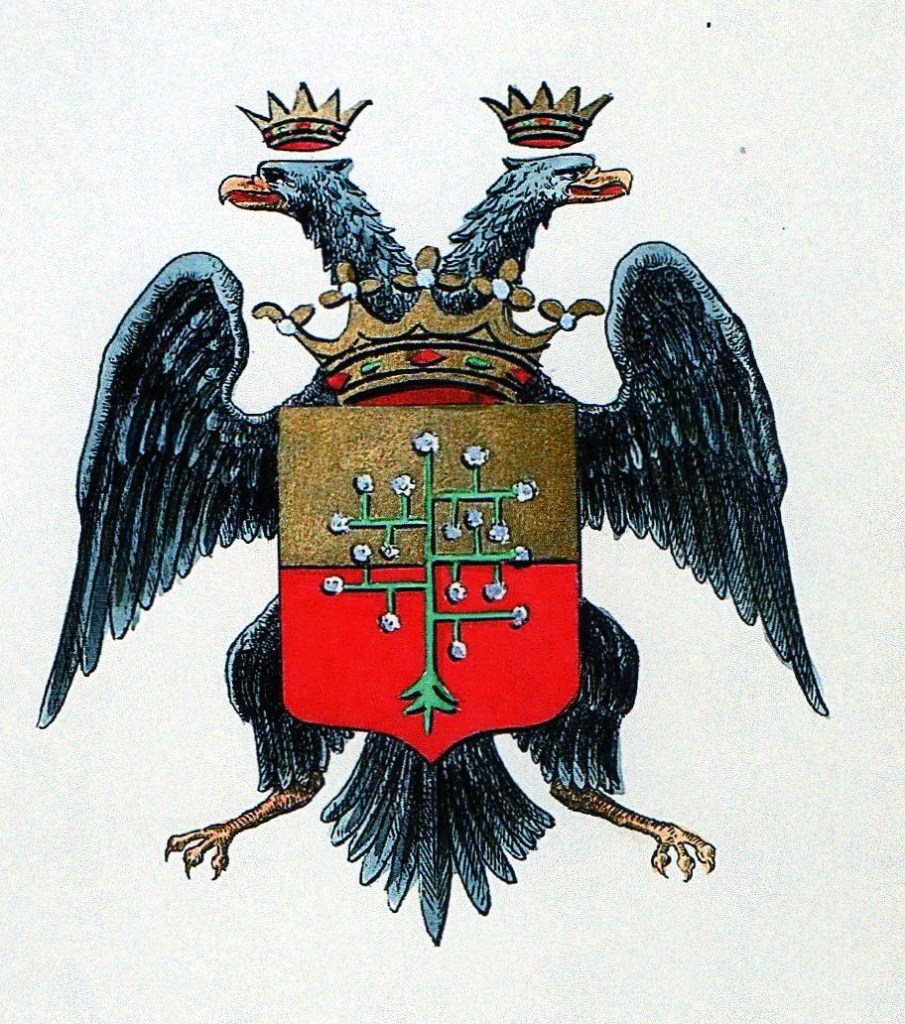
Spino Secco
One of the earliest members of the family who remains famous today was Marchese Alberto ‘Moro’ (died about 1210), a troubadour, poet and knight who invited other troubadours from Provence to bring this fashionable artform of poetry and music to Italy. Naturally, they praised him in song as brave, chivalrous and learned. His nephew Corrado (died about 1250) who founded the junior line of Spino Secco, was also regarded as a learned knight, and became a favourite of Emperor Frederick II who sent him on diplomatic missions between Genoa and Milan. His grandson Franceschino, appointed Imperial Vicar of Parma, continued this tradition of maintaining an artistic and chivalrous court, as praised in a poem by Dante after he had taken refuge at the Malaspina court in 1306.
Others in this junior line intermarried with the patrician families of Genoa (Spinola, Grimaldi, Fieschi) and became politically intertwined with Genoa’s interests in the neighbouring big islands: Corsica and Sardinia. The Massa branch of the Obertenghi had been imperial defenders of Corsica since the eleventh century, and some settled there: Ugo was first to call himself Marchese of Massa and Corsica, around 1100; his nephew, Alberto (or ‘Corso’), started a branch of the family that governed these two territories for three generations—officially vassals of the archbishops of Pisa. By the end of the twelfth century, the last of these, Guglielmo, also ruled as ‘Giudice’ (a judge, but with the powers of a king) of Cagliari, one of the four provinces of medieval Sardinia. This is one of the very few times both Corsica and Sardinia were governed by the same family. When Guglielmo di Massa died in 1214, his daughters took these Sardinian lands back to their local families (Lacon-Serra and Lacon-Gunale), while Corsica passed to a cousin, Andrea (‘Bianco’) Malaspina of the line of marchesi of Parodi (a fief east of Genoa). After this line died out, Corsica was incorporated into the Republic of Genoa in the 1280s, where it stayed until annexed by France in the 1760s.
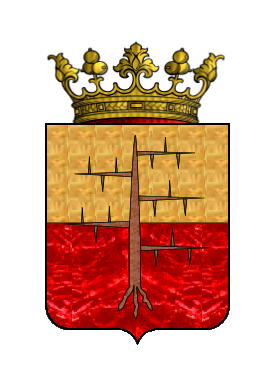
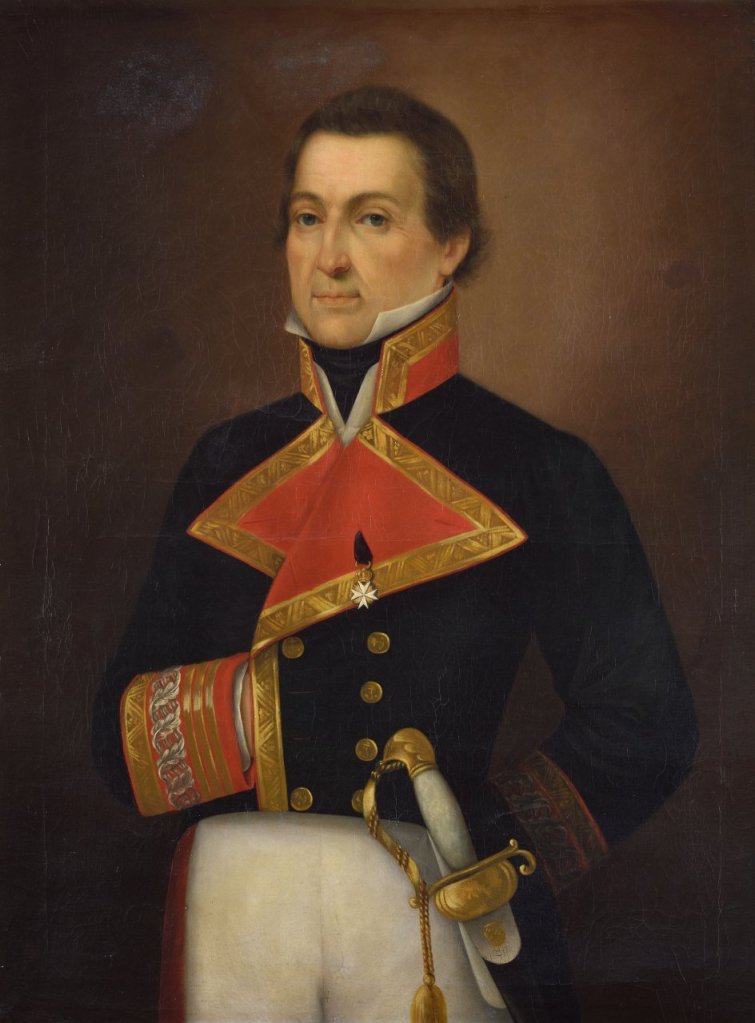
There were many, many more branches of the Malaspina Secco line, several of which continued into the early modern period, and some still today (in fact, one author lists 16 ‘dry thorn’ Malaspinas and 15 ‘flowering thorn’ Malaspinas living in the mid-eighteenth century). Some of the most prominent of these include the Villafranca in Lunigiana, based at a twelfth-century castle called Virgoletta. These allied so clearly with the Este family of Modena that by the 1720s they were called Villafranca Estense. They merged with another line, Castevoli in the 1760s: Marchese Tomamso III was the last to enjoy sovereignty (formally confirmed by Emperor Joseph II in 1772, but lost to the French in 1797). After the Napoleonic wars, he resumed his family’s loyalties to the Este and was named a chamberlain to Francis IV, Duke of Modena, and overseer of provincial engineering projects—he was himself an architect and designed much of the Cathedral of Villafranca, various churches and villas, and important roadworks and water management projects. He died in 1834.
In the line of Mulazzo, also based in Lunigiana, many of the Malaspina fiefs were sold off to the Doria family of Genoa in the 1650s. Another famous Malaspina in the later eighteenth century was Marchese Alessandro of Mulazzo, who travelled the world in the 1780s-90s, commissioned by the King of Spain to map out the west coast of the Americas. This branch died out in 1810, but several sub-lineages continue to the present (such as the Malaspina di Fabbrica in Val Trebbia in the western Apennines).
Spino Fiorito
Of the senior line of ‘flowering thorns’, Spinetta ‘the Great’, Marchese of Fivizzano, re-established his own dominance amongst the now very prolifically expanding branches of the dynasty. He acquired the Lordship of Fosdinovo, a hilltop town near Carrara with its own ‘Castello Malaspina’ in 1308, then was appointed Imperial Vicar of Reggio (across the mountains on the Lombard plain), 1311, by Emperor Henry VII, and Podestà (or military ruler) of Milan in 1314, by his father-in-law, Matteo Visconti. Two years before, he had helped the Emperor (actually ‘King of the Romans’ on his way to Rome to be crowned ‘Emperor’), in his efforts to force Florence to submit to Imperial authority, but faced a valiant defence led in part by his own cousins Obizzo and Morroello Malaspina—this was the period of the Guelph versus Ghibelline wars that divided most every region, city state and noble house. When the political wheel turned—as it always does—Spinetta was driven out of his lands in 1317 and went to the northeastern parts of Italy, the lands of the della Scala family in Verona, whose armies he led in their incessant struggle against Venice and Milan. He acquired estates near Verona which one branch of his descendants held until the twentieth century. The Malaspina condottiero returned to his lands in the Lunigiana in 1340 and re-focussed his energies on building his small patrimonial state: he expanded his castle in Fosdinovo, built hospitals and churches and even an old soldiers’ retirement home.
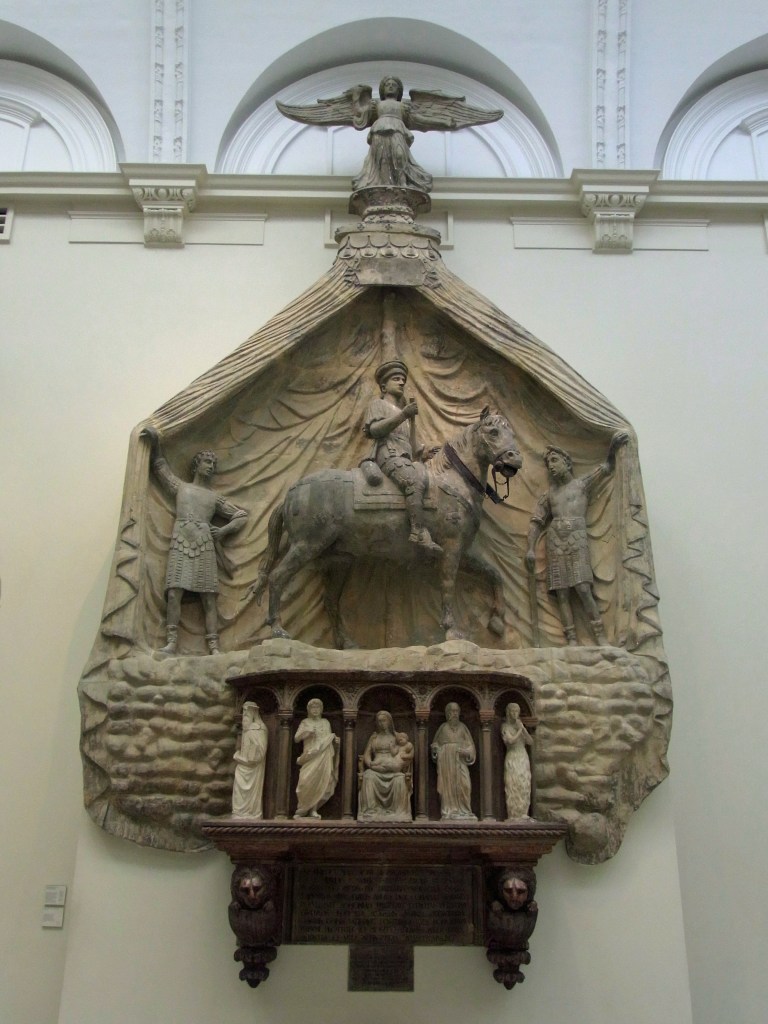
Fosdinovo Castle is still the largest and best-preserved medieval castle in Lunigiana. Its roots go back to the Lombard invasions of northern Italy, but the main stone fortress dates to the late twelfth century. It was modernised in the Renaissance period, then annexed by the Este family of Modena in the nineteenth century (as capital of their new province, Lunigiana Estense), and used as a hospital. Repurchased by the no longer sovereign Malaspina family in the 1860s, by the end of the century it passed to a Torrigiani nephew (who added the Malaspina name to his own). Restored in the 1960s, it is now open for tourism.
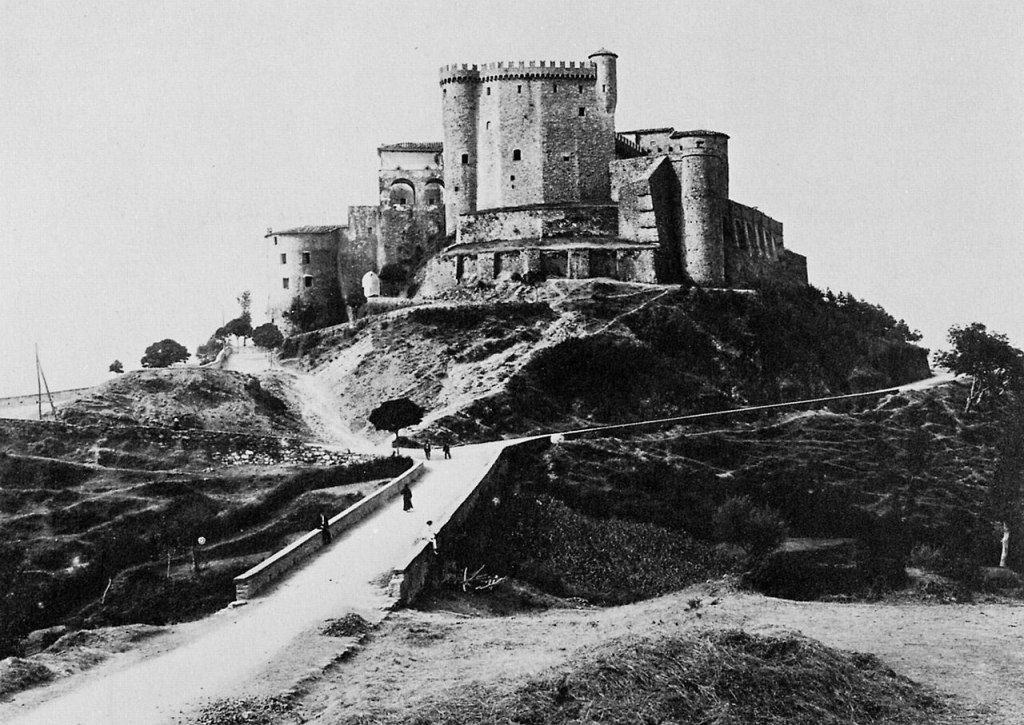
At the foot of the hill below Fosdinovo in the village of Caniparola, Marchese Gabriele III built a summer residence in the 1720s, the Villa Malaspina. It too passed to the Torrigiani, but now belongs to a different family from the region.
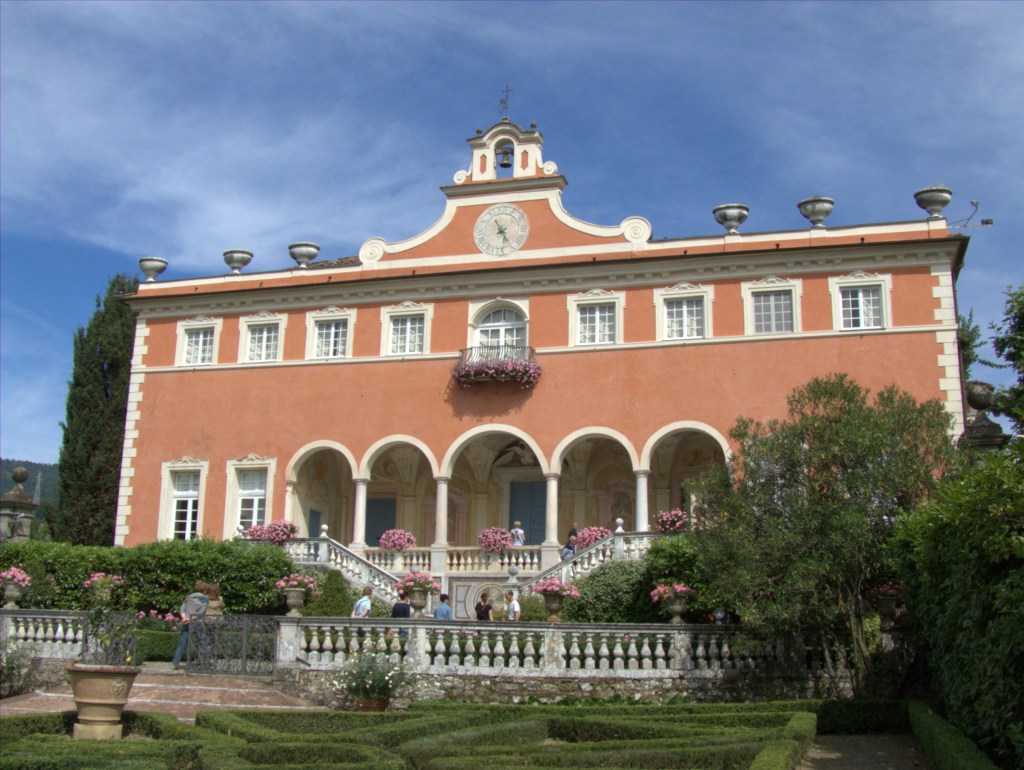
Before Spinetta ‘the Great’ Malaspina died in 1352, he secured his family’s place as a ruling house by ensuring his brother Gabriele’s election as Bishop of Luni, and his son Galeotto’s formal investiture as Marchese of Fosdinovo in 1355 by Emperor Charles IV. The line of Fosdinovo would be an autonomous line of marchesi for the next century. Some of their lords became prominent military commanders for hire (‘condottieri’), notably Spinetta II, who served King Charles III of Naples in the 1380s and was rewarded with the Duchy of Gravina in Puglia—though this did not pass on to his heirs. They grew closer to Florence (rather than Genoa), which in the long run may be why Lunigiana is today part of Tuscany, not Liguria.
Spinetta II’s son Antonio Alberico, 4th Marchese di Fosdinovo, was an ally of Florence, and forged a league with all the other Malaspina families in Lunigiana, 1414, to defend their interests against advances from either Genoa or Milan. One branch however, the marchesi di Castel dell’Aquila, attacked another branch, the marchesi della Verrucola, and massacred all of them except a single heiress, Giovanna, who married Antonio Alberico of Fosdinovo in 1418. He then led a Florentine army to avenge her family, and conveniently, to take over the Verrucola branch’s lands. As it turned out, the Castel dell’Aquila line also died without an heir in 1466, so these lands were also added to those of Fosdinovo. In 1430, again leading a Florentine army, Antonio Alberico occupied the towns of Massa and Carrara (then under occupation of the Republic of Lucca, Florence’s enemy), and he managed to keep them, obtaining an Imperial investiture as Marchese of Massa and Lord of Carrara in 1442. In fact, he had repurchased the original family lands at Massa in 1441, as these had been ceded to the Abbey of San Venerio when the line of marchesi of Massa died out in the thirteenth century. He therefore moved his capital from Fosdinovo to Massa, but also acquired a residence in Carrara.
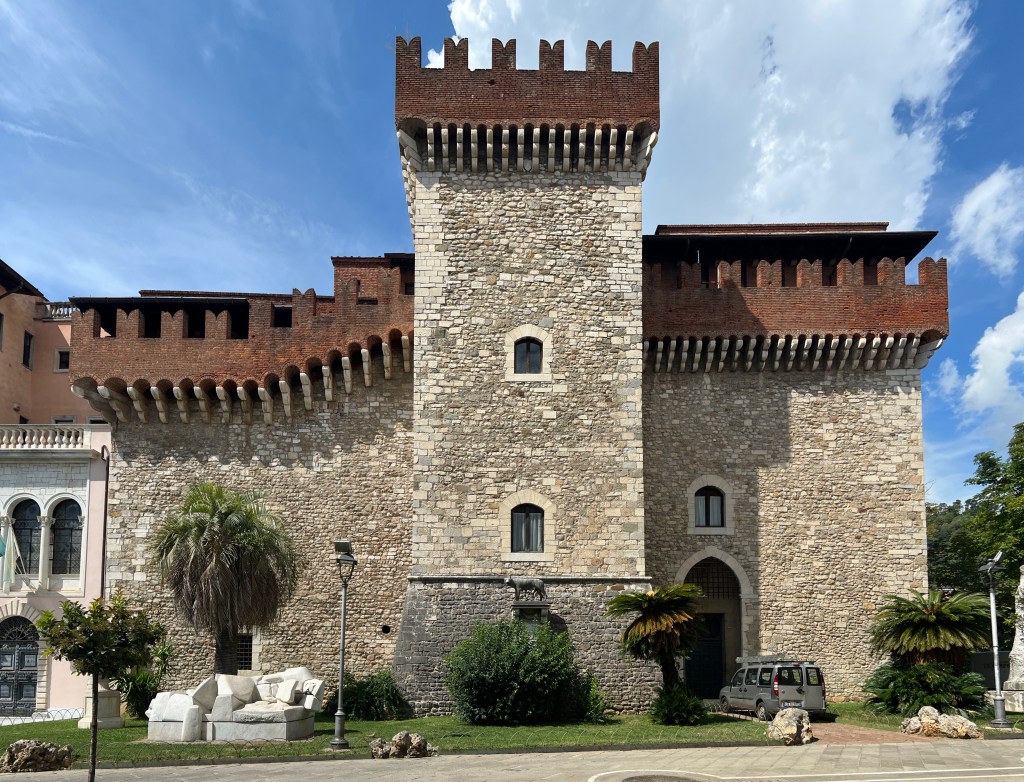
The Palazzo Malaspina in Carrara was rebuilt by the family in the 1440s, then again in the late sixteenth century (and rebranded Palazzo Cybo Malaspina). Today it houses the Academy of Fine Arts, and, naturally, one of Italy’s finest collections of marble.
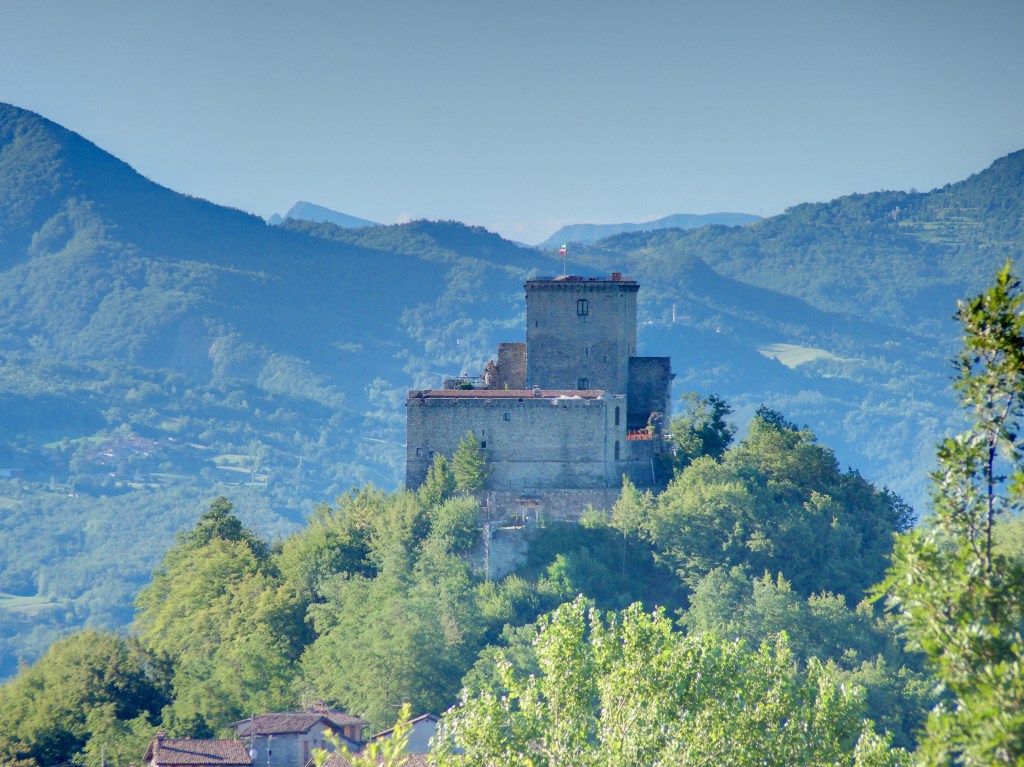
The 1st Marchese of Massa died in 1445, and two decades later his four sons divided the now very grand patrimony into four parts: the eldest, Giacomo I, retained Massa and Carrara, while Lazzaro was given the lands of Castel dell’Aquila (aka Gragnola), Gabriele II was given Fosdinovo, and Spinetta the lands much further away near Verona. The line of Gragnola died out in the seventeenth century and its fiefs were ceded to Tuscany (the fate of most of these sub-branches as they died out). A branch based at Godiasco in Lombardy included one marchese, Barnabò, who was a fierce defender of the French invasion of Italy in the early sixteenth century, so was captured and swiftly executed by the Sforzas of Milan. This line eventually fell to another, Oramala, whose lands were near Pavia, which was one of the few branches not to lose its autonomy until the very end of the eighteenth century (and the line itself died out only in the nineteenth). Oramala Castle, built in the eleventh century, became a cultural centre in the Middle Ages, known for its poetry and music. Abandoned in the eighteenth century, it still exists and was restored in the 1980s.
The Marquisate of Fosdinovo itself would also remain a sovereign imperial territory, with its seat at Villa Malaspina until the Napoleonic invasion of northern Italy in 1797. The last sovereign marchese, Carlo Emanuele, was a builder of a library, a theatre, an academy and sports facilities (including an early football stadium in 1789). He was a moderniser too, developing an insurance plan for farmers, whose profits supported charities and schools. He even supported the decrees of his new French masters, abolishing feudalism in July 1797, and willingly renouncing his sovereignty in favour of the new regime of the re-created ‘Kingdom of Italy’. He briefly tried to renounce this renunciation in 1802; this backfired and he took refuge in Pisa where he died in 1808. After 1815, Fosdinovo and many other Malaspina fiefs were ceded to Modena.
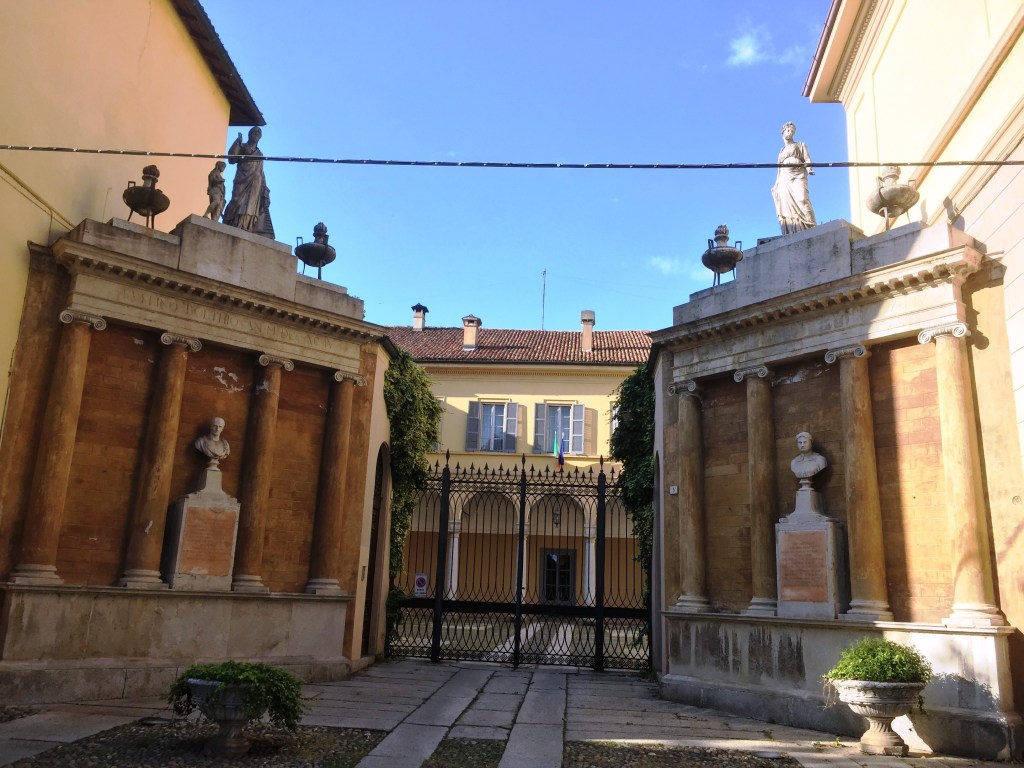
A cadet line of this branch, based at Sannazzaro (also near Pavia in Lombardy), died out with Marchese Luigi Malaspina, who was a passionate travel writer and art collector. He wrote guides for tourists to Pavia, and expanded his family’s Palazzo Malaspina in the 1790s to house his collection. After the region was taken over by the French, he remained loyal to the Habsburgs, who named him an imperial court chamberlain and gave him a position in the government of Pavia after it returned to Austrian rule after 1815. When he died in 1835, he donated the Palazzo and its art collections to the city of Pavia—today it houses the city’s Historical Archives and its Prefecture.
Heading back to the senior line of the Malaspina Fiorito, Giacomo Malaspina, Marchese of Massa and Lord of Carrara, died in 1481, and was succeeded by his son Antonio Alberico II. The latter reminded the European political order of his importance—despite the smallness of his state—by hosting Charles VIII, King of France, on his way south to conquer the Kingdom of Naples in 1494. During this same invasion, one of the old strongholds of the family, Fivizzano—ceded in 1477 by Spinetta II to the Republic of Florence—was, unfortunately, the site of an important lesson for the people of Italy, when its garrison refused to submit to the army of Frenchmen, led by Antonio Alberico’s uncle, Gabriele II, Marchese of Fosdinovo (eager to regain this town for himself). All of ‘civilised’ Italy was shocked to discover the ‘barbaric’ Frenchmen’s new tactic of ‘total war’, and the entire garrison and all of the townspeople were slaughtered, the walls of the town flattened by France’s very modern and very powerful immense cannons. Gabriele’s service was rewarded six years later when another French army deposed his nephew in Massa and Carrara and granted them to him. Though Alberto Alberico II recovered these lands a year later, he soon faced the problem of having only four daughters in the face of his uncle’s numerous sons.
When Alberto Alberico II died in 1519, he managed to pass his fiefs to his second daughter, Ricciarda. An older daughter, Eleonora, had married a scion of a prominent Genoese house, Scipione Fieschi, Count of Lavagna, but had died shortly after the wedding in 1515, leaving her sister Ricciarda next in line. The youngest sister Taddea was later married off by Ricciarda in 1524 to the Count of Scandiano, a vassal of the Dukes of Ferrara—later she moved to Florence and became notorious as the mistress of Duke Alessandro de’ Medici and mother of three of his children. Florence was an important ally to have though, and in 1520, Ricciarda, the new Lady of Massa and Carrara, married Lorenzo Cybo, the grandson of Pope Innocent VIII and close kin to the Medici rulers of Florence (his mother was Maddalena de’ Medici, daughter of Lorenzo the Magnificent and sister of Pope Leo X). This marriage had a rocky start, and Ricciarda Malaspina’s rights to her inheritance were soon challenged by her own husband, until she obtained approval as the formal fiefholder directly from the Emperor Charles V in 1529. The two sons of this marriage would start a new blended dynasty: the Cybo-Malaspina.
Cybo
Family legend has it that the Cybo or Cibo family came from Greece, perhaps Rhodes, to Genoa sometime in the twelfth century. The name is said to come from the cubes (kybos) on a chessboard, which is represented in their coat of arms.
Once in Genoa they established an albergo, one of the clusters of aristocratic families. Early members of the Cybo family who made their mark in the maritime history of the Republic include Lanfranco, a consul in 1241, and Guglielmo, Admiral of the Genoese fleet in 1260. One of the branches of the family moved south to the Kingdom of Naples and changed their name to Tomacelli—they produced the family’s first pope: Boniface IX, who reigned 1389 to 1404. Half a century later, Arano Cybo of Genoa also went south to Naples, where he became Count of Gragnano in Campania and Viceroy of Naples for King René d’Anjou, 1438-41, but was run out of that Kingdom with René after the invasion of Alfonso of Aragon. He passed into Papal service in Rome and became a Senator and Prefect of Rome in 1455. He died in 1457, leaving a young son Giovanni Battista.
Giovanni Battista Cybo spent his youth in Naples, then joined the Church and was appointed bishop of Savona (near Genoa) in 1466, then bishop of Molfetta (in Apulia) in 1472, and cardinal the next year, making his home in Rome. He rose through the ranks of the Church hierarchy until he was appointed Camerlengo of the College of Cardinals in 1482, then only two years later elected pope, as Innocent VIII. His papacy, though lasting less than ten years, had a great long-term impact on the history of Italy, Europe and even further—he delivered one of the definitive edicts about the Church’s persecution of witches in 1484; involved the Church in Ottoman politics as the host/jailer of Prince Cem, younger brother of Sultan Bayezid (who paid the Pope for his efforts) from 1489; and invited Charles VIII of France to invade Italy in 1489, a decision that began the Italian Wars that ravaged the peninsula for the next seventy years. Pope Innocent was also responsible for starting building works on the Belvedere Palace next to St Peter’s Basilica (not completed until the mid-sixteenth century).

Like most Renaissance popes, Innocent VIII also looked after his own family: in 1487, he named his older brother Maurizio governor of Spoleto, one of the largest papal states, and his nephew Giovanni Battista castellan of Civitavecchia, one of Rome’s main fortified seaports. Often the most rewards were heaped on illegitimate members of a family, whose loyalty could usually be more dependable, so Maurizio’s illegitimate son Lorenzo was made archbishop of Benevento in 1485, castellan of Sant’Angelo (the Pope’s main fortress in Rome) in 1487, and a cardinal in 1489. Even bigger responsibilities were given to the Pope’s own illegitimate son Franceschetto, fathered in his youth in Naples with a local nobleman’s daughter. He was named Captain-General of the Papal Armies and Governor of Rome in 1487; then in 1488, his holy father purchased Florentine citizenship for him. This solidified his place in Florence, where, a year before, he had married Maddalena de’ Medici. Franceschetto was given further wealth and status within the Papal States as Count of the Lateran Palace and Count of Ferentillo (in Umbria).
Ferentillo, a mountain village in Umbria with impressive walls, was dominated by a fourteenth-century castle built by the Monaldeschi family. The lordship was ruled as an independent state within the Papal States, with regulations set down to guarantee its independence written by later Cybos, elevated to a dukedom in 1619, and maintaining this independence until 1730, when it was sold to Nicolò Benedetti, then passed to the dukes of Montevecchio (who continue to use the title Duke of Ferentillo).
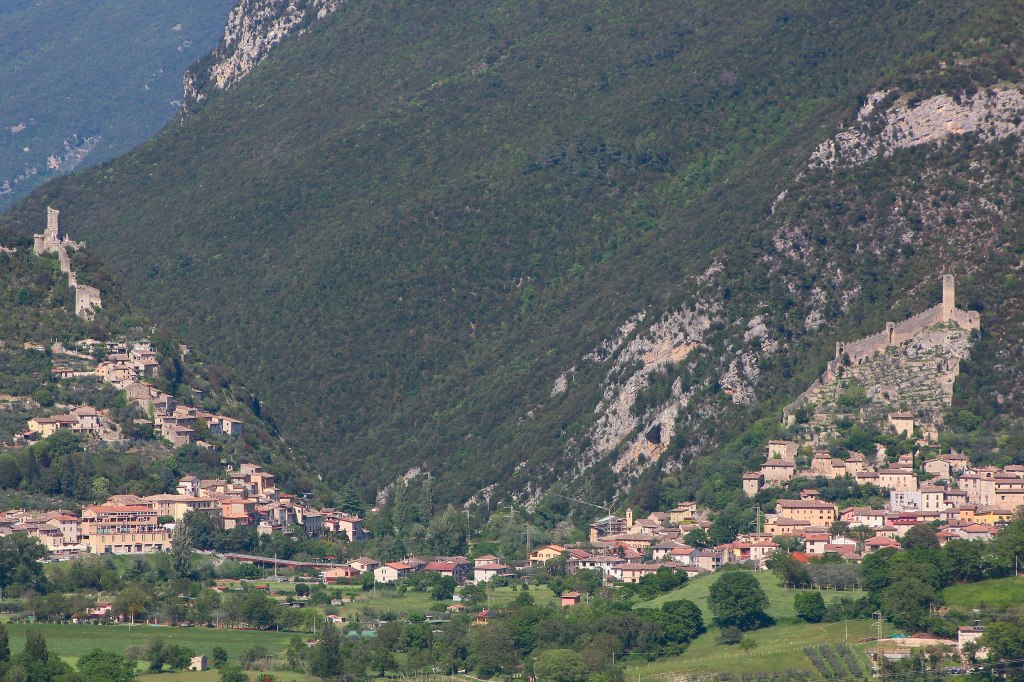
Franceschetto Cybo became infamous for spending the Church’s money while his father was pope, even attempting at one point to steal money outright from the papal treasury in 1490 in a panicked move when he thought his father was dead. His father did pass away in 1492, and Cybo went into hiding during the Borgia papacy, but returned to Rome as a friend of Pope Julius II when the della Rovere family returned triumphantly to power in 1503. Pope Julius created him Duke of Spoleto—the last person to hold this large independent papal fief with roots stretching back to the Lombard invasions. He died in 1519, but not before his marital ties with the Medicis bore fruit once more.
His wife Maddalena’s brother Giovanni de’ Medici had been made a cardinal by her father-in-law Innocent VIII in 1484. In 1513, he was elected pope as Leo X and returned the favour, naming Maddalena’s son Innocenzo a cardinal, then archbishop of Genoa in 1520. At the same time he was also bishop of Marseille and archbishop of Turin. In 1524, Clement VII (the next Medici pope) appointed Cardinal Cybo as Papal Legate of the Romagna, in other words governor of these northern papal states, which meant he was responsible to host Charles V when he arrived in Bologna in 1530 for his coronation as Holy Roman Emperor. His papal cousin then appointed him Governor of Florence, 1532-33, in the absence of an adult male Medici. He crowned his career as Cardinal-Protector of Germany from 1542 to his death in 1550. Cardinal Cybo’s connection to the Malaspina was a little unusual in that he took his own sister-in-law Ricciarda as his mistress, fathering several children, including, perhaps, her second (supposedly legitimate) son, Alberico.
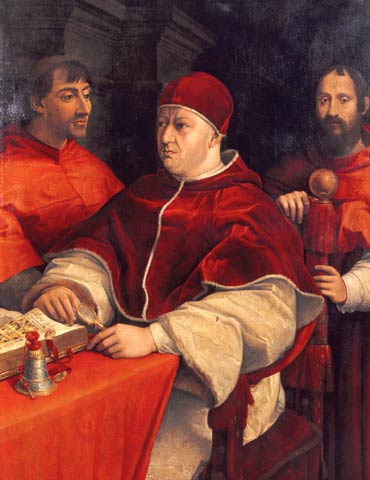
This returns us to the Cybo-Malaspina marriage of 1520. Franceschetto Cybo and Maddalena de’ Medici’s first son was Lorenzo, 2nd Count of Ferentillo. He succeeded his father as Governor (not ‘Duke’) of Spoleto in 1519, and General of the Papal Army in 1520; and was later confirmed in this post by Clement VII, then appointed Governor of Viterbo (1532) and Governor of Pisa (1534). As we’ve seen above, his marriage to Ricciarda Malaspina was not happy, and he immediately challenged her for the rights to be called Marchese of Massa and Lord of Carrara. Although she obtained the investiture herself for these from the Emperor in 1529, and allowed her husband to call himself co-ruler from 1530, he nevertheless tried to oust her in 1538, resulting instead that she ousted him in 1541, and again obtained approval from the Emperor. She was then ousted, however, by her son Giulio in 1546 (backed by Medici troops led by his father). Ricciarda returned once more in 1547, then died in 1553.
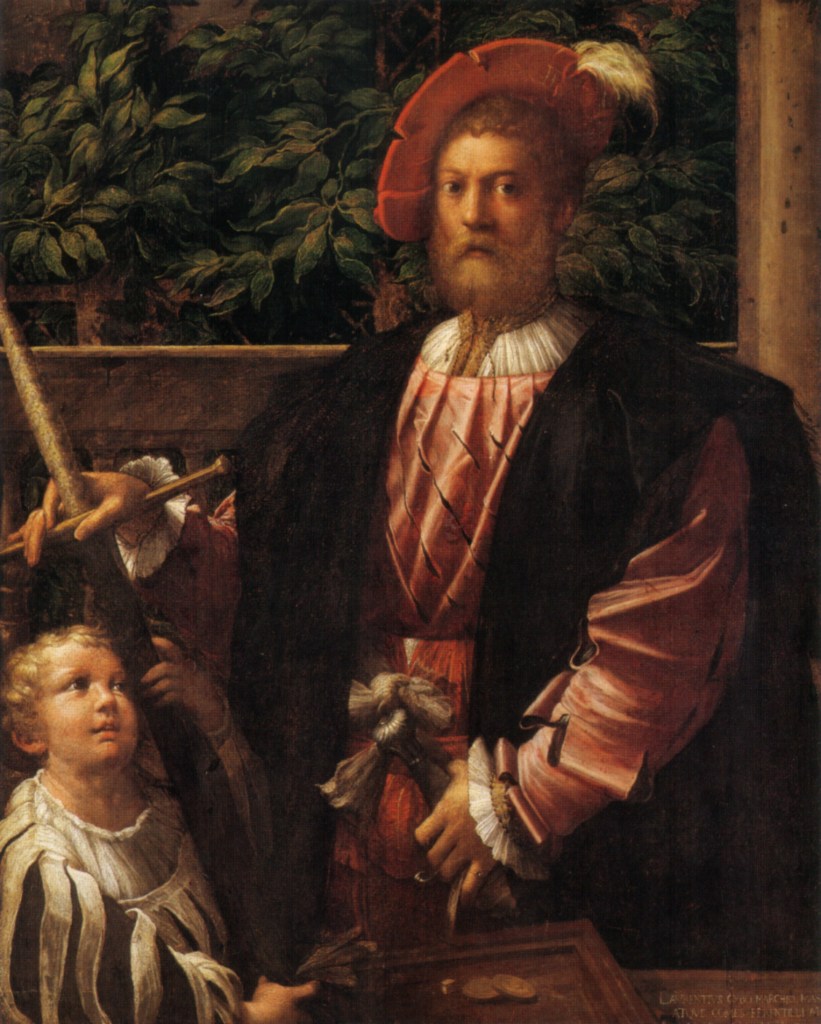
By this point, Lorenzo was dead, as indeed was Giulio. Giulio had been favoured by the Emperor Charles V in his capacity as King of Spain, naming him a Gentilhombre de la Boca in 1543, and giving him commands in the Spanish army in the Low Countries. He married a Doria thus linking his politics to Genoa (at a time when the Doria were pro-Imperial). But in late 1547, having been ousted from Massa and Carrara by his mother, Giulio joined an anti-Doria plot in Genoa (backed by the Florentines) and in January 1548 was arrested and executed in May.
A Sovereign State
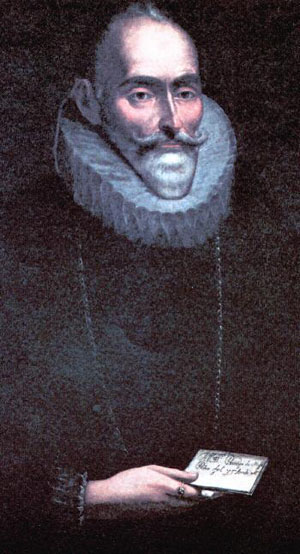
This left Ricciarda’s second son, Alberico. Alberico I reigned for seventy years, an era of development and prosperity for Massa and Carrara, especially due to the increase in demand of Carrara marble. The Emperor confirmed his investiture of these two fiefs in 1554, then in 1568 Imperial ties were strengthened further when Maximilian II raised the fiefs in rank: Massa to a principality and Carrara to a marquisate. As a prince of the Holy Roman Empire, Alberico was given the right to include the Imperial Eagle in his coat-of-arms (along with the style ‘Most Illustrious’). He also strengthened his ties with the papal aristocracy, marrying Elisabetta della Rovere, daughter of the powerful and wealthy Francesco Maria, Duke of Urbino. He had links with Spain as well (always a good idea in sixteenth century Italy) as a royal chamberlain from 1558. In the 1560s the Prince of Massa enlarged the Malaspina fortress above the city of Massa, built a new Palazzo Cybo-Malaspina, and further added to the family domains, purchasing the County of Aiello in Calabria (the Kingdom of Naples) in 1566.
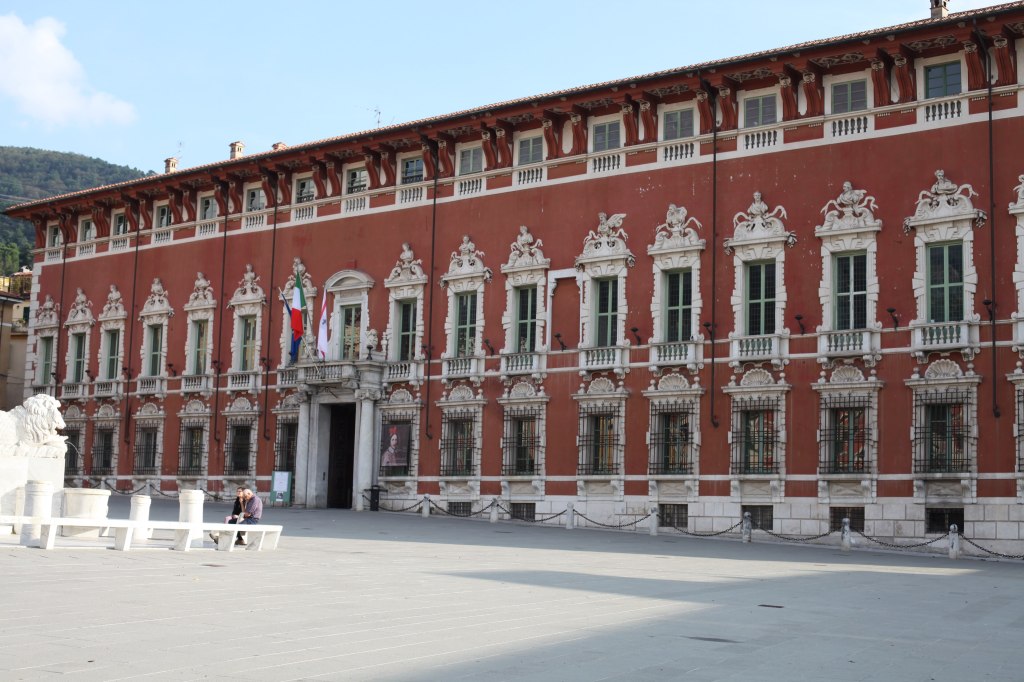
The Palazzo Ducale in Massa was built on the site of an older family villa. It was a grand classical building on one of the town’s main squares, but the façade we see today dates from the 1690s when Duchess Teresa Pamphilj gave it a more baroque frontage, and painted it red and white, the colours of her great-uncle, the powerful Pope Innocent X. The ‘red palace’ was also redesigned inside, and an interior courtyard was given elaborate fountains known as Neptune’s Grotto. Today the Ducal Palace houses the offices for the province of Massa and Carrara and the local prefecture.

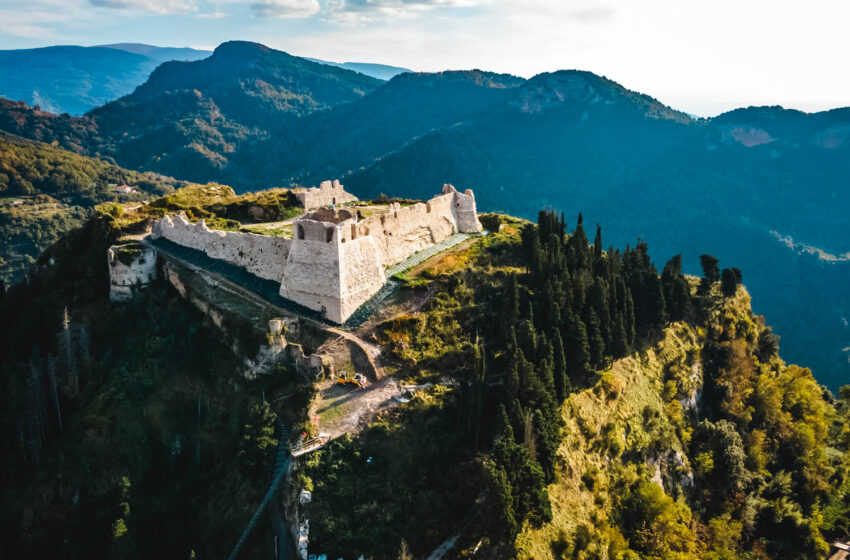
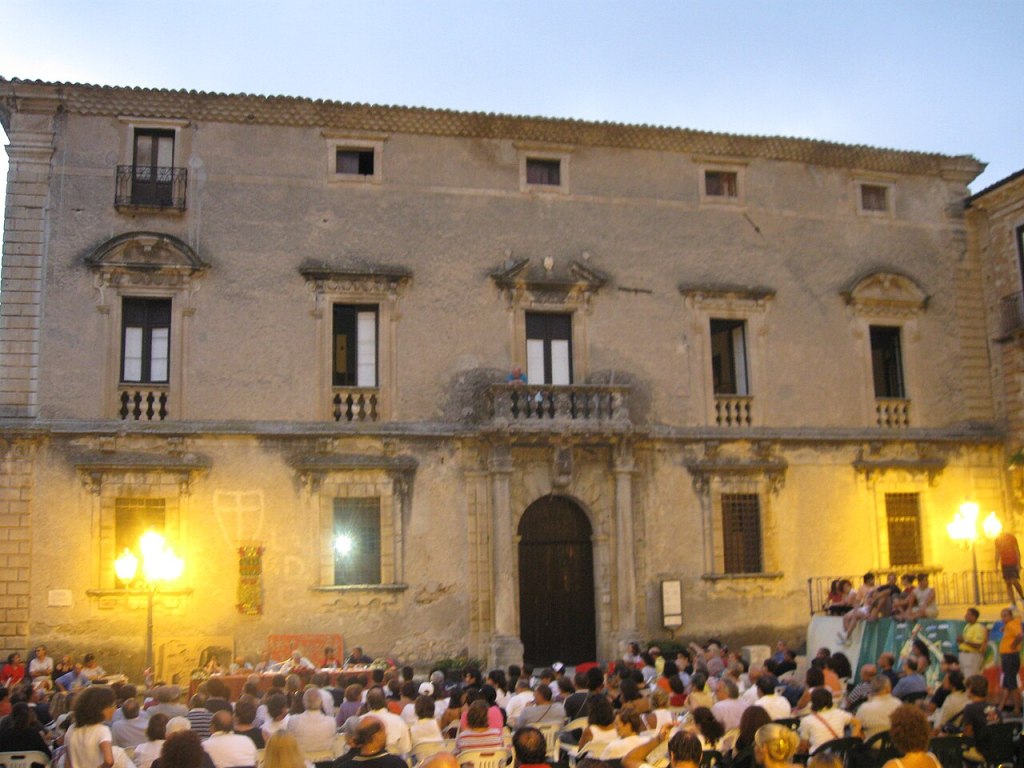
Aiello, in its older form Ajello, had for centuries been an important fortification guarding the western coast of Calabria. In the Middle Ages, its castle housed a huge royal garrison and often served as refuge for warring factions between the Angevin and Aragonese dynasties battling over control of Naples and Sicily. The old castle remained one of the largest castles in the region until repeatedly damaged by earthquakes in the 1680s and 1780s. The ruins were recently made accessible and opened for tourism. Meanwhile, the sixteenth-century palazzo in the centre housed the organs of the Cybo-Malaspina administration for the county then the duchy, and remains an attractive component of the town of Aiello.
Prince Alberico I married an illegitimate daughter of the House of Este, and when that ducal line died out in 1597, she and her sisters—legitimated by the Pope—could perhaps have made claims to the extensive duchies of Ferrara and Modena, the latter of which instead passed to a more distant branch of the Este family, while Ferrara itself was annexed directly to the Papal States. Perhaps as a compensation, Pope Clement VIII raised Ferentillo to a dukedom—with a degree of autonomy within the Papal States—in 1603. Aiello was similarly raised in 1605 to a dukedom by the King of Spain. Alberico I’s two sons, Alderano and Ferrante, predeceased him, so he was succeeded in 1623 by his grandson Carlo I, Prince of Massa, Marchese of Carrara, Duke of Ferentillo and Duke of Aiello. The family’s major holdings now stretched from the Ligurian coast to Umbria in the Papal States to Calabria in the Kingdom of Naples; they were thus vassals of the Emperor, the Pope and the King of Spain.
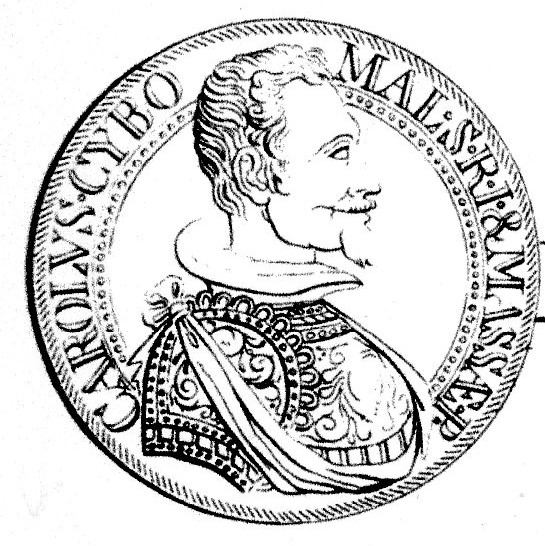
Carlo I continued to develop his grandfather’s tiny state in Massa and Carrara: he modernised buildings in both towns, and was a patron of the arts and sciences, notably setting up a printing press to publicise the works of ‘his’ scholars. He was himself a writer and poet, and was admitted to the scholarly academies of Lucca, Ferrara and Genoa. He re-attached his family’s ancient links to that latter city by means of another marriage (one of many) to the Spinola family. Shortly after he died in 1662, his son, Alberico II, was raised again in rank by the Holy Roman Emperor: he was now Duke of Massa and Prince of Carrara. The higher titles gave the family no more extra privileges (they already had the rights to mint coins, and of full justice), but helped ensure the Emperor had a firm ally in the region, and that the Cybo-Malaspina’s sovereignty could not be challenged by Florence or Modena (both French-leaning in diplomatic affairs in this period). It may also have been done to ensure the new Duke’s marriage was fully equal, as his wife, Fulvia Pico della Mirandola, was from another tiny but sovereign dukedom in northern Italy, Mirandola.

Duke Alberico II had many younger brothers. The most prominent was Alderano, a cardinal from 1645 and Master of the Papal Chambers and Prefect of the Apostolic Palaces. In the 1640s-50s he served as legate to various cities in the Papal States; and he later became Secretary of State for the Papal States (1676-89) and Dean of the Sacred College of Cardinals (1687). He died in 1700 at nearly ninety years old. Other brothers included Giannettino, a general of the Spanish cavalry; Francesco, a general of the Spanish galleys; Lorenzo, Bishop of Jesi (in eastern Italy); and Odoardo, a governor of various papal cities then Nuncio to Switzerland and Secretary of Propaganda, 1680-95—with the titular posts of Archbishop of Seleucia from 1670, then Patriarch of Constantinople in 1689. This curious titular see (since there was no actual Roman Catholic church in Constantinople) passed in 1705 to Odoardo’s nephew Alessandro, a longtime canon in St John Lateran in Rome, but he died that same year. There were no other major ecclesiastical princes in this generation, but the new Duke of Massa (from 1690), Carlo II, did his part in re-cementing his family’s connections with Rome by means of his marriage to Teresa Pamphilj, grandniece of Pope Innocent X, as noted above.
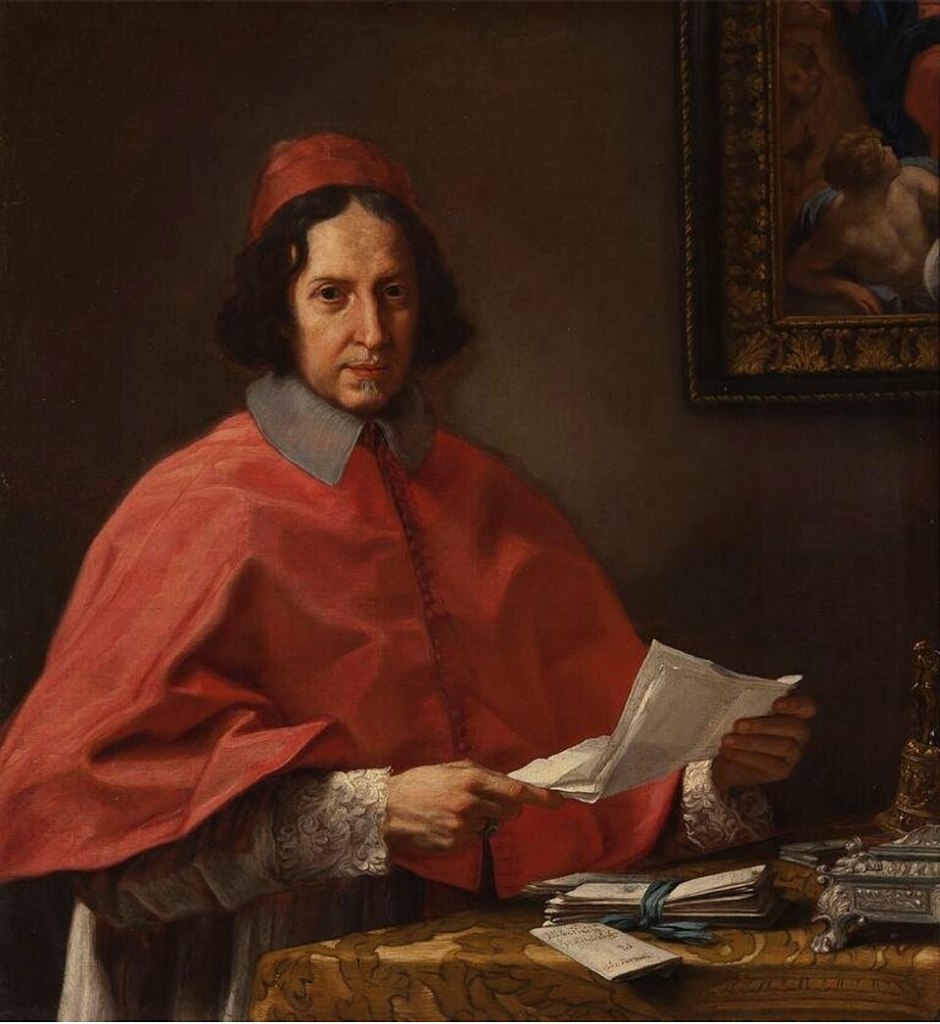
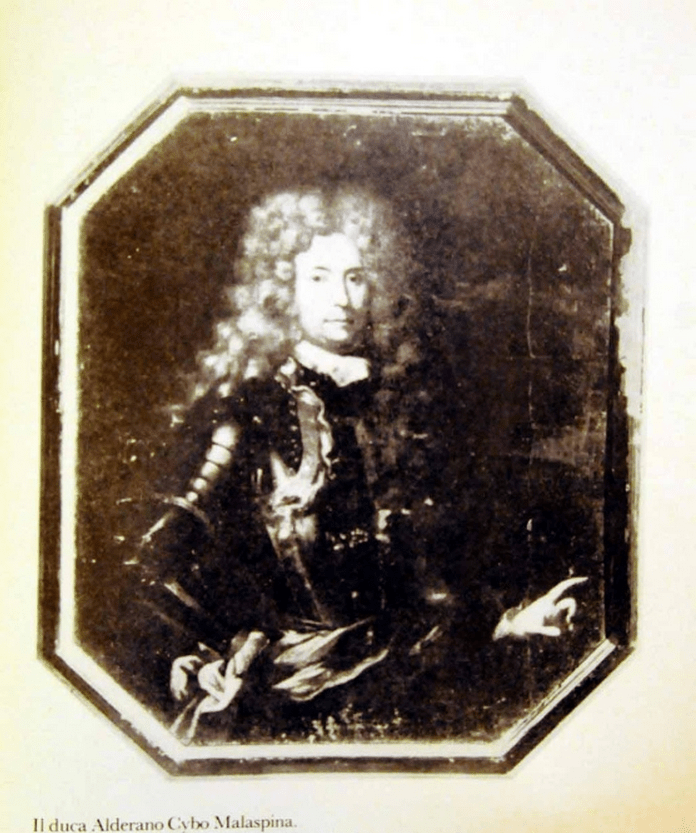
Despite his father’s commitment to the Imperial cause in the 1660s, by the time the War of the Spanish Succession broke out in 1701, Duke Carlo II was pro-Bourbon, which earned him favour with Louis XIV, perhaps in the hopes of gaining new territory in the wake of France’s victories in northern Italy. When he died in 1710, his son Alberico III, already a maréchal de camp in the French army, continued this policy (even though France by this point in the war had been mostly pushed out of Italy), but died young in 1715, leaving his estates to his brother Camillo, who, as a churchman, ceded them to a much younger brother, Alderano. Alderano I’s youth and inexperience led him to arbitrary acts and extravagant living, which forced him to sell off much of the family’s art collections to cover his costs. He also sold the Duchy of Ferentillo (to the Benedetti family in 1730, which then passed to Gabrielli family in 1804, who still use the ducal title). Cardinal Camillo was able to hold on to the family’s other duchy, Aiello. Duke Alderano’s arrogance and oppressive rule prompted a popular uprising in Carrara, and his early death in 1731. Camillo thus became co-regent for his five-year-old niece, Maria Teresa.
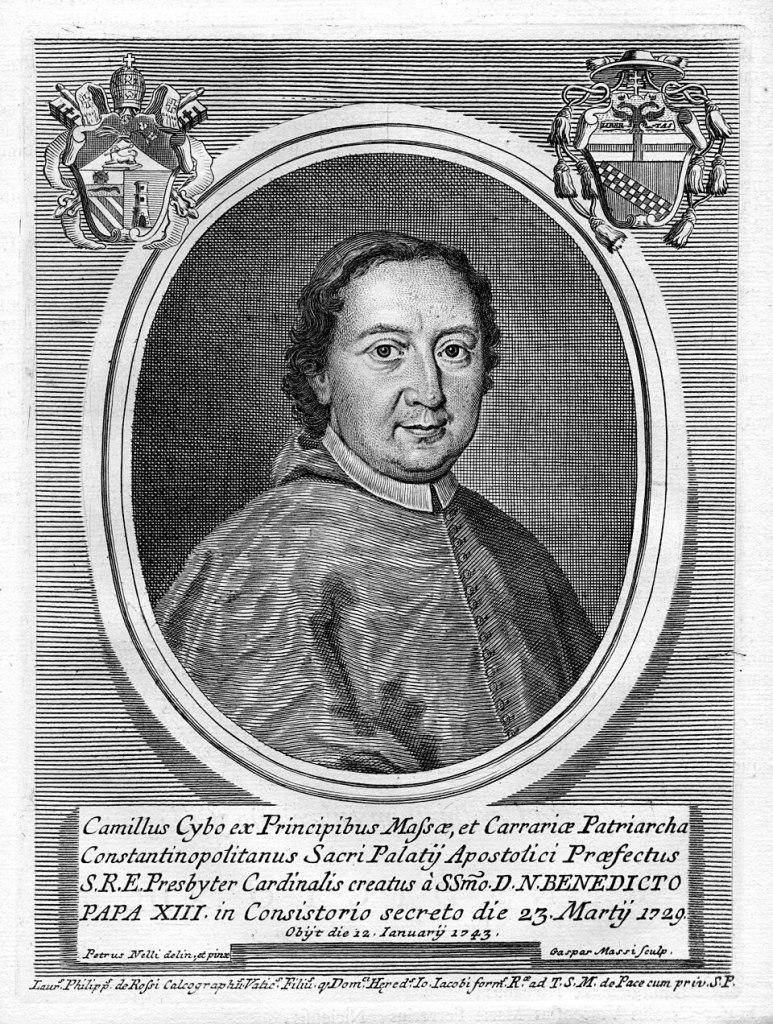
Cardinal Camillo was already a senior figure in Italian politics. Appointed as President of the Apostolic Chamber (an office that looked after papal finances) as early as 1705, in 1718 he was named to his family’s now hereditary title of Patriarch of Constantinople; then in 1725 Papal Maggiordomo (head of the household) and Prefect of the Apostolic Palaces. He was named a cardinal in 1729 and Grand Prior in Rome for the Order of Malta in 1730. He now governed Massa and Carrara as co-regent with his niece’s mother, Ricciarda Gonzaga (from a junior branch of Novellara), until he died in 1743.
Maria Teresa, Duchess of Massa and Princess of Carrara, Duchess of Aiello, born in 1725, had been betrothed as early as 1732 to the great-nephew of Prince Eugene of Savoy (Prince Eugène-Jean de Savoie-Soissons), in an effort to establish a second independent (if small) state for the House of Savoy in Italy. This plan had the support of the Emperor as feudal overlord, but the young prince died before the marriage could take place. Instead, the little duchess was betrothed in 1738 to Prince Ercole Rinaldo d’Este, son and heir of Francesco III, Duke of Modena, and Charlotte-Aglaé of Orléans, thus bringing the Cybo-Malaspina family once more into the orbit of Bourbon France (two of Ercole’s sisters would marry Bourbon princes). By acquiring Massa and Carrara, the landlocked duchies of Modena and Reggio would finally have access to the sea. Ercole was two years younger than Maria Teresa, so the wedding was postponed to 1741, when he was 14. According to one report, the teen spouses hated each other right away, but grew closer through the shared experience of exile, 1746-48, when Modena was occupied by Austrian troops in the War of Austrian Succession. During this time, Maria Teresa’s mother continued to act as regent of Massa-Carrara.
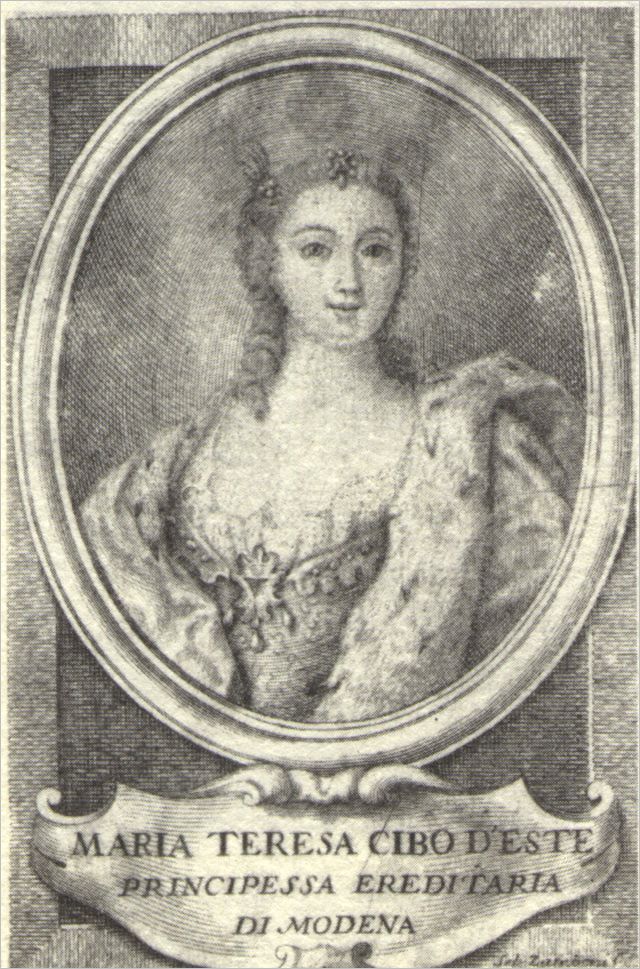
The reconciliation of the Prince and Princess of Modena was short-lived: after the death of their male heir in 1753, they separated, and made it official in 1768 when Maria Teresa’s mother died and she ruled her duchy herself. She lived either in Massa, or her own palace in the city of Reggio (and is in fact buried there), while Ercole lived at court in Modena. Now ruling Massa directly, she constructed a new road connecting it to Modena, and reformed the marble extraction business in Carrara—and founded an Art Academy there in 1757, naturally focusing on sculpture and architecture. She opened a hospital and reformed the clergy. Having already ruled her own state for years, she finally became Duchess-Consort of Modena and Reggio when her father-in-law died in 1780 and her husband became Duke Ercole III.
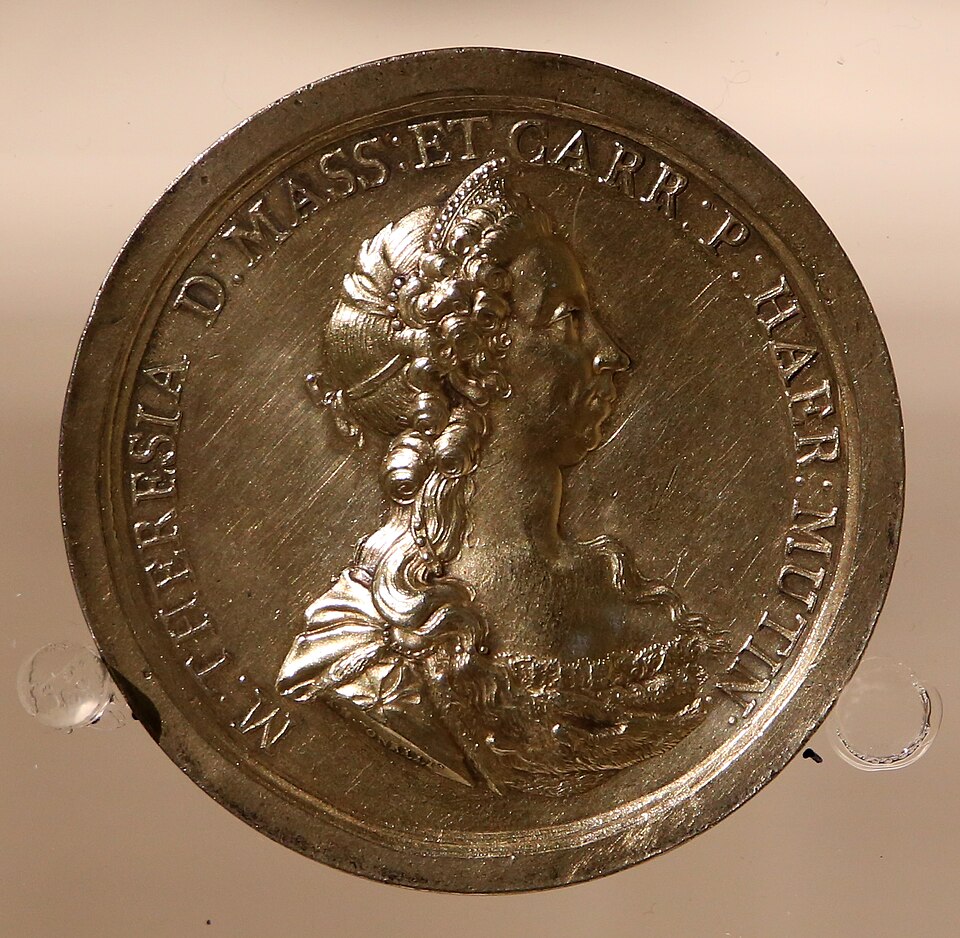
The expanded Este-Cybo-Malaspina dynastic conglomerate state of Modena, Reggio, Massa and Carrara did not long survive, however, due to the revolutionary armies that soon swept across the Alps from France. But a succession crisis had emerged years before: Ercole and Maria Teresa had only one surviving child, a daughter, Maria Beatrice Ricciarda, born in 1750. Rather than see these Imperial fiefs simply absorbed into the Austrian dominions (as had happened to Mantua when the Gonzaga line failed earlier in the century), plans were made to maintain Modena’s independence (and therefore Massa-Carrara’s too), by creating a new hybrid dynasty forged by this heiress and one of the younger sons of Emperor Francis I of Lorraine, Grand Duke of Tuscany, and his wife Empress Maria Theresa of Austria: as early as 1753, Maria Beatrice was informally betrothed to their third son, Prince Pietro Leopoldo of Tuscany, who would, according to a secret treaty, assume the name and arms of the House of Este. In 1761, the third son moved up one position in the succession (now becoming heir to Tuscany) since his older brother Carlo died; so Maria Beatrice’s betrothal was transferred to the now third son, Archduke Ferdinand. They were formally betrothed in Milan (where her grandfather Duke Francesco III of Modena, was Austrian governor) in 1766, then married in 1771, the same year the Imperial Diet approved the eventual transfer of the duchies of Modena and Reggio to Ferdinand of Austria. At the same time, Ferdinand assumed his new grandfather-in-law’s post of Governor of Milan. The couple lived in Milan for twenty-five years and produced a large brood of children.
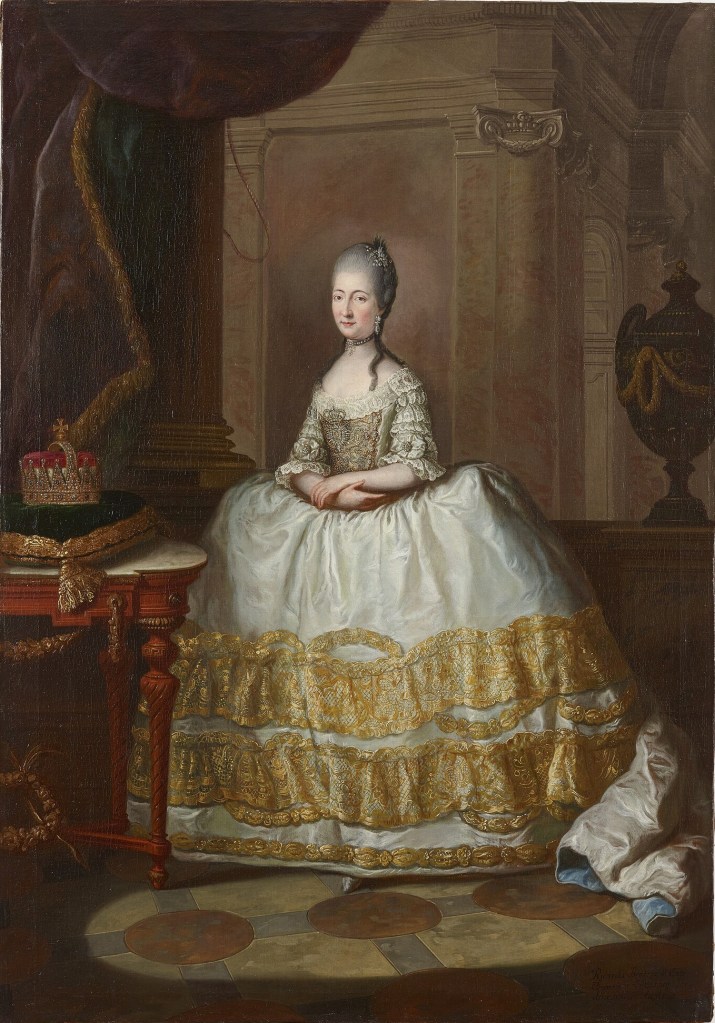
Maria Beatrice d’Este succeeded her mother Maria Teresa Cybo-Malaspina as Sovereign Duchess of Massa and Princess of Carrara in 1790. Her father, Duke Ercole III of Modena, would live for another twenty-three years, but in 1796, northern Italy was overrun by the revolutionary armies of France, led by General Bonaparte. The Este family fled to Venice then to Vienna. The tiny state of Massa and Carrara was incorporated into a new state created by the French, the Cispadane Republic (‘this side of the Po’), which was absorbed into the larger Cisalpine Republic in 1797, renamed the Italian Republic in 1802, then finally the Kingdom of Italy in 1805. But in 1806, the territories of Massa and Cararra (and the new Kingdom’s only point of access on the western side of Italy) were extracted and added to the new principality of Lucca and Piombino ruled since 1805 by Elisa Bonaparte, sister of now Emperor Napoleon, and her husband Felix Bacciochi (see Piombino). In Spring 1809, Princess Elisa was elevated further as Grand Duchess of Tuscany, with Lucca-Piombino retaining its independent status under her rule; yet confusingly, later that same summer, an honorary title ‘Duc de Massa di Carrara’ was given to the French Minister of Justice, Claude-Ambroise Régnier. This seems a little odd given that Elisa was already Duchess of Massa. The French title, purely nominal after the fall of the Napoleonic Empire in 1814, was passed down for several generations, becoming extinct only in 1962 (see a future blog post on this and other Napoleonic dukedoms in Italy).
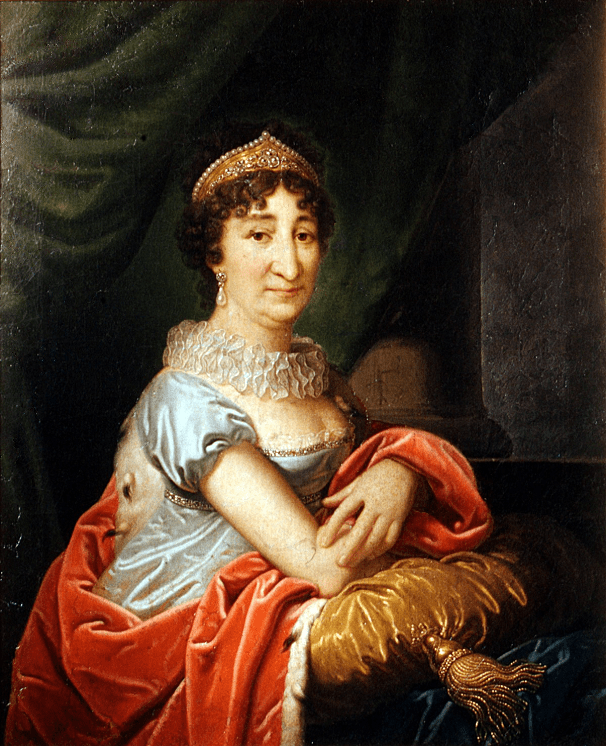
With the collapse of the Napoleonic regimes in Italy in 1814, the Duchy of Massa and the Principality of Carrara were returned to Maria Beatrice d’Este, but were governed from afar as she continued to reside in Vienna. Her husband Ferdinand of Austria had died in 1806, so the Duchy of Modena was restored to their son Archduke Francis who took the name Duke Francesco IV. He turned out to be a very conservative prince (as were many in his generation of post-revolutionary Europe), and founded a dynasty known as Austria-Este that continues today. In 1829, the nearly eighty-year-old Maria Beatrice died, and Massa and Carrara finally passed to her son Duke Francesco, who fully incorporated them into the Duchy of Modena a few years later. Only three decades later, all of this was annexed by the Kingdom of Sardinia, soon rebranded the Kingdom of Italy, and Massa-Carrara was detached to once more to form a separate province.
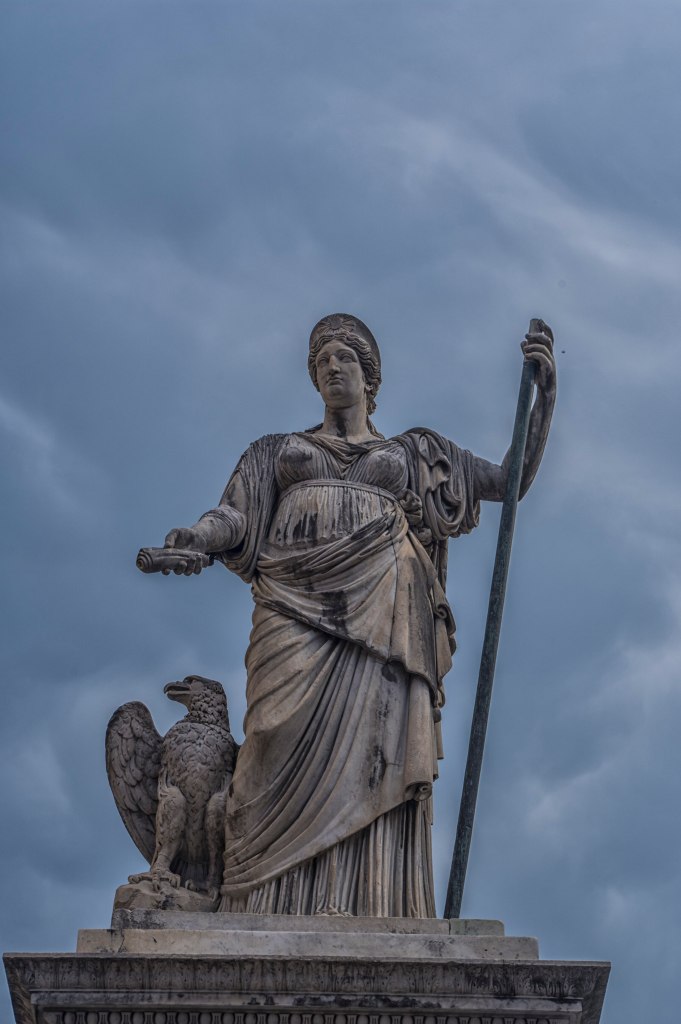
All that remains are the beautiful marble statues…
(images Wikimedia Commons)

