Once upon a time there was a shining city by the sea: Genoa. A fair city built on bustling trade with the eastern Mediterranean, its merchant-oligarchs created a republic in which a select number of leading families shared rule through an elective title of doge, a local variant of the old Roman title dux or duke. In the thirteenth and fourteenth centuries, pre-eminent names like Adorno and Fregoso appear multiple times in the list of doges, replaced in later centuries by even more famous names like Spinola and Doria. Some of these families expanded their own dynastic power beyond the confines of the Republic into the hinterlands of Liguria and Piedmont and obtained fiefs from the Holy Roman Emperor; they eventually ranked amongst the highest nobles in Italy, notably the Doria princes and the Spinola dukes. These will have their own blog posts. They all left behind stunning palaces as monuments to Genoa’s prosperity.
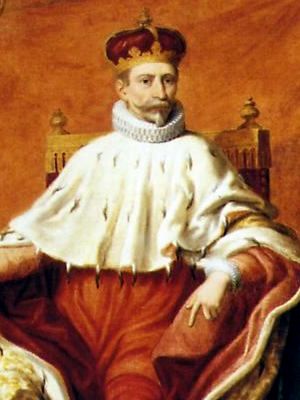
One family that is less well-known, Brignole-Sale, though they built two of the most well-known of these palaces, did not at first attain these princely heights. They did, however, create an independent power base in a marquisate that was considered sovereign, if extremely tiny: Groppoli, in the strategic mountainous region where Liguria, Tuscany and Lombardy come together. This family also started to consider themselves as one of the princely houses of Europe even if they didn’t strictly possess a princely title, dating from the first election of one of their members (out of an eventual four) to the position of doge. In 1635, Doge Giovanni Francesco Brignole staged a royal investiture as ‘king’ of Corsica—an island governed by Genoa since 1347—sealed with the gift of a new statue of the Virgin Mary to the Cathedral, along with a royal crown and sceptre entrusted for safe keeping with the Archbishop. Brignole argued that all Genoese patrician families, as potentially elected doges and thus kings of Corsica, were of equivalent rank to a prince of the blood in other states (noting that the meaning of ‘prince’ in many contexts was considered to be someone with potential to rule). The 1630s, it should be noted, was precisely the same period when princes all across Europe were putting forth various status claims to distinguish themselves from their peers, including uses of ‘highness’, ‘serene highness’ and ‘royal highness’—the latter style now claimed not just by sons of kings in France or Spain, but for the dukes of Savoy and grand dukes of Tuscany, the jealous neighbours of the doges of Genoa.
But this blog post is not principally about the princely doges of Genoa or the sovereign marquisate of Groppoli. Several miles to the east, near the city of Bologna in the province of the Romagna, was the estate of Galliera, which was not at all significant until it was purchased by Napoleon Bonaparte and given to his stepson’s firstborn child as a duchy in 1812. A generation later it was sold to a Genoese patrician, Raffaele de Ferrari, who married the heiress of the Brignole-Sale family, and was created Duke of Galliera by the Pope in 1837. The Duke and Duchess lived in Paris, and when she died in 1888, she left her Italian duchy to a prince of the House of Orléans, Antoine, Duke of Montpensier, who happened to be living in Spain as brother-in-law of the late king, Alfonso XII. The French family of Orléans-Montpensier would operate as Spanish princes, with the Italian title Duke of Galliera, throughout the twentieth century and indeed continues at present. They will be covered in Part II of this post.
The biggest legacy of the Brignole-Sale family is not the creation of the Duchy of Galliera, or the great wealth that enabled the foundation of an independent branch of Franco-Spanish princes. Rather it is some of the grandest residential buildings in Europe, including the hotels de Monaco and de Matignon in Paris and the twin Brignole palazzi, Rosso and Bianco, in Genoa, today the artistic centrepieces of that wonderful maritime city.
So it makes sense to start with these buildings in Genoa. But not at first the Red and the White. First something smaller, an ancient tower residence—the kind built by Italian urban nobles since the Middle Ages—in the oldest quarter of Genoa near the harbour, and a new villa on the outskirts of the city. The first was acquired by a Genoese merchant called Giulio Sale in 1583, and the second newly built by him in the years that followed. Sale was a noble senator of the Genoese Republic, who went on to acquire the marquisate of Groppoli from the Medici in 1592. When he died in 1607, all his properties passed to his daughter, Geronima, who had recently married her first cousin, Giovanni Francesco Brignole.
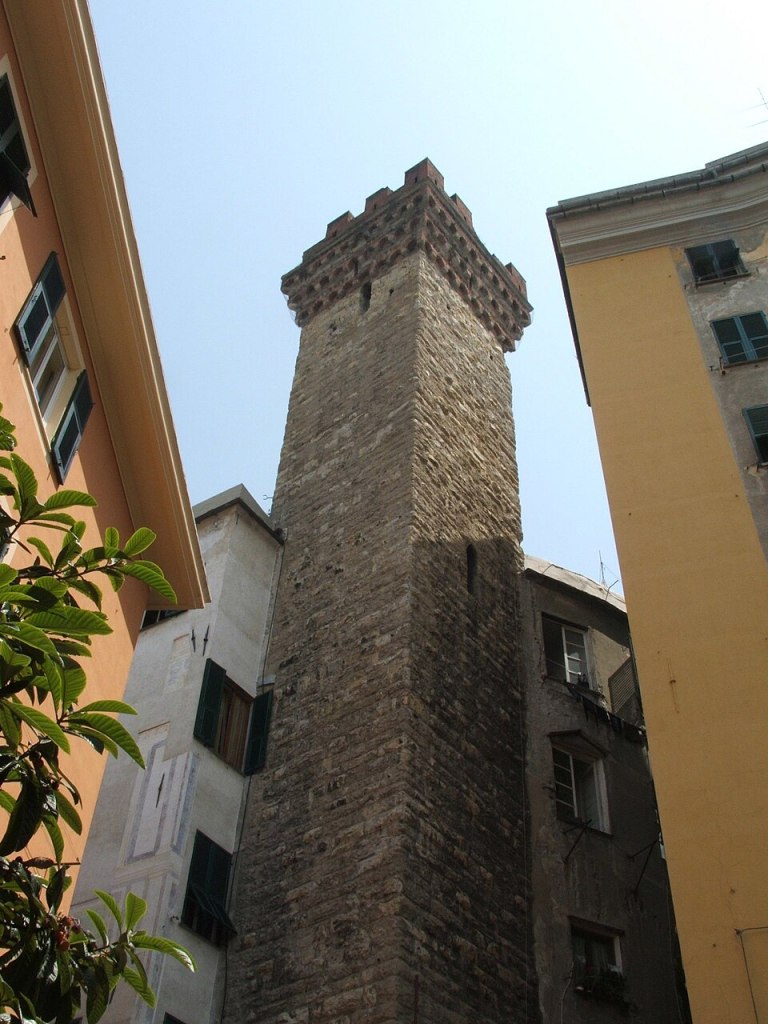
Of these properties, the oldest, was known as the Palazzo Giulio Sale. Its tower was built by the Embriaci family in the twelfth century. Purchased by the Cattaneo family in 1540, it was enlarged by the acquisition of an adjacent house. Renamed the Palazzo Brignole-Sale, it was again expanded in the seventeenth century. With their extinction in the 1860s, the palazzo passed to the Melzi-d’Eril family; and today it is divided into flats but the tower remains.
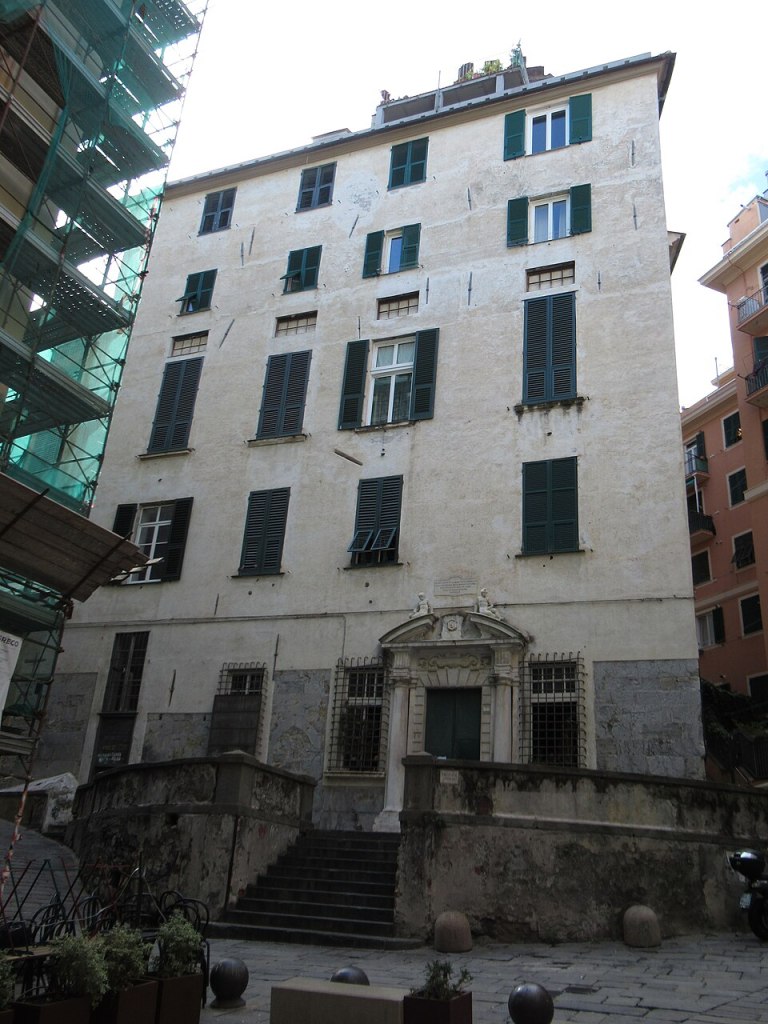
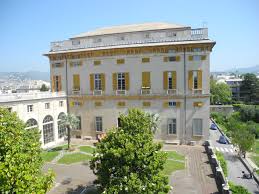
In the hilly eastern neighbourhood of Genoa known as Albaro, patricians built grand villas to escape the heat and smell of the city. One of these, built by Giulio Sale, became known as the Villa Brignole-Sale. Sold in 1882 to nuns, it is now a school.
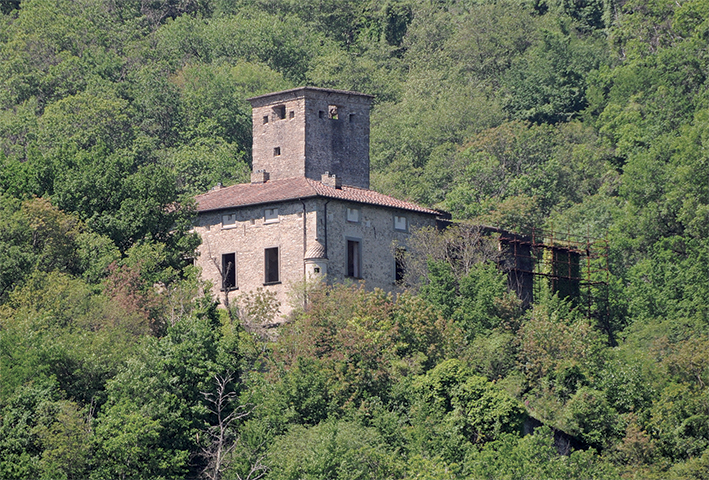
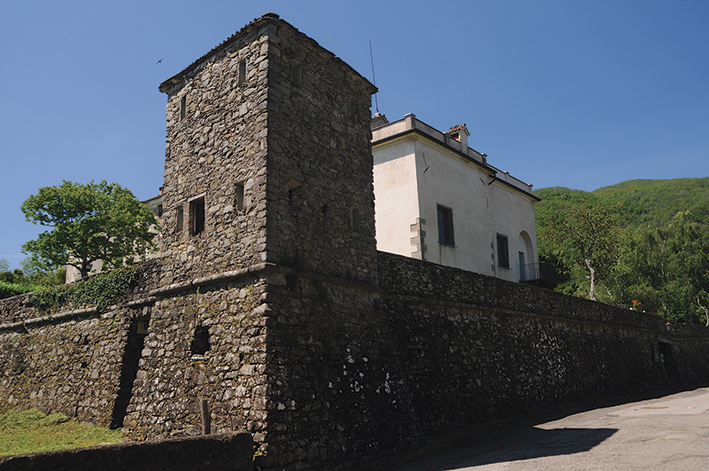
Groppoli had a much more complex past history. About a hundred miles to the east of Genoa, it was in a contested region known as the Lunigiana, desired by both Liguria and Tuscany, but kept independent by its feudal overlord, the Holy Roman Emperor. The Empire always maintained a degree of sovereignty over these north Italian states, though at times purely nominal. The Lunigiana famously was divided between several micro-sovereignties, some consisting of just a single town or village. The best example was the twin state of Massa and Carrara, ruled by the Malaspina then the Cibo families (see a future blog post on them), until the entire area was absorbed by the Grand Duchy of Tuscany after the fall of the old regime in Italy in the 1790s. Groppoli was in fact one of the many tiny parts of the Malaspina sovereign territories—as Lombards, their custom was to divide the inheritance between sons (rather than consolidate with primogeniture), so from 1576, Groppoli split off from the main Malaspina marquisate of Mulazzo (itself an independent imperial fief since the 1160s), though just a year later it was sold to the Medici grand duke of Tuscany, Ferdinand I, and raised to the rank of imperial marquisate by Emperor Rudolf II. Ferdinand then re-granted it as a fief to Giulio Sale in 1592. Once in the possession of the Brignole-Sale family, the marquisate of Groppoli was ruled as if it was sovereign, ignoring complaints by the Medici grand dukes, and tacitly approved by the Habsburg emperor, until the 1750s-60s, when a centralising government in Tuscany tried to reclaim it, and finally succeeded in 1774. It was one of the tiniest states in Italy, being only 12 km2 and with less than a thousand people. The medieval Groppoli Castle, also known as Gavedo, is on a hilltop a few miles south of the town of Mulazzo; lower down the hillside in the village of Gavedo is the Villa Brignole-Sale, built in the 1640s, which today is a restaurant.
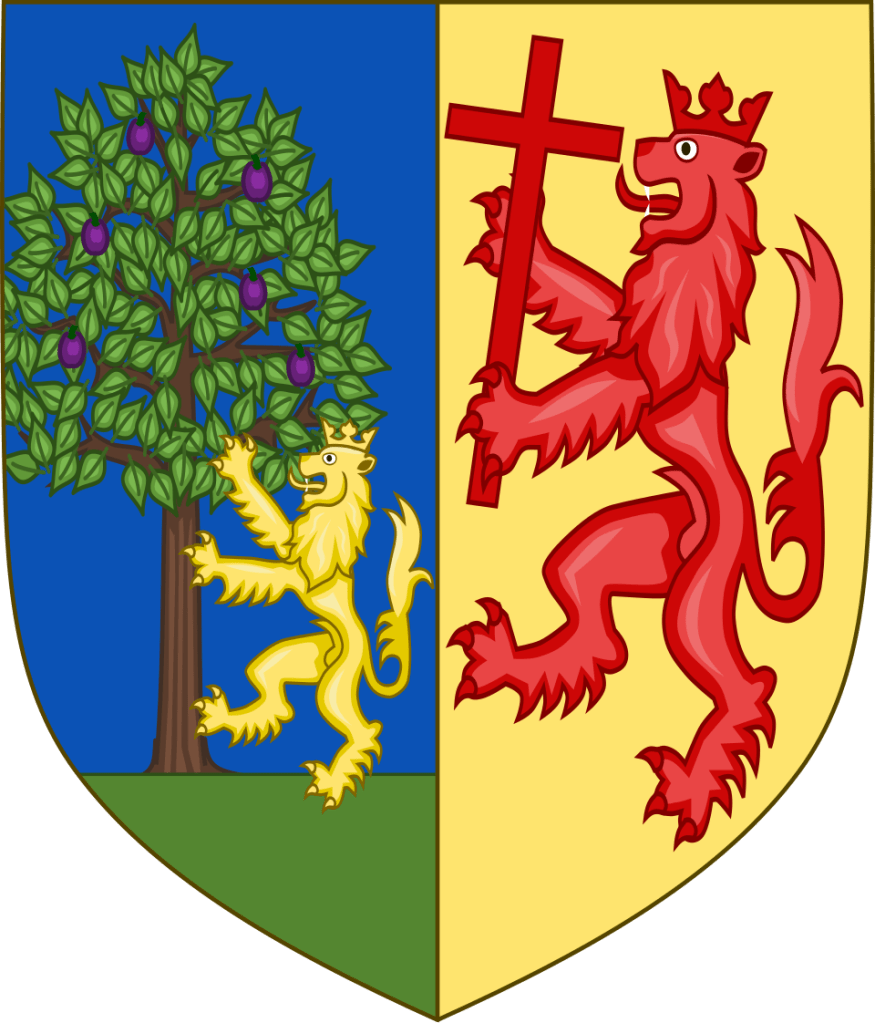
So by 1620, Giovanni Francesco Brignole and Geronima Sale were well set to establish a powerful new dynasty in Genoa. Giovanni Francesco was the son of Antonio Brignole—whose surname came from brignòle, a plum tree, which appears on their coat-of-arms. He was a wool merchant from Rapallo, a port further along the coast east of Genoa (near Portofino), who later expanded into silk, and made enough of a name for himself that he was elected to be a senator in the Republic. He married Maddalena Sale, sister of Giulio, and their children brought the two families together.
Their eldest son Giovanni Francesco rose through the ranks of Genoese society and held various jobs for the Republic, notably serving in embassies to Vienna and Rome, and as a magistrate in Corsica. He built up the family’s landholdings by purchasing fiefs from the Spinolas and Dorias, and in 1635 was elected Doge of Genoa. He served his two-year term and died shortly after. There would be three other doges from the Brignole-Sale family, including the very last one before the Republic was destroyed by the revolutionary armies of France.
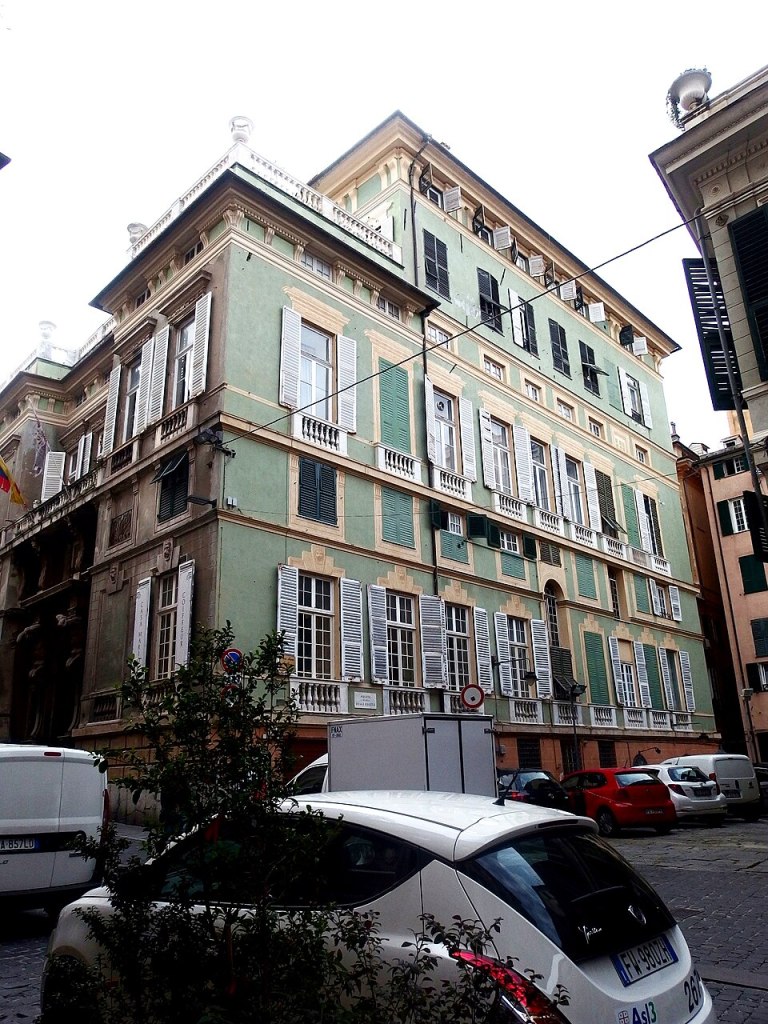
Antonio and Maddalena also helped build up their family’s power through marriages: daughters Geronima and Giovanna married into local noble houses, the former to a son of one of the most recent doges, the Durazzo, and the latter to one of the oldest families in the region, with princely status, the Saluzzo. Of their two sons, Carlo married into the local Merello family and was able to start his own cadet branch of the family, housed in their own palace in Genoa, today known as the Palazzo Gio Carlo Brignole or the ‘Palazzo Verde’—the first of our ‘coloured’ Genoese palaces. Built in 1628 on the Piazza della Meridiana, at one end of the aristocratic Strada Nuova—see below—and renamed for his grandson Gio Carlo who enlarged it. It later passed to the Durazzo cousins (becoming the Palazzo Brignole Durazzo) and today houses the headquarters of the Hifi Prestige sound system company.
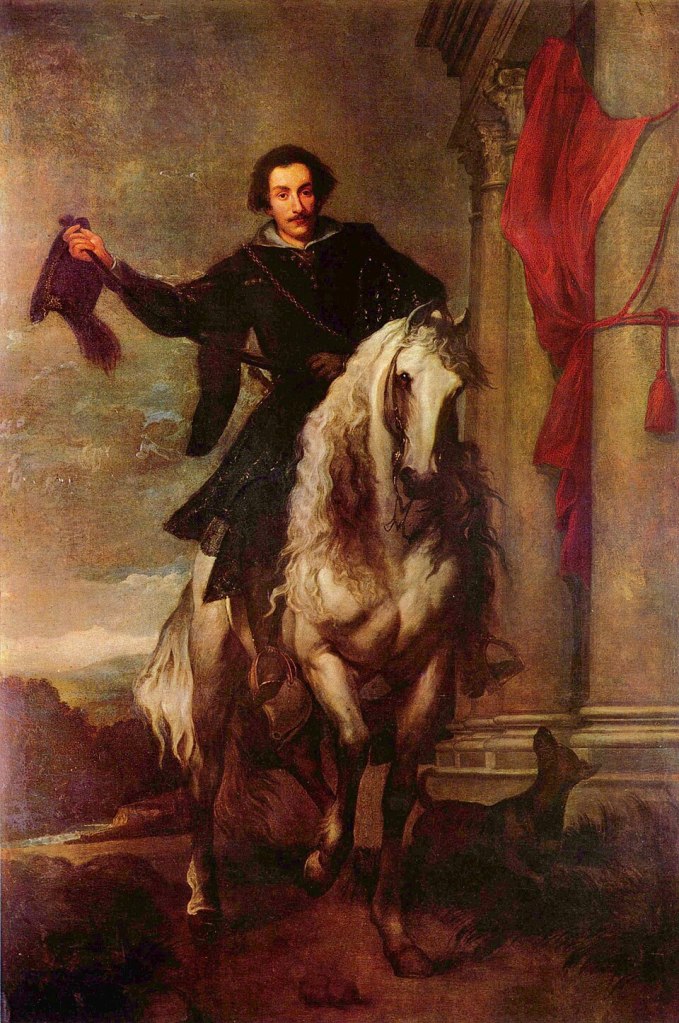
We will come back to the cadet line later. The child of Giovanni Francesco Brignole and Geronima Sale, Anton Giulio, took the name Brignole-Sale and became the 2nd Marchese of Groppoli, formally invested again by the Grand Duke of Tuscany in 1610. He continued to solidify his family’s place in the Genoese social hierarchy by marriage to Paolina, whose father was an Adorno and whose mother a Spinola, practically Genoese royalty. Anton Giulio was a diplomat like his father as well as a literary patron; later in life as a widower he retired from the secular world and became a Jesuit.
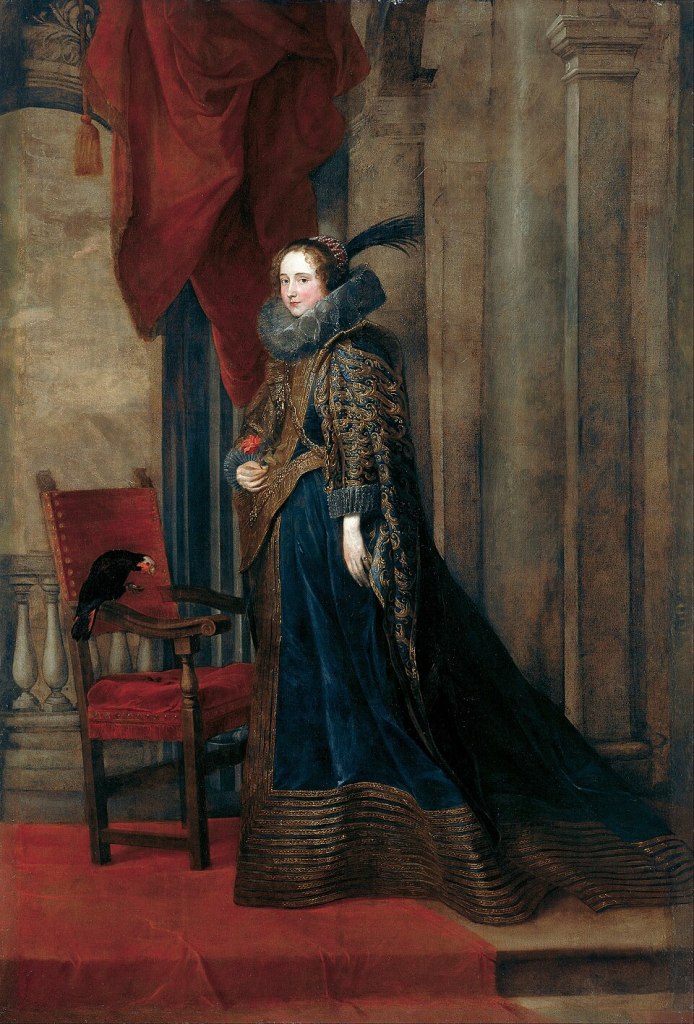
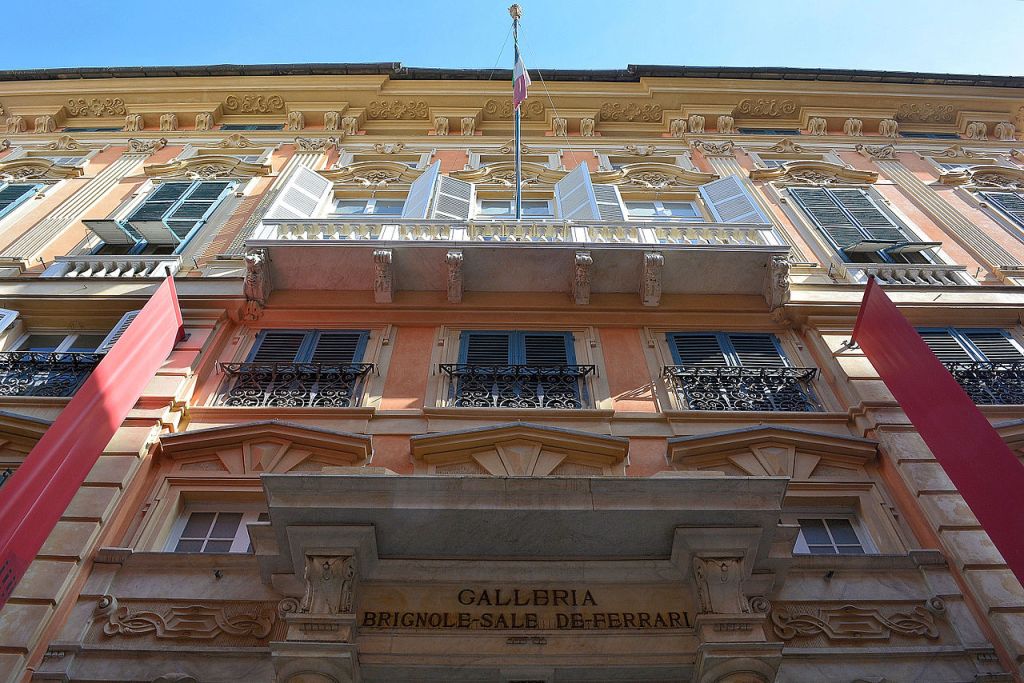
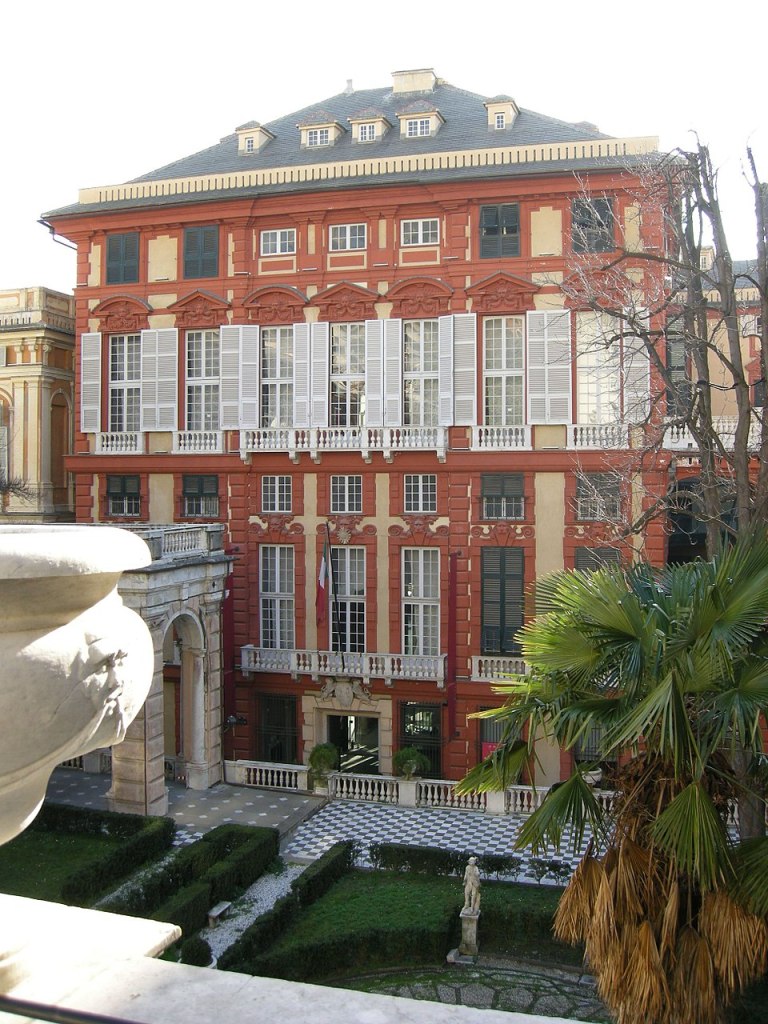
Their two sons Rodolfo and Giovanni Francesco continued to expand the family’s presence in the urban landscape of the city. In 1671, the brothers built a new mansion on the Strada Nuova, one of the grand streets being developed up the hill away from the old medieval city and its busy harbour, much more likely to catch fresher breezes wafting up from the sea. Originally conceived as the Strada Maggiore in 1550 and nicknamed the Strada Aurea (‘Golden Street’) in the eighteenth century,since 1881 it has been called Strada Giuseppe Garibaldi. The entire street is a UNESCO World Heritage Site. The brothers divided the new palace, each with his own piano nobile. The Palazzo Rosso’s distinctive red exterior drew visitors in, to hanging gardens, ceiling frescos and a collection of paintings by the leading artists of Europe: Reni, Del Sarto, Van Dyck, Veronese, on and on and on… In 1872, the Duchess of Galliera donated the building and its collections to the city of Genoa, but it remained in the style of a house-museum until major renovations in the 1950s greatly expanded the gallery space.
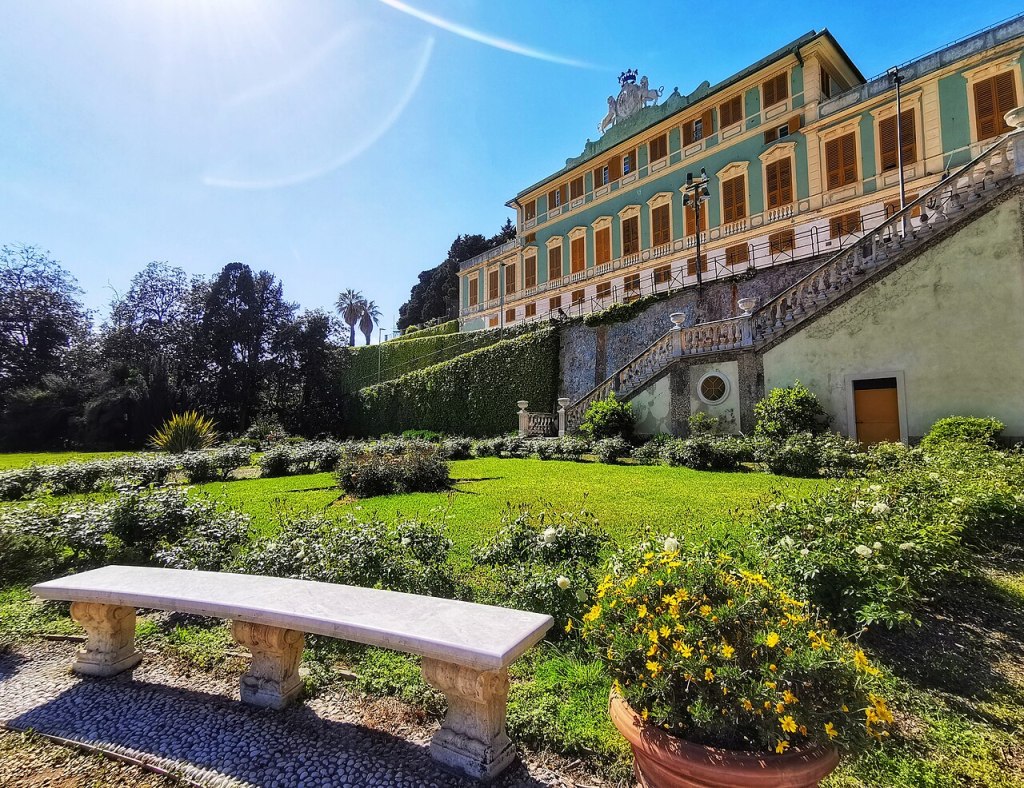
Meanwhile, in 1675, Giovanni Francesco acquired a villa in Voltri, another suburb of Genoa. Much more spacious than the villa in the east, this villa in the west was set in a large park, developed as baroque gardens in the early eighteenth century, then redeveloped as an English park in 1803, and redeveloped again in a Romantic style by the Duchess in 1872. When she died, she left the Villa Brignole-Sale and its gardens to a pious charity bearing her family name. Since 1931 it has been run as a public park by the city of Genoa. Today it is known as the Villa Brignole Sale Duchessa di Galliera.
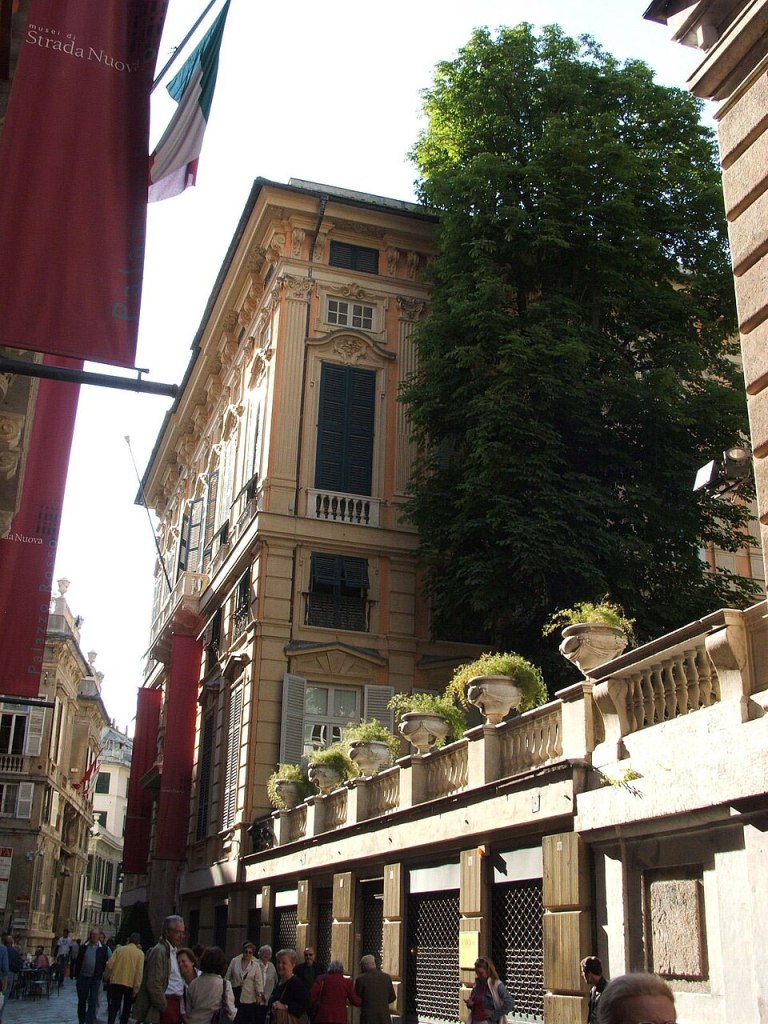
So now that we have a green and a red palace, what about the famous white palace, the Palazzo Bianco? In 1711, the widow of Giovanni Francesco, Maria Durazzo, acquired the palace across the street from the Palazzo Rosso as the principal creditor of the De Franchi family. This was a much older building, built in the 1530s for the Grimaldi family—Genoese patricians who were distant cousins of the sovereign princes of Monaco—and acquired by the De Franchis in 1658. Marchesa Maria renovated the palace in 1714 and gave it the name ‘bianco’. Like the Palazzo Rosso, the Palazzo Bianco was given to the city in the nineteenth century—its ‘galleria pubblica’ was specifically mentioned in the Duchess’s will of 1884. It too was redesigned in the 1950s, and houses more spectacular masterpieces, by Caravaggio, Raphael…
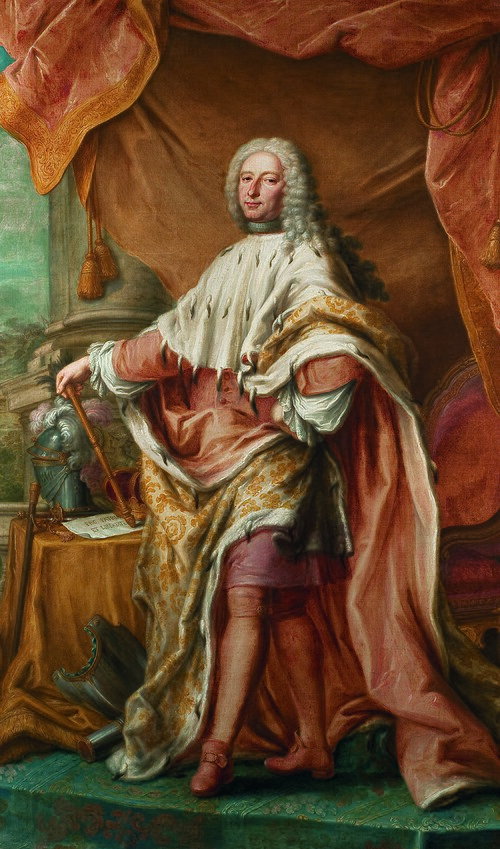
Rodolfo and Giovanni Francesco succeeded their father as 3rd and 4th Marchesi di Groppoli, followed by the latter’s son Anton Giulio, who died young in 1710. Of his four sons, two were elected doge of Genoa. The eldest, Giovanni Francesco, had a long career in service to the Republic starting in the 1730s, when he served as general of its galleys and director of public works, successfully repairing the great aqueduct that brought fresh water to the city and overseeing the construction of a new port. As ambassador to France, 1737-39, he withdrew from an age-old alliance with Austria to ally with France, inviting them to aid in the oppression of independence movements on Corsica—though in the long term, this ended with Genoa’s complete cession of the island to France in 1768 (and the end of the doges’ claims to its royal title). The new alliance also led to an invasion by Austrian troops in the War of Austrian Succession (1740-48), during which Brignole-Sale led the small Genoese army under Franco-Spanish command in a bold attempt to defend the Republic. After several victories in the field, Giovanni Francesco was elected doge in March 1746, but Spain’s sudden withdrawal from the war in June led to a complete occupation of the city and the Doge’s humiliating surrender before an Austrian general, ironically the Genoese soldier Antoniotto Botta Adorno. By the end of the year, however, a popular revolt in Genoa drove the Austrians out, and the Doge re-asserted command, acceded to revolutionary demands for democratic government, then slowly rescinded these concessions once peace was restored in late 1748. By this point, Giovanni Francesco II was no longer doge; he spent the last decade of his life tending his feudal estates in Groppoli—which meant confronting a newly aggressive Tuscany.
Since 1737, a new dynasty ruled in Florence, the House of Lorraine, and the new Grand Duke, Francesco II (the future Emperor Francis Stephen), was a determined reformer. One area needing reform was Tuscany’s messy relationship with the feudal lords on its northern borders, especially those in the Lunigiana protected by Imperial law since the Middle Ages. Once Francis Stephen was himself elected Holy Roman Emperor in 1745, this protection was obviously lost, and new decrees were passed in 1749 abolishing the old privileges of the semi-sovereign fiefs like Groppoli, claiming they were now merely Tuscan fiefs and had to comply fully with Tuscan law. The Brignole-Sale family held out for several years, but finally gave in and acknowledged Tuscan sovereignty in 1774.
After the eldest of the four brothers died in 1760, the two remaining brothers, Giuseppe Maria and Rodolfo Emilio, fought over the succession, and notably over full proprietary rights over the Palazzo Rosso, notably because the former only had a daughter and the latter was concerned the palace and other properties would pass out of the family when she married. Indeed, Rodolfo also opposed Giuseppe’s choice of a husband for his daughter, Maria Caterina. In 1757 she had married Honoré III Grimaldi, Prince of Monaco. On paper this was a fantastic marriage, to a sovereign prince and a member of the wider Genoese dynasty of Grimaldi (who had also provided several doges in the eighteenth century), but the Prince was seen as an unsavoury character, and rumoured to be the lover of his new wife’s mother, Maria Anna Balbi (whose own father had also been a doge, back in the 1730s). The dispute nearly resulted in a duel, until the matter was settled by Republican courts agreeing that Rodolfo would be the primary heir of Giuseppe, not Maria Caterina. As it turned out, the marriage was unsuccessful, and after having given the Prince two sons, the Princess of Monaco legally separated from her physically abusive husband in 1770. While he publicly flaunted his mistresses in Parisian society, she too had already begun a relationship with the Prince of Condé, Louis-Joseph de Bourbon, a cousin of the King of France.
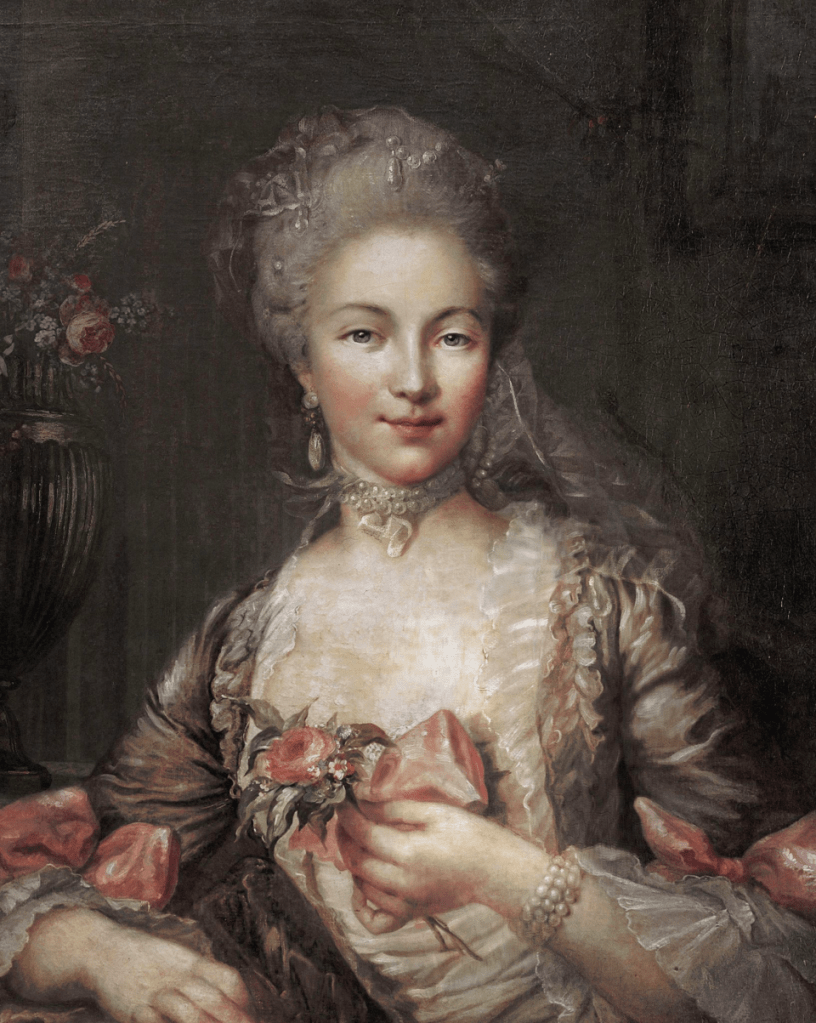
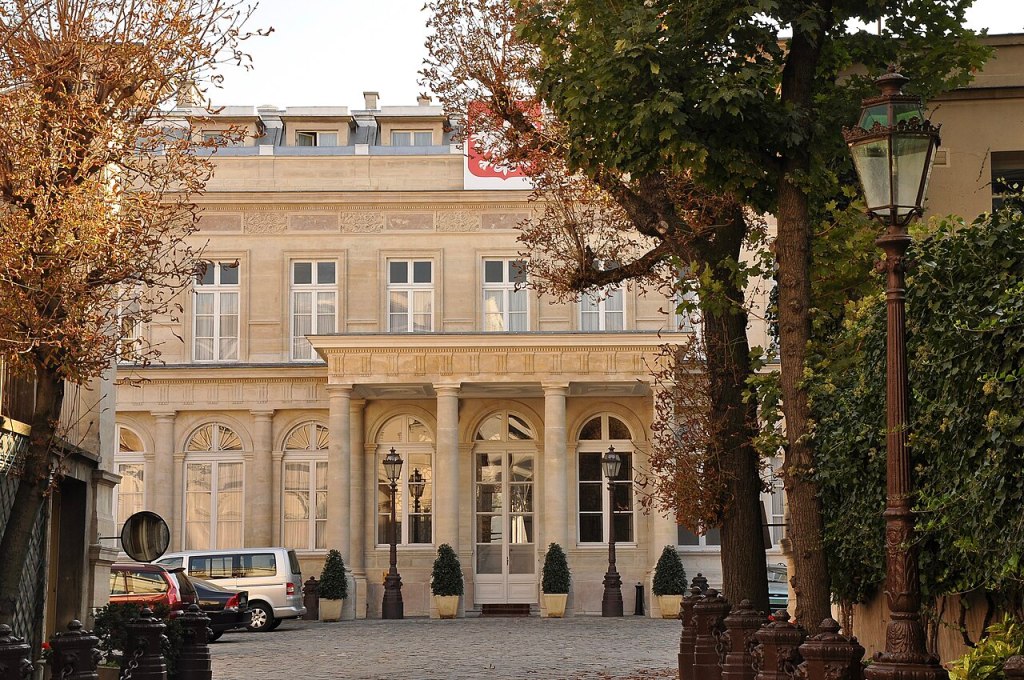
At first the beautiful and cultured Princess of Monaco lived in Paris with the Prince of Condé at his Palais Bourbon in the Faubourg Saint-Germain or at his country house at Chantilly. Then in 1773, she used her newly restored dowry to purchase a plot a few streets away from the Condé residence and constructed a new Hôtel de Monaco. Her husband resided in the nearby Hôtel de Matignon (about which more below), or far to the south in his principality on the Mediterranean coast. The Hôtel de Monaco was built in bold neo-classical style, but didn’t remain in the family long. Soon after the Revolution broke out, both Marie-Catherine and Louis-Joseph left France, and the building was leased as a residence for the British ambassador, then the Ottoman ambassador. Sold to the Marshal Davout in 1808, from the 1820s it housed various dignitaries and private individuals, notably the Austrian ambassador in the 1830s. Since 1938 it has been the residence of the ambassador of Poland.
Marie-Catherine Brignole-Sale accompanied her partner the Prince of Condé to his court in exile established in Koblenz on the Rhine. While all of his private income was confiscated by the French government, hers was not, and she was crucial in funding his household and the creation of an army of émigrés in the early years of the Revolutionary Wars. After 1792, this counter-revolutionary effort failed and the couple moved to England where they resided in a house in Wimbledon. In 1795, the Prince of Monaco died, and a few years later, the Princess and Condé married, though they kept it secret until 1808. She died in 1813 and is buried in London, missing by only a year what would have been a triumphant return to France as Princess of Condé, a princess of the blood, outranking every woman at court save those of the immediate royal family.
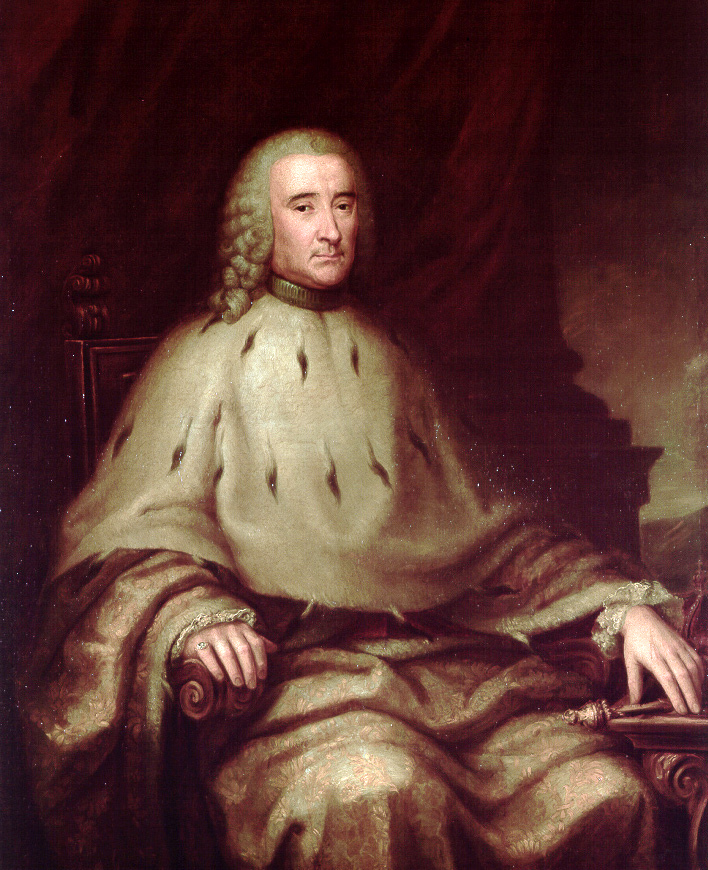
Meanwhile, back in Genoa, the youngest brother of Doge Giovanni Francesco, Rodolfo Emilio, rose through the ranks of the Genoese Republic in the 1750s, serving in various posts in the magistrature and administration. In 1762, he was elected Doge of Genoa for a two-year term, during which he made strides in reforming education and monastic property holding—very much in line with other reforming princes of this decade. After his term was up, he continued to serve in other posts, and after 1769, succeeded his brother Giuseppe Maria as 8th Marchese of Groppoli, which meant continuing the struggle against the Grand Dukes of Tuscany.
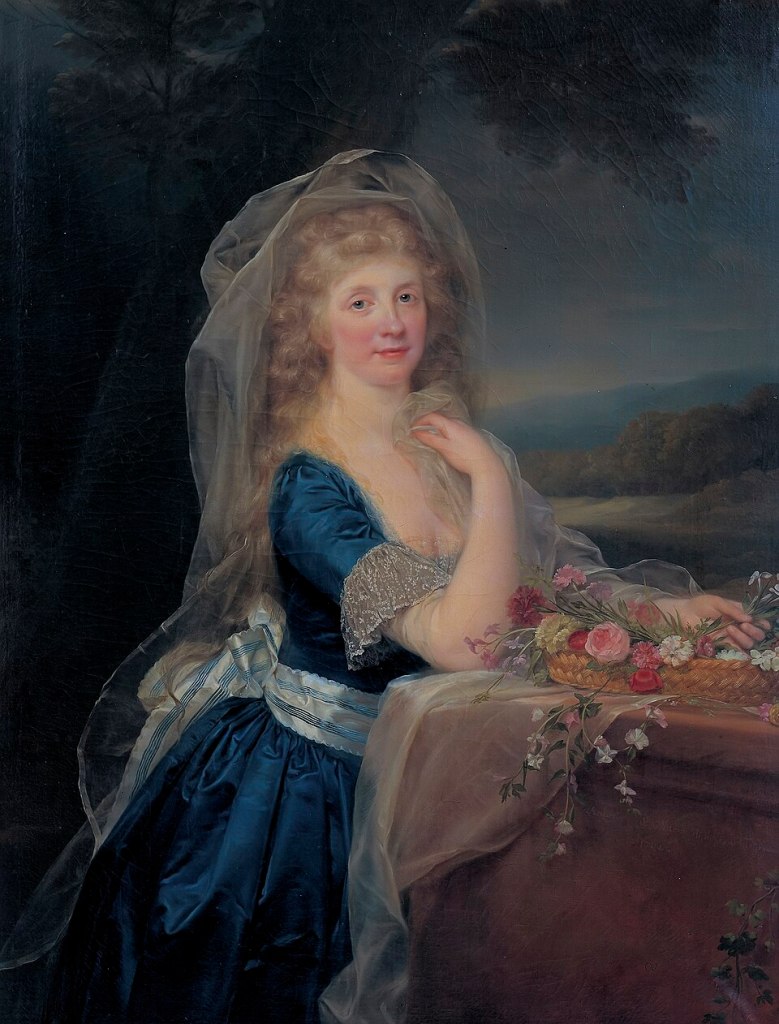
He was succeeded in 1774 by his son Anton Giulio, whose marriage to Anna Pieri, from a patrician family in Siena, contributed to the last flourishing of high society in ‘La Superba’, the Republic of Genoa, notably in the grand balls she staged at the Villa Brignole-Sale in Albaro and the new theatre she built at the Villa Brignole-Sale in Voltri. Following the fall of the ancient republic in 1797, and its liberation from Austrian occupation in 1801 by Napoleon, Anna became a fervent Bonapartist. Her husband died in 1802 and the widowed Marchesa di Groppoli travelled between Paris, where she became a lady-in-waiting to Empress Josephine in 1804, and Genoa, where she hosted pro-French intellectuals in her Palazzo Rosso—indeed, a treaty was signed here in June 1805 by which the new ‘Ligurian Republic’ was annexed to the French Empire. In 1810, Anna and her son Anton moved to Paris where she became lady-in-waiting to the new empress, Marie-Louise of Austria. She was created a Countess of the Empire in her own right, and even worked on Napoleon’s behalf to try to forge closer ties with Rome where one of her relatives was a chief advisor to Pope Pius VII. After the defeat of Napoleon in 1814, both she and her son travelled to Vienna where her son tried to re-establish the independence of a Genoese republic (which failed, and Liguria was annexed to the Kingdom of Sardinia), and Anna remained in service to Marie-Louise before dying at Schönbrunn in 1815.
Of Anton Giulio and Anna’s children, the eldest, Rodolfo, had abandoned his rights as Marchese di Groppoli (now merely a Tuscan title, with no claims to sovereignty) in 1806 and became a priest, and, thanks to his mother’s ties with the Papacy, was given the purely titular rank of Bishop of Assuras—an ancient Roman bishopric in North Africa (now Tunisia) that had not existed since the Islamic takeover centuries before. His younger brother Antonio, 11th Marchese di Groppoli and Count of the Empire of the French, returned from the Congress of Vienna and pragmatically entered the service of the King of Sardinia. He was a diplomat in Spain, England and Russia before being named Ambassador to France in 1836, and, like his mother, was a major figure in society and politics, now under the July Monarchy of King Louis-Philippe. At the collapse of this regime in 1848, he was recalled and named a Senator of the Kingdom of Sardinia. He died in 1863 leaving only two daughters—to whom we shall return (one being the Duchess of Galliera)—and the heirs of his sister, Maria Pellegrina, Duchess of Dalberg, who, like her mother, had been a lady-in-waiting of the Empress Marie-Louise. Her husband, the Duke of Dalberg, was a leading figure in Napoleonic Germany (and a blog is in preparation on that family), and thanks to this prestige, their children were able to claim a part of the Brignole-Sale succession in 1863, notably the marquisate of Groppoli. From the Dalbergs it passed to the House of Acton who continue to use this title today.
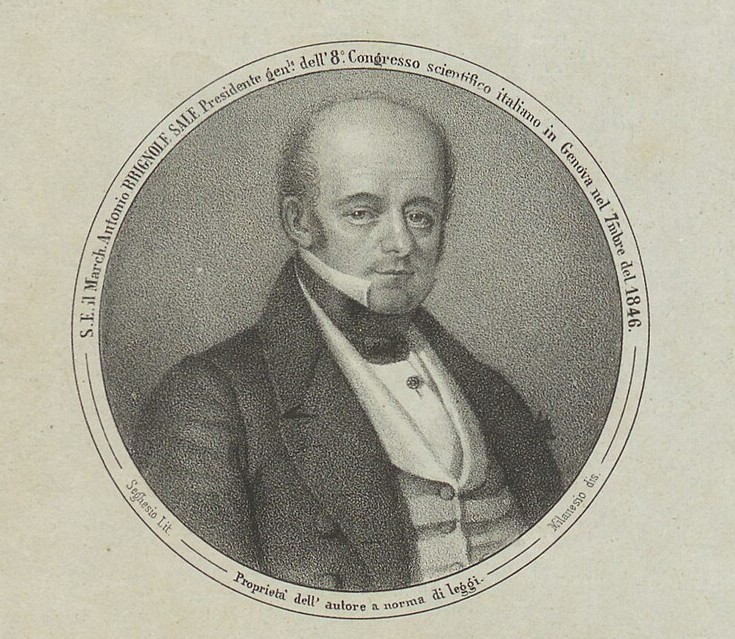
Before returning to France and the other half of the succession, we need to look at the cadet line of the House of Brignole-Sale, and three of its members who also made their mark on the history of Genoa and Italy.
Giacomo Maria Brignole-Sale was the only doge elected twice; he was also the last ever doge. First elected in 1779, then in 1795, he served until the Republic was destroyed in 1797. In this second term, he had tried to maintain neutrality as French armies under the command of General Bonaparte battled across northern Italy against the forces of the King of Sardinia and the Austrian Emperor (as Duke of Milan). But he clashed with local Jacobins who were eager to see the gains of the French Revolution imported to Italy, and in May 1797, Bonaparte responded to news of civic disorders and occupied the city. The Doge agreed to negotiate for the future of the Republic: in June the Ligurian Republic was proclaimed, a client state of the Republic of France, with Brignole-Sale as its first doge, but the title was abolished within days, and although he remained in power as president of a provisional government, he was mostly under French direction and was replaced and eventually exiled in 1798. He moved to Florence where he died in 1801.
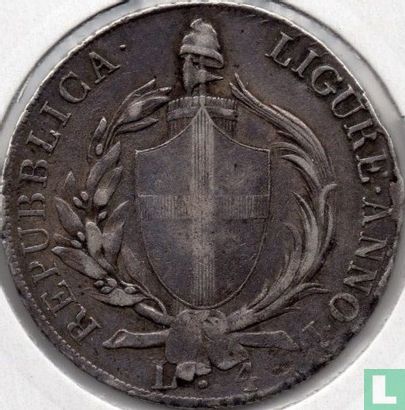
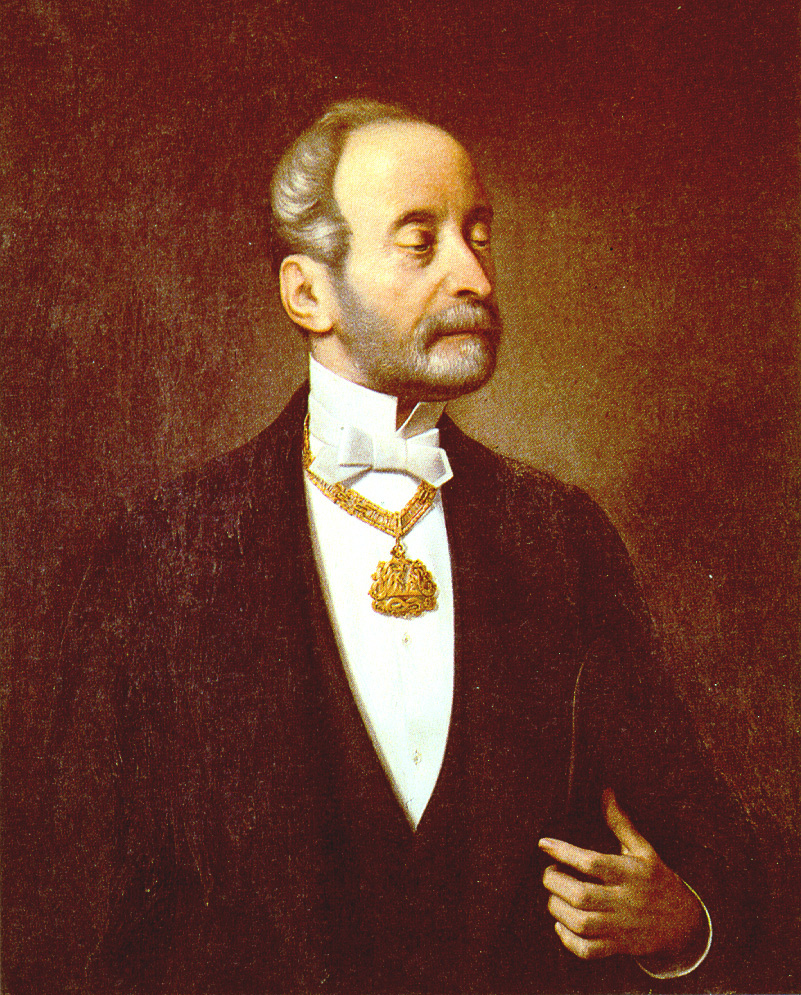
[please help–why is it difficult to find a painting of the last Doge of genoa?]
The last doge’s eldest son Gian Carlo remained in politics after returning from exile in 1814. After briefly trying to re-establish an independent Genoese republic, like his cousin Antonio, he immediately joined the service of the King of Sardinia, becoming a gentleman of the chamber in 1815, and was given the job of reorganising the University of Genoa. He served as the Kingdom’s Finance Minister for nearly a decade from 1816, and afterwards returned to Genoa to oversee its poor relief system.
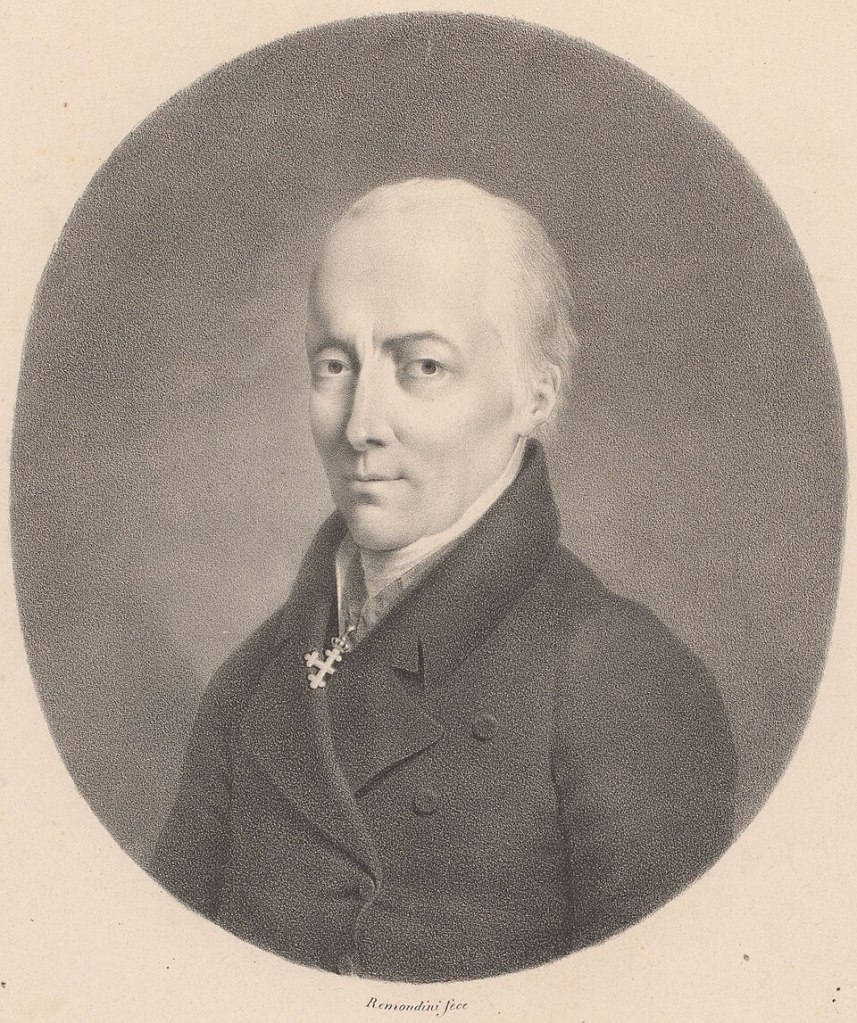
Gian Carlo left three sons, the youngest of whom became a major figure in the papal government in the 1850s. Giacomo Luigi worked in the finance administration of the Apostolic Chamber in the 1830s, and was named titular Archbishop of Nazianzus, another former diocese in Muslim territory (now central Turkey). He was promoted to Cardinal in 1834 and passed through various posts including Papal Legate to Ferrara and Vicar of the Lateran Basilica before he was appointed Camerlengo of the Sacred College in 1851, the head of finances for the College of Cardinals. He held this post for a year, then died in 1853.
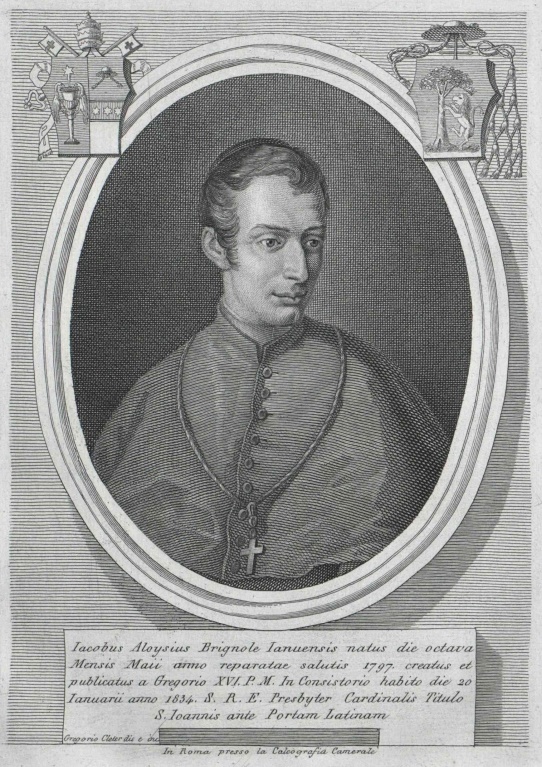
The Cardinal Brignole’s nephew Benedetto would be the last male member of the House of Brignole-Sale (other more distant lines of the Brignoles do persist). And so we must turn back to the primary heiress of the main branch, Maria, Duchess of Galliera and shift our attention back to France.
Born in Genoa when it was still part of the French Empire, we might even consider her French by birth. In 1828, when she was only 17, she married Raffaele De Ferrari, whose family were also Genoese patricians, with several doges in their pedigree (including his uncle, Doge Raffaele Agostino De Ferrari, in 1787-89). He became a banker and an investor in railroads, as a co-founder in the 1850s of the Compagnie des chemins de fer du Midi, which developed railroads from Lyon to Paris and to other parts of France, the Piedmont, the Pyrenees, Morocco, etc. He was involved in the formation of Crédit Mobilier, one of the most significant and influential financial institutions in the nineteenth century, involved in railroads in South America and the building of the Suez Canal. He was listed amongst the ‘millionaires’ of nineteenth-century Europe, and supported charities in France and back in Genoa, and funded improvements to the city’s port. One of Genoa’s main train stations is still today called the Brignole. As a reward, he was named a Senator of the Kingdom of Sardinia. Raffaele and Maria had also climbed higher on the social ladder when they were created Duke and Duchess of Galliera by the Pope in 1837, and much later, Prince and Princess of Lucedio by the King of Italy in 1875.
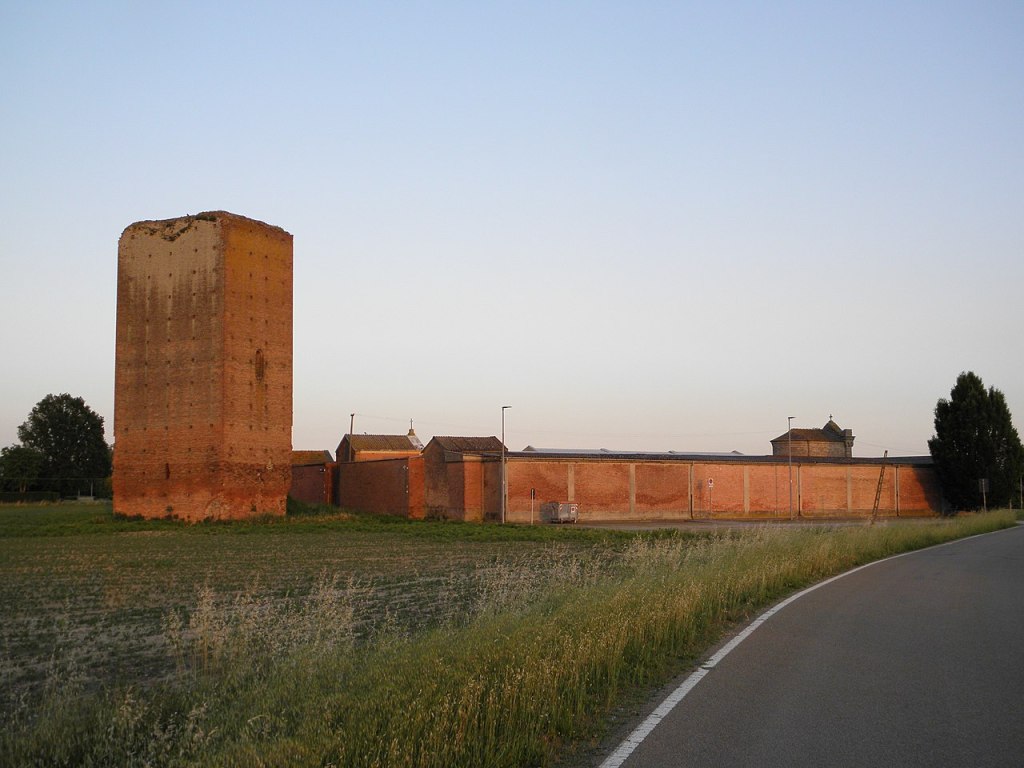
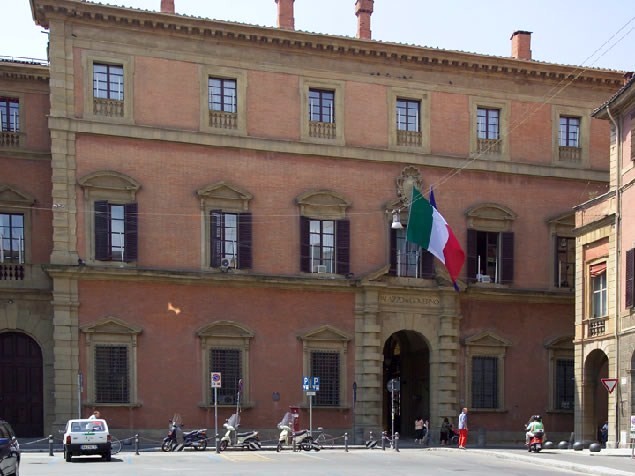
Galliera is a small village in the province of Bologna, in the Romagna, at the time still part of the Papal States. It had a medieval tower, just outside the village, but otherwise was insignificant as a fief. It must have been the richness of its agricultural estates in the fertile plains south of the river Po that drew Napoleon Bonaparte to acquire it when he visited Bologna in 1805. That year, Bonaparte was in the process of creating a new Kingdom of Italy and named his stepson Eugène de Beauharnais its viceroy (and assumed heir). Eugène’s first child was born in 1807, named after her grandmother Joséphine, and was given the titles Princess of Bologna and, a few years later, Duchess of Galliera. She was also given a residence in the city of Bologna itself, the Palazzo Caprara, built by the Caprara family in 1603. The house often hosted illustrious guests, aristocrats on tour, popes touring their provinces, and Napoleon himself when he visited Bologna in 1796, and again in 1805, when he decided to purchase it. In 1823, Joséphine de Beauharnais married Oskar, Crown Prince of Sweden, and in 1837 (shortly before becoming king and queen) they sold the Galliera property and the palazzo in Bologna to Raffaele De Ferrari, who was then created Duke of Galliera in 1838. The papal title was confirmed by the King of Sardinia in 1839. The Palazzo di Galliera was ultimately sold in the 1920s to the local government and, renamed Palazzo Caprara, houses the Prefecture of Bologna.
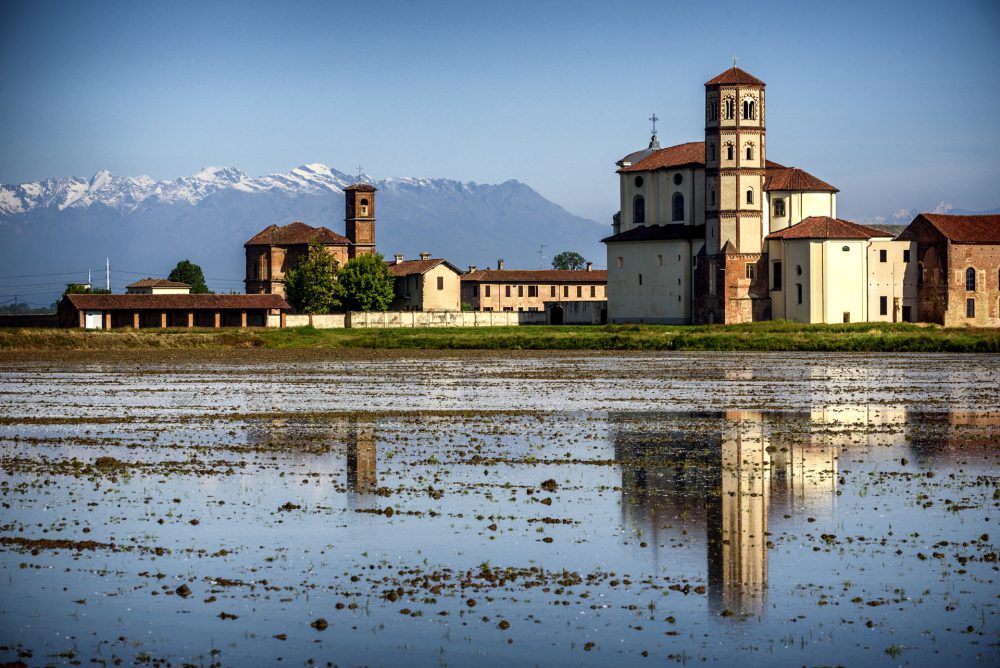
The King of Sardinia countered the Pope’s gift of a duchy by creating a principality of Lucedio, based on a secularised abbey De Ferrari had purchased in 1861. The abbey was an ancient Cistercian foundation from the twelfth century located in the Monferrato area of the Piedmont, north of the Po in the province of Vercelli. This too is rich agricultural land, famous for its rice, so was a good acquisition for the new Duke and Duchess of Galliera. It too had previous Napoleonic connections, having first been given by the Emperor to his brother-in-law, Prince Camillo Borghese. His possession threatened by the King of Sardinia, Borghese sold the estate in 1818 to Marchese Gozzani di San Gorgio, whose heir accrued debts so sold it to De Ferrari. After the latter’s death in 1876, his son ceded it to a cousin, Marchese Andrea Carrega Bertolini, who was allowed the keep the title ‘Prince of Lucedio’ by the King of Italy. In 1937, the ‘principality’ (as it is still called) was repurchased by descendants of the Gozzani family who maintain it today as a rice farm and tourist attraction.
The most important acquisition made by the ducal couple was not in Italy, but in Paris: the Hôtel de Matignon—aka the Hôtel Galliera. Whether it is just a coincidence that the Genoese duke and duchess were attracted to the other former grand residence of the Grimaldis (themselves having Genoese roots)—the other one (the Hôtel de Monaco) having been built by another Brignole-Sale princess—I do not know. This building was older, constructed when the Faubourg Saint-Germain was first being pushed as the new fashionable area of the French capital in the first years of the eighteenth century. The initial proprietor, the Prince of Tingry, spent so much on it, however, that he had to sell it before it was completed, in 1725, to Jacques Goyon, Comte de Matignon. He gave it to his son, the Duc de Valentinois, husband of Louise-Hippolyte Grimaldi, heiress of the principality of Monaco. The Hôtel de Matignon became an anchor for high society on this side of the Seine. Confiscated in 1793, then restored in 1802, the Grimaldis sold the Matignon and its large park (said to be the largest private garden in Paris) to Anne-Eléonore Franchi, a dancer and former mistress of Emperor Joseph II. Prince Talleyrand lived here at the height of his power under the Empire, hosting four lavish dinners a week as Minister for Foreign Affairs, then in 1811 sold it to the Emperor. Transferred into royal hands in 1814, Louis XVIII exchanged it for the Elysée Palace with his cousin the Duchess of Bourbon, who then left it to her niece Adélaïde d’Orléans. After the revolution of 1848, the Orléans properties were confiscated once again, and there was a plan to make it the seat of the executive for the Second Republic, but it was sold instead to the Duke and Duchess of Galliera in 1852. In the mid-1870s, the Duchess opened up the Hôtel de Matignon as a residence for the Count of Paris (the pretender ‘Philip VII’) and his family, clearly demonstrating her sympathies as an Orléaniste; but when he hosted a huge event here celebrating the marriage of his daughter Princess Amélie to the Crown Prince of Portugal in 1886, the French public was outraged at such public ostentation and a new law of banishment was passed, exiling the House of Orléans once again. Angry with the French state for this, the Duchess of Galliera donated the Hôtel Galliera to the Emperor of Austria who made it his embassy. Confiscated once more during the First World War as enemy property, by 1922 it was fully owned by the French state and, again known as the Matignon, was developed as the residence for the head of state, at that time called the President of the Council of Ministers, but since 1958, the Prime Minister. It retains this function today.
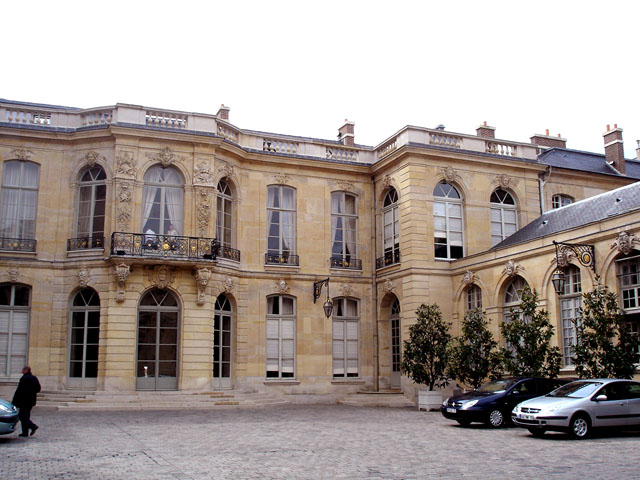
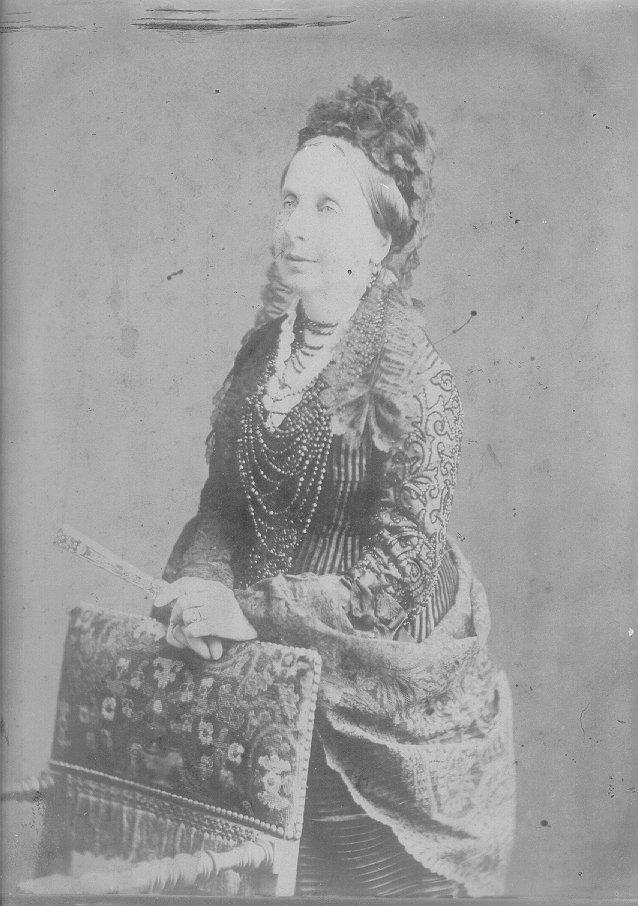
The Duke and Duchess of Galliera had one son, the intriguingly unusual Philippe de Ferraris. Born in Paris in 1850, and godson of the recently exiled King and Queen of the French, he had Italian nationality at first, then was naturalised French and then took Austrian citizenship after he was adopted by an Austrian count and became to use the name Philipp von Ferrary or Philippe de La Renotière de Ferrari. He renounced the succession to his father’s titles at this point (1876), but not his father’s money, and devoted himself to creating one of the greatest collections of stamps in the world, eventually worth millions. The philatelist also taught history at Paris’ School of Political Science (known today as ‘Sciences Po’). Despite his mother’s donation of the Hôtel de Matignon to the Austrians, her will stipulated that he would always maintain an apartment there, but when war broke out he—being an Austrian citizen—fled abroad to neutral Switzerland where he died in 1917. The French government seized the stamp collection and sold it for an enormous sum.
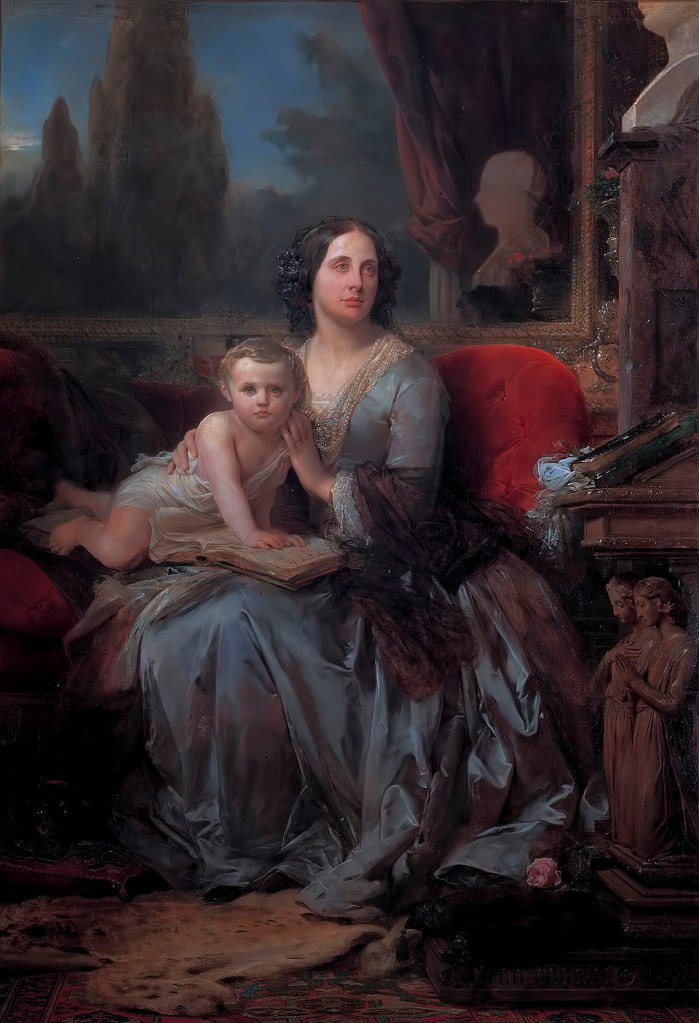
As a widow from 1876, the Duchess of Galliera became a major philanthropist. She founded the Galliera Hospital in Genoa and an orphanage in the Paris suburb of Meudon. She decided to donate land she and her husband had acquired in Paris’ sixteenth arrondissement (not far from the Trocadéro) to build an art museum to house the Brignole-Sale collections—amongst the finest in the world. But, outraged by the law of exile for the Orléans in 1886, she changed her will and left the art to the city of Genoa. She had long before opened up the two main family palaces in Genoa, Rosso and Bianco, to the general public, and now they had the means to become two of the most celebrated galleries in Europe. The building of the Musée Galliera had already been started however, and given to the city of Paris. It was completed in 1894, and used for temporary exhibitions of modern art, industrial art and so on; then in 1977 it was rechristened as the Palais Galliera, housing the City of Paris Museum of Fashion.
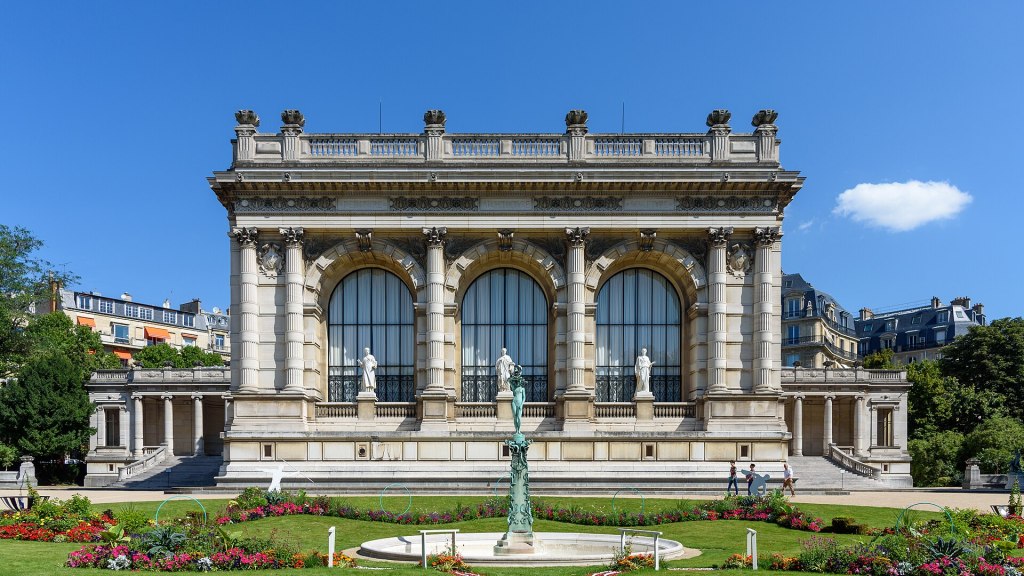
Have left major donations to France, Italy and Austria, perhaps the most interesting donation—for a site about dukes and princes—was the legacy of the duchy of Galliera itself to the youngest son of the late King Louis-Philippe, now acting as an adjunct member of the royal family of Spain: Antoine d’Orléans, Duke of Montpensier. Part II of this post will shift the focus to the later dukes of Galliera, of the House of Orléans-Montpensier.
(images Wikimedia Commons)


Dear Jonathan
Thanks for what , on a quick glance promises to be another fascinating addition to your portfolio. I look forward to reading it at leisure.
Yours ever
Roger
LikeLiked by 1 person
Thanks for your study about Genova. This is my birth place ♥️ Regards
Alessandra
LikeLiked by 1 person
I’m glad you liked it! I had such a wonderful visit there a few years ago.
LikeLiked by 1 person