The Duchy of Galliera, as seen in Part I, was created in 1839 for Raphaelle De Ferrari and his wife Maria Brignole-Sale, centred on a tiny village in the Papal States north of Bologna. After the death of the pro-Orléanist Duchess of Galliera in 1888, the Duchy was willed to Antoine d’Orléans, Duke of Montpensier, youngest son of the late King Louis-Philippe of France and brother-in-law of the Queen of Spain, Isabel II. He was thus a senior figure within the Spanish royal family, and he and his descendants would remain so until the 1930s. Though his heirs sold the lands in Italy themselves in the 1920s, they are still today known as the dukes of Galliera.
Before continuing the story of the Duchy of Galliera into the twentieth century, it is a good idea to back up and look over the history of the ducal title of Montpensier.
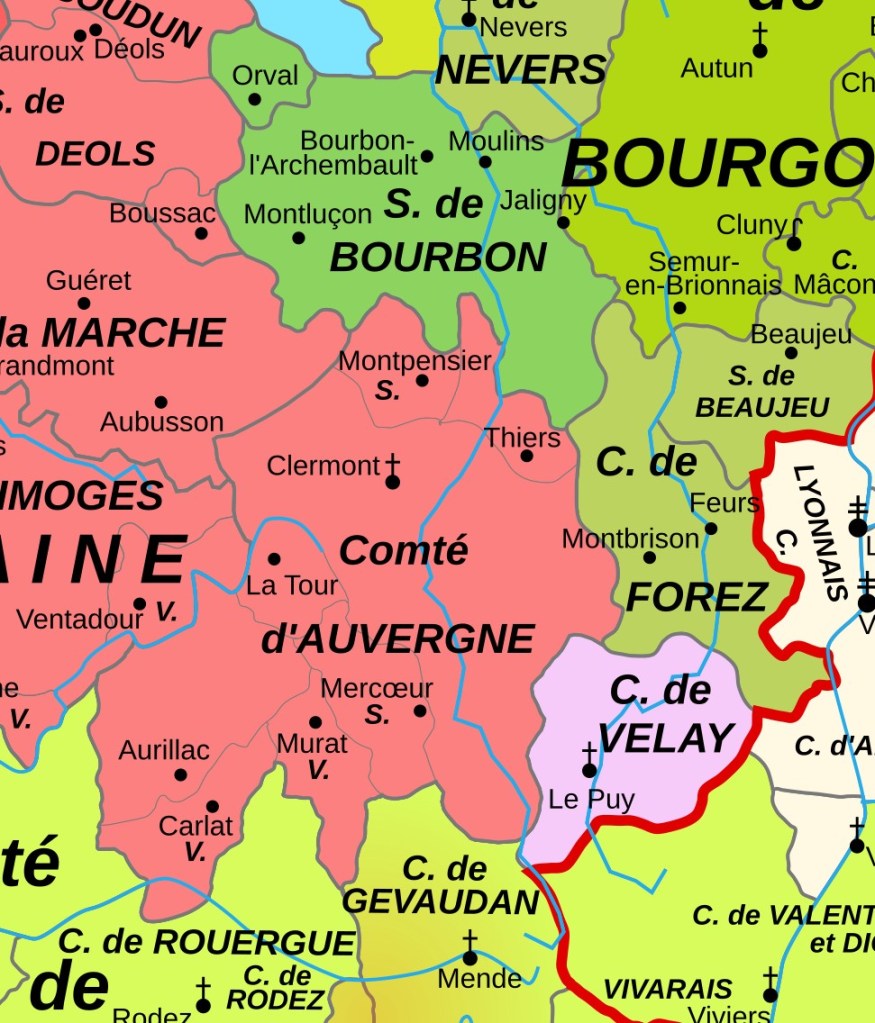
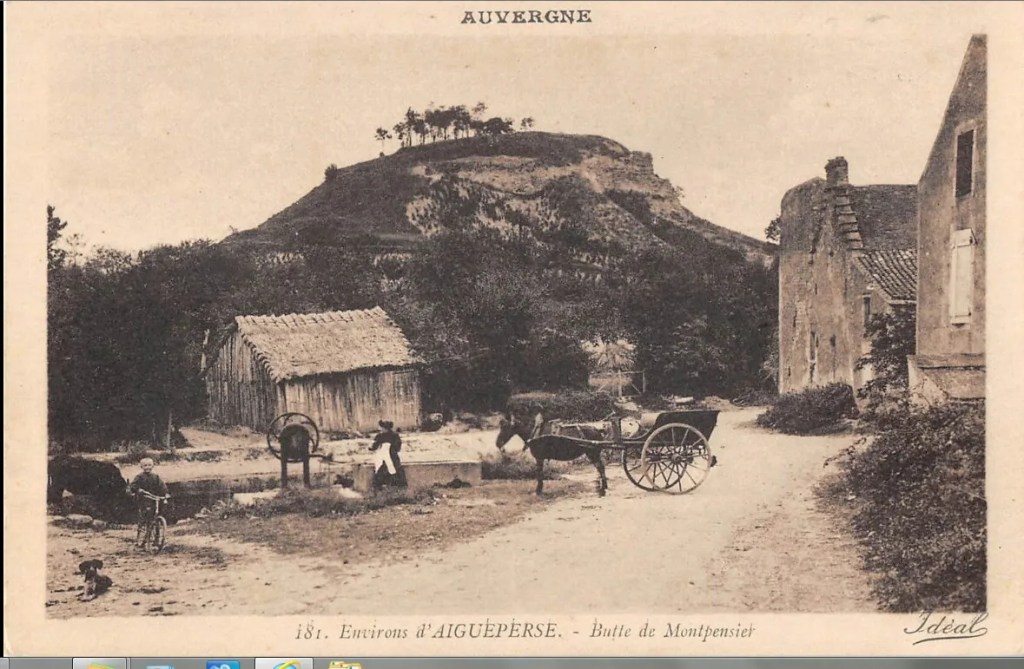
The lordship of Montpensier formed around a butte overlooking the town of Aigueperse in the twelfth century. This was the northern bulwark of the semi-independent County of Auvergne, strategically situated at the northern edge of the Massif Central where hills begin to level out into the plains of northern France. Montpensier bordered on the ancient lordship of Bourbon, and was held by families associated with both the counts of Auvergne and dukes of Bourbon—Thiers, Beaujeu, Dreux, then back to Beaujeu—before it was sold to Jean de Valois, Duke of Berry, younger brother of King Charles V, who in 1384 upgraded the lordship into a county for his sons Charles and Jean. Neither of these had children, so the county of Montpensier passed to their sister Marie who in 1400 married Jean I, Duke of Bourbon, another prince of the blood. Marie was also heiress of the Duchy of Auvergne, so these two territories formed a block in the very heart of France that would represent almost a kingdom within a kingdom for the next century. There was an ancient castle atop the butte of Montpensier, but it was completely dismantled in the 1630s, and little remains.
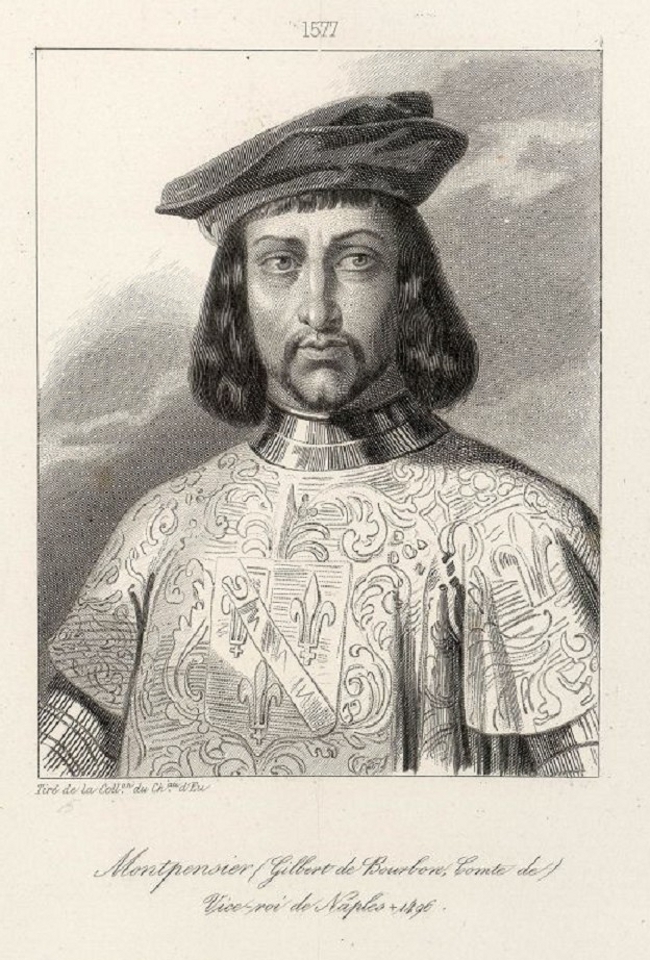
In a division of family lands in 1442, the County of Montpensier was given to a younger son of the Duke of Bourbon to form his own branch of the family. The most famous of these was Gilbert, Count of Montpensier, who marched to Italy with King Charles VIII and was left in charge as Viceroy of Naples in 1495 and even created ‘Archduke’ of Sessa there. His son, Charles III, married the heiress of the duchies of Bourbon and Auvergne, and as Constable of France was the most powerful man in the Kingdom aside from the King—which was his downfall, and by 1522 all his lands were lost. His sister Louise was allowed to retain the County of Montpensier which was elevated in 1538 into a Duchy-Peerage for her and for her son, Louis de Bourbon-Vendôme (from the junior branch of the Bourbon dynasty). It then passed to his son and grandson, magnate princes that played an important role in the French Wars of Religion. One of their wives was the subject of one of the world’s first romance novels, La Princesse de Montpensier, published in 1662 by Mme de La Fayette. This history will be told in a separate blog post about the dukedoms affiliated with the Bourbon dynasty in the early modern period.
The last duke of Montpensier, Henri, died in 1608, leaving the duchy (as well as three other duchies, two principalities and numerous counties and lordships) to his daughter Marie. Her marriage in 1626 to Louis XIII’s younger brother Gaston, was unnerving to many at the French court as it gave one of the largest single fortunes in France to the King’s brother and potential rival—see my book Monsieur for all the juicy details. Sadly, Marie de Bourbon-Montpensier died soon after, having given birth to a daughter, Anne-Marie-Louise, Duchess of Montpensier in her own right. She never married so retained the title ‘Mademoiselle de France’ for her entire life, though after the birth of her cousin Marie-Louise in 1662, she became known as ‘La Grande Mademoiselle’ to distinguish the two princesses. She is one of the most colourful figures of seventeenth-century France and really ought to have a television miniseries devoted to her life.
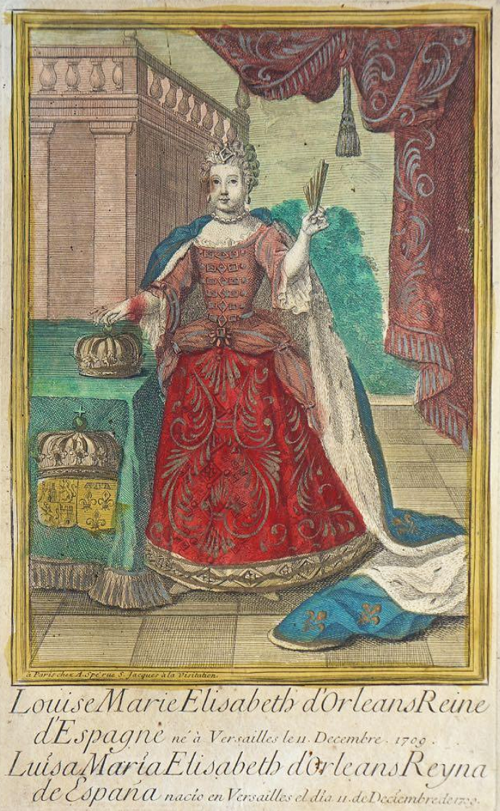
When La Grande Mademoiselle died in 1693, her vast fortune was split up and various pieces went to different cousins. The Duchy of Montpensier went to her favourite cousin, Philippe, Duke of Orléans, younger brother of Louis XIV. It was a useful boost to his independence as a prince, since, unlike the Duchy of Orléans which was a royal apanage, Montpensier was private property so could support the family if for whatever reason the apanage was revoked by the Crown. The Orléans dynasty maintained the Duchy of Montpensier within its portfolio, and some of its daughters were known by the honorific style ‘Mlle de Montpensier’ at court, notably Louise-Élisabeth, the fifth daughter of the Regent of France (Philippe, Duke of Orléans), who was sent to Spain in early 1722 to marry the Prince of Asturias. When he briefly reigned as King Louis I of Spain in 1724 (January to August), she reigned as queen. But her teenaged antics so alienated her from the Spanish court that she was sent back to France, quite the humiliation for any royal princess, and spent her life mostly isolated at her residence in the Palais du Luxembourg since her presence at Versailles, still holding the rank of queen, would complicate etiquette in the presence of the new Queen of France, Marie Leszczyska. Louise-Élisabeth died completely forgotten in 1742, aged only 32.
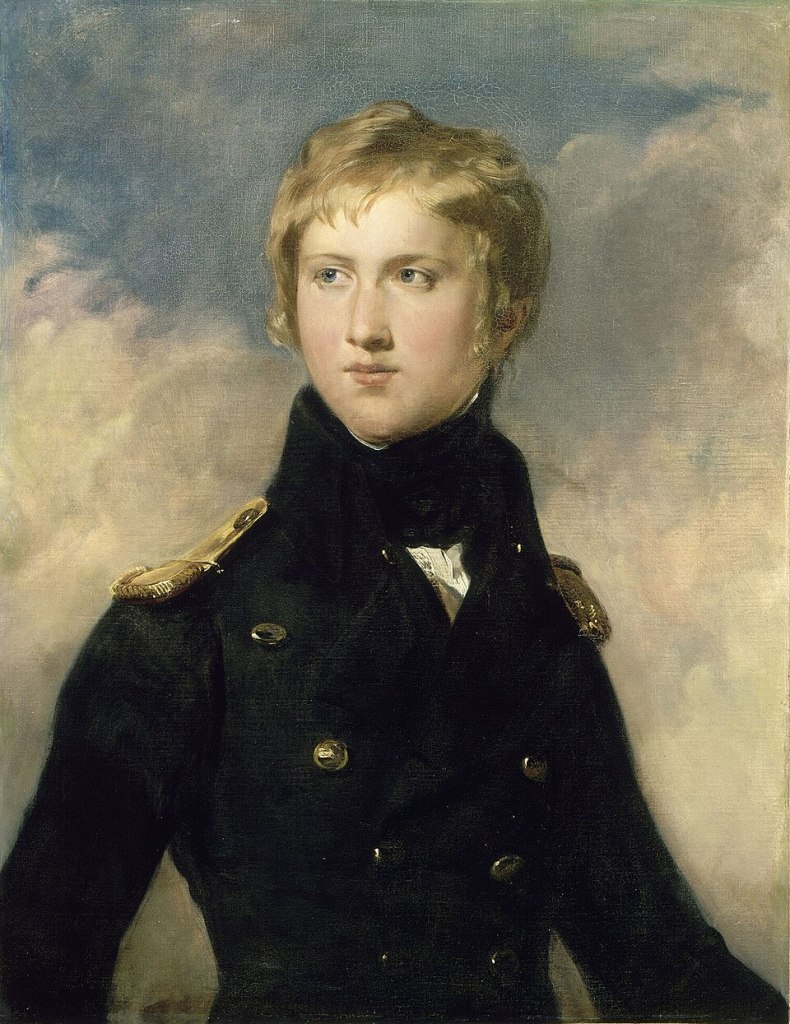
The Montpensier title was used later in the century for the second son of the Duke of Chartres (the eldest son and heir of the Duke of Orléans), Antoine-Philippe de Bourbon. The Duke of Montpensier was born in 1775 and raised with his two brothers in the very liberal household of their father, later better known during the Revolution as Philippe-Égalité. In 1791 he joined his older brother’s regiment and fought in the first battles of the Revolutionary Wars—his brother’s defection to the Austrian army, however, in Spring 1793, meant that he was arrested and imprisoned in Marseille, where he contracted tuberculosis. A change of government led to him and his brothers being exiled to the United States in 1796. For two years they roamed the continent, from New England to the Mississippi valley, and he developed his skills as a landscape painter. Eventually, in 1800, they returned to Europe and settled in a house in Twickenham, west London, where he died of his long illness in 1807.
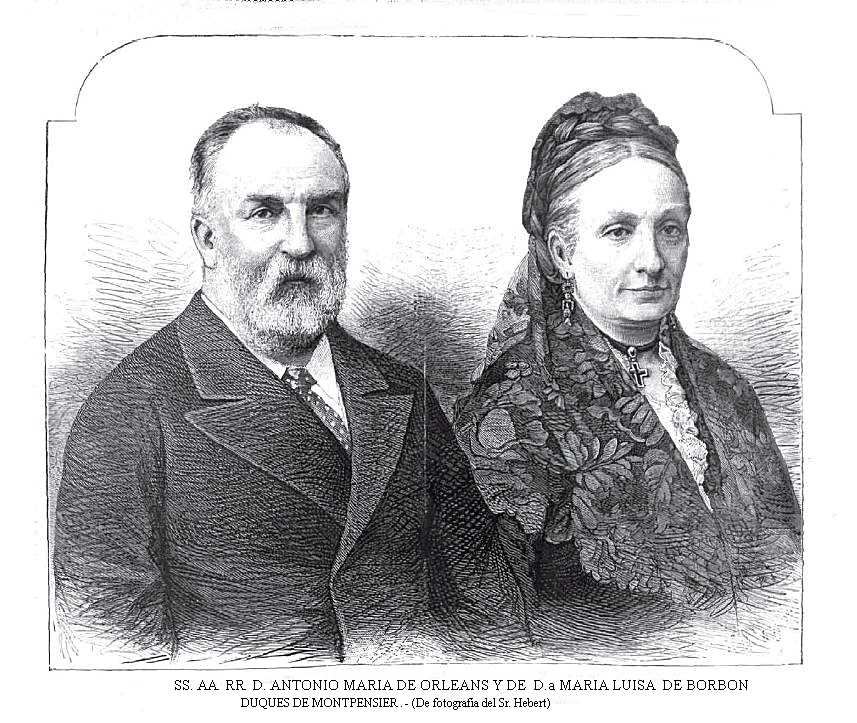
His brother, now the Duke of Orléans, was bereft and when his own youngest son was born in 1824, he named him Antoine, Duke of Montpensier. Six years later, Orléans became Louis-Philippe, King of the French, and Montpensier became one of the five royal sons who set out to raise the profile of the House of Orléans. At first, Montpensier was too young to gain glory on the battlefield in the conquest of Algeria in the 1830s, but he made up for it in the 1840s, first as a soldier then as a diplomat, negotiating peace settlements with the rulers of Algiers and Tunis.
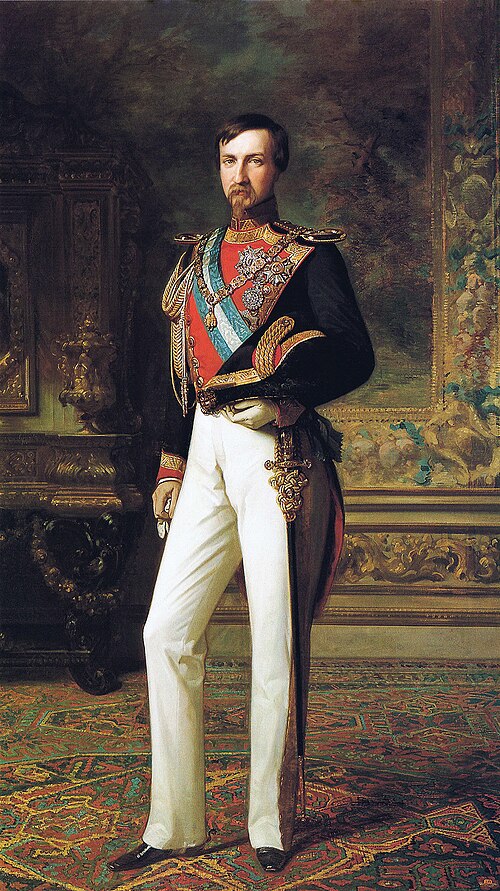
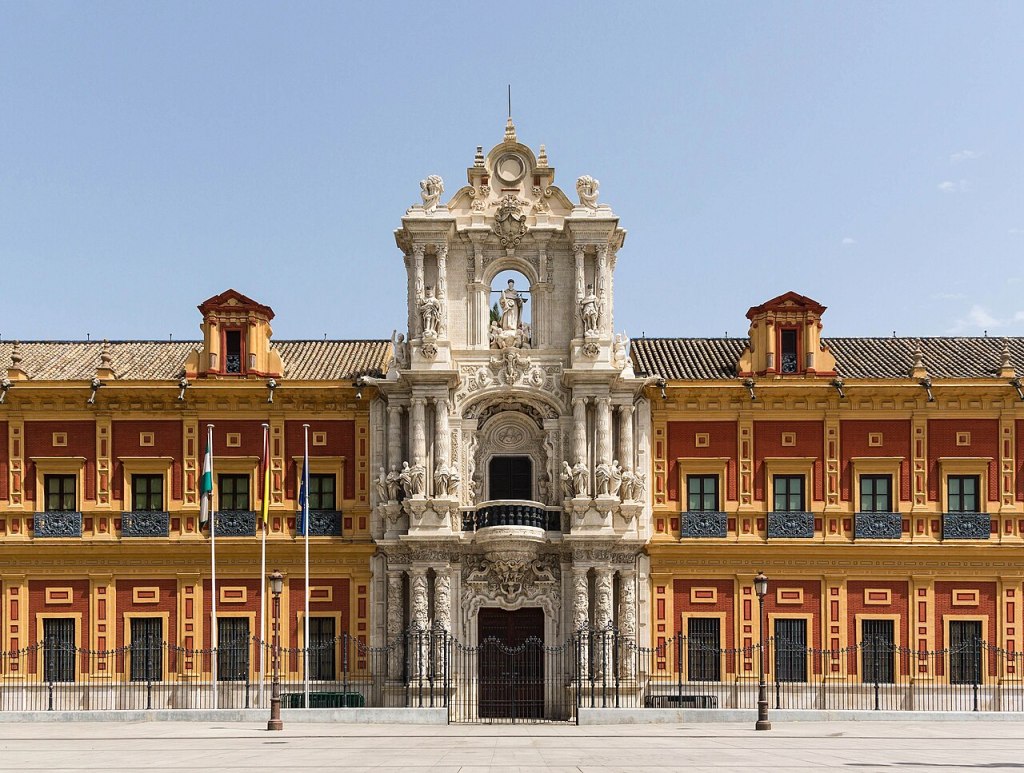
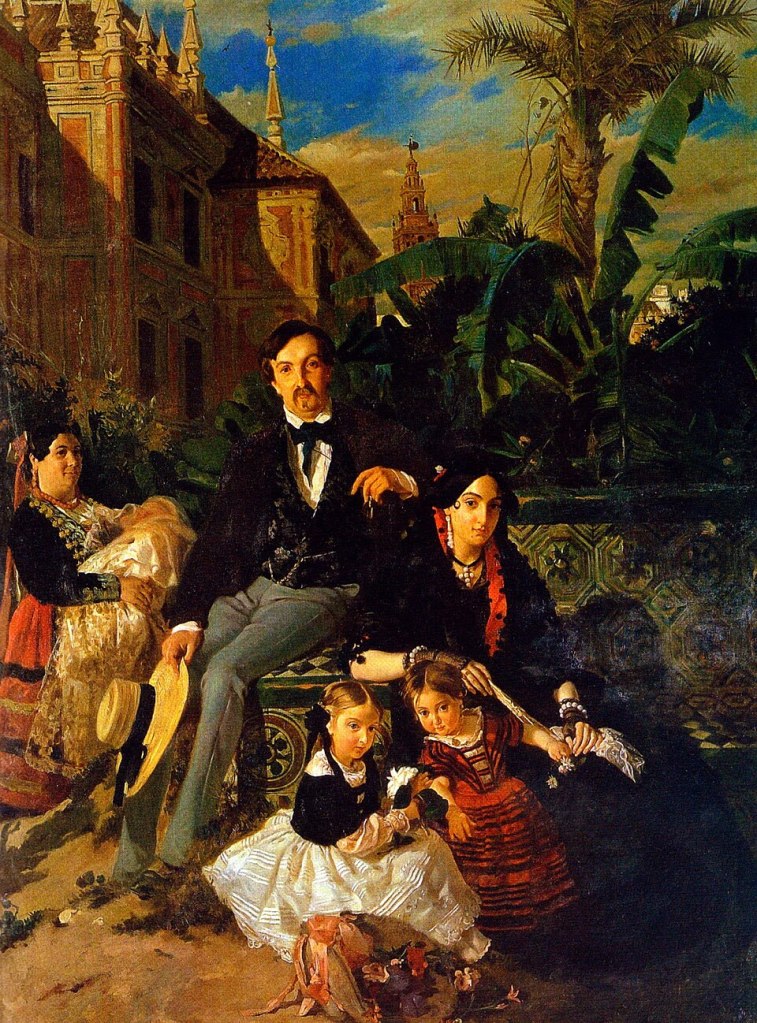
In 1846, he was put forward as a candidate for marriage to the young Queen of Spain, Isabel II, to reunify the two Bourbon royal houses, but Great Britain did not like seeing the French king have such influence in Spain, nor did more conservative Spaniards, who wanted their queen to marry within the line of Spanish Bourbons. As a compromise, the Queen married her cousin, Don Francisco de Asís de Borbón, while on the same day, Antoine d’Orléans married the Queen’s sister, Infanta María Luisa Fernanda. Some thought this too was a plot by the scheming King Louis-Philippe since the Infanta was her sister’s heir, and the new King-Consort (Francisco) was thought to be homosexual and thus the throne would ultimately pass to Antoine or his eventual son. He and Luisa Fernanda (as she is usually referred) were already close cousins, as their mothers were both princesses of Bourbon-Two Sicilies. After the Revolution of 1848 sent the Orléans family once more into exile, Montpensier and his wife moved to Spain, but his ambitions for power made him unpopular with Isabel II and her court in Madrid, and the couple spent most of their time in Seville, where they took up residence at the Palacio de San Telmo.
The palace of San Telmo had been built near the banks of the Guadalquivir river in 1682 as a seminary-college for orphans of sailors (Saint Elmo is the patron saint of mariners), with extensive gardens. It received a new, bolder façade in 1734, today considered representative of Sevillian baroque. In 1841, the college was converted into a naval college, then sold to the Duke and Duchess of Montpensier in 1849. In 1897, they sold it to the local archdiocese (and the park was converted to a public park) who owned it until 1989 when it was ceded to the state—today it houses the presidency of the Council of Andalusia.
In 1853, the couple, who now had three daughters, built a summer residence closer to the coast at Sanlúcar de Barrameda. The Palacio de Orleans-Borbón was built in a Neo-Mudéjar style, and today serves at the town hall of the municipality.
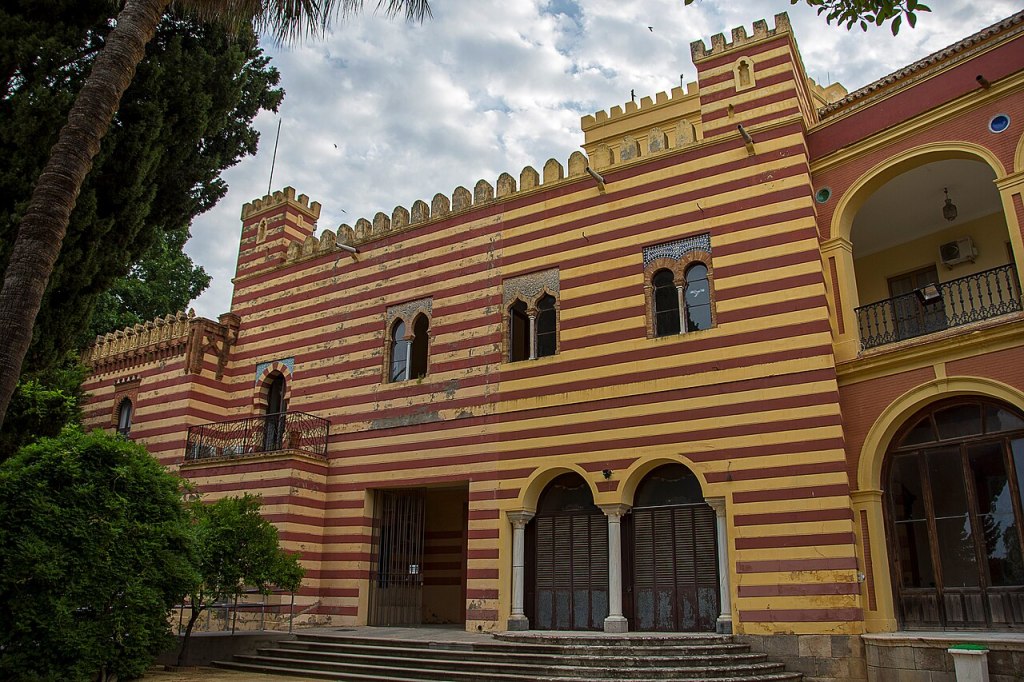
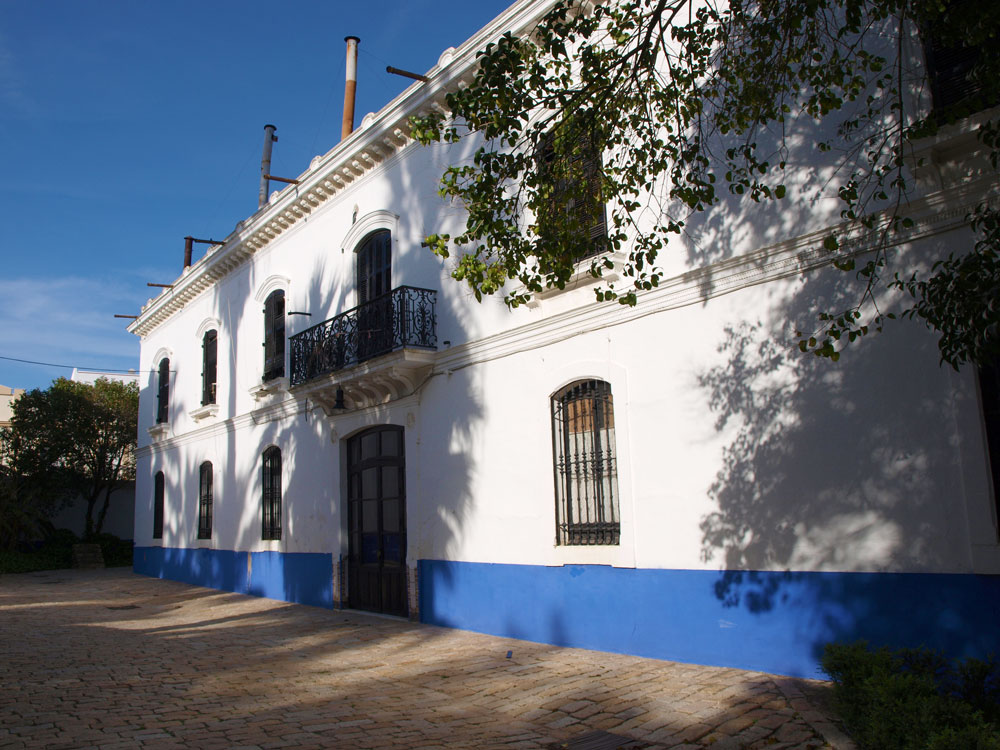
There is another Palacio de Orleans nearby, also purchased in the 1850s, but not enlarged to its present proportions until the 1870s by the Duke’s daughter and son-in-law, the Count and Countess of Paris. The sixteenth century manorhouse had belonged to the Manrique de Zúñiga family and was named Villamanrique. This was changed to Villamanrique de la Condesa in honour of the Countess of Paris in 1916, and the palace still belongs to the Bourbon-Orléans family, in the branch of Orléans-Bragance, the pretenders to the imperial throne of Brazil.
By 1858, Isabel II had a male heir, and the Duke of Montpensier was named Captain-General of the Spanish Army, the ceremonial head of the military. The next year he was made an Infante of Spain so that his rank was equal to that of his wife, as were their children (now five, including a son, Fernando). But he continued to press for more influence in government, particularly as a liberal in contrast to the Queen’s increasing conservatism. So again the Montpensiers were pushed away to live in Andalusia. In 1868, the Queen was driven from the throne in one of the many military coups that punctuated her reign, and Montpensier put himself forward as a candidate to replace her, though he thought it wise to leave Spain. The family took refuge at a property in the Auvergne, the Château de Randan, quite close to where this story began. This large estate had been purchased in 1821 by Adélaïde d’Orléans and willed to her nephew the Duke of Montpensier in 1847 along with the extensive Montpensier forests—a very good source of income. Its history is covered as one of the major possessions of the House of Orléans in the twentieth century.
Antoine d’Orléans put himself forward again when the Spanish Republic crumbled in 1870 and a new king was sought. It did not help his reputation that in March he killed his cousin the Duke of Seville in a duel, having been slandered by him in the press. Montpensier was not selected for the throne, and was even for a time was banished to Minorca for refusing to swear fidelity to the new king (Amadeus of Savoy). Two of his sons died young, Ferdinand in 1873 and Louis in 1874. Antoine finally returned to favour in the reign of his nephew Alfonso XII (from 1874) and in January 1878, was pleased to oversee the marriage of his daughter Mercedes to the King, though she died soon after, only 18 years old, as did her sister Maria Cristina in 1879 before she had a chance to take her sister’s place as queen as planned.
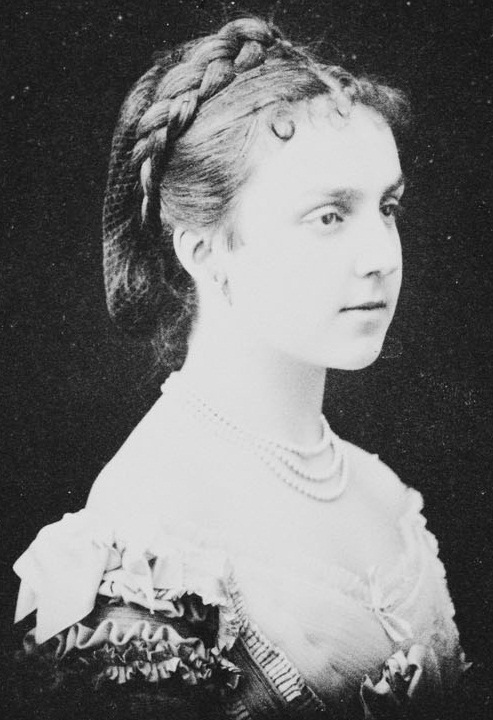
The eldest Montpensier daughter Maria Isabel had long before married the new head of the royal house of France, her cousin the Count of Paris, to Orleanists ‘King Philip VII’. In Spain, the family’s proximity to the Crown was further solidified finally with the marriage in 1886 of Infante Antonio de Orléans-Montpensier and Infanta Eulalia, the sister of Alfonso XII. The King had died the year before, leaving the Duke of Montpensier once more one of the senior male figures in the House of Spain. In 1888, he added a new title, Duke of Galliera, the recipient of the benevolence of the Orleaniste Maria Brignole-Sale, Duchess of Galliera, as seen in Part I. This was not formalised as a ducal title within the Kingdom of Italy until 1895, by which time Antoine d’Orléans was dead. His widow donated the grand park of San Telmo in Seville to the city and today it bears her name as the Parc María Luisa. She died in 1897.
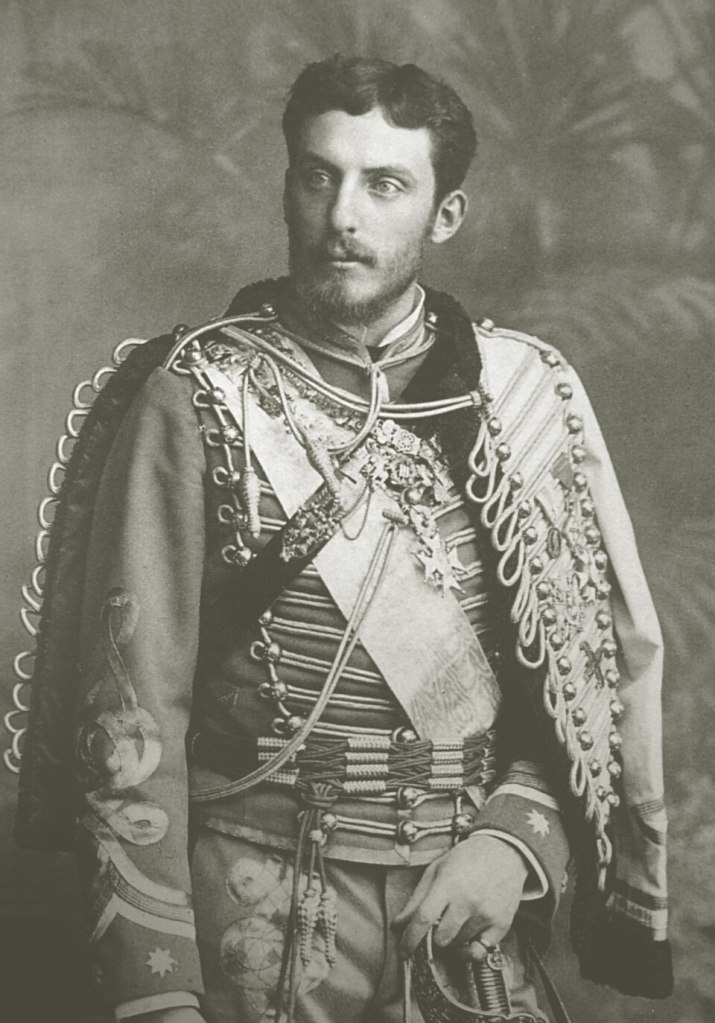
The new head of the family was Antonio de Orleans-Montpensier, Duke of Galliera and Infante of Spain. Born in Seville, he was thoroughly Spanish, and his marriage to Infanta Eulalia brought him honours and duties within the Spanish royal family. In 1892, for example, the couple paid an official visit to Cuba and the United States to commemorate the quadricentennial of the discovery of the New World by Columbus. But by 1900 the very different temperaments of the couple forced them apart and they legally separated. She was an intelligent and cultivated woman, author of several books, while he was a playboy and spendthrift. By the 1920s he was so broke he sold his lands in Italy, including the duchy of Galliera and he died in penury in 1930. She outlived him by nearly three decades, a respected member of the Spanish royal house.
The eldest son of Antonio and Eulalia was Alfonso. Born the same year as his cousin King Alfonso XIII, the two were close growing up, and the King supported his cousin’s career in the helping to develop the first aviation element of the Spanish armed forces, notably in repressing revolts in Spanish Morocco in 1913. A few years before, he had helped strengthen the Spanish Bourbons’ ties with the dynasties of northern Europe (something King Alfonso was keen on), through his marriage to Princess Beatrice of Edinburgh, the daughter of Prince Alfred of Great Britain (Queen Victoria’s favourite son), who had become Duke of Saxe-Coburg and Gotha in 1893. Her sister was Queen Marie of Romania. At first the new Duchess of Galliera refused to convert to Catholicism, and Alfonso briefly lost his status as an infante of Spain, but she did in 1913 and this was restored. Nevertheless, the relationship became rocky during the First World War when Beatrice was accused of flirting with the King, and he sent them away to Switzerland.
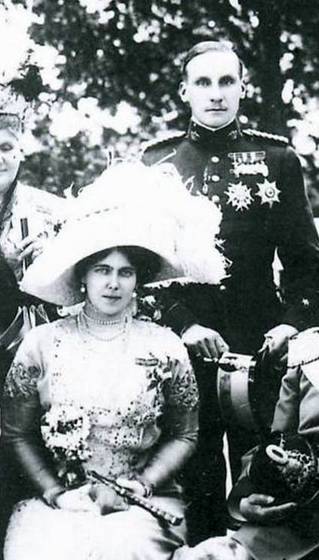
Infante Alfonso returned to Spain in 1921 and spent the next decade training pilots to fly. His wife lived in England off and on. In 1936, they lost their estates in Spain since they and their sons openly opposed the republican government. Once Franco took over, Alfonso returned to work as a pilot as head of Spain’s aerial forces, and was raised to the rank of general in the air force in 1940. But his career again ended abruptly in 1945 when he openly voiced his support for the Count of Barcelona to reclaim the Spanish throne. He remained the Count’s representative within Spain amongst the monarchist movement until he died in 1975.
Alfonso had a younger brother, Infante Luis Ferdinand de Orleans-Galliera, who had a relatively short but troubled life. In the 1920s he was frequently at the centre of scandal due to drug use and unsuitable marriages, and was stripped of his royal status in 1924. Ten years later he was arrested in France for anti-social behaviour, again involving drugs, but also alleged homosexual acts. He died in disgrace in 1945.
By this point, focus was turned to the next generation and the three sons of the Duke and Duchess of Galliera: Álvaro, Alfonso and Ataúlfo. Though now more distant cousins, in the 1920s they were still seen as an extension of the royal family, and in the Spanish Civil War supported the Nationalists (monarchists) against the Republicans. Alfonso was killed in battle in 1936, and Ataúlfo (whose name came from an ancient Visigothic king of Spain) joined the German legion sent to fight in Spain. Unlike the rest of the royal family, he remained loyal to Franco. He never married and also may have been homosexual.
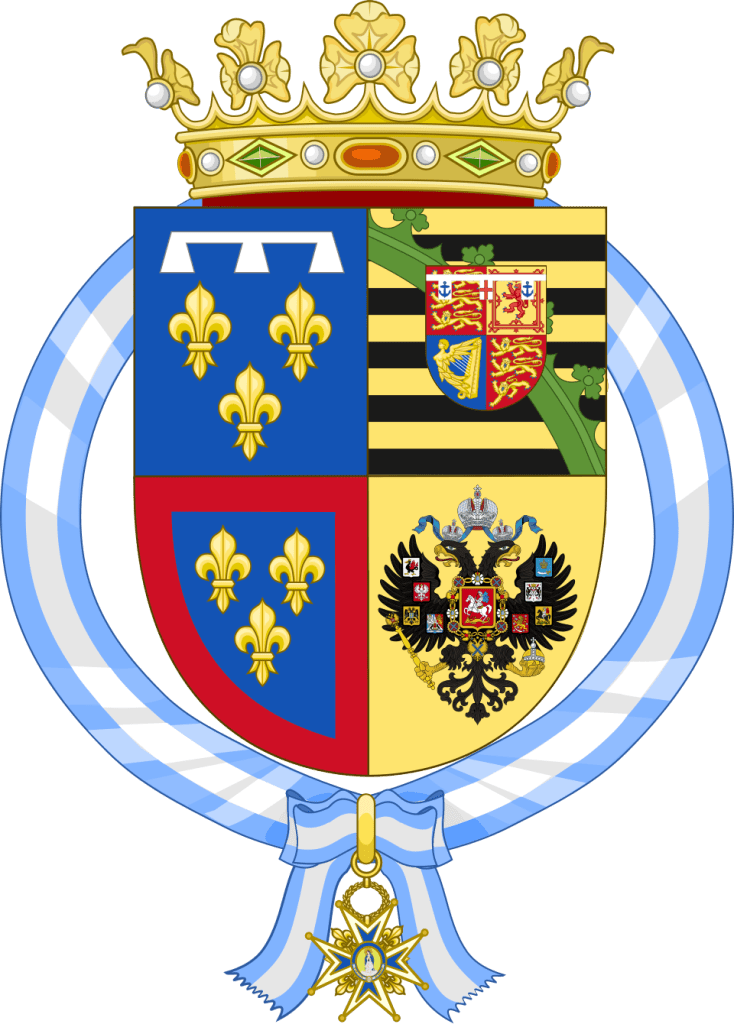
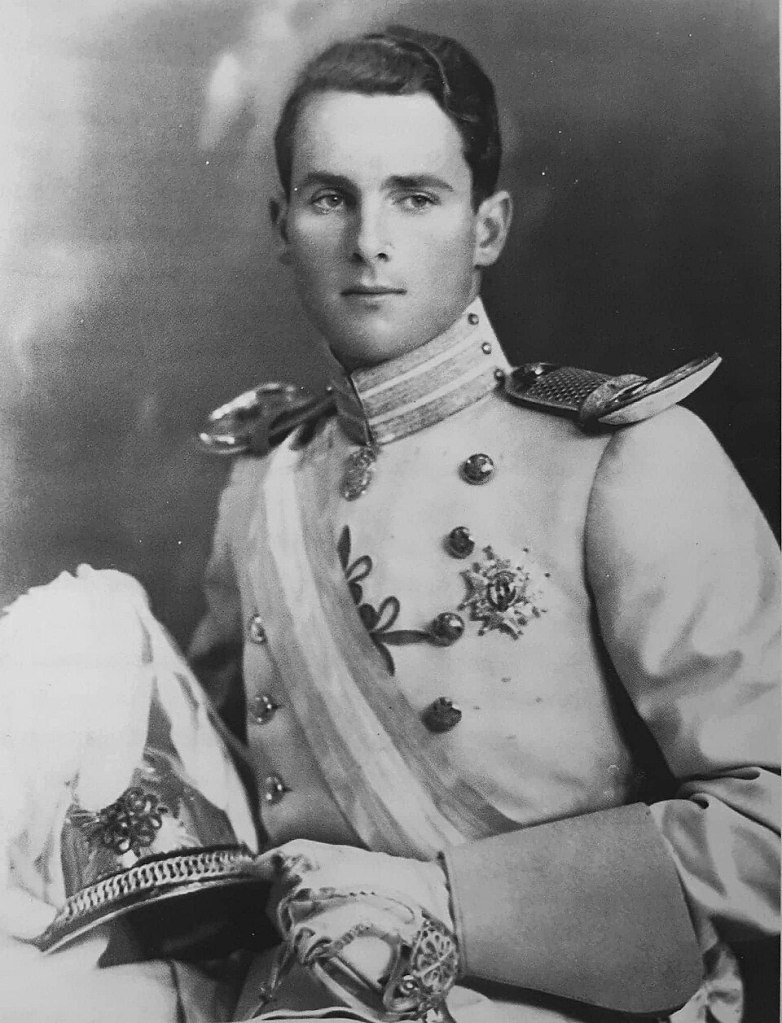
The eldest brother Álvaro shifted his focus somewhat away from the Spanish royal family. As a young man he had been a pilot like his father, and was extended the rank of infante of Spain by the King (which his younger brothers were not). In 1937, he married an Italian aristocrat, and his father ceded his title Duke of Galliera to him, formally confirmed by King Victor Emmanuel III. Carla Parodi-Delfino was the daughter and heiress of an Italian industrialist, business magnate, and key supporter of fascism in Italy. The Duke moved to Italy and mostly remained out of the spotlight, dying in Monaco in 1997, and his wife in 2000.
They left a son and two daughters, not considered royal because their parents’ marriage was seen as morganatic. One son, Alonso, had predeceased his parents. He and his brother Álvaro both married Italian aristocrats: Alonso with a niece of Queen Paola of the Belgians, and Álvaro a daughter of the Prince of Strongoli, Emilia Pignatelli. They too had two sons, another Alfonso and Álvaro, born in 1968 and 1969. Alfonso became the Duke of Galliera in 1997 and remains the head of the Orleans-Galliera family today. He studied at an American business school, then shifted focus to become a race car driver; in 1994, he made a name for himself at the famous races at Le Mans. Since then he has created a racing team based in Sanlúcar de Barrameda, ‘Racing Engineering’, which has won several prominent trophies. The current Duke of Galliera has a son and heir, another Alonso, born in 1994, who has recently married a Belgian aristocrat.

Since the start of the nineteenth century, most of Europe’s ruling families have been much more closely affiliated with the country over which they rule. The line of dukes of Galliera illustrates a fascinating counter-example in which French princes use an Italian title in modern day Spain.
(images Wikimedia Commons)


2 thoughts on “Galliera (Part II): The Montpensiers, Orléanist dukes masquerading as Spanish royals”