The northernmost kingdoms of Europe never had much of a high aristocracy; in marked contrast to Naples, which had hundreds of ducal and princely titles, Norway, Sweden, Denmark had almost none. Neither did the northern German principalities like Brandenburg or Pomerania. At most, nobles were junkers, barons, and occasionally counts. What this northern domain didContinue reading “The Prince of Wedel: Last one in, shuts the door”
Author Archives: Jonathan Spangler
The Lieven Princes: How minor nobles from the Baltic spread their wings on the currents of Swedish and Russian empires
The Baltic states of Estonia and Latvia were long dominated by German nobles who settled in the wake of conversion crusades led by military orders in the thirteenth and fourteenth centuries. Over the centuries that followed, they formed a fairly closed set of families, intermarrying and retaining their authority over the local native populations (Estonians,Continue reading “The Lieven Princes: How minor nobles from the Baltic spread their wings on the currents of Swedish and Russian empires”
Two Royal Favourites for the Price of One: George Villiers and George Villiers, the Dukes of Buckingham
It is rare for any aristocratic family to place one of its members so high in the court hierarchy as to be known as ‘the royal favourite’, but for one family to produce two in as many generations, and both with the same name—George Villiers, Duke of Buckingham—is really extraordinary. Many aristocratic families spend decadesContinue reading “Two Royal Favourites for the Price of One: George Villiers and George Villiers, the Dukes of Buckingham”
The Farnese: dukes of Parma, Piacenza and Castro
The names Farnese and Parma evoke a number of images from Italian and European history. The ‘Villa Farnese’ embodies the beauty and grace of the Renaissance palaces of the Roman countryside and of one of its chief patrons, the beautiful and graceful Giulia Farnese. The name Parma in contrast, beyond the most immediate associations weContinue reading “The Farnese: dukes of Parma, Piacenza and Castro”
A New Royal House for Denmark: Laborde de Monpezat
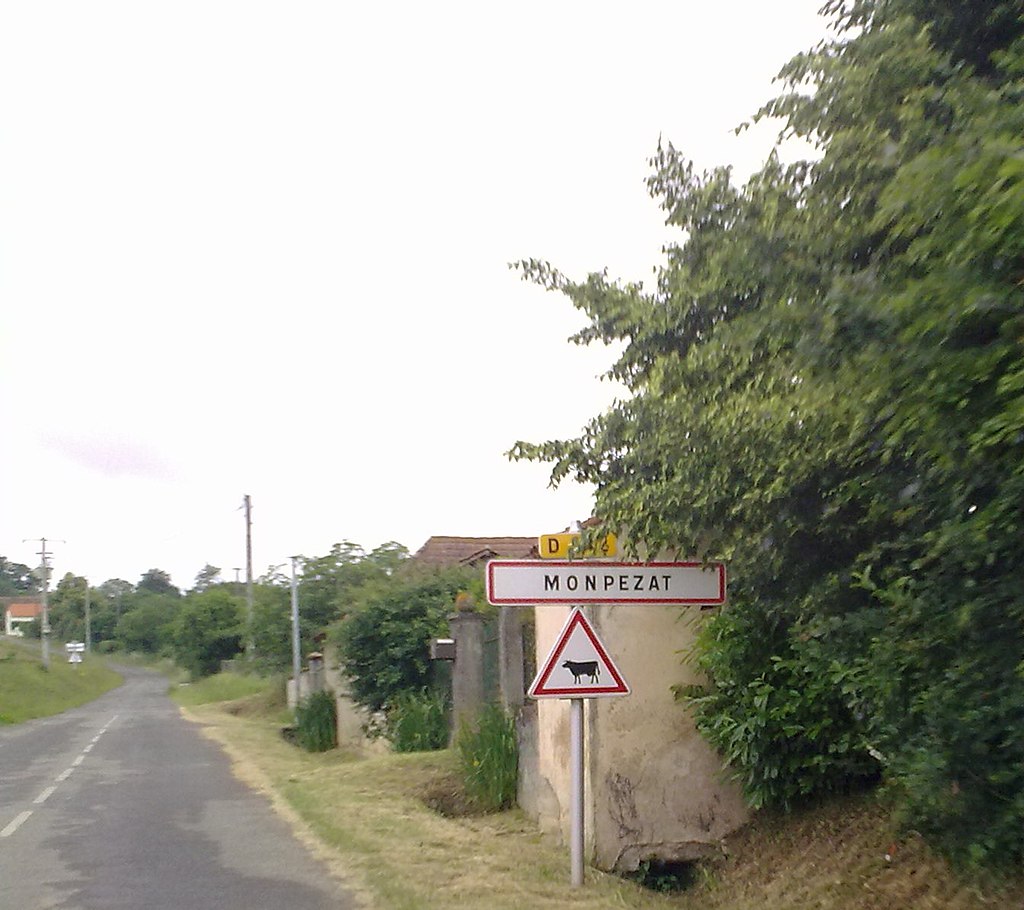
In the long and varied history of European monarchy there have always been aspirations by the families of dukes and princes to move up in rank into the world of royalty. There have been some great success stories, for example the princes of Orange forging a new monarchy in the Low Countries in the eighteenthContinue reading “A New Royal House for Denmark: Laborde de Monpezat”
Cantemir Princes in Moldavia and Russia
Sometimes a princely family rises in prominence from fairly humble origins, burns brightly, then disappears. Often this occurs in zones of conflict between great powers, where huge opportunities can be seized by the bold or the crafty. One such family were the Cantemir, ruling princes of Moldavia, then princes of the Russian Empire. Their dynasticContinue reading “Cantemir Princes in Moldavia and Russia”
The de Beauharnais Dukes of Leuchtenberg and Princes Romanovsky: French? German? Russian?
Readers of this site will know by now that I am slightly obsessed with trans-national noble families that moved effortlessly across Europe in the 18th and 19th century, blissfully ignoring the boundaries of nationalism and attempting, in their way, to hold the continent together through kinship networks and cultural exchange. The recent new film NapoleonContinue reading “The de Beauharnais Dukes of Leuchtenberg and Princes Romanovsky: French? German? Russian?”
Lobkowicz Princes: Survivors of the Great Bohemian Purge
The Kingdom of Bohemia has a unique place in European history. As the only kingdom within the boundaries of the Holy Roman Empire, and the only mostly Slavic state in a sea of German principalities, it was an anomaly, as were its leading noble families in the middle ages. These Bohemian lords, speaking Czech, alwaysContinue reading “Lobkowicz Princes: Survivors of the Great Bohemian Purge”
Royal Mistresses’ Kin: Dukes of La Vallière and Antin
One of the most powerful positions a woman could hold at any royal court, but particularly that of France, was the ‘recognised’ royal mistress, the open secret that everyone at court knew about. It was one of the only pathways for a woman to get a dukedom on her own in the ancien regime, asContinue reading “Royal Mistresses’ Kin: Dukes of La Vallière and Antin”
The Duke of Terceira and the House that Manuel built
In the middle of the Atlantic lies a small green island, known as Terceira, as the ‘third’ island to be discovered in the Azores archipelago by Portuguese navigators in the mid-15th century. At over a thousand miles off the coast of the mainland, Terceira would not normally be thought of as a likely seat forContinue reading “The Duke of Terceira and the House that Manuel built”
 Dukes and Princes