One of the wealthiest and most powerful aristocratic families in Spain are the dukes of Medina Sidonia. With their base in the Andalusian seaport town of Sanlúcar de Barrameda, huge estates across the south of Spain, and the oldest extant dukedom in the Kingdom, they dominate much of Spanish history from the fifteenth century to the present. Their members include admirals, bishops and even a queen: Luisa, Queen-Consort of Portugal in the 1640s-50s. Founded by the powerful Andalusian dynasty of Guzmán, since the late eighteenth century, the title has been held by an offshoot of the equally historically powerful Alvarez de Toledo family, the dukes of Alba. The other major branch of the House of Guzmán, the dukes of Olivares and dukes of Medina de las Torres, was featured in a previous blog.
There were other significant junior branches of the Guzmán family, including the marquesses of Montealegre, who became dukes of Nájera by maternal succession in 1811, but held it for less than a century, before passing it through another maternal succession in 1895. That dukedom was originally created for the Manrique de Lara family, so will be covered in a blogpost about them, with a much more northern focus—this post will be about the deep south and one of the most ancient cities in Europe.

Medina Sidonia was probably named by Phoenician settlers for their hometown of Sidon (now in Lebanon), in the ninth century BC. It was a Roman then Visigothic town before being renamed al-Madinah (‘the City’) by the Arabs who conquered southern Iberia in the eighth century AD. It was conquered by Christian forces in 1264 and its fortress given as headquarters to military orders like Santiago. Located about 50 km east of Cadiz it served as a launching post for the reconquest of the Andalusian coast and then Granada to the east.

Medina Sidonia is also the title of the oldest extant dukedom in Spain. It was first awarded in 1380 to Enrique de Castilla, an illegitimate half-brother of King Juan I of Castile. He died in 1404 without a successor, so the title returned to the Crown, before the estate was given to the Guzmáns in 1440, and the title re-created in 1445. The castle was rebuilt and remained in the family for centuries.
The previous blog about the Guzmán family told how they initially appeared in the mid-twelfth century much further to the north in the Province of Burgos, along the Duero River—probably of Visigothic descent—and how they claimed to have a ‘house saint’, Dominic, though he may have just been ‘from’ the town of Guzmán. Solid credentials as warriors and servants of the Castilian monarchy were earned as early as the twelfth century, when Pedro Ruiz de Guzmán was Mayordomo mayor of King Alfonso VIII of Castile, 1194, and was killed the next year at the battle of Alarcos, in one of the campaigns that began to push the borders of Castile south towards Andalusia. His two sons Nuño and Guillen fought with Alfonso VIII at the Battle of Las Navas de Tolosa, 1212, one of the great turning points of Spanish history. The army of the Almohad Caliph was crushed, and Muslim hold over southern Iberia began to decline.
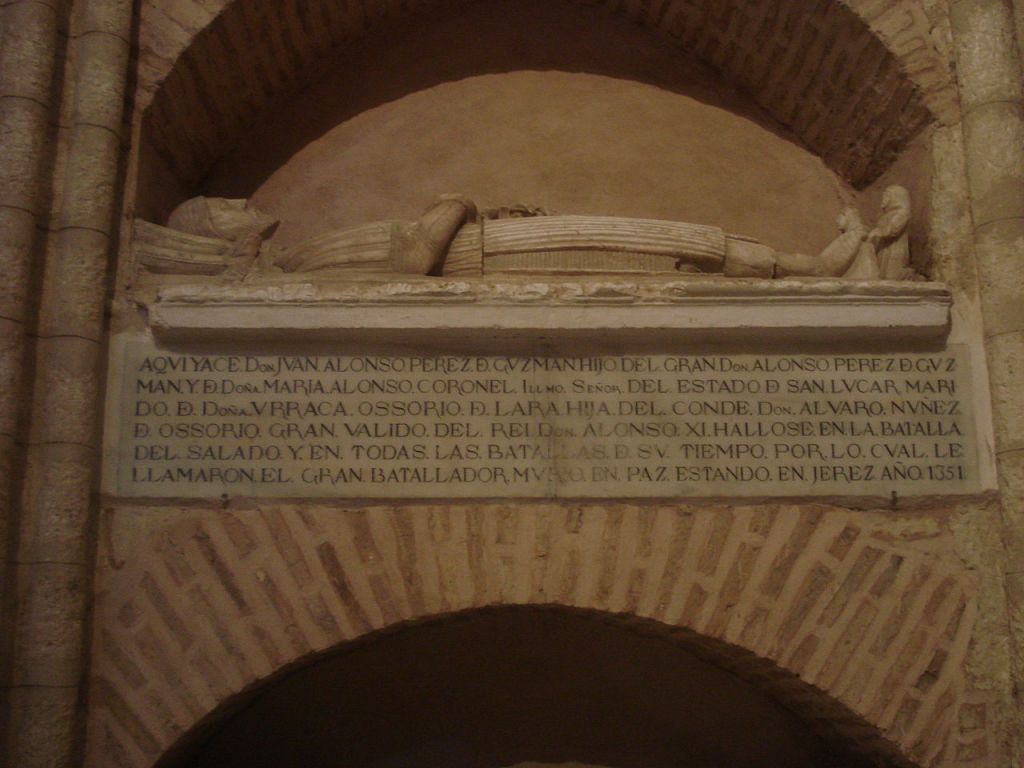
The two sons split the inheritance and created two main lines: the elder at El Toral near León up north, and the younger with new lands acquired in the south in Andalusia—this younger branch ultimately spawned both the dukedoms of Olivares and Medina Sidonia, but there is question of whether its founder Guillen was in fact a member of this dynasty (for details, see the other blogpost). A natural son from this branch was the famous warrior Alfonso Perez ‘el Bueno’ de Guzmán, first Lord of Sanlúcar de Barrameda, and first Lord of Medina Sidonia, Adelantado mayor de la Frontera—a royal official appointed to watch over the frontier with Islam. In 1301, El Bueno built a monastery outside the city of Seville (conquered by Christian forces in 1248), dedicated at the local saint, Isidore, to serve as the family pantheon. Expanded by his son Juan Alonso (whose tomb is still visible there), it was run by the Cistercians until the fifteenth century then the Jeronimites. The Monastery of San Isidoro del Campo became a centre of the short-lived reformation movement in Spain; here, in 1569, the first Spanish language bible was translated and printed. Closed as a monastery in the 1830s, today it is a museum.

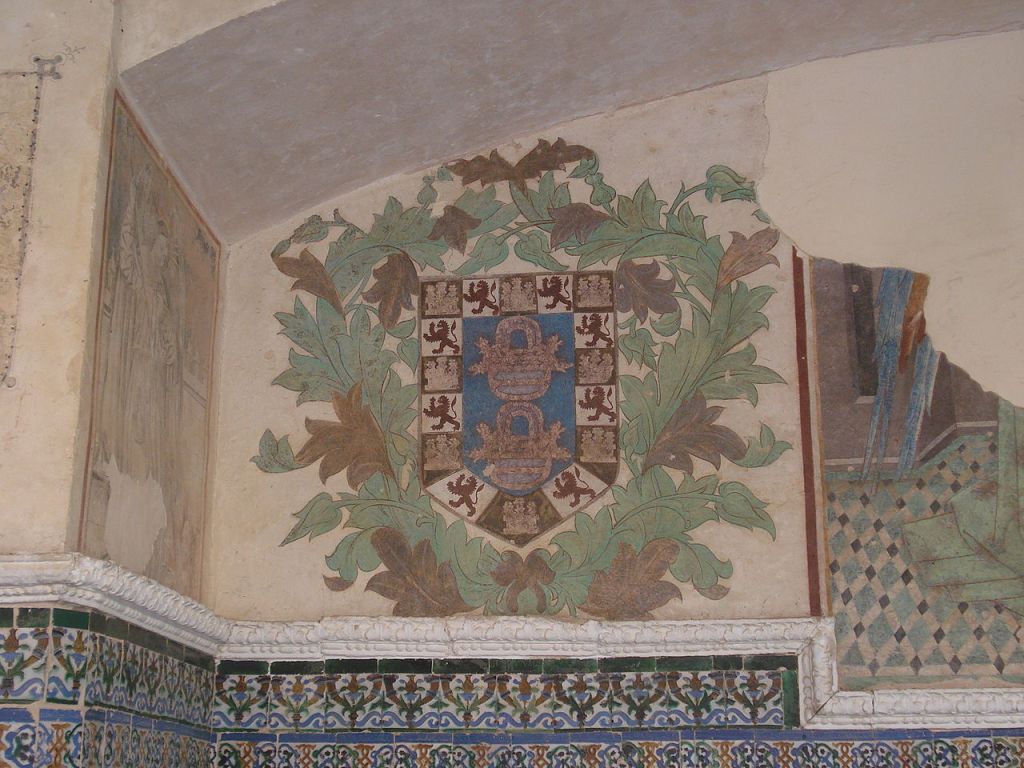
The Guzmán family acquired the important county of Niebla in 1369, in the westernmost parts of Andalusia, abutting the border with the Kingdom of Portugal. Together, Niebla, Sanlúcar de Barrameda and Medina Sidonia formed a nearly continuous block along the Atlantic coast of southwestern Castile. These estates were relatively fertile and flat, with cattle grazing in the west and wheat, olives and grapes grown further east, and all conveniently exported to other parts of Europe through Sanlúcar at the mouth of the Guadalquivir River, which also connects inland to the two chief cities of Seville and Cordoba. On the coast, the family also acquired the incredibly lucrative monopoly of the tuna trade, and by the fifteenth century were one of the richest families in Spain. They augmented their arms as well in this period: Juan Alonso, Lord of Sanlúcar and first count of Niebla, married twice, each wife having connections to the royal family, notably his second wife, Beatriz de Castilla, natural daughter of King Enrique III of Castile, who brought Niebla to her marriage—so he added the lions and castles of the royal arms as a border around his family arms, the two caldrons of red and gold with snakes in them. A ‘caldron’ or cooking pot (caldera) is a unique feature of Spanish heraldry, going back to a tradition by which a king granted a pennant and a cooking pot to high nobles, indicating their ability to lead and feed an army.
The 2nd Count of Niebla, Enrique, also married a natural daughter of a king, this time Violante, daughter of Martin of Aragon, King of Sicily. He later served in the conquest of an important Andalusian city, Antequera, in 1410, then in 1436 led an attempt to capture the Rock of Gibraltar from the Emir of Granada—the attack was repelled with heavy casualties and the Count himself was drowned while trying to escape. His body was recovered by the Moors, decapitated and hung on the walls of Gibraltar for the next twenty-two years.
So it was perhaps in honour of this martyrdom, as much as for his own actions, that King Juan II of Castile created Enrique’s son Juan Alonso Duke of Medina Sidonia in 1445. Juan Alonso had served the King faithfully during the civil wars against the Infantes of Aragon (1437-45), notably in keeping Seville and much of the rest of Andalusia loyal. He had already been named Adelantado mayor de la Frontera of Andalusia by the previous king, Enrique III, and had even added more Andalusian territory to the patrimony by marrying Maria de la Cerda, daughter of the Count of Medinaceli, whose dowry included the lordship of Huelva, adjacent to Niebla, thus connecting that territory to the sea. But the 1st Duke and Duchess had no children. Nevertheless, the Duke’s favour with the King was so high that in 1460 he forged an unprecedented royal agreement that the dukedom could pass to one of his *many* illegitimate sons, so when he died in 1468, the titles passed smoothly to his eldest, Enrique.
Enrique de Guzmán, 2nd Duke Medina Sidonia, 4th Count of Niebla, 6th Lord of Sanlúcar de Barrameda, and so on, earned his spurs as a warrior in the conquest of Malaga, for which he was awarded with yet another title: Marquess of Gibraltar (1478), for the place finally conquered by his father in 1462, redeeming the memory of his grandfather from earlier in the century. He was named Captain-General of the Frontier and Alcaide, or governor, of the Royal Alcázars (residences) of Seville. He too added an important property in Andalusia through marriage, that of Olivares. He died a few months after the successful destruction of the Emirate of Granada in 1492.
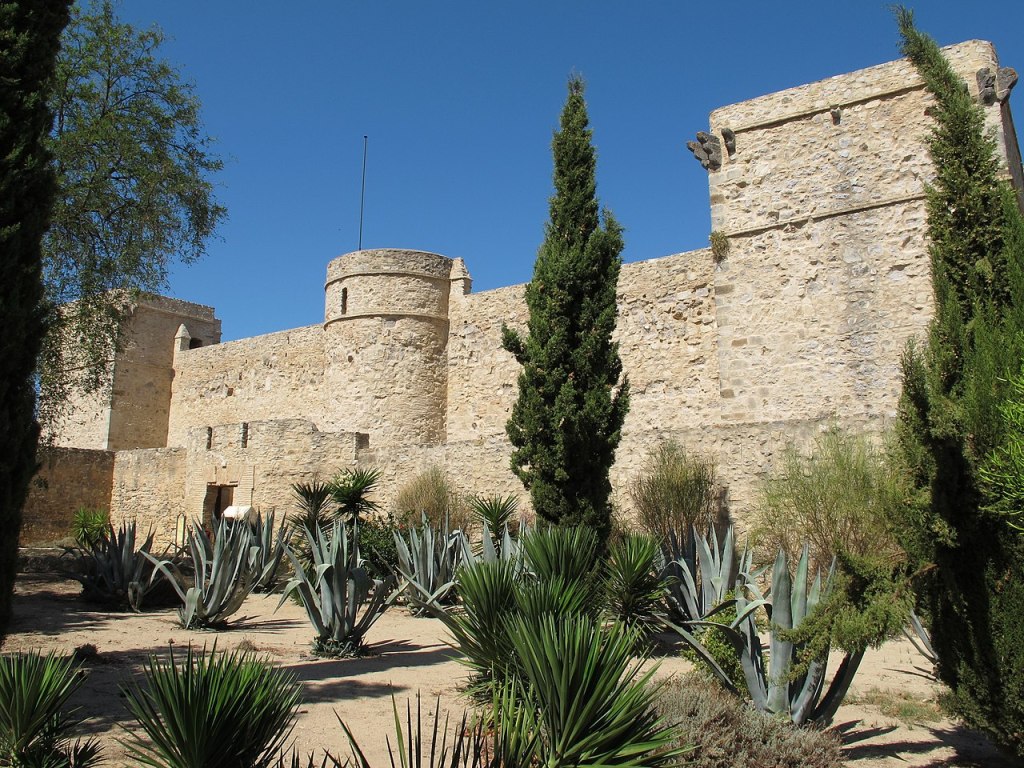
In the 1470s, the 2nd Duke rebuilt the Castle of Santiago in Sanlúcar de Barrameda (on top of an older fortress built by the founder of the house, El Bueno). This became the family’s main fortress and symbol of power for the next two centuries. Its importance was highlighted when Ferdinand and Isabella situated within its walls the ‘Casa de Contratación’, an administrative office set up to oversee the import and export of people and goods with the New World. By the nineteenth century this castle was a barracks owned by the Ministry of War, then was given to the town which let it deteriorate until 2003 when it underwent a massive renovation ad it now a key tourist attraction.
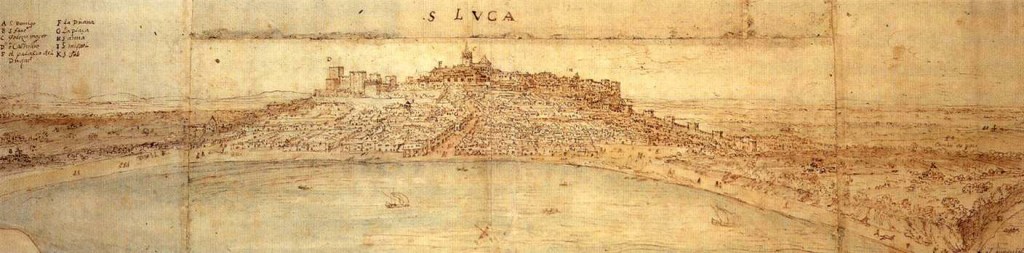
Juan Alonso, 3rd Duke of Medina Sidonia, was considered to be the richest man in Spain, and a virtual king in Andalusia. He held on to the title and territory of Gibraltar until 1501, when the Crown reincorporated it into the royal domains of Castile. He was compensated a few years later with another marquisate, Cazaza, named for the newly conquered town in Morocco. Cazaza was retaken by the King of Morocco in 1530s (and destroyed) but the Guzmán family still use the title today.
The 3rd Duke died relatively young in 1507, and was succeeded by his eldest son Enrique, who was only thirteen. He married, but died only six years later, and passed his estates and titles to his half-brother Alonso, equally a teenager. Nevertheless, he too married right away, uniting his family again with the royal house by marriage to Ana de Aragón, a natural daughter of Alonso, Archbishop of Zaragoza (himself a natural son of Ferdinand the Catholic). But it soon became clear that the 5th Duke was mentally unsound and was declared ‘unfit’ — his marriage was annulled and the dukedom (and his wife) transferred to the next brother, Juan Alonso, in 1518. The 6th Duke of Medina Sidonia was then head of the family for forty years. The last of these brothers, Pedro, received as his portion the lordship of Olivares, erected into a county for him—which led to the line of the dukes of Olivares, as seen in the previous blog.
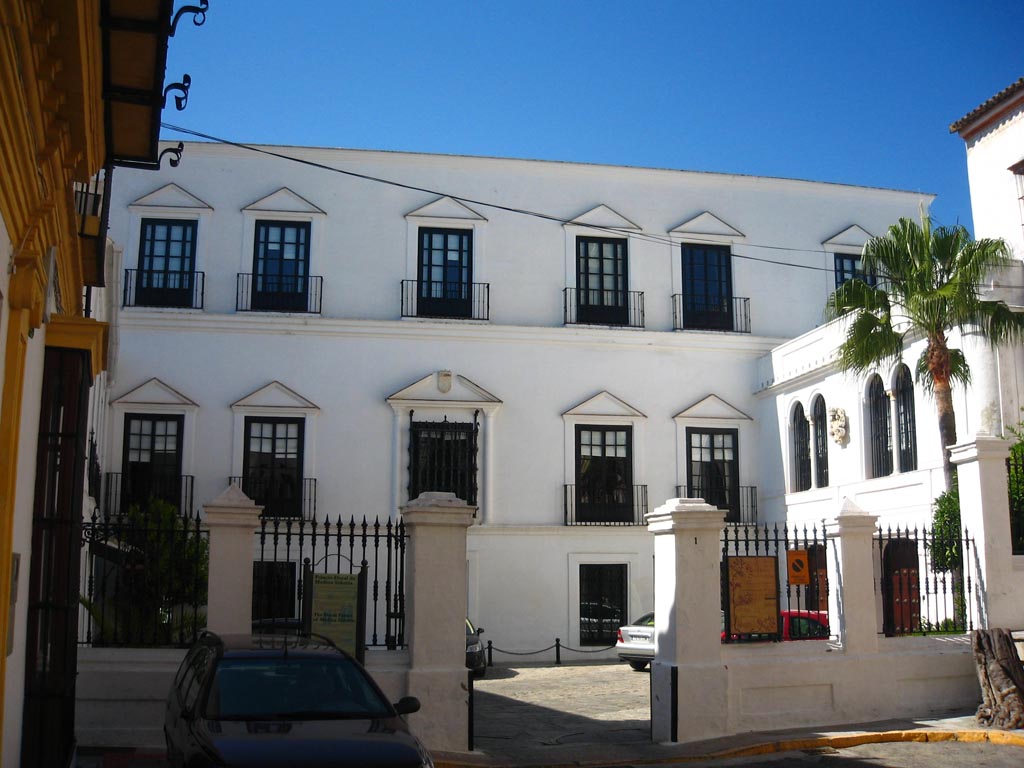
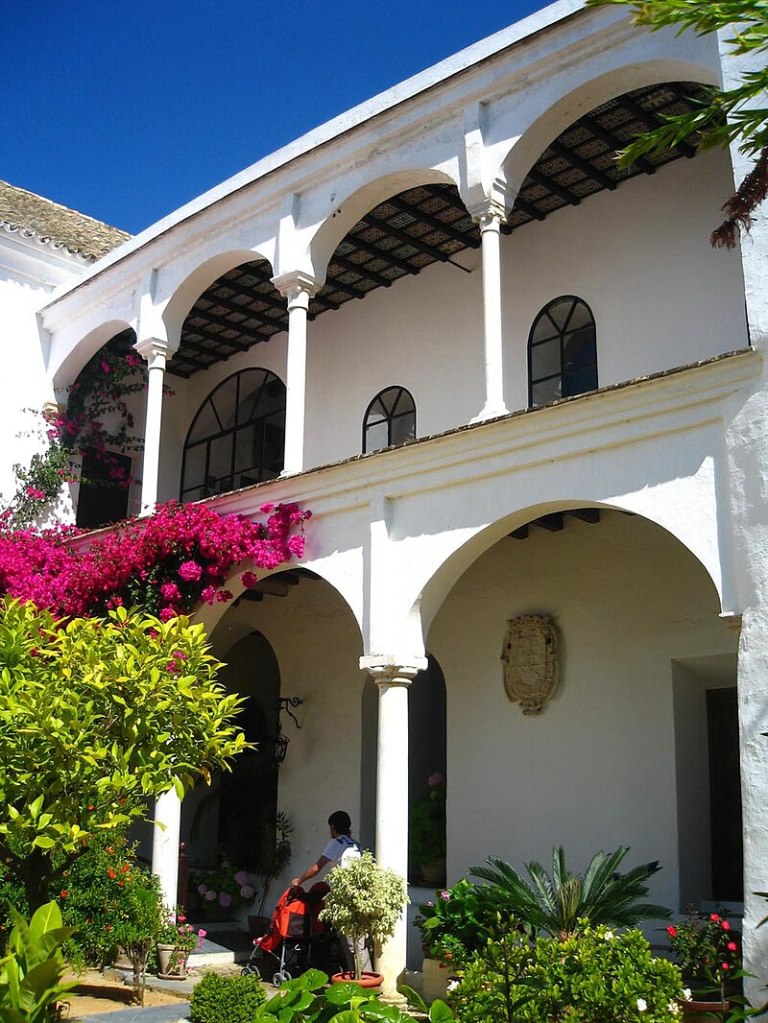
In the sixteenth century, the family moved out of the ancient fortress at Sanlúcar de Barrameda and re-fashioned an old Moorish villa into a renaissance style palace (called the Palacio de los Guzmanes). It became the principal residence of the family, with luxurious gardens and a large woodland adjacent. Today it is the seat of the Medina Sidonia House Archive, one of the best private archives in Europe, as well as some of the family’s fantastic art collections.
Juan Alonso, 6th Duke of Medina Sidonia, was not as famous a warrior as his predecessors, but did play a diplomatic role as Ambassador to Portugal in 1543. His son Juan Claros, known as the Count of Niebla, died before he did, leaving a grandson, Alonso, to succeed to the dukedom in 1558. This 7th Duke once again emphasised his family’s eminent position in the history of Spain—but his name has often been tied with failure and incompetence.
Alonso, 7th Duke of Medina Sidonia, became duke when he was only nine, and as a teenager was married to the daughter of the Prince and Princess of Eboli, the most powerful aristocrats at the court of King Philip II. He was appointed Captain-General of Lombardy in 1581, but still really had no command experience when he was named Captain-General of the ‘Mar Océano’ (the Atlantic) and of the ‘Armada Invencible’ in February 1588. His connections at court plus his reputation as a good Catholic seem to have been the reasons for this appointment, and he himself was unsure, writing to the King that his inexperience—and his propensity for sea-sickness—made him a poor choice for the planned invasion of England. As it turned out the invasion of the Spanish Armada in August was a disaster, and Medina Sidonia was shamed. Popular stories grew over the centuries of him being a buffoon and a coward, hiding beneath the decks during the encounter with the English fleet. But he retained the King’s confidence, and, still in his role as Captain General of Andalusia (which became a hereditary post), he (and his son, Juan, as Admiral of Mar Océano) was in charge of defending Cadiz against the English in 1596—which failed—and then defending Gibraltar against the Dutch in 1606—which also failed.
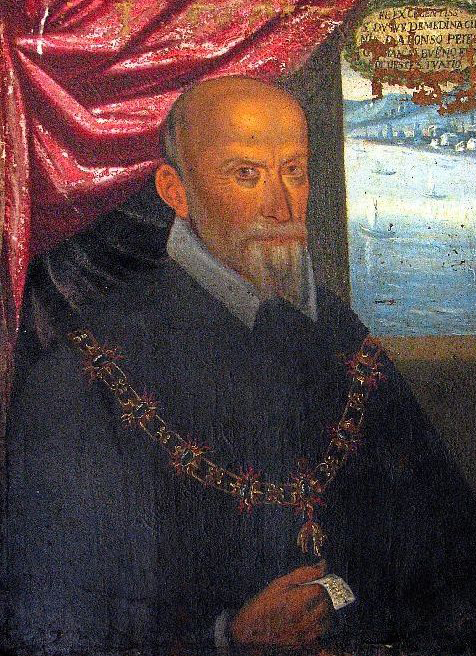
The 7th Duke died in 1615, followed by his eldest son the 8th Duke, Juan, in 1636. The 8th Duke did achieve a bit more than his father in naval matters when he commanded the Galleys of Spain in raids against the Barbary pirates of North Africa. He also worked to maintain the personal relationship with the Spanish monarchs by hosting hunting parties for Philip IV on his estates in the marshy delta of the Guadalquivir river near Sanlúcar, the Coto de Doñana. A coto is a game preserve, and this area was named for a hunting lodge built by the 7th Duchess, Doña Ana. The Doñana remained a favourite hunting ground for royals well into the nineteenth century (as seen by a print in a newspaper from 1863 marking the visit of Empress Eugénie to the Medina Sidonia estates). The preserve was sold in 1901 to a sherry magnate, William Garvey, and since the 1960s has been developed as a national park, a UNESCO world heritage site and a biosphere reserve.

The 8th Duke’s younger brothers also made their mark: Alonso was the Premier Chaplain and Almoner to both Philip III and Philip IV, and was named Patriarch of the Indies and Archbishop of Tyre—both of these titles were titular but in reality meant Don Alonso was head of the Royal Chapel at court—while his youngest brother Juan Carlos, Count of Saltes, served on Philip IV’s Council of War and was appointed Captain-General of the Armada and Adelantado of the Canary Islands. He was also Marques of Fuentes by marriage and passed this title, as well as the office of Adelantado in the Canaries, to his son Alonso. This cadet branch went no further however, as he died in 1695 with no children.
Another Guzmán cadet branch was formed however, in the next generation, when Melchor became Marquis of Villamanrique (in La Mancha) by marriage, and his son Manuel Luis picked up the marquisate of Astorga (in León) by marriage in 1650. This line died out in the male line as well in 1710, but in this case there was a female heir, Ana Nicolasa, who took both Villamanrique and Astorga into the House of Moscoso de Osorio by marriage. Ana Nicolasa also later became heiress of her Guzmán cousin the Duke of Medina de las Torres (see previous blog post), and was also 4th Duchess of Atrisco, a title created for the Sarmiento family (and passed through two other women before her!) for a Governor of New Spain and husband of one of the heiresses of the lineage of Montezuma—but those are other stories to be told elsewhere.
Melchor’s oldest brother was Gaspar (and there was also a Balthasar, but he died young), 9th Duke of Medina Sidonia. He was the last Lord of Sanlúcar de Barrameda, due to his treasonous actions in 1641. Gaspar de Guzmán had succeeded his father as Captain-General of Andalusia and of the Mar Océano in 1636. He was a Gentleman of the Chamber of King Philip IV. But in early 1641, taking advantage of the rebellions breaking out both in Portugal and in Catalonia (and the ongoing war with France), he joined with other malcontent aristocrats in a revolt in Andalusia. Some have said this was a bid for independence, with the idea of making Medina Sidonia a king; while other historians have said it was simply to remove the Duke’s rival in power, his cousin the Count-Duke of Olivares, and install himself as Minister-Favourite—or even that there was no plot at all, but that the idea was planted in the King’s mind by Olivares himself to weaken the position of the Duke of Medina Sidonia. Whatever the truth, the King reacted by taking away the lands of the Duke, including the most lucrative estate, Sanlúcar de Barrameda, which was incorporated into the Crown, and the Duke was forced to live at or near court, closely monitored. The city of Sanlúcar itself also suffered, as the office of the Grand Captain of the Coasts of Andalusia and the Atlantic Ocean was moved to another town, and with it the vast fleets laden with treasures from the West Indies and South America. (Nota bene: two decades before another nearby town, Sanlúcar la Mayor, had been erected into a dukedom for the other Gaspar de Guzmán, the Count-Duke of Olivares—could he have engineered the removal of this lordship just out of petty rivalry?).

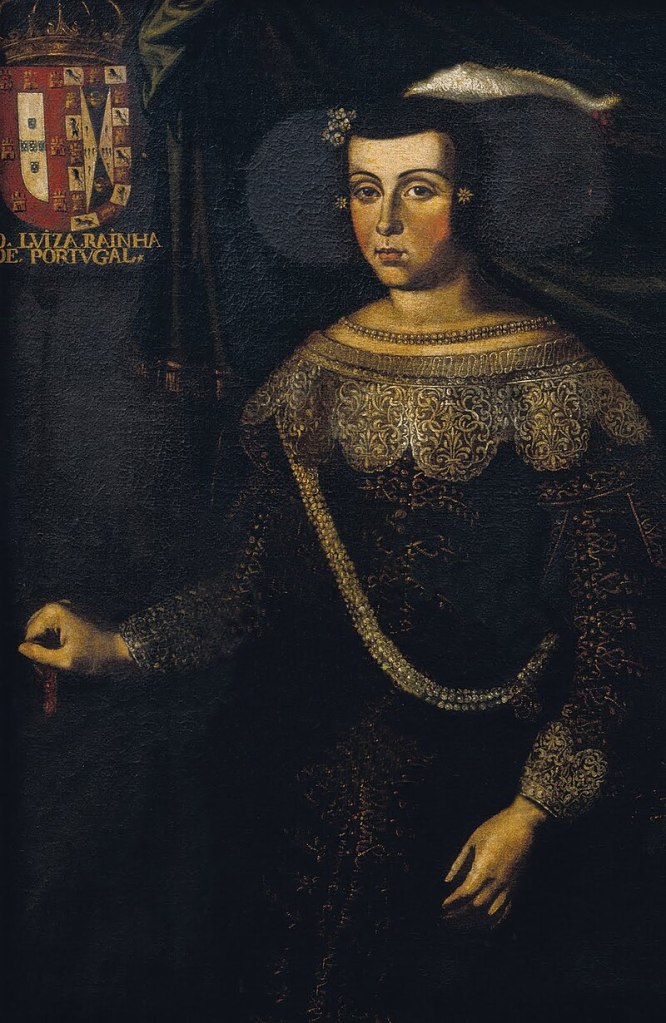
It may also have been that a rebellion was encouraged by the Duke’s sister Luisa: in 1633 she had married João, Duke of Braganza, premier nobleman of Portugal, and in 1640 she encouraged him to assert his rights to an independent Portuguese throne. For fifteen years Queen Luisa de Gusmão reigned with her husband, now King João IV, in Lisbon, and supported the war effort against Spain. Together they built a new royal dynasty, and from 1656, Luisa acted as regent for their son, Afonso VI, who was only 13. Though legally in majority, her regency was extended due to her son’s perceived mental incapacity. She negotiated a renewal of the old alliance between Portugal and Great Britain in 1662, sealed with the marriage of her daughter, Catherine, to King Charles II. But by the end of that year, a court faction supporting her son drove her out of politics and into a monastery where she died in 1666 (and her son Alonso was driven from power only a year later by her other son, Infante Pedro). A Portuguese connection was maintained in the next generation, when one of the illegitimate sons of the 9th Duke, Domingo de Guzmán, was granted posts in the Portuguese church, and eventually rose to become Bishop of Coimbra, then Archbishop of Evora in 1678.
The 9th Duke of Medina Sidonia died in 1664, followed by his son, the 10th Duke (Gaspar Juan) in 1667. His half-brother Juan Claros thus became 11th Duke, 9th Marques of Cazaza, Count of Niebla and so on. He was a Caballerizo (Equerry) of Philip IV, married the daughter of the Duke of Medina de las Torres—the heir of Olivares, perhaps in an effort to reconcile the two Guzmán branches—and was appointed Viceroy of Catalonia in 1690, at a crucial time when this province was again in revolt and in danger of invasion by France. Trust in the family evidently restored, he was named Mayordomo mayor of King Carlos II in 1699, and was part of the maelstrom of court faction and counter-faction in the following crucial year when the King wavered in his decision to leave the Spanish Empire to a Bourbon or a Habsburg. When the Bourbon candidate, Philip V, arrived, Medina Sidonia was replaced as head of the household, though he was given the job of Caballerizo mayor, aka Master of the Horse, which was almost as equally prestigious and entailed intimacy with the monarch on a daily basis.
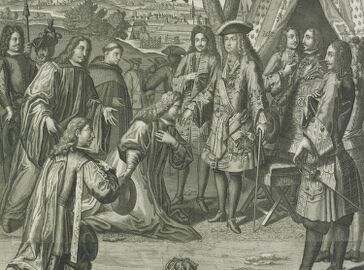
The 11th Duke died in 1713 and was succeeded by his only son Manuel Alonso, then his grandson, Domingo José, in 1721. This 13th Duke was a hypochondriac and lived mostly far from court. He was succeeded in 1739 by his son, Pedro de Alcantara, who returned to court and government in various roles, notably as Caballerizo mayor of Queen Barbara (wife of Ferdinand VI), and ultimately Caballerizo mayor to the King (Carlos III) in 1768. When he died in 1779, the succession of the senior line of the Casa de Guzmán, its many estates and titles, became one of the most desired aristocratic inheritances in Europe.
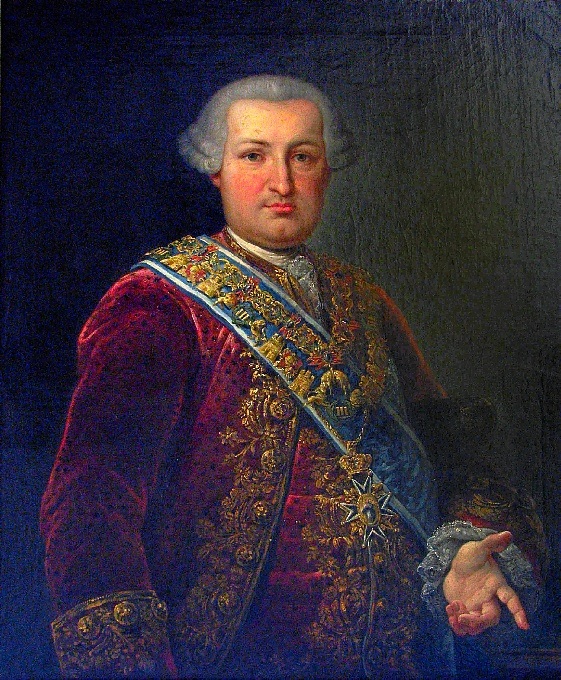
Headship of the Casa Medina Sidonia was successfully claimed by his cousin, José Alvarez de Toledo, grandson of the 13th Duke’s sister Juana de Guzmán and Fadrique Alvarez de Toledo, 9th Marques of Villafranza del Bierzo. Thus two of the grandest families of the Spanish aristocracy were joined together.
Jumping back several generations were see in a previous blog on the House of Alvarez de Toledo (the Dukes of Alba), that a cadet line had been established in the sixteenth century with the marquisate of Villafranca del Bierzo, in the Kingdom of León (in the far northwest, near the border with Galicia). This branch had greatly enriched itself when holding the offices of Viceroy of Naples and Sicily (father and son), gaining the estates and titles of Duke of Ferrandina and Prince of Montalbano in the Kingdom of Naples—better known as Fernandina and Montalbán in Spanish. Their seventeenth-century descendants continued as pillars of the Spanish monarchy, as governors in both southern and northern Italy (ie, Milan), generals on land and sea, and forged marriages with other similarly powerful Spanish and Italian princely clans.

In 1683, José Fadrique Alvarez de Toledo, 8th Marquis of Villafranca del Bierzo, 5th Duke of Fernandina and Prince of Montalbán, married Catalina de Moncada, heiress of the Duchy of Montalto, the Duchy of Bivona and the Principality of Paternò, all in the Kingdom of Sicily. She was also heiress of a large estate in Andalusia, the Marquisate of Los Vélez, which will ultimately add to the vast acreage of the dukes of Medina Sidonia in the south of Spain. It was their son, Fadrique Vincente, the 9th Marquis (this title, being Castilian, always seemed to take precedence over the Italian ducal and princely titles), who married Juana de Guzmán, daughter of the 12th Duke of Medina Sidonia, in 1713, as above.
And so their grandson, José, the 11th Marquis, also became the 15th Duke of Medina Sidonia, in 1779. He was also Marquis of Cazaza in Africa, Count of Niebla in western Andalusia and Marquis of Los Vélez in eastern Andalusia. He was five times over a Grandee of Spain. But wait, there’s more… (said in the voice of Bob Barker on ‘The Price is Right’): only three years before, José had married María del Pilar Teresa de Silva y Alvarez de Toledo, 13th Duchess of Alba, one of the greatest heiresses of the age. This double ducal couple—Alba and Medina Sidonia—were progressive politically, attractive and rich, and patrons of artists like Goya and Haydn.

Right away they built a brand new palace—with royal proportions—on the eastern edge of the city of Madrid: the Palacio de Buenavista. A previous palace had been built here in the sixteenth century, owned by the royal family; it was lived in by the Dowager Queen Isabel Farnese until her death in 1766, then acquired by the House of Alba. The new Duke and Duchess commissioned the finest architects of the 1770s, and filled the palace with some of the most famous artworks in Spain. Acquired by the City of Madrid in 1807, it was at one point planned to turn the Buenavista Palace into an art gallery. Instead, it was ceded to the army in 1816 and was the seat of the Ministry of War from 1847, and from 1981 the headquarters of the Spanish Army.

If I had been the King of Spain, I would have found this union of two houses most frightening. And indeed, there was an attempt in 1795 to replace the King’s favourite, Manuel Godoy, with the 15th Duke of Medina Sidonia (known at the time as the Duke of Alba) as premier minister. But as fate would have it, the Duke died in 1798 before the couple had any children—the Alba lands and titles went elsewhere, and the Guzmán / Medina Sidonia titles passed to the Duke’s brother, Francisco de Borja. The 16th Duke had been a soldier: a brigadier in 1795 and a field marshal in 1798. During the Peninsular War he was appointed General Commander of Murcia, 1808, and joined the Cortes at Cadiz that attempted to create a constitution for Spain. At the restoration of the Bourbons, he was appointed Caballerizo mayor of the Queen, and he died, in 1821, having safely seen his family through the tumults of the revolutionary era.

His heir, known as the Duke of Fernandina, did not survive, so the succession went to his second son, Pedro, who ceded some of the Italian titles to his younger brother, José. As 14th Duke of Bivona, José (or Giuseppe) was considered the Premier Peer of Sicily, but after 1860, Sicily was incorporated into the Kingdom of Italy, so Queen Isabel II converted Bivona into a Spanish dukedom in 1865. This cadet line continued into the twentieth century; the 18th Duke of Bivona, Tristan, died in 1926, and the title lay dormant until revived in 1956 by Tristan’s sister’s grandson, Manuel Falco, who was already 5th Duke of Arco (since 1940), and 6th Duke of Fernan Nuñez (since 1936). This line continues today.
Meanwhile, Pedro de Alcántera, 17th Duke of Medina Sidonia, solidified his ties to the Spanish royal family through a marriage in 1822 to María del Pilar de Silva, daughter of the Mayordomo mayor of King Ferdinand VII (the Marques del Viso). But the Duke did not support the succession of the King’s infant daughter, Isabel II, in 1833, and instead joined the cause of her uncle Infante Carlos. He at first moved his family to Naples, then joined the Carlist court in the later 1830s as one of the pretender’s gentlemen of the chamber, then in 1837 was sent on an important diplomatic mission to St Petersburg to try to gain the support of the Tsar for Carlos’ claims to the throne. He was warmly received (and is referred to mostly as the Marquis of Villafranca, not Duke of Medina Sidonia), but by 1839, the Tsar made it clear that he would not support Carlism, and Don Pedro returned to Spain. His estates had been confiscated, and were not returned until 1847, thanks to the efforts of his son in Spain. He was eventually reconciled with the Queen and restored to his position as a gentleman of the chamber and named a Senator of the Kingdom. His first cousin was the Empress Eugénie of France, so he was also useful to the now adult Isabel II as a host when the Spanish-born Empress made a state visit to Spain in 1863.
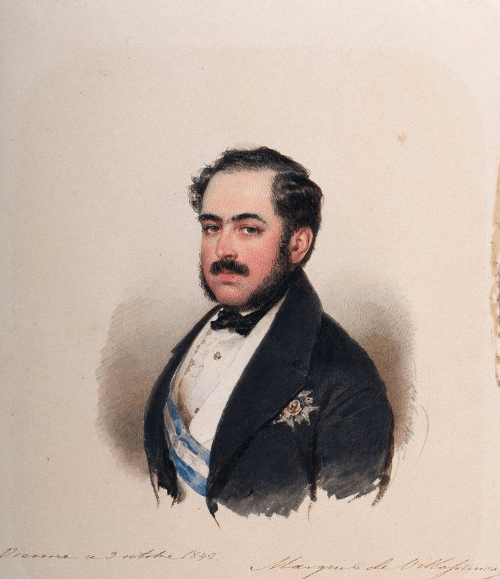
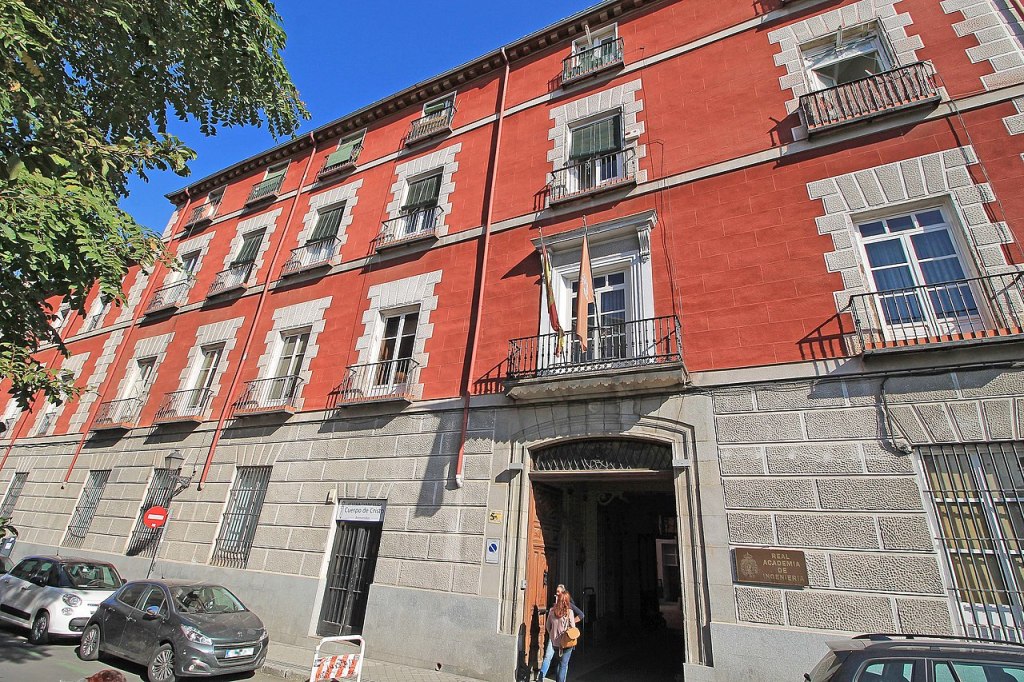
The Duke did not survive the turbulent last years of the reign of Isabel II, dying in 1867 a year before she was deposed in 1868. The 18th Duke, José Joaquín—who now used the ducal title in preference to the marquisate, perhaps trying to forget his father’s prominence in the Carlist movement—was also the last to really take up the family role in Italian politics. As the heir he had been called Duke of Fernandina and Prince of Paternò and as such sat in the Parliament of the Kingdom of the Two Sicilies in the 1850s—an interesting reminder that aristocrats like these maintained dual identities as Spanish and Italian grandees well into the nineteenth century. Known as ‘Pepe Fernandina’, the Duke and his wife lived at the centre of the social life of mid-century Madrid, at their residence, the Palace of the Marquis of Villafranca, built in the 1720s in the area just south of the Royal Palace. This grand building (on Calle San Pedro) passed to relatives in the later nineteenth century, was divided up into flats in the twentieth, and today has been restored and houses the Royal Academy of Engineers.
After the death of his father, the 18th Duke of Medina Sidonia re-asserted himself in Spanish government. In 1875, after the restoration of the monarchy, he was elected Senator for the province of Cádiz, where he was the largest landowner, but was not as active in politics as his son (the Count of Niebla), who was active in the Liberal party. In 1885, young King Alfonso XII died and his widow, Queen Maria Cristina, replaced most of the household officers for her infant son, Alfonso XIII, appointing the Duke of Medina Sidonia to the top spots as Mayordomo mayor and Caballerizo mayor (thus head of the court both inside and out), who then succeeded his uncle as ‘Jefe superior’ of the court from 1890.
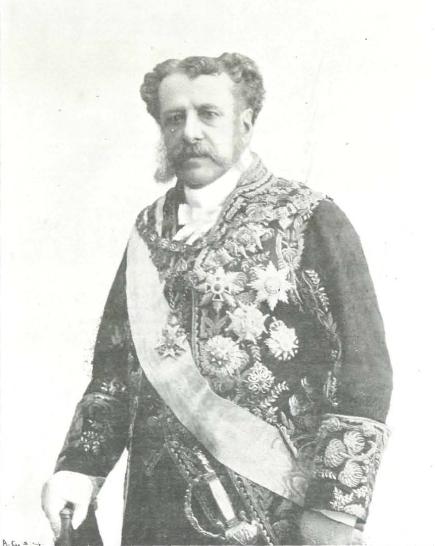
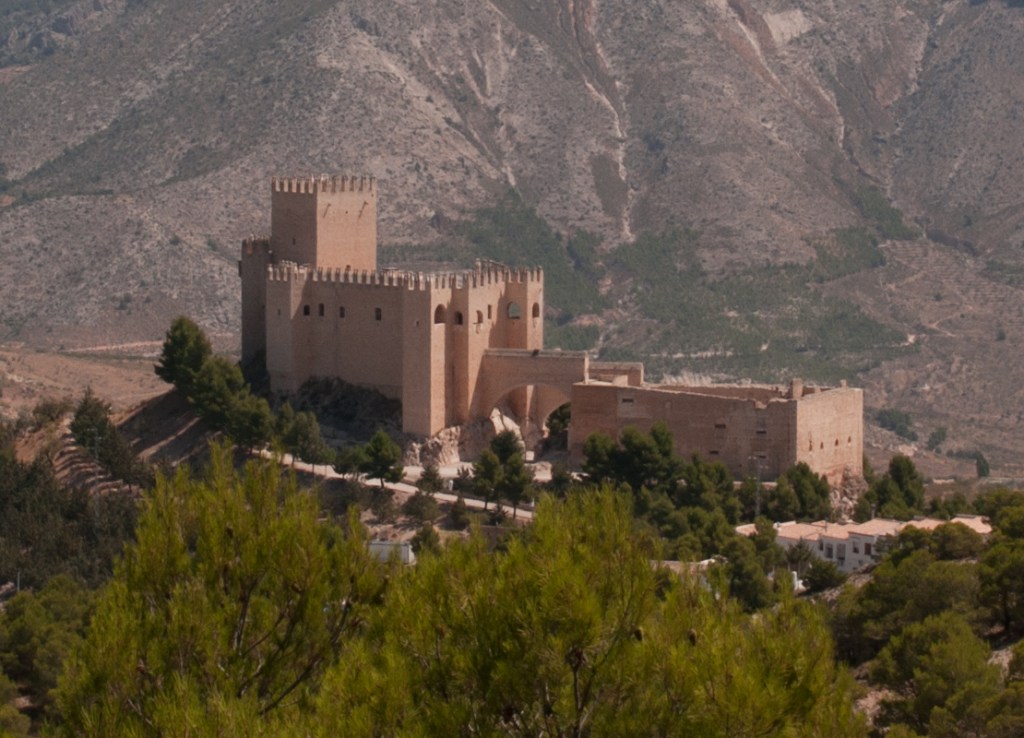
In all of these generations, subsidiary Spanish and Italian titles were shed, to give titles to both younger sons and daughters. And the link with Italy remained, despite the loss of independence of the kingdoms of Naples and Sicily: two of the 18th Duke’s aunts had married prominent Neapolitan aristocrats, so there were plenty of familial relations, and in 1907, the King of Italy created a new title, Prince of Montalto, for Joaquín, 19th Duke of Medina Sidonia, based on his estates in Sicily. Having succeeded his father in 1900, the 19th Duke did not share his father’s passion for the court, and spent most of his time tending his farms in Andalusia. Still suffering from huge debts accumulated in the previous century by his father and grandfather, he sold off properties, for example the Coto de Doñana near Sanlúcar de Barrameda (as above), and the Castle of Vélez Blanco, built in 1515 by the first Marquis of Los Vélez (Pedro Fajardo), and serving as the seat of the Medina Sidonia family in eastern Andalusia since the late seventeenth century. Long abandoned as a residence, its perfect Renaissance interior sparked interest of collectors, so was sold and dismantled in 1904 to a French collector. Later resold and moved to New York City, since 1945 the ‘court of honour’ is housed in the Metropolitan Museum of Art. The ruined castle itself was retained by the family until 2005 when it was sold to the Region of Andalusia who is restoring it for use as a museum.
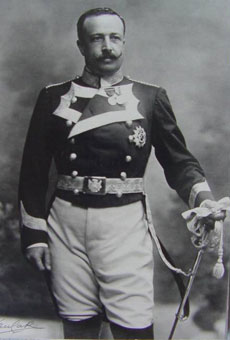

The 19th Duke died in 1915, passing everything to his son, another Joaquín, who in 1931, married the daughter of the 1st Duke of Maura, son of Antonio Maura, President of the Council of Ministers several times between 1903 and 1922 (as an interesting aside, Maura’s grand-niece is Carmen Maura, one of Spain’s most celebrated actresses, the muse of filmmaker Pedro Almodóvar). He was appointed one of Alfonso XIII’s gentlemen of the chamber, and his family’s credit with the royal family was still so strong that the King revived a long extinct title for his sister, María, the Duchy of Santa Cristina, in 1923—despite the genealogical link to the original holders being extremely distant (from the seventeenth century), and having natural heirs in Italy (where Santa Cristina is physically located, in Reggio di Calabria). The title was originally created in 1830 for the ambassador from the Two Sicilies to Spain, Fulco Giordano Ruffo di Calabria, and is still used by both his Italian cousins (the Torrigiani), and the descendants of María Alvarez de Toledo (the Márquez family).
The 20th Duke of Medina Sidonia died in 1955 and was succeeded by his only child, Luisa Isabel Alvarez de Toledo y Maura, 21st Duchess of Medina Sidonia, 16th Marquise of Villafranca del Bierzo, 24th Countess of Niebla, three times Grandee of Spain… known as ‘La Duquesa Roja’—the Red Duchess. She was born in Estoril in 1936, amidst the community of royalist exiles in that Portuguese coastal town; and it was here where she was ‘presented’ in society in 1954, alongside the Infanta Pilar, eldest granddaughter of the deposed King. A year later, she married aristocrat Leoncio González de Gregorio, and right away produced an heir and two spares: Leoncio (‘Count of Niebla’), María del Pilar, and Gabriel. Her marriage broke down soon after and they lived separately from 1958 (though they did not formally divorce until 2005). A committed socialist her entire life, the Duchess was imprisoned by the Francoist regime in 1969 (serving eight months) for protesting against the government’s treatment of farmers following a chemical disaster. She published a novel in 1968, La huelga (‘the strike’), that critiqued ‘Caciquismo’, the political-social system where local bosses dominate towns through clientele networks. She lived in exile in France for six years until the death of General Franco in 1975. In the 1980s-90s, she concentrated on writings (more novels, a memoir about the 1960s) and on creating the Foundation of the House of Medina Sidonia (created in 1990), with its fantastic family archive. She published articles on the history of her family that challenged traditional historians’ views, some fairly controversial.

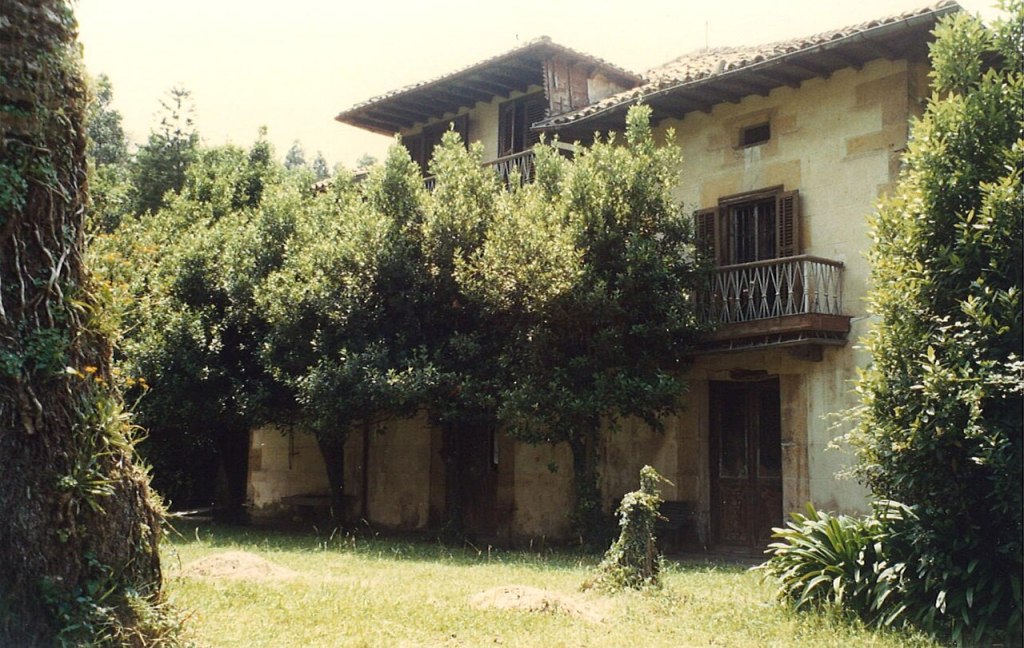
When not living at the family palace in Sanlúcar, the Duchess lived in Cantabria, on the northern coast of Spain, in the Palacio of the counts of La Mortera, which she had inherited from her Maura grandfather. This house, built in the late eighteenth century, had been enlarged by the 1st Count of La Mortera who had made a fortune in Cuba—and the Duchess received it instead of remuneration owed to the family by the Cuban government, though not without controversy, as her children later found out.
Then another surprise: only a few hours before her death in 2008, the 21st Duchess of Medina Sidonia married her partner since the 1980s, German-born historian Liliane Dahlmann. By Spanish law she is entitled to be called ‘Dowager Duchess’ and today runs the Medina Sidonia Foundation.
This historically minded duchess left her titles to another historian, her eldest son Leoncio González de Gregorio y Alvarez de Toledo, the current Duke of Medina Sidonia (b. 1956). He is a professor at the University of Castile-La Mancha. His sister, Maria del Pilar, initially had the title Duchess of Fernandina rehabilitated for herself by King Juan Carlos in 1993, but in 2012 this decision was reversed, and that title was returned to the Duke for use, according to tradition, by his heir, Alonso (b. 1983).
Another ducal title that re-emerged in this family in the reign of King Juan Carlos was that of Zaragoza. Alonso Cristiano Alvarez de Toledo—from a cadet line that separated in the nineteenth century, but in fact the senior male of the Casa de Alvarez de Toledo after the death of the 20th Duke of Medina Sidonia in 1955—inherited claims to the dukedom of Zaragoza from his grandmother, from the family Rebolledo de Palafox. The title had been created in 1834 for the head of the royal armies and a hero of the Peninsular War, José Rebolledo de Palafox (Palafox being an old noble family from Aragon). Born in 1896, from 1916 Alonso Cristiano was titled Marquis of San Felices de Aragón and 11th Count of Eril (inherited from the Rebolledo de Palafox family); then in 1935 he succeeded his father as 7th Marquis of Miraflores. He was a Gentleman of the Chamber of King Alfonso XIII from 1917, and a career diplomat with posts in Ireland and Switzerland. Finally, in 1975 (the year of the restoration of the monarchy), at nearly eighty years old, he was created 4th Duke of Zaragoza (though it had been claimed since 1963). He died in 1990, and passed this title to his son Manuel, 5th Duke of Zaragoza (b. 1944)—the current senior male of the House of Alvarez de Toledo, though he possesses neither the dukedom of Alba nor that or Medina Sidonia.
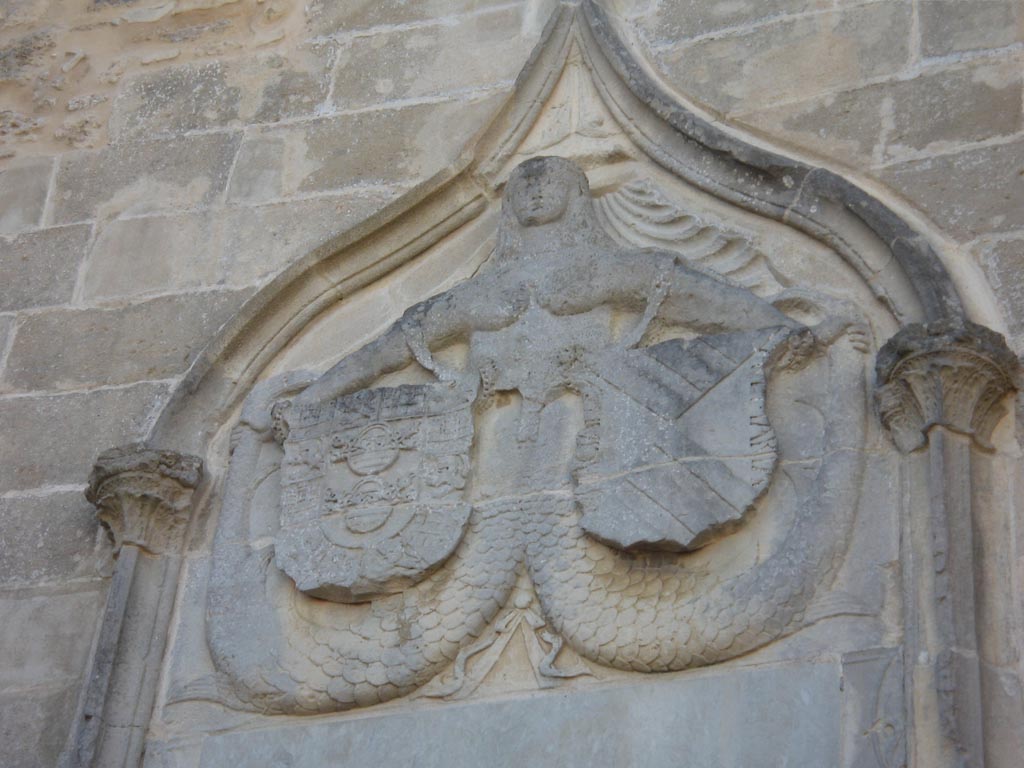
(images Wikimedia Commons)


One thought on “Dukes of Medina Sidonia: Virtual kings of Andalusia”