September 2023 marks the one-year anniversary of the reign of Charles III in the United Kingdom, and in the list of British queen consorts, adds the name of Camilla Shand. In the history of royal consorts, in Britain or elsewhere in Europe, or indeed at the top of the European aristocracy—the dukes and princes—a family name like Shand would not normally have appeared, or would have been seen as a mésalliance, and in many cases would have cost a prince and his heirs their position in the succession. These strict house rules that regulated succession have never been as forceful in Britain as they were in most continental royal and princely houses—otherwise Henry VIII could have never married who he did!—and even those regulations were relaxed significantly following the Second World War. But a closer look at the ancestry of Queen Camilla reveals that she is in fact related to some of the grandest names of the aristocracy, in Scotland in particular, but also in England and the Netherlands. Even more interesting is the great cross-section of elites who appear the further back you go in her lineage, from London bankers and architects, to minor Breton landowners, to colonial families in New England and Canada.
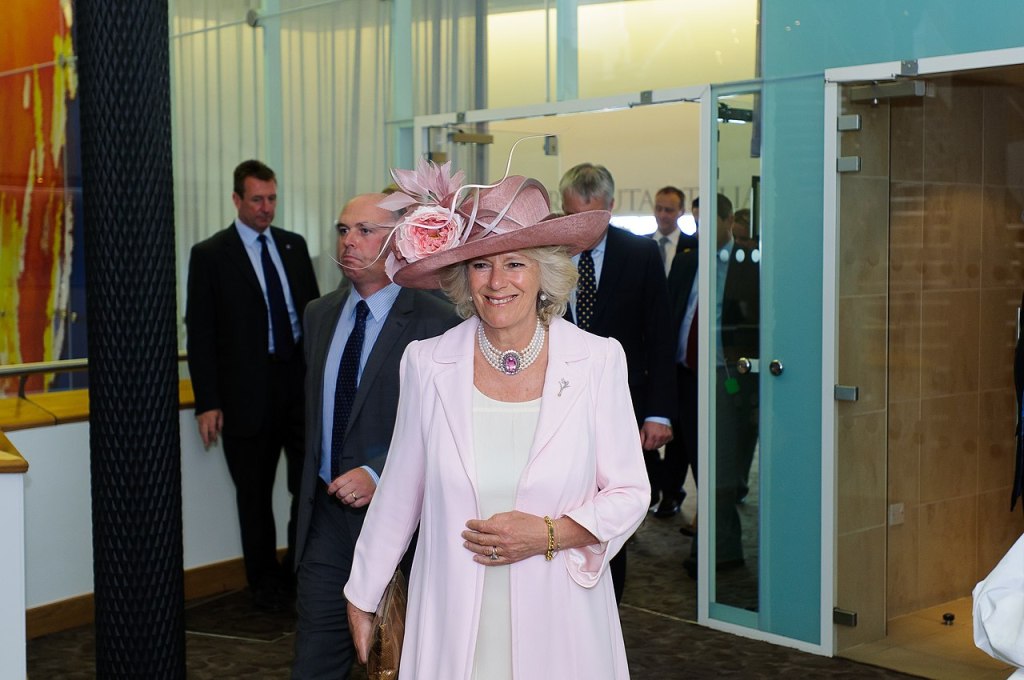
This post looks at the pedigree chart of Camilla Shand, that is, a chart that lays out parents, grandparents, great-grandparents, etc, and looks in particular at its relationship to dukes and princes. Almost immediately, we see that it is not her father’s, but her mother’s parents, the Cubitts and the Keppels, who were had the grander aristocratic lineage. Beyond this, the Queen’s great-grandmother’s family, the Edmonstones, also connect her to the Elphinstones, who are Charles III’s cousins through his own grandmother, Elizabeth Bowes-Lyons. Yet it is not that surprising, given the close-knit intermarriages of the British aristocracy (and particularly those from Scotland, like Edmonstone and Elphinstone), that Charles and Camilla are cousins.
But what is more intriguing, from the viewpoint of the historical genealogist, is the large number of other fascinating family histories that emerge: this blog post will highlight only some of these, like the Keppels from the Netherlands, or the founding families of Quebec. And credit must be given where it is due: much of this information comes from the incredibly researched and detailed website of royal genealogist William Addams Reitwiesner: http://www.wargs.com/royal/camilla.html. So I hope he doesn’t mind me using it!
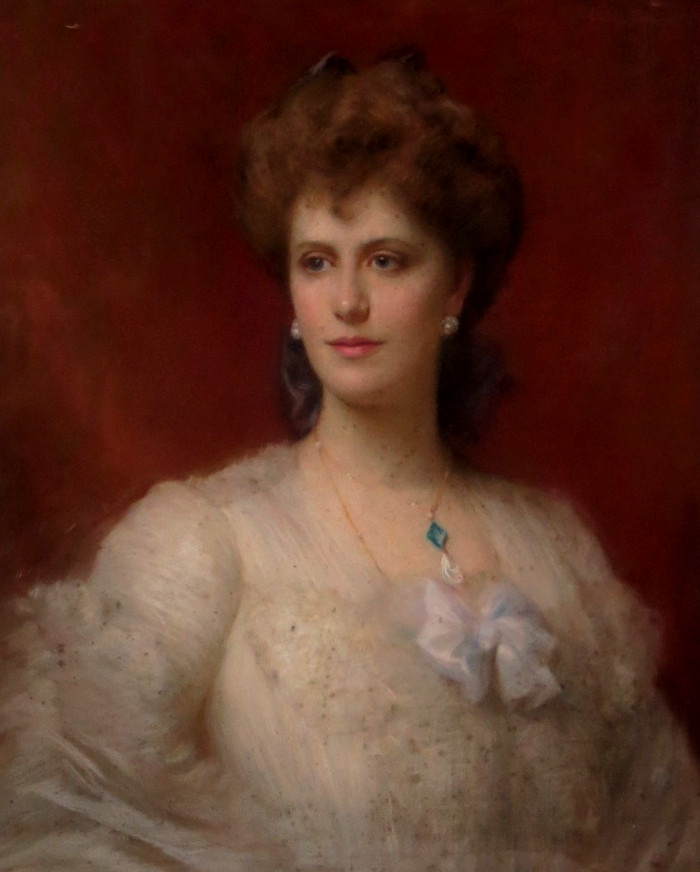
Of course, one of the clearest royal links for Camilla Shand, previously Mrs Parker-Bowles, and until recently the Duchess of Cornwall, comes from the well-known story of her maternal great-grandmother, Alice Edmonstone, the wife of the Honourable George Keppel, being the mistress of Charles III’s great-great-grandfather, King Edward VII. There are suggestions that Alice’s daughter, Sonia Keppel (b. 1900), was in fact the King’s daughter, making Charles and Camilla even more closely related. Sonia also had a famous sister, Violet Trefusis, whose life is an extraordinary tale of adventure and romance, particularly her troubled affair with Vita Sackville-West. But she is not a direct ancestor of Camilla, so let’s move on.
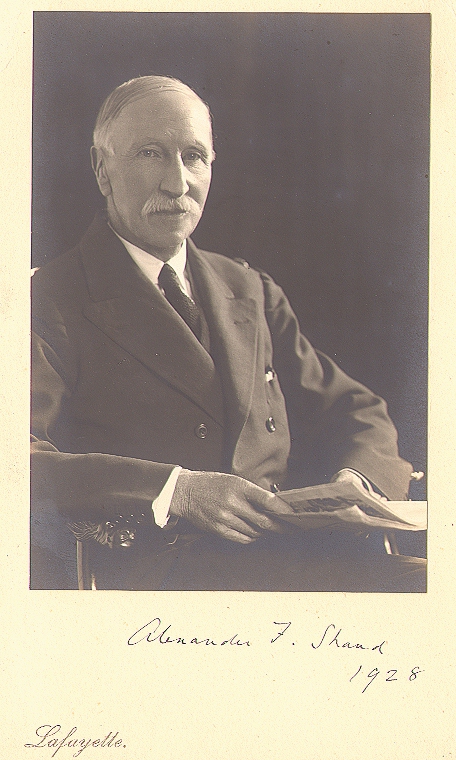
The Shand family are from Scotland, tracing roots back to Banffshire in the early 18th century, when James Shand was Provost of the City of Banff. His son was the first feudal laird of Craigellie, south of Fraserburgh way out on the northeast edge of Aberdeenshire. And through the family’s marriages in the 18th century, Camilla’s pedigree chart connects her to most of the landed families of this region of Scotland, including the Leslies, Ogilvies, Bairds, Forbes, as well as the Lyons, Lords of Glamis (yes, the same family as the late Queen Mother), and further back to grander aristocratic families that dominated Scotland in the 16th and 17th centuries: Hay, earls of Kinnoull; Douglas, earls of Morton; and Keith, earls Marischal. One of the more prominent Shands in more recent times was Alexander Faulkner Shand (1858-1936), Camilla’s great-grandfather, a barrister and one of the founders of the modern field of psychology.
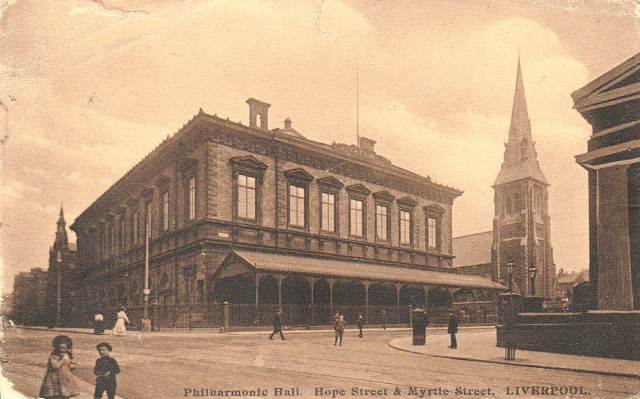
Through Alexander Shand’s wife, Augusta Coates, we connect to an interesting family from Liverpool, the Hopes, bankers, merchants, and members of Parliament. William Hope (d. 1827) gave his name to Hope Street, in the heart of Liverpool, and his house was located where the Philharmonic Hall was built in the 1840s. The street later gave its name to the university based in this neighbourhood, Liverpool-Hope.
Another family with an interesting urban legacy shifts us to Camilla’s mother, the Honourable Rosemary Cubitt. Thomas Cubitt (1788-1855) was the son of a Norfolk carpenter, who became a builder, and left behind an extraordinary number of houses in London, all over Mayfair, Bloomsbury, Islington, and so on, and even building the new face of Buckingham Palace in 1847. He later built Osborne House on the Isle of Wight for Queen Victoria and her family. For himself he purchased a house at Denbies in Dorking, Surrey, which he rebuilt in a much more grand style—unfortunately demolished in the 1950s.

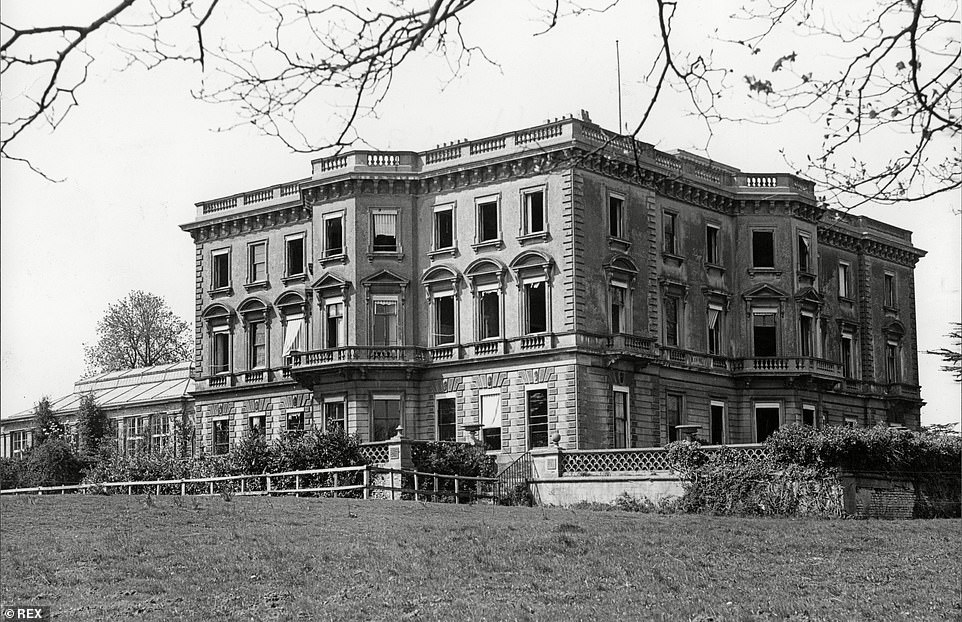
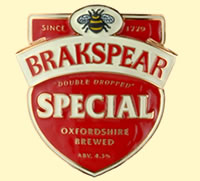
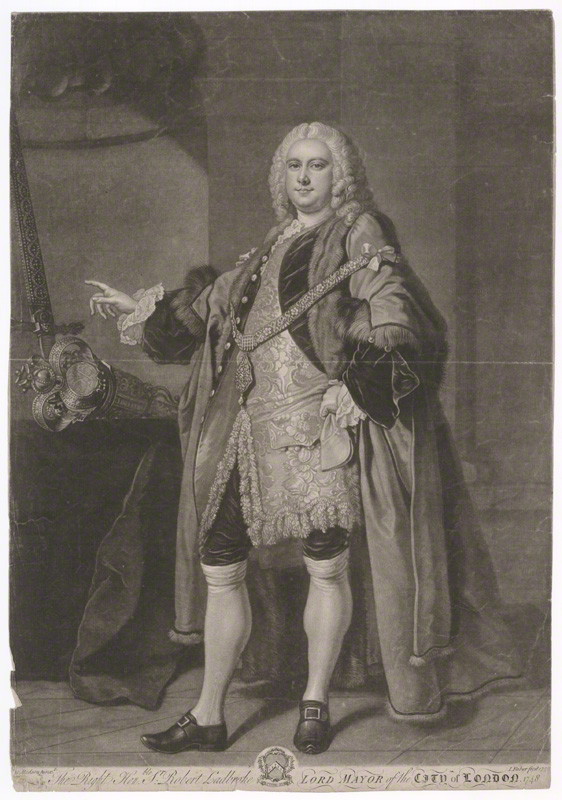
Cubitt’s son entered politics and became 1st Baron Ashcombe, of Dorking, in 1892. Other ancestors on this branch of Queen Camilla’s pedigree chart include landowners in Surrey, brew-masters in Berkshire (Brakspear’s), and a London distiller, who rose to be a banker, an MP and a Lord Mayor of London: Sir Robert Ladbroke (d. 1773). His family gave their name to extensive properties in Kensington, notably Ladbroke Grove (but not to the betting firm, which is named for a country house in Warwickshire).
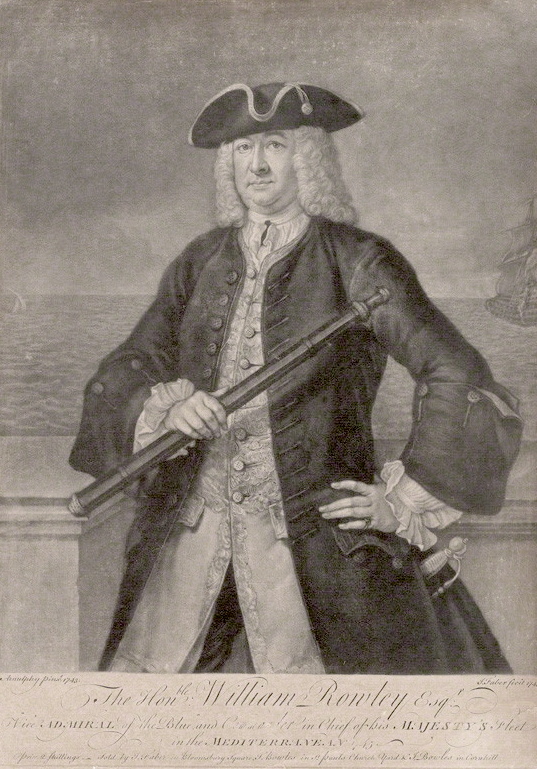
Other people found on this branch of the family centred on the southeast of England include two 18th-century admirals, Sir William Rowley, commander of the Mediterranean Fleet in the War of Austrian Succession (1740s), and Sir Robert Harland, First Naval Lord from 1782; and George Peters, a governor of the Bank of England and member of the Russia Company of merchants. A final interesting twig on this branch are the members of an émigré French Huguenot family who arrived in London fleeing persecution in the 1720s: Adrien Coltée Ducarel was a Director of the South Sea Company (happily after its famous burst bubble). His father’s family were merchants in Normandy, owners of the fief of Le Carel, while his mother’s family, initially spelled in these records as Crommelin, lords of Muids (Normandy), but further back revealed as Crommelinck, a Flemish family of linen merchants from Kortrijk.
This link to the Low Countries draws us to the Keppels, the paternal family of Sonia, the Hon. Mrs Cubitt (they divorced before he became 3rd Baron Ashcombe), maternal grandmother of Queen Camilla.

The Keppels were an ancient but minor noble family from Gelderland, one of the eastern provinces of the Dutch Republic. In the 1690s, Arnold Joost van Keppel established himself and his family in the peerage of England as the Earl of Albemarle. The Keppels of Albemarle did not obtain a dukedom, to make them more relevant to this website—unlike the predecessor with the name ‘Albemarle’ (General Monck) or the other Dutch family that came over to England in the reign of William III, Bentinck (earls, later dukes of Portland)—but by the end of the 18th century they were related by marriage to most of the ducal families of England and Scotland. Their roots stretch back to the lordship of Woolbeek in the mid-14th century, located near the IJssel river, not too far east of Appeldoorn, where William III would later build his beautiful country house, Het Loo. In the mid-16th century Derck van Keppel married Aleist van de Voorst, the heiress of the nearby lordship of Voorst, closer to the town of Zutphen. De Voorst Castle was rebuilt by Arnold Joost in the 1690s; he also acquired the nearby castle of ‘t Velde (from the Bentincks), and rebuilt it as well. Both Voorst and Velde were sold by the family in the mid-18th century.

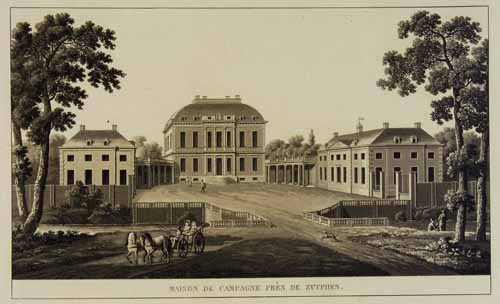
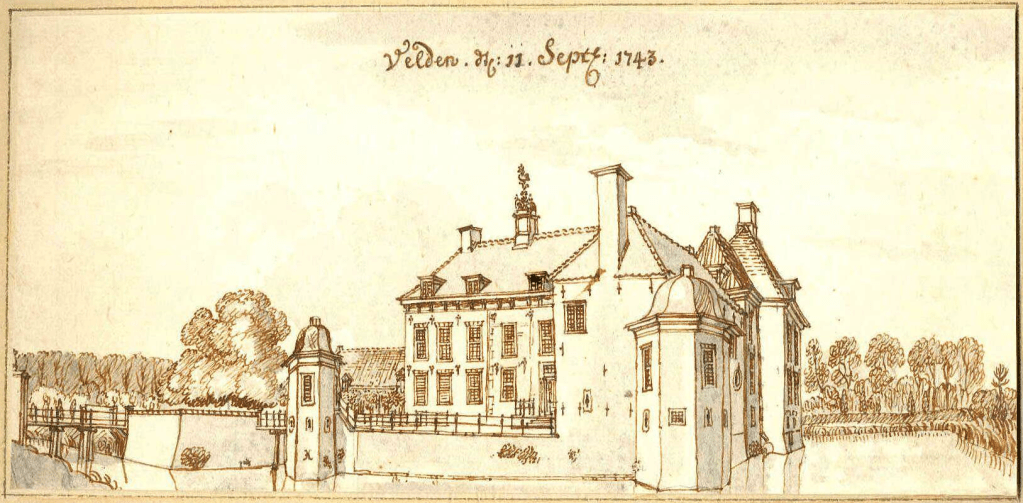
Arnold Joost van Keppel was initially a page in the service of William III, Prince of Orange and Stadtholder of Holland. He accompanied his master in the invasion of England in the Glorious Revolution of 1688, and by 1692 was clearly the royal favourite, displacing the much older Hans Willem Bentinck, Earl of Portland. He was named Groom of the Bedchamber and Master of the Robes, very intimate positions in the Royal Household, which fuelled rumours and satirical poems about the relationship between the King and his friend. We can never know for certain exactly what went on behind closed doors in Kensington Palace, but it would be interesting to consider the familial link between the favourites of William III and Edward VII… Keppel was raised to the peerage in 1696 as Viscount Bury, in Lancashire (which seems pretty random to me, but hey, that’s the history of English peerages for you!), and Baron Ashford in Kent, and then as Earl of Albemarle, 1697. As explained in a previous blogpost, Albemarle refers to nowhere in particular in England, but ultimately derives from Aumale in Normandy, and does make a nice allusion to the ancient name for Britain, Alba, from its white cliffs. The 1st Earl served William ably in his preparations for war against France in the War of Spanish Succession, but after the King’s death in 1702, Albemarle took up a post instead as a general of the Dutch cavalry, which served under the Duke of Marlborough, Commander of the Allied Armies.
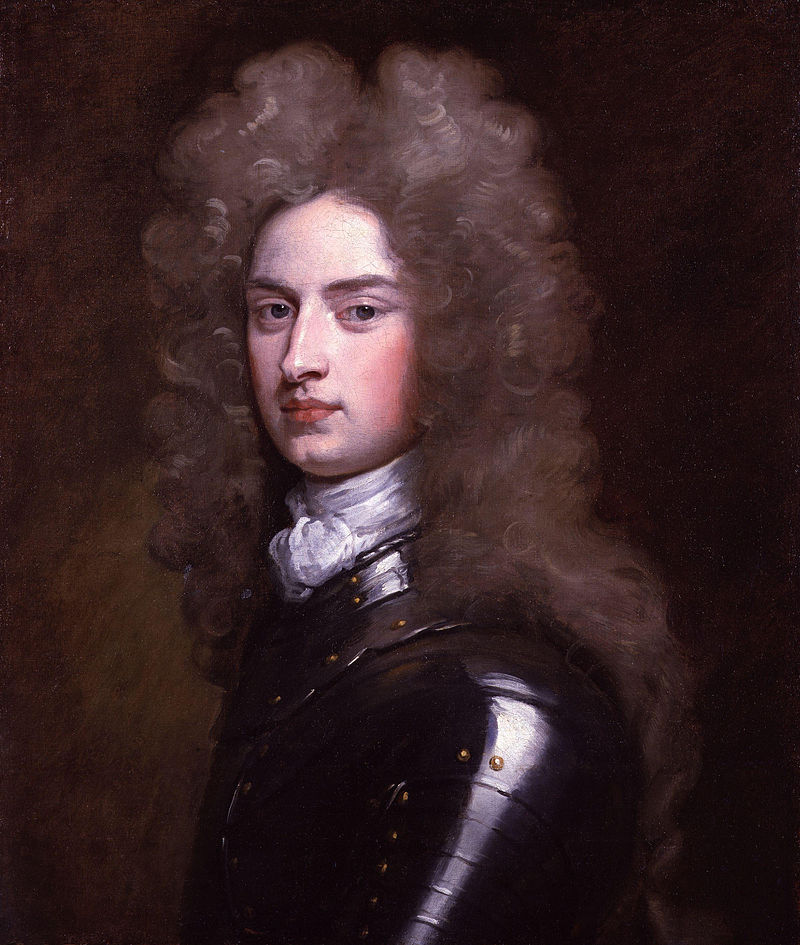
Albemarle’s wife provides Queen Camilla’s pedigree chart with the lineages of many more noble Dutch families: van der Duyn, lords of Gravenmoer in North Brabant; Suys, lords of Rijswijk in South Holland (the location of the signing of the famous Treaty of Ryswick, the same year as the creation of Van Keppel’s earldom); and Bouckhorst, lords of Wimmenum in North Holland, a family of prominent magistrates and diplomats in the 17th century, the Dutch ‘Golden Age’.
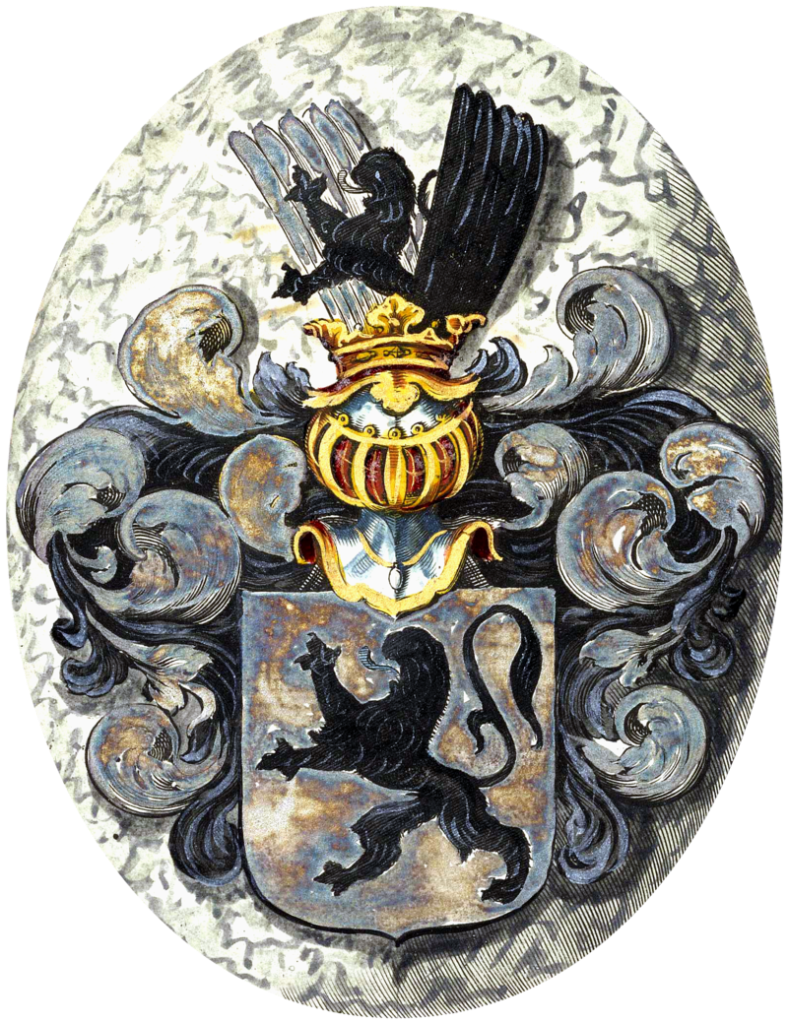
William Keppel, 2nd Earl of Albemarle, re-established the family’s links with Britain. As another intimate of royalty like his father, he was Gentleman of the Bedchamber to George II and ultimately Groom of the Stole. He was also a soldier, commanding British troops in Flanders in the 1740s before being pulled to Scotland to command at Culloden in 1746, after which he was named Commander-in-Chief of British forces in Scotland. A diplomat in the Netherlands and France, he was also appointed Royal Governor of the Colony of Virginia in 1737, and has a county named for him, Albemarle County, in the Piedmont, home to Monticello and the University of Virginia in Charlottesville.
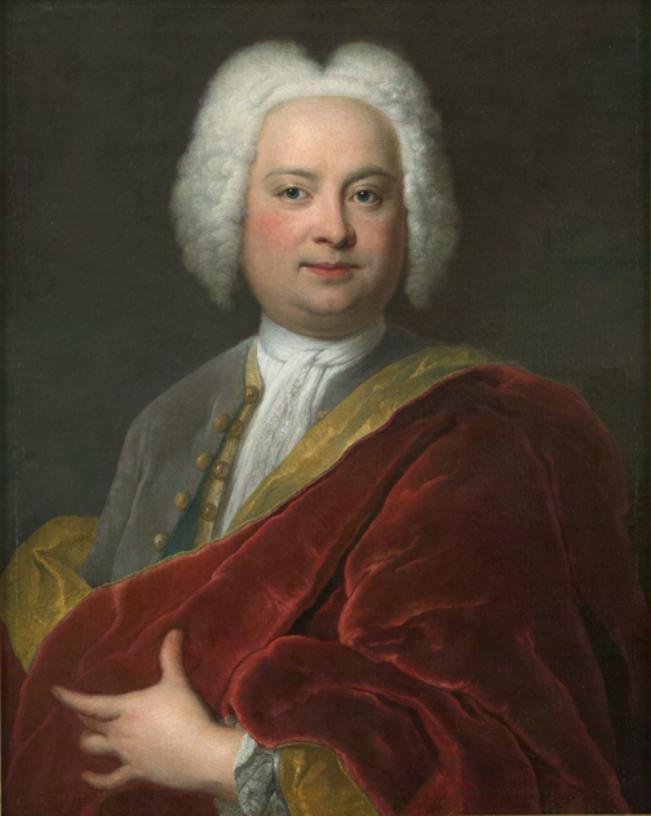
In terms of Queen Camilla’s ancestry, the 2nd Earl of Albemarle adds the closest direct link to royalty, through his marriage in 1722 to Lady Anne Lennox, daughter of the Duke of Richmond, and thus grand-daughter of King Charles II and his mistress Louise de Kérouaille, Duchess of Portsmouth. Ancestors added to the chart therefore include Stuarts, Bourbons, Habsburgs, etc, but also minor nobles from Brittany, the Penancoët de Kérouaille family and allied families the Barons of Ploeuc (which interestingly also has a connection to Colonial America, as an estate ultimately passing to the Marquis de Lafayette) and the Lords of Rieux de Sourdéac. René de Rieux, Seigneur de Sourdéac (1548-1628), from one of the most prominent noble families in south Brittany, famously held the fortress of the city of Brest for Henry IV of France in his wars against the Catholic League of the 1590s.

Back in England, Lady Anne’s mother’s family were the Brudenells, from the East Midlands, earls of Cardigan from 1661. They were connected by marriage to the northern families of Savage (of Cheshire) and Savile (of Yorkshire), as well as one of the best-connected of any Jacobean court family, the Villiers.
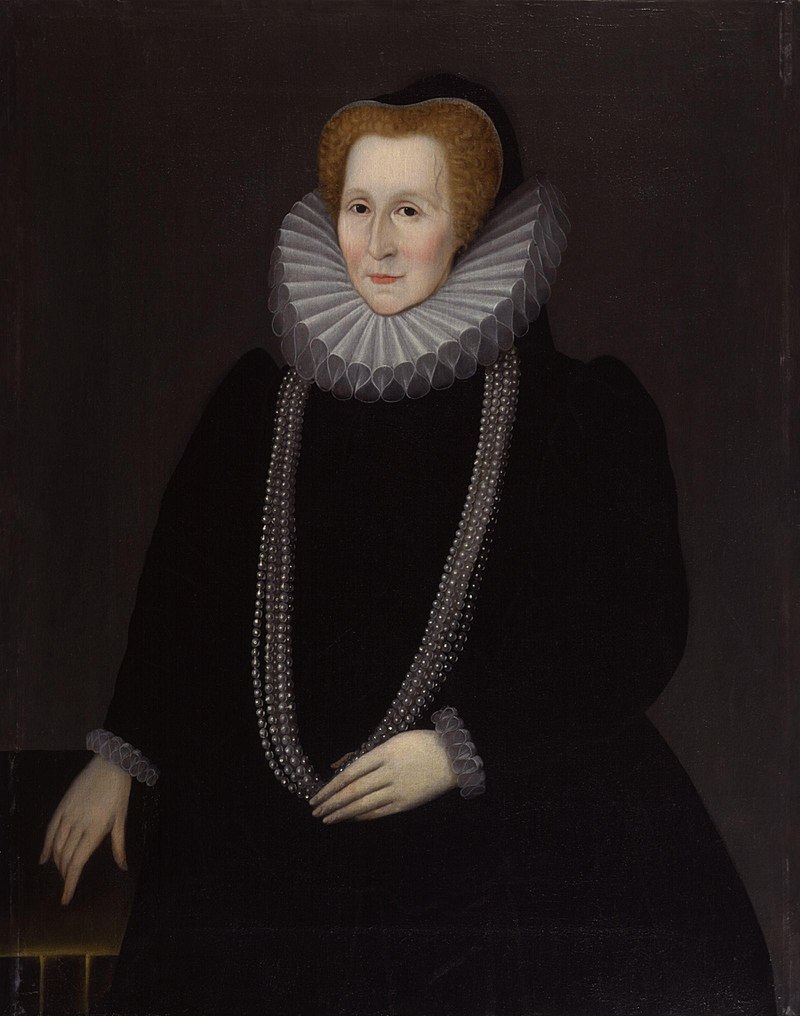
The 3rd and 4th earls of Albemarle, as descendants of the Stuarts and of the most prominent Stuart-era courtiers, thus easily maintained their place in the Georgian hierarchy. The 3rd Earl achieved a great victory in 1762 in the capture of Havana in Cuba, one of the most important cities in Spain’s overseas empire; while the 4th Earl was a politician, holding posts in the Whig governments of the early 19th century. The ancestors they add to Queen Camilla’s pedigree are mostly English county gentry: the Millers of Sussex, the Oglanders of the Isle of Wight, the Southwells of Gloucestershire, the Derrings of Kent, and so on. But further back, these too connect to grand Stuart and Tudor court families: the Watsons, earls of Rockingham, the Wentworths, earls of Strafford, the Tuftons, earls of Thanet, the Sondes, earls of Feversham, the Cecils, earls of Exeter, the Sackvilles, earls of Dorset, and the Pierreponts, earls of Kingston. It is a pretty complete who’s who. One connection here leads to the Barons Cromwell, the descendants of Thomas Cromwell, chief minister of Henry VIII, and another leads to William Cavendish, 1st Duke of Newcastle, one of the most important supporters of the Royalists in the English Civil War, and builder of the marvellous Bolsover Castle in Derbyshire. Of course, through him, we can add the well-loved figure of English history, his grandmother, Bess of Hardwick.
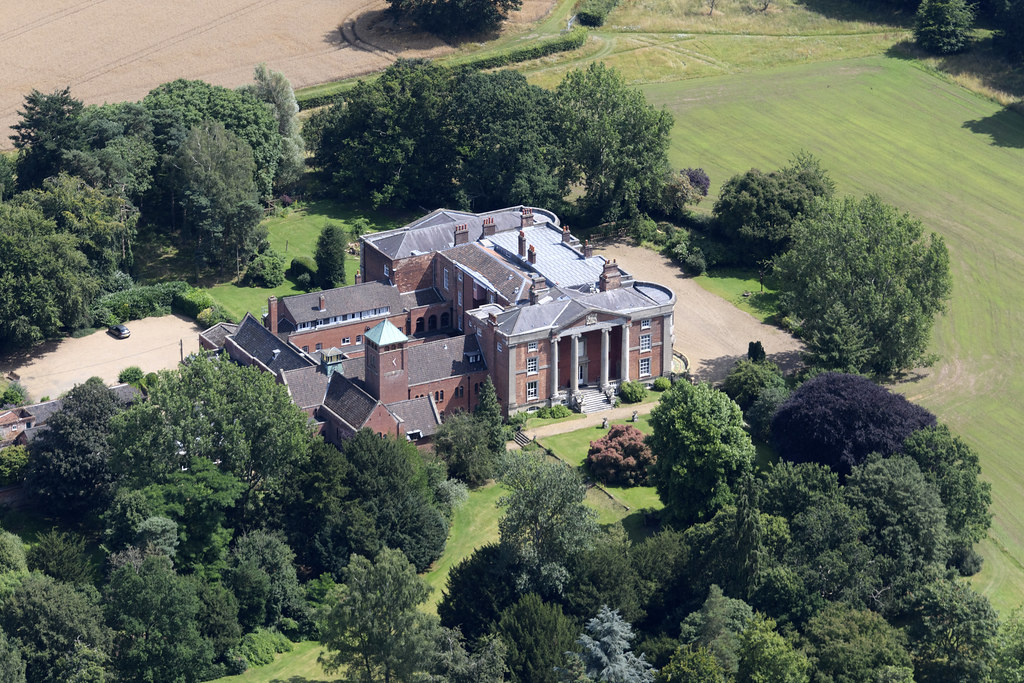
The Albemarle family seat was at Quidenham Hall in the Norfolk countryside near Thetford. It was a massive Jacobean mansion, bought by the Keppels in 1800, and retained by them until sold to some Carmelite nuns in 1948. The Keppels remained active in the Norfolk political and social scene in the 20th century, but also in Cheshire, where they inherited much of the Egerton properties—whose estates included Tatton Park, though that went by the will of the last Egerton to the National Trust. They also inherited a tiny share in the hereditary rights to the office of Lord Great Chamberlain, though their Carington cousins.
Through the marriage of the 6th Earl of Albemarle (d. 1891) we start to get closer to returning to the Scottish aristocracy with which we began. Susan Trotter’s family were from the borders, Berwickshire, but her mother’s family were the Gordons, descended from both branches, the earls of Aberdeen and the dukes of Gordon. Related families here are the Duffs, the Dalrymples, the Lockharts and the Frasers, mostly from Scotland’s northeast corner (like the Shands), but also connecting more widely to the southwest and the Hamilton lords of Bargeny (in Ayrshire), the Douglases of Clydesdale (in Lanarkshire), and the Cunningham earls of Glencairn (in Dumfries).
It is with the wife of the 7th Earl of Albemarle, Queen Camilla’s great-great-grandfather, that things start to get really interesting again in terms of diversity and wider geographical spread. Sophia MacNab (1832-1917) was the daughter of Sir Allan MacNab, joint Premier of the Province of Canada, 1854-56—one of the last to hold that post before ‘United Canada’ (Ontario and Quebec) merged with the other provinces of British North America to form the Dominion of Canada in 1867. The MacNabs were initially from Glen Dochart in the Highlands in Perthshire, but they emigrated to North America in the 18th century. MacNab is remembered today also as the builder of the very grand Dundurn Castle in Hamilton, Ontario.
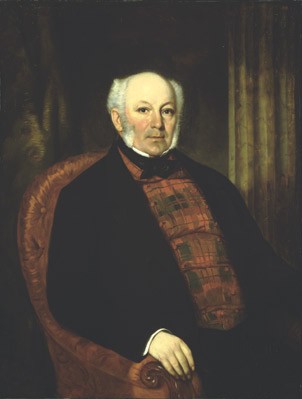
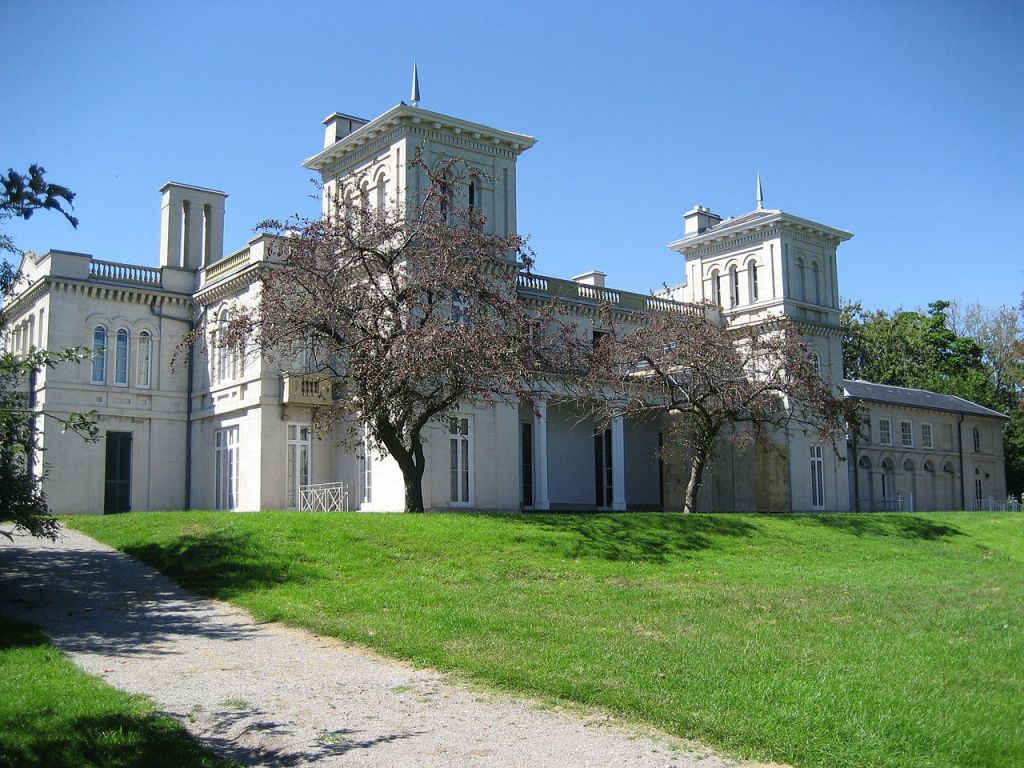
Allan MacNab’s mother’s family were Napiers, also a founding family of Canada, while his wife’s family, Stuarts and Joneses, were from New York and Massachusetts, Loyalists who moved north after the American Revolution. One of these, Ephraim Jones of Massachusetts (1750-1812), became a mill owner and an MP for the Ottawa River valley in the Parliament of Upper Canada (Ontario). Jones was descended from good stock 17th-century New Englanders: Treadway, Barnes, Goodenough, Allen. The lists include several Old Testament names—Abigails, Nathaniels—even a Suffrance (Haynes), so we know they were Puritans. Ephraim however married Marie Coursel (or Coursolles), who brings in some very different lineages. Her father was Michel Coursel from the Île de Ré on the Atlantic coast of France who emigrated to Québec and in 1739 married the Québecoise Marie-Josèphe Guyon, whose father lived in Verchères, across the Saint Lawrence river from Montréal. His ancestors had been amongst the first to come to Québec, for example, Louis Hébert, in 1617, less than ten years after the founding of the colony. Of all those listed as ancestors of Marie-Josèphe—Guillets, Trottiers, Cloutiers—most come, unsurprisingly, from the Atlantic coast—La Rochelle, Mortagne, Saintonge—and some from Brittany (Saint-Malo). The website cited at the top of this post helpfully includes many of their professions: carpenter, cabinet-maker, tailor. Some of them settled further downstream, at Cap-de-la-Madeleine (today part of Trois Rivières), or even closer to the mouth of the Saint Lawrence, at Château-Richer.
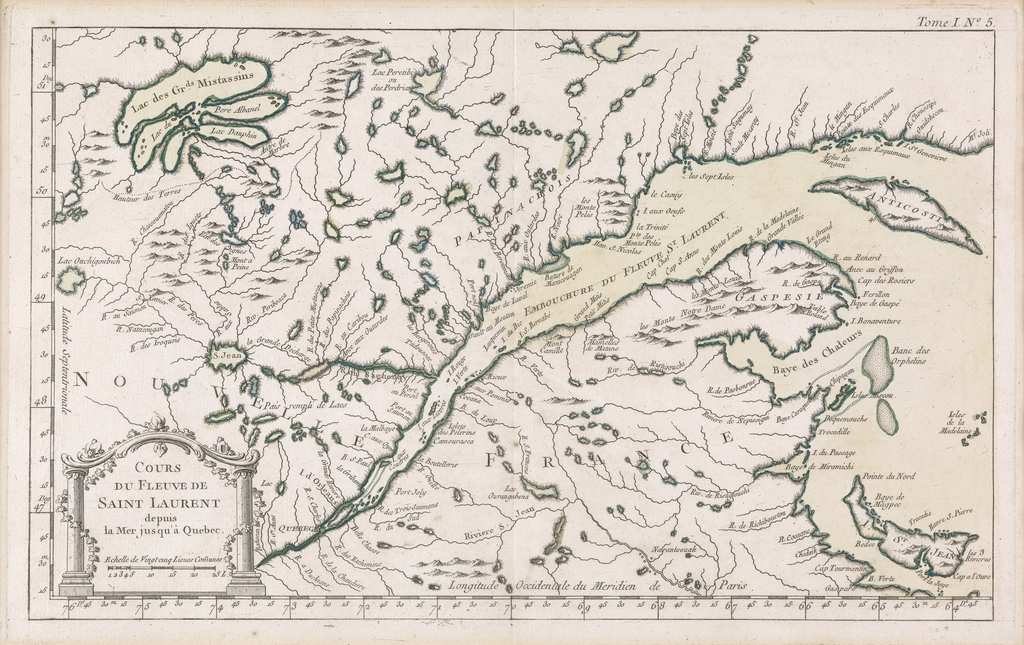
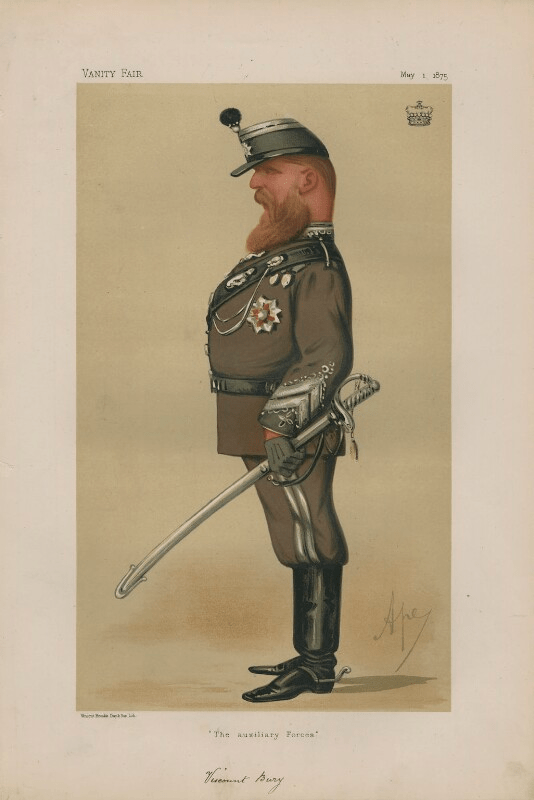
Lastly we return to Sonia Keppel’s mother’s family, the Edmonstones, and even more Scottish relations for Queen Camilla. Alice Edmonstone (Mrs Keppel) wasn’t married to the heir to the Albemarle earldom, but to George Keppel, the third son of the heir, Viscount Bury. Bury had been a long time Liberal politician, Treasurer of the Household for Queen Victoria, and also Superintendent of Indian Affairs in Canada, 1854-56—which was when he met and married his wife Sophia MacNab. Lord Bury finally became the 7th Earl of Albermarle in 1891, just before the marriage of George and Alice.
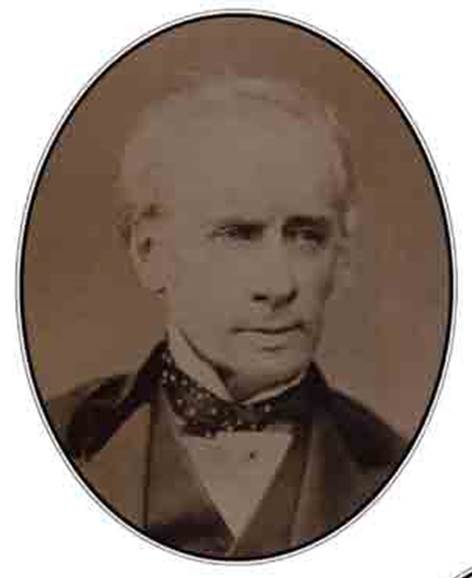
Alice was the daughter of Sir William Edmonstone, 4th Baronet, of Duntreath (1810-1888). He was an admiral and a Scottish MP, and maintained his residences in London and at Duntreath Castle in Stirlingshire. The castle, situated at the foot of the Campsie Fells north of the City of Glasgow, retained its 14th-century tower, and had newer 19th-century extensions built when the family returned to Scotland after having lived in County Antrim in Ireland for over a century. Here they built Redhall, near Carrickfergus (not far from Belfast), which they sold at the end of the 18th century.
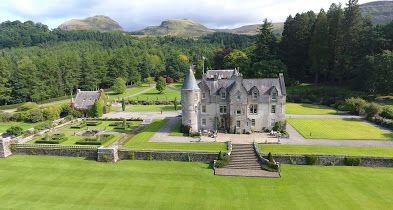
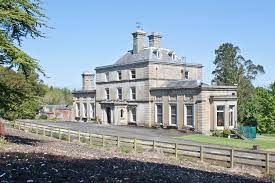
The Edmonstones had been based in this region, anciently known as the Lennox, since they were granted Duntreath by King James I in 1425, when the King’s sister, Princess Mary Stewart, married (for her fourth husband) Sir William Edmonstone. Sir William was a close associate of the young king and benefitted from royal favour. They were originally not from the west of Scotland, but from the Lothians, near Edinburgh, and they kept their original lands here, sometimes referred to as ‘Edmund’s Town’ (Edmundiston in medieval documents) until the 1620s. From having some royal blood from the Stewarts in the 15th century, they made new royal connections in 1999 when the daughter of the 7th Baronet married the son of the titular Grand Duke of Tuscany (Archduke Sigismund of Austria). Her brother got into legal trouble about five years ago for some shady financial dealings. Being a cousin to the future queen-consort, this was eagerly picked up by the media.
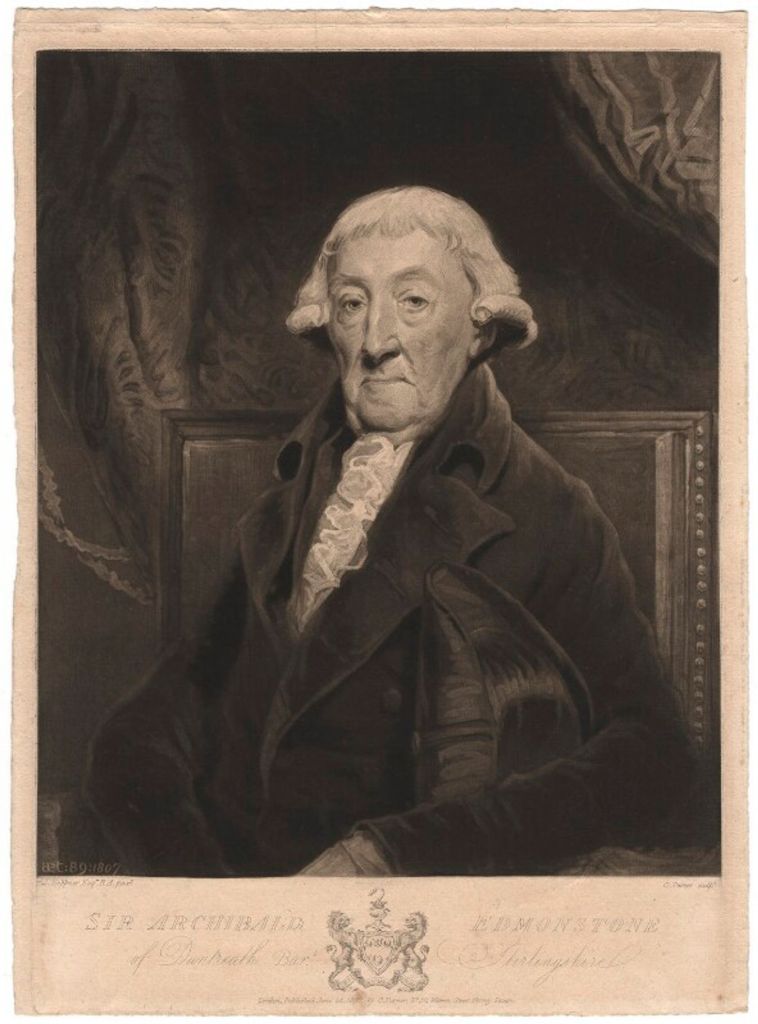
Queen Camilla’s descent from the Edmonstones thus connects her even more firmly with the Scottish aristocracy. The first Edmonstone baronet, Archibald (1717-1807), was a Scottish MP in the 1760s to 90s, a firm supporter of Lord North against the separatist yearnings in the American colonies, and was rewarded with a baronetcy in 1774.
His mother Anne Campbell was niece of the 1st Duke of Argyll, granddaughter of the 9th Earl of Argyll—which therefore brings in the aristocratic lineages of Campbells, Keiths and Douglases—but also the daughter of Elizabeth Elphinstone. The Elphinstones, like the Edmonstones, are a lowland clan, also originally based in the Lothians around Edinburgh from the 13th century, though it is thought their name may have derived from an earlier connection to Erth or Airth further west in Stirlingshire, on the banks of the River Forth, where their later seat, Elphinstone Tower would be located (‘Airth’s Tun’). Alternatively, it may be that their earliest lands were named as the possession of someone named Alpin (‘Alpin’s Tun’). The family began its rise to prominence in the later 13th century through marriage to a niece of Robert the Bruce. One of them became Bishop of Aberdeen and founder of the university there in 1494. Soon after, Elphinstone Tower in Stirlingshire (there’s also the ruins of one in East Lothian) was rebuilt by the 1st Lord Elphinstone in the early 16th century. The 1st Lord (Alexander) was a close associate of King James IV, and was killed at the Battle of Flodden alongside the King himself in 1513. The 2nd Lord Elphinstone was also killed fighting for Scotland, at Pinkie in 1547.
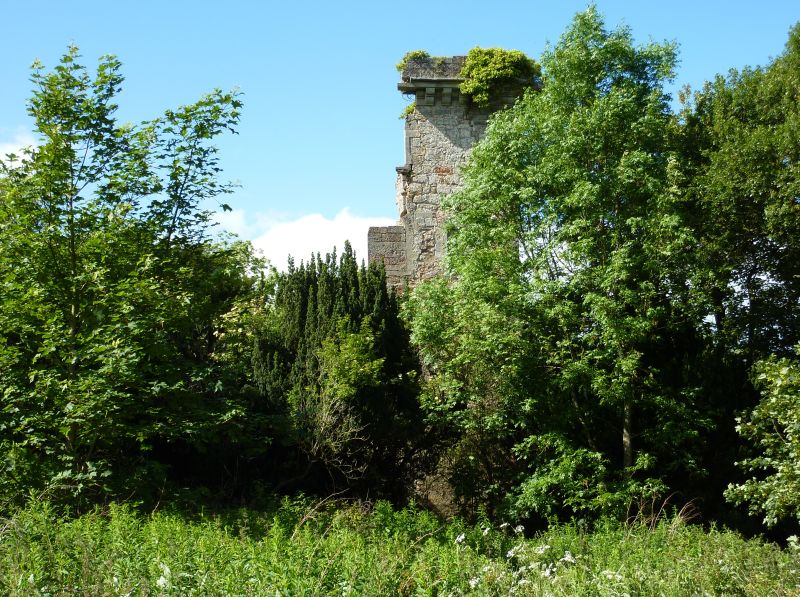
The 4th Lord Elphinstone (another Alexander) became Lord High Treasurer of Scotland under James VI, and significantly augmented Elphinstone Tower in the early years of the 17th century. It remained the family seat until it was sold to the Earl of Dunmure (a Murray) in 1754—and then mostly demolished in the 1820s.
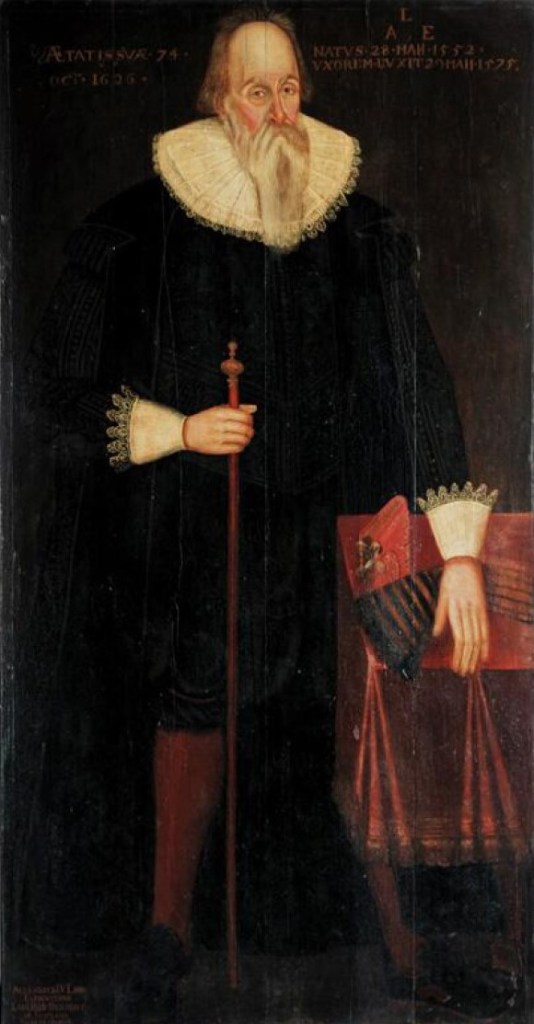
18th– and 19th-century Elphinstones included several prominent British admirals in the American Revolution and the Napoleonic Wars, a general who led a disastrous retreat from Kabul in 1842, directors of the East India Company, and a governor of Bombay and Madras. The 15th Lord was created Baron Elphinstone in the UK Peerage (as opposed to the Scottish Peerage) which meant he and his heirs could sit in the House of Lords without having to be selected as one of the representative Scottish peers. The 16th Lord Elphinstone, Sidney, married Lady Mary Bowes-Lyon, elder sister of the future Queen Elizabeth, in 1910, thus making his descendants cousins to the current royal family.
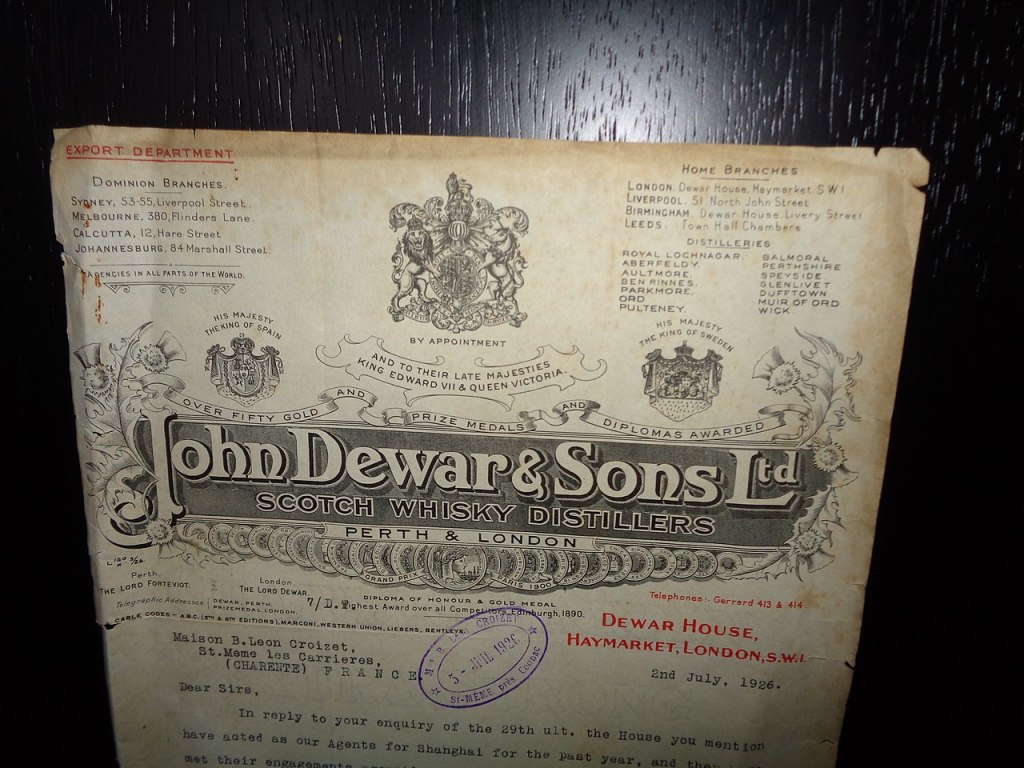
Queen Camilla’s connection to the Elphinstones is much more distant, but reaching back into the 17th century and beyond, connects her pedigree chart to the Maitlands (earls, later dukes of Lauderdale), and lords Livingstone, Fleming, Drummond, Ruthven, Lindsay and so on. Much closer to the present, Alice Edmonstone’s grandmother, Mary Elizabeth Dewar, links her to the Dewars of Vogrie—another Lowland clan based in the Lothians whose fortunes were raised considerably in the 19th century through the distilling of the ‘water of life’. Through the Dewars, the pedigree chart connects to even more Scottish noble families: Halyburtons, Barclays and Kirkpatricks, and the Erskines, earls of Kellie.
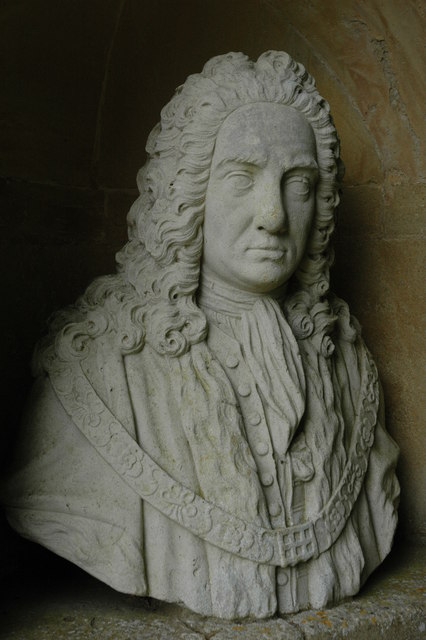
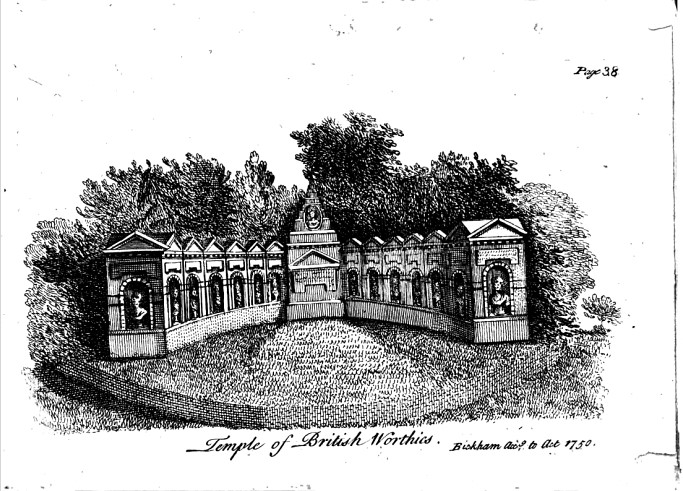
Looking over the vast expanse of this wonderful pedigree chart, there are even more lines to explore, like that of the Hotham barons from Scarborough in East Yorkshire, or the family of Sir John Barnard, Whig politician and Lord Mayor of London in 1738, whose fierce opposition to Walpole and corruption in government earned him a place amongst the ornate busts of ‘British Worthies’ displayed in Lord Cobham’s lavish country house and gardens at Stowe in Buckinghamshire. Other prominent 18th-century Londoners from the world of business and trade include Barnard’s cousin, John Goodschell of East Sheen, of the Turkey Company, merchant traders with the Ottoman Empire, and various members of the drapers’ guild, the scriveners’ company and the grocers’ guild.
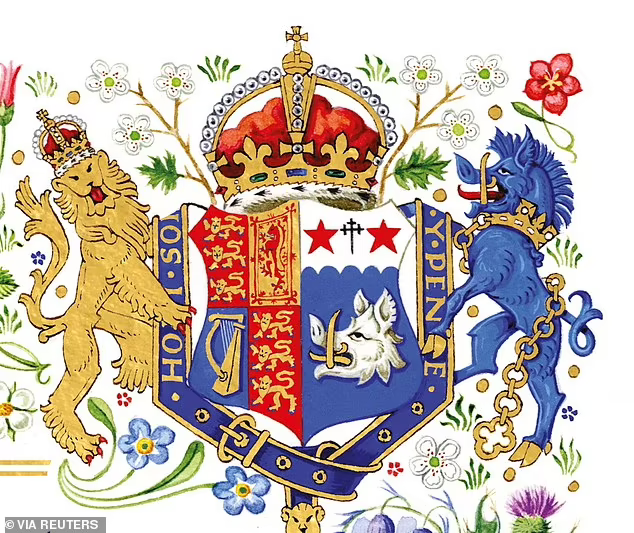
In a remarkably parallel circumstance to the comments made about Elizabeth Bowes-Lyons being a mere commoner when she married the Duke of York in 1923, and especially once she became queen-consort in 1936, we can see that the former Camilla Shand is deeply connected to the noble houses of both England and Scotland, a wide swathe of the landed gentry on both sides of the border, admirals, generals and governors, as well as a fascinating array of businessmen and entrepreneurs in 18th-century London and early settlers of English and French colonies in the New World. And even a few dukes and princes!
(images mostly from Wikimedia Commons)


A few more Edmonstone family details from the time of James IV, referencing a recent publication about the Scottish court; https://en.wikipedia.org/wiki/Archibald_Edmonstone_of_Duntreath_(courtier)
LikeLike
thank you!
LikeLike