Scotland has several families who obtained the highest rank in the peerage: a dukedom. Several of these families come from the borderlands between Highlands and Lowlands that runs from Argyll to Aberdeen. Perthshire is right in the middle of this, and the Drummond family have been a major power here for centuries. But their dukedom, of Perth itself, is entirely ephemeral, granted by the exiled King James VII (James II of England) in 1701, but never recognised by any subsequent Scottish monarchs. The only monarchs who recognised the dukes of Perth were the kings of France and the popes in Rome.

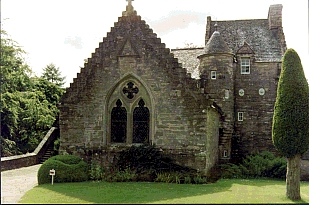
There are two major Scottish castles and estates associated with the name Drummond: Drummond Castle and Blair Drummond, both in Perthshire. But neither belong to the Drummond family today. After their support for the failed Jacobite uprising of 1745—an attempt to restore the Stuart Pretender (James VII’s son, ‘James VIII’)—they had no major seat. But since the 1950s they have been restored to Stobhall Castle, the earliest stronghold of the family. Located on the river Tay, a few miles north of the city of Perth and the ancient royal coronation site of Scone, Stobhall was associated with the Drummonds from about 1360. After they moved their centre of operations to Drummond Castle, Stobhall’s ancient keep was replaced with a dower house and a chapel in the 1570s—notably a Catholic chapel since this family stayed faithful to the old religion during the Reformation. It was rebuilt as the main residence again (‘but still called the ‘Dowery House’) in the 1650s once Drummond Castle was damaged by the English troops under Cromwell, and was also given extensive formal gardens in the latest baroque style. Confiscated by the Crown after the ’45 Rebellion, it was re-granted to the next heir in 1784, but by the end of the century passed through a daughter into the family of Willoughby de Eresby (see my recent post about that family). In 1953, the Willoughby heir, the Earl of Ancaster, ceded Stobhall Castle back to the Earl of Perth, who tried to restore it to more liveable conditions. But since 2011, the family has mostly abandoned it, and sold off much of its contents.
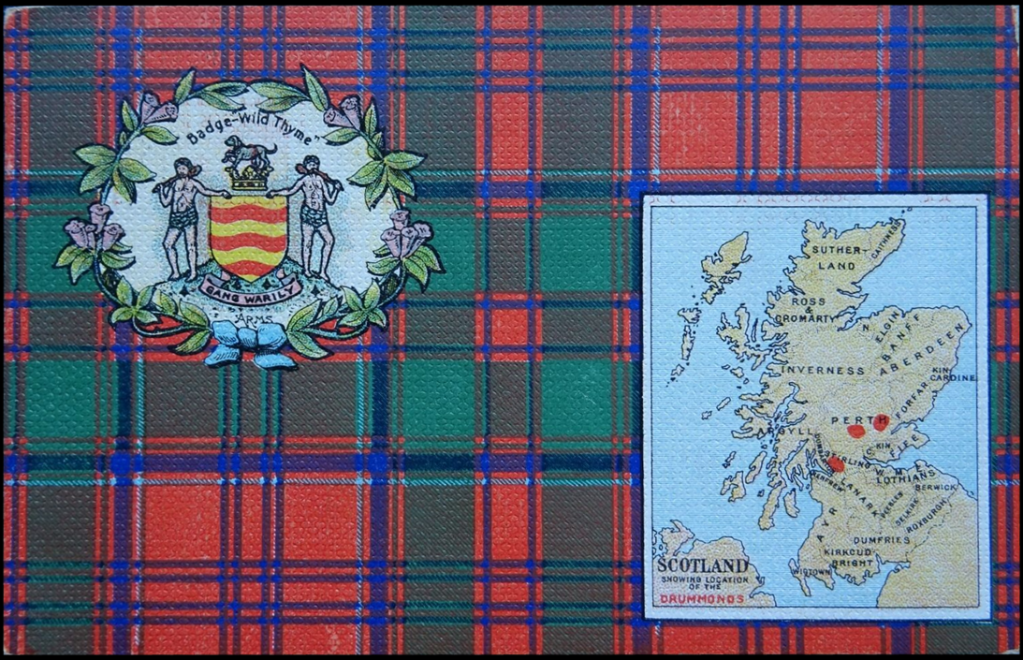
So who were these Drummonds? Like many eminent Scottish families they have a Gaelic origin to the surname—dromainn, a low ridge, which gives the current Gaelic spelling of the name, Druimeanach—and a mythical origin story. In this case, a natural son of King Andrew of Hungary (d. 1060), George (or Yourick), born of a pagan mother before the King converted to Christianity in order to marry a princess of Kievan Rus in about 1040, had a son called Móric (Maurice) who is said to have accompanied a relative, the exiled English prince, Edgar Aetheling (whose mother may also have been a princess of Rus), back to England, in 1057. Edgar and his sister Margaret had to flee England after 1066, and due to a storm were shipwrecked in Scotland, where they were taken in by King Malcolm III who then married Margaret (later one of the patron saints of Scotland). So the story goes, Malcolm then granted Maurice lands in the region to the west of Stirling, near the shores of Loch Lomond, called Drymen, from which his descendants took the name Drummond. Now while most of this is probably fantasy, the early Drummonds did come from this area (part of what was once the region called Lennox, and they sometimes still use the title ‘thane of Lennox’), and there is an ancient barony in the area called Drummond. They were likely vassals of the more powerful nobles in the region, the Menteiths, who, in about 1360, made a deal with them to exchange any lands in Lennox with those further east in Perthshire. Historians suspect that the later Drummonds concocted the story of descent from a Hungarian prince to raise their status in comparison to their former lords.
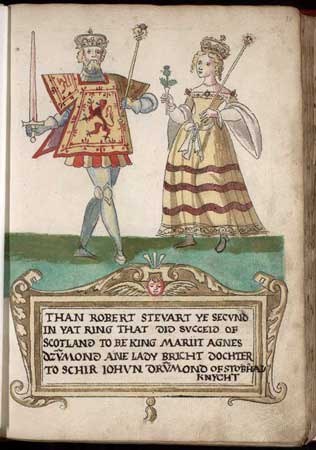
The earliest recorded Drummond is Malcolm Beg (living in 1240), who acted as chamberlain to the Earl of Lennox, and married his daughter, Ada. His grandson, Gilbert ‘de Drumund’, swore fealty to the English king, Edward I, in 1296, at the time of the Scottish wars of independence, but Gilbert’s brother, Sir Malcolm, switched sides and fought for Robert the Bruce at Bannockburn, 1314, and was granted lands in Perthshire. Malcolm had three children: John married an heiress of the Montefichet family, bringing in the feudal baronies of Auchterarder and Cargill, and the castle at Stobhall; Sir Maurice became the first laird of Concraig, in Strathearn (the valley of the river Earn), another part of Perthshire, and founded a cadet branch of the family; while Margaret succeeded better than any of them, marrying the Bruce’s son, King David II, in 1363. A second Drummond queen emerged just a few years later, in Margaret’s niece (or perhaps cousin), Annabella Drummond, wife of John Stewart, Earl of Carrick, who in 1390 succeeded to the Scottish throne in 1390, taking the name Robert III. Queen Annabella ruled Scotland in the name of her increasingly mentally ill husband, and was the mother of the first of a long line of Scottish kings called James.
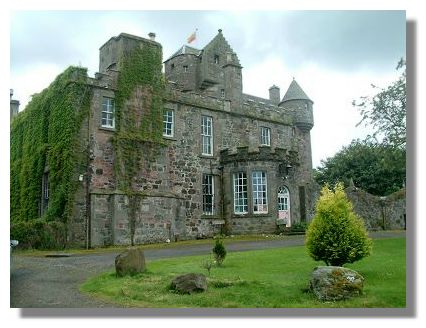
The cadet branch established by Sir Maurice at Concraig eventually became known as the Drummonds of Lennoch and Megginch. They were hereditary stewards of the earldom of Strathearn. Looking through the genealogical lists, two interesting people emerge from this branch of the family. Sir Gordon Drummond of Megginch was a prominent British general in the War of 1812, and was subsequently Governor-General of the Canadian provinces (1815-16); the town of Drummondville in Quebec and the township of Drummond in Ontario are named for him, as is the island of Drummond, in Lake Huron, ceded by Britain to the United States (now Michigan) in 1828. In the twentieth century, another Drummond of Megginch successfully brought the barony of Strange out of abeyance in his favour, in 1965. The rather, er, strange, history of this barony (a 1628 creation, to correct a mistaken assumption of a much older barony), had ancient connections with the sovereignty of the Isle of Man, and the new 15th Baron moved there and tried to improve the local economy as a sign of his ‘lordship’ there. The Baron’s daughter was Cherry Drummond, 16th Baroness Strange, who was active in the House of Lords but also a steamy romance novelist. Her niece is the actress Geraldine Somerville, aka, Harry Potter’s mum.
Megginch Castle is east of Perth, on the north shore of the river Tay as it broadens out into a wide firth. Built in the 1460s by the Hay family, it was purchased by the Drummonds in 1644. Today it is held by Cherry Drummond’s daughter, Catherine Drummond-Herdman, and known for its gardens and topiary, but only open occasionally to the public.
Meanwhile, the main branch of the Drummond family moved its centre of operations in about 1490 from Stobhall Castle to Drummond Castle, on a rise above the river Earn, south of the town of Crieff. To an ancient tower house, a mansion was added in the 1630s, with extensive gardens that are still the highlight of the property (considered one of the finest terraced gardens in Britain). It was badly damaged in the Civil Wars, then slighted by the government after the first Jacobite uprising of 1715, and then formally seized by the Crown in 1750, and sold back to the heir in 1784. As with Stobhall, it then passed through a daughter (who took the name Drummond-Burrell) to the Willoughby family, and was largely rebuilt in the nineteenth century; but unlike Stobhall they did not give it back, and it remains the second seat of the Willoughbys (along with Grimsthorpe Castle in Lincolnshire).
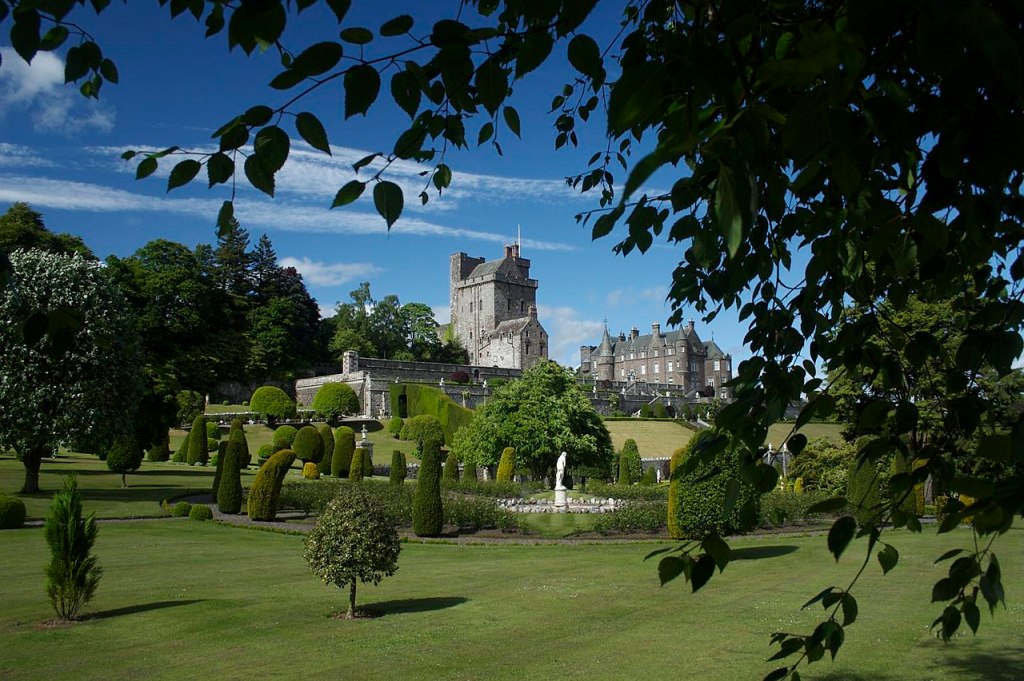
The 15th and 16th centuries were periods of clan rivalries and often quite violent and bloody feuds. One of the bloodiest involves the three daughters of the first Lord Drummond. Sir John, of Cargill (an estate north of Stobhall, on the Tay), had been a lord in Parliament (as ‘Lord Stobhall’), and the King’s envoy to English in negotiating peace talks and border settlements in the 1480s. In 1488 he was the Justiciar of Scotland (the most senior legal office in the Kingdom), and was created Lord Drummond. Shortly after, his daughter became mistress to the new king, James IV, and some sources think he may have married her, at least in secret. In 1501, Margaret and her two sisters, Euphemia, Lady Fleming, and Sibylla, were staying at Drummond Castle when all three suddenly died. Modern historians suspect it was merely food poisoning, but numerous romantic stories have been woven in which Margaret has to be ‘removed’ so that the King could be free to marry Margaret Tudor, daughter of Henry VII, in 1502. Her sisters were just collateral damage.
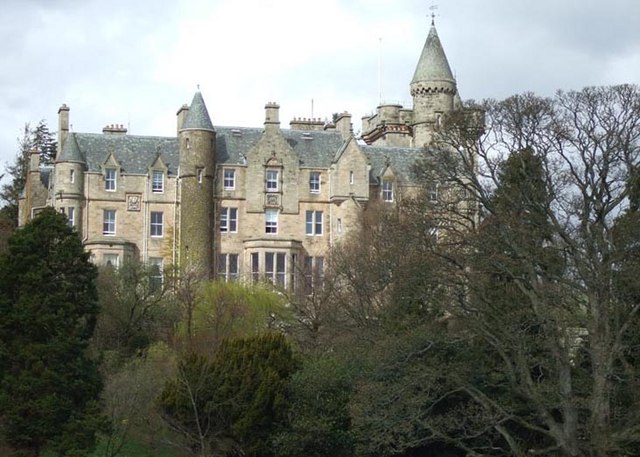
Other cadet branches established in this time period included Drummond of Blair, and Drummond of Innerpeffray. The first of these established themselves north of Perth, at Blair (in the parish of Blairgowrie), and were given a feudal barony in the 1630s, but later moved their seat to the valley of the river Teith in western Perthshire (now Stirlingshire). They built a new fashionable house here, Blair Drummond, in 1716, but not long after became extinct in the male line—so from 1766 this house too passed to another family, Home-Drummond, who kept it in the family until the early 20th century, then sold it. It is now the site of one of Britain’s great safari park attractions.
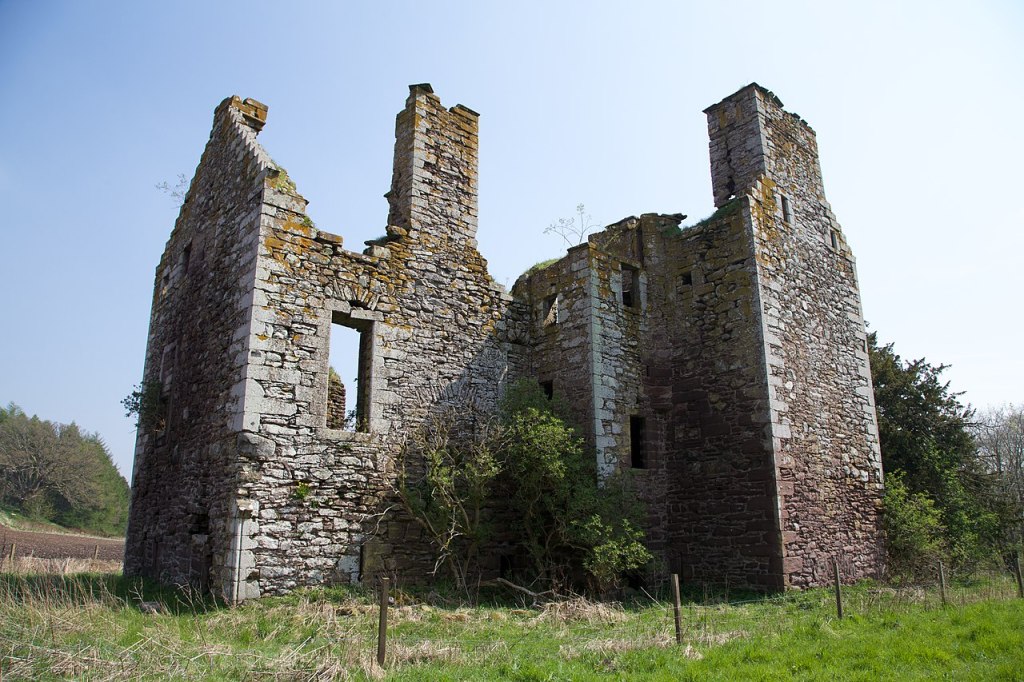
The second cadet line were established at Innerpeffray, an estate across the Tay from Drummond Castle, with its own tower house. The second laird married Margaret Stewart, the illegitimate daughter of his cousin Margaret Drummond and King James IV. Their daughter then married the 3rd Lord Drummond, and the property was re-integrated into the main line. the 3rd Lord’s brother, James Drummond, was ultimately given this feudal barony by King James VI, with whom he had been raised (and whom he later served as Gentleman of the Bedchamber). In 1609, he was created 1st Lord Maderty, and in 1610, he rebuilt Innerpeffray Castle—today a ruin. In the later seventeenth century, his grandson was created Viscount Strathallan; and his descendants eventually succeeded as Earl of Perth in 1902. So we will pick them up again at the end of this post.
Lord Maderty’s nephew, James Drummond, was also in favour with the King, now James I of England, and was raised higher in the peerage, as Earl of Perth, in 1605. He had served the King as ambassador to Spain the year before (an important re-establishment of this link after many years of enmity between these two great sea powers); and his sister, Jean, was one of the favourites of the Queen, Anna of Denmark, and later 1st Countess of Roxburgh. She had been a governess to young Prince Charles when still in Scotland, and later was re-appointed by this same prince, now King Charles I, as governess to his younger children, despite objections to her religion—she remained, like many in her family, a Catholic.
The 2nd Earl of Perth was the 1st Earl’s brother, and he lived a long life, always a supporter of the Stuarts now based in London, but he and his family continued to marry consistently within the Scottish peerage families, particularly those with Catholic leanings like the Gordons of Huntly, but also the Kerrs of Roxburghe, a border family with particular close links to King James and Queen Anna. And by the time his eldest son succeeded as 3rd Earl of Perth in 1662, his third surviving son, William, had already become 2nd Earl of Roxburghe in 1650, as heir to his Kerr grandfather. The Drummond-Kerr family (or just Ker, with one r) would become dukes of Roxburghe in 1707, with their magnificent seat at Floors Castle, but will be written about in a separate post. This line of the House of Ker came to an end in 1805, and the Roxburghe succession was hotly contested, in part by the descendants of the 2nd Earl’s older brother, Sir John Drummond of Logie Almond (an estate he purchased to the north of the traditional Drummond estates in Perthshire). The unsuccessful claimant, Sir William, was an interesting figure, a poet and classical scholar in the world of early Romanticism and fascination with all things Greek, who was able to indulge in these passions as British ambassador to Naples and to the Ottoman Empire in the first decade of the 19th century.
But jumping back to the 17th century, it is with the 4th Earl of Perth, James Drummond, and his brother John, Lord Melfort, that the story of the Drummonds becomes really prominent in the history of Great Britain. Both were ardent supporters of Stuart rule in Scotland, and of James VII (James II in England) in particular, especially at a time when this king had few loyal supporters. Like King James, both converted to the Catholic faith and both were exiled after the Glorious Revolution of 1688. In the last years of the reign of Charles II, the 4th Earl rose through the ranks of the Scottish judiciary and became Lord Justice General in 1682, and Lord Chancellor of Scotland in 1684. John was instead a soldier, and was appointed Master of the Ordnance and a Lieutenant-General in 1680, before also joining government as Treasurer Depute (like Chancellor of the Exchequer in England) in 1682, then Secretary of State for Scotland in 1684. So by the time Charles II’s brother James became king in 1685, the Drummond brothers were virtual rulers of Scotland. Both of them were honoured in the creation of the new Order of the Thistle, 1687, as two of the original eight knights. The Earl of Perth became a proponent of Scottish colonial ventures in the Americas (since England had virtually sown up this market), by supporting a venture to develop the colony of New Jersey, of which he was one of the 24 proprietary lords. The port of Perth Amboy, across the bay from New York, is named for him.
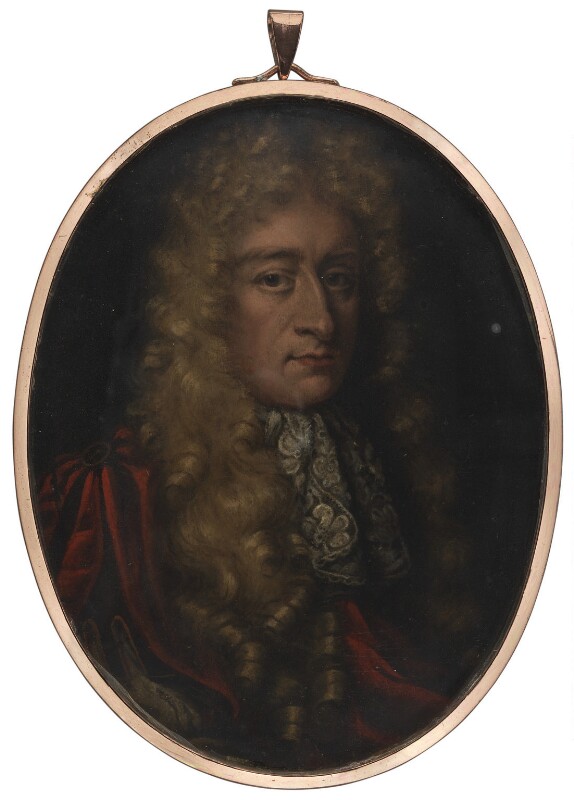
The younger brother was soon raised to the peerage, first as Viscount Melfort in 1685, then Earl of Melfort in 1686—Melfort being a village on the coast of Lorne in Argyllshire, south of the town of Oban. This was land confiscated from the local magnate Campbell family, which seems like a pretty dangerous thing. The Earl of Melfort became one of the closest advisors to King James and lived at court in London, so was out of touch with sentiment on the ground in Scotland. He advised the King, for example, that the Scottish Kirk would welcome an act of toleration, allowing Catholics to hold public office. To add further salt to the wound, he and his brother Perth opened a Catholic Chapel in Edinburgh. This was not at all the time for such a thing, and when King James was pushed out of England and Scotland in the Glorious Revolution, so too were the Drummond brothers.
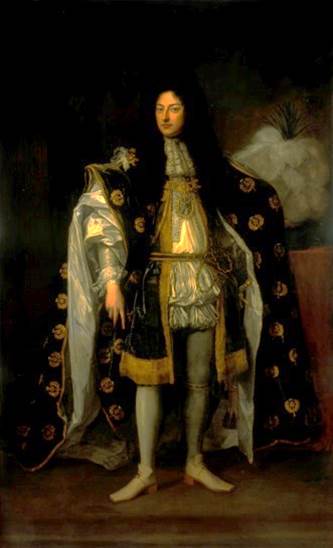
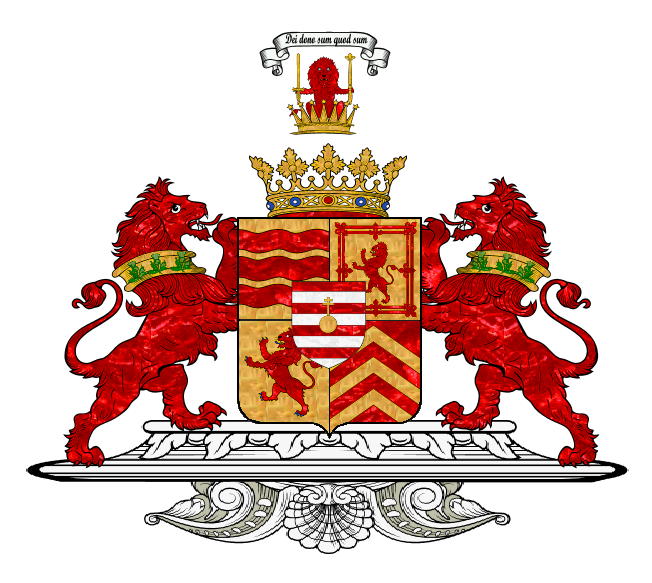
Melfort fled with the King to France, where Louis XIV (King James’s first cousin) provided them with lodgings in the ‘old’ royal palace, Saint-Germain-en-Laye, to the west of Paris (not too far from Versailles). Perth also tried to flee to France but was caught—snatched from a boat by sailors who recognised him, despite his ‘disguise’ in women’s clothing—and was imprisoned in Stirling Castle for several years, until 1693, when he too joined the exiled Stuart court at Saint-Germain. By this point, Melfort was in the ascendancy. King James named him Secretary of State in December 1688, and sent him as his ambassador to Rome in 1689, but he was unsuccessful in gaining support for an invasion. In 1692, he was created Duke of Melfort (with subsidiary titles, Marquess of Forth, Earl of Isla and Burntisland, Viscount Rickerton, etc), which was of course never recognised in the Scottish peerage. This ‘Jacobite peerage’ was however, formally recognised by Louis XIV in 1701, which gave him the equivalent rank and privileges at the French court as a duke and peer of France. This meant, for example, that he could ride in the carriage of the King, and that his wife (the former Euphemia Wallace) could sit in the presence of the Dauphine (first lady of the court in the absence of a queen).
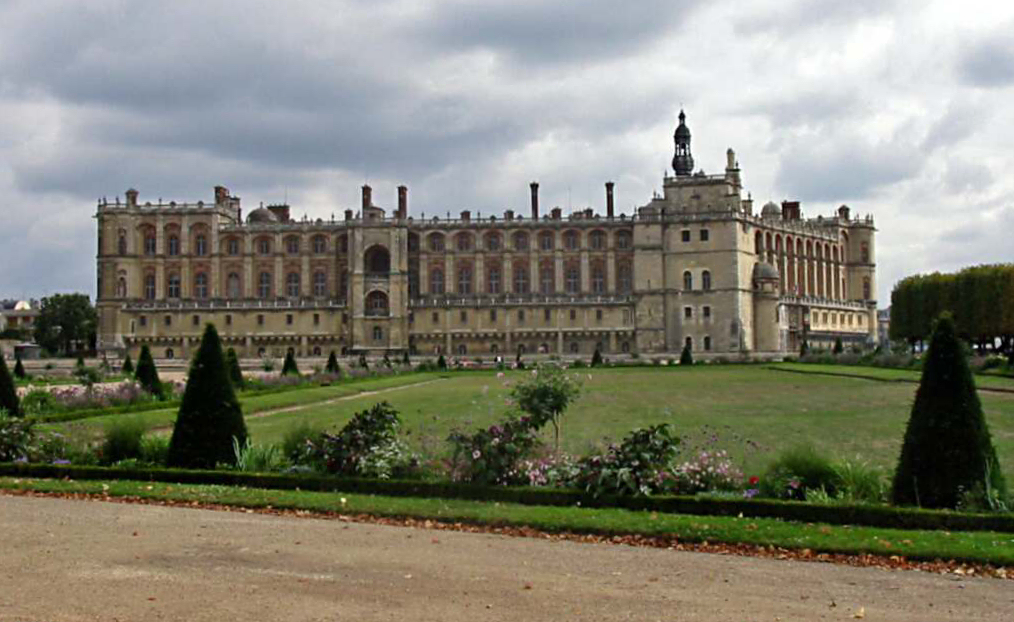
But Melfort pressed too hard for a hard-line, no compromises approach to the King’s restoration, and he lost favour with James and his other senior courtiers, and was replaced as Secretary of State by the more moderate, and Protestant (for now), Earl of Middleton. From June 1694, Melfort left the Stuart court at Saint-Germain and lived for a time in Orléans then Rouen. He settled in Paris and died in 1714, being buried in the church of Saint-Sulpice.
The Earl of Perth retained his favour with the King. He became more of a courtier rather than a politician, and in particular was appointed to the prominent role of Governor to the Prince of Wales, 1696. Perth was regularly seen at Versailles, where he would accompany his charge the Prince of Wales when he attended numerous balls and royal ceremonies. At the château of Saint-Germain, he was given a suite of rooms alongside those of the Drummond of Melfort family and other courtiers including another Jacobite duke written about in a previous blog post, the Duke of Powis. In 1701, he too was given a dukedom, that of Perth, with subsidiary titles Marquess of Drummond, Earl of Stobhall, Viscount Cargill and Baron Concraig. Like that of Melfort, this dukedom was formally recognised by the King of France. This ducal creation was done as one of the first acts of the former Prince of Wales, now recognised by Jacobites as James III of England and VIII of Scotland (aka ‘the Old Pretender’), who also named his former governor as a Gentleman of the Bedchamber, 1703, and Knight of the Garter, 1706. The Duke of Perth supported the rising of the Jacobites in 1715, and as a result was formally stripped of his title Earl of Perth by the government in London. He died a short while later in 1716 and was buried in the Chapel of the Scots College in Paris (part of the University of Paris, in the heart of the Left Bank).

His son James, now the 2nd Duke of Perth, had been educated as a Catholic at the Scots College. As the heir (‘Lord Drummond’), he had fought with King James in Ireland, 1689-90, and was appointed the King’s Master of the Horse back in France in 1705. Unlike the Melfort family, the Perths had kept hold of their Scottish estates after 1688, so Lord Drummond relocated there, where his son was born in 1713, at Drummond Castle. But by 1715 it was clear he was still a supporter of the Jacobite cause, and led a cavalry unit at the Battle of Sheriffmuir in 1715 (now as ‘Marquess of Drummond’, using the Jacobite title for the heir). He then escaped back to the continent in February 1716, joining the titular James III in exile in Avignon. He died in 1720, but having donated his lands to his son before the attainder by the British government, his Scottish-born son was still able to retain the Drummond properties, if not the Drummond titles.
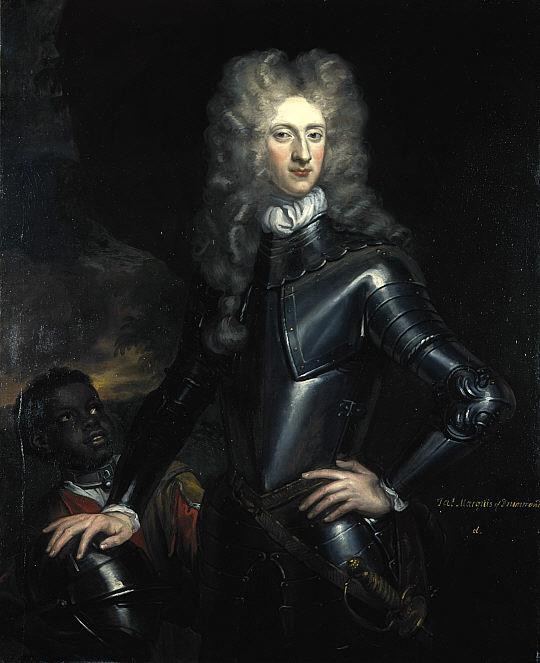
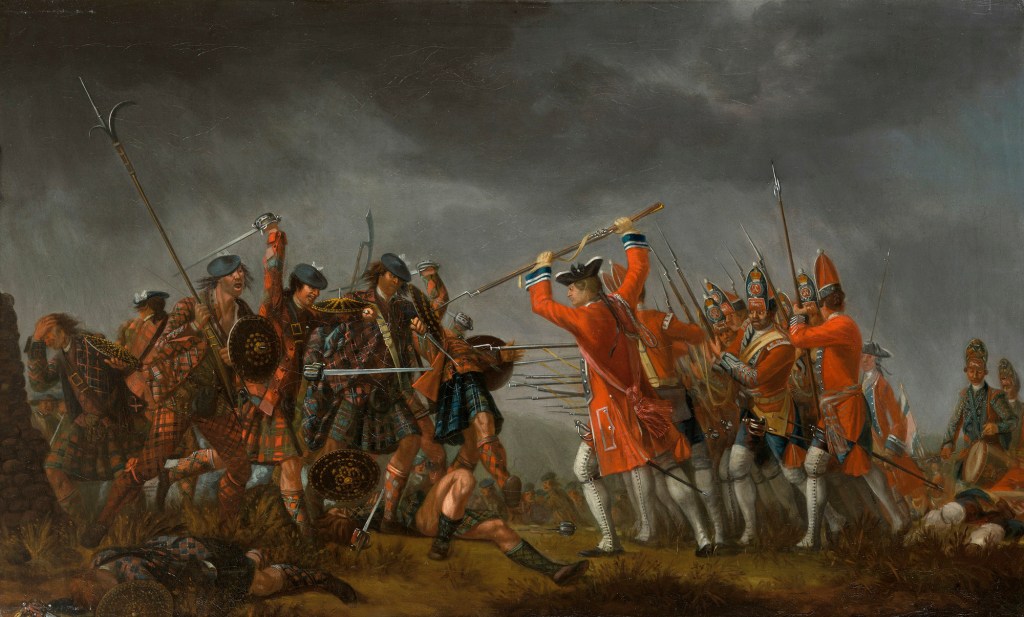
The 3rd Duke of Perth did go abroad for his education, to the Catholic Scots College in Douai, but settled back in Scotland by the 1730s (and in some sources was indeed known there at least unofficially as a duke). His interests seemed mostly to be horse racing rather than politics, but he suddenly joined the Jacobite cause in 1740, and raised a regiment from his tenantry in Crieff at the request of Bonnie Prince Charlies in the summer of 1745. Perth was not a great commander, as it turned out, but was extremely popular, which was useful for the rather disagreeable (and quite foreign) Stuart prince. He led the invasion of England in 1745, but was seen as a poor choice for this, as a Scot and a Catholic. The Duke of Perth was one of the two lieutenants-general (with Lord George Murray) at the Battle of Culloden in April 1746, alongside his brother, Lord John Drummond. The Duke escaped from the disaster, but died on his sea voyage back to France.
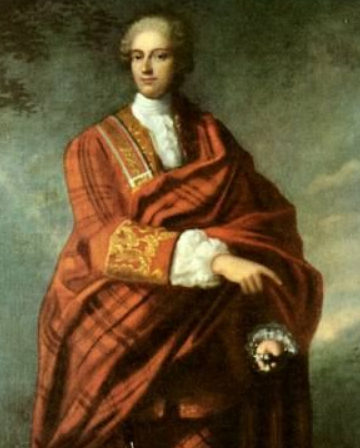
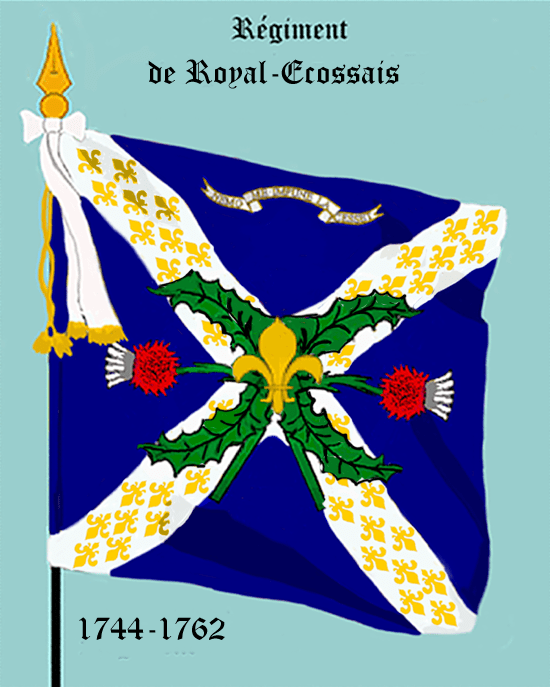
Lord John became the 4th Duke of Perth, but only for a year. He had been an officer in the French army and was commissioned by Louis XV to form a new regiment, the Regiment Royal-Ecossais, in 1743. This is different to the Scots Guard, which had been a key component of the military household of the kings of France since the early 15th century. Other Drummonds served in the Royal-Ecossais, including Lord Louis of the Melfort branch, and his cousin Viscount Strathallan. Lord John was hot tempered and often offensive, but a good soldier, and was left in command of Jacobite troops in Scotland when the bulk of the army marched south into England. After escaping from Culloden, the new 4th Duke of Perth served in the French forces besieging the Dutch fortress of Bergen-op-Zoom, where he was killed in 1747.
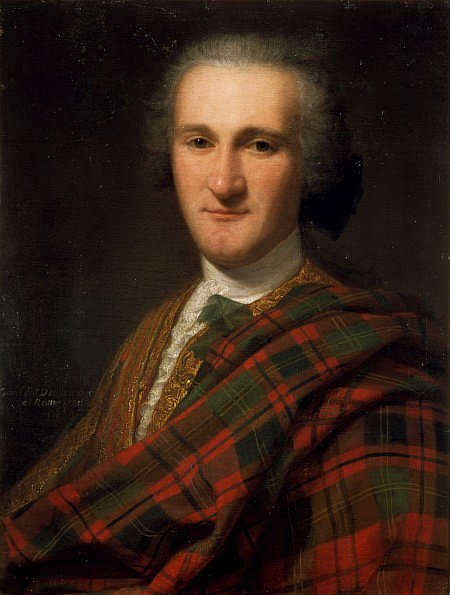
Neither the 3rd nor 4th Duke had married. Their Scottish titles were attainted once more by the Hanoverian government, and this time their lands were confiscated as well. Their fiery Jacobite mother, born Lady Jean Gordon, was imprisoned in Edinburgh Castle in 1746, but was allowed to return to Stobhall where she died in 1773, age 90. The titular 5th Duke of Perth (an uncle) had stayed in Scotland and did not use the Jacobite titles; when he died in 1757 he was succeeded by a half-brother, Lord Edward, who lived in France. He had long been a Gentleman of the Chamber of James III (since 1711) and had married a daughter of the Earl of Middleton in 1709, thus reconciling these two factions of the Jacobite court. In 1712 he had accompanied James III to Bar-le-Duc when he was exiled from France, and accompanied in him in his ill-fated journey to reclaim the throne of Scotland in 1716, and then to the next place of exile, Avignon (where he was also joined by the 2nd Duke of Perth and the 2nd Duke of Melfort), and on to the Papal States in Italy in 1717, though the post of Gentleman of the Bedchamber was abolished for the Pretender’s ever dwindling court. He finally abandoned the King and returned to Saint-Germain in the Summer of 1718. With the death of Queen Mary of Modena that Spring, the château was now just a collection of Jacobite exiles, no longer a royal court. To try to keep himself financially afloat, Lord Edward invested heavily in the financial schemes of fellow Scottish exile John Law, but lost big when these schemes collapsed in 1720 (the ‘Mississippi Bubble’). He and his wife continued to occupy one of the grandest apartments at Saint-Germain, on the first floor, opposite the equally grand apartments occupied by their Melfort cousins. In the 1740s he became a zealous supporter of the religious movement in France known as Jansenism, seen as subversive by the French Crown, and was arrested and briefly confined in the Bastille for his beliefs. After 1748, he and his wife left Saint-Germain and bought a house in Paris, in the faubourg Saint-Antoine, where they were still watched by government authorities suspicious of Jansenist activities. When he died childless in 1760, this branch of the Drummond family came to an end.
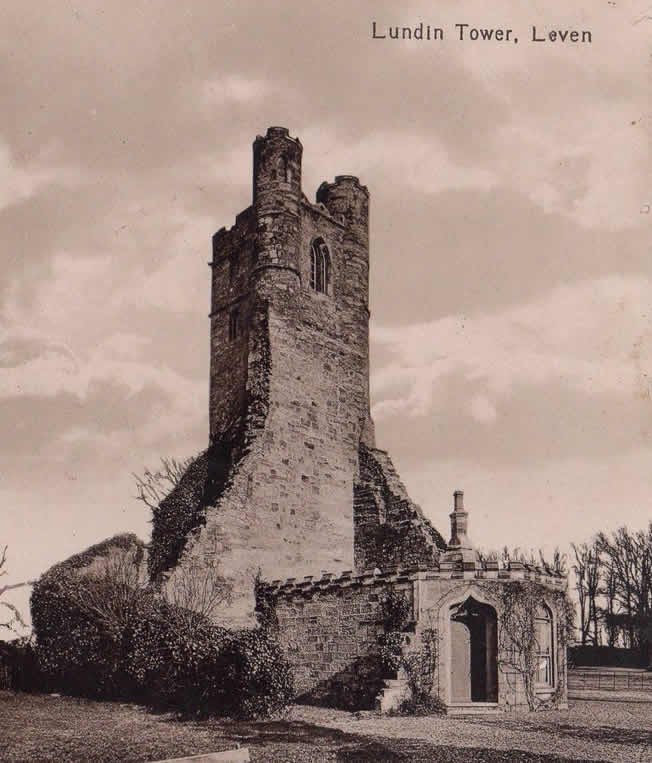
The younger branch, Melfort, continued, and by this point had already taken over the larger Perth apartments at Saint-Germain. The 2nd Duke of Melfort, another John, was not in fact the 1st Duke’s eldest son. The two eldest sons, James and Robert, had been bypassed in favour of the Catholic sons from a second marriage. The older boys were heirs via their mother to the lordship of Lundin on the south coast of Fife, and took that as their surname. Lundin House had been a tower house in the 14th century, but now had a more elegant country house added. John Lundin, as eldest male general of the House of Drummond in 1760, became titular 10th Earl of Perth, and even more titular 7th Duke of Perth. Having re-assumed the name Drummond, he moved back to the family seat at Stobhall in 1773, then died in 1781 leaving these (not-pressed for) claims to his second son. Lundin House was sold before 1800, to the Erskines, and was demolished in 1876 (though the ancient tower remains).
The elder son, Thomas ‘Lord Drummond’ (a title he was not entitled to due to the attainders of 1716 and 1746), had travelled to New Jersey to represent the family’s claims there, and in the mid-1770s, tried to act as a conciliator between the British government and American colonial leadership in New York—to little effect. He returned to England and died in 1780, so the Perth claims passed to his younger brother James. The titular 8th Duke of Perth had served in India, and now was successful in getting some of the family lands restored in 1784, but not the titles. As a gesture of goodwill, George III did create a new title for him in 1797, Lord Perth, Baron Drummond of Stobhall, which became extinct only a few years later in 1800, when the Drummond estates passed (as seen above) to his daughter Clementina and her husband, Peter Burrell.
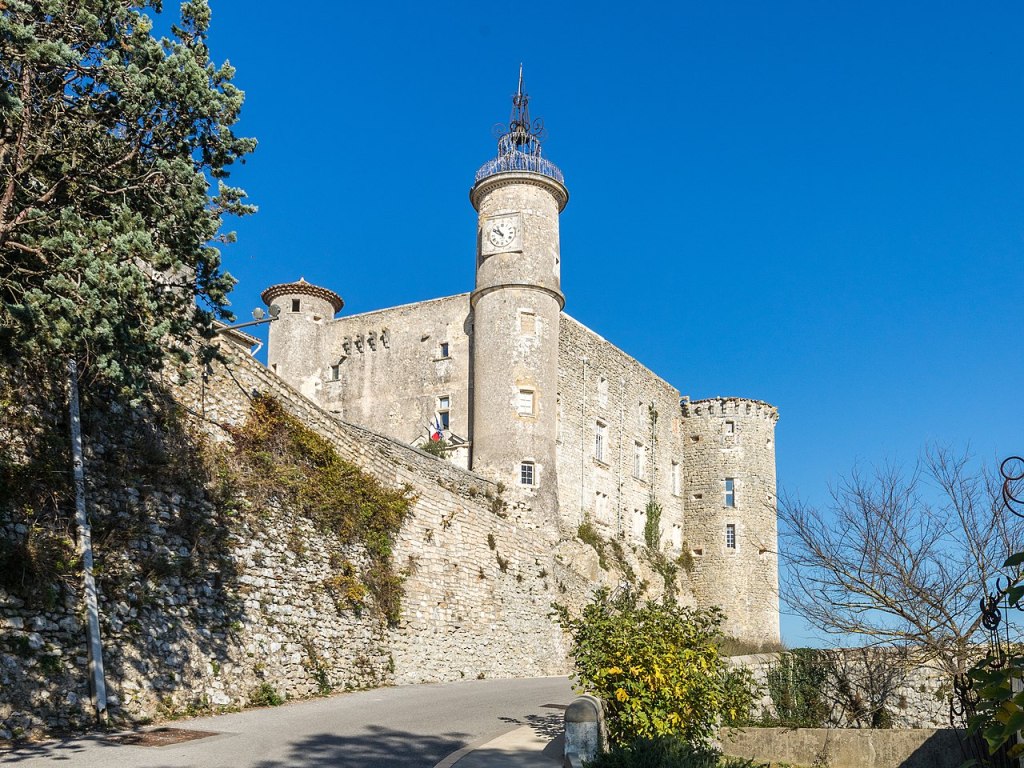
In contrast to the line of dukes of Perth, the later dukes of Melfort integrated themselves more thoroughly into French society. The 2nd Duke (John) married a French heiress, Marie-Gabrielle d’Audibert, Countess of Lussan, a widow of two other prominent Jacobites: the Duke of Albemarle (an illegitimate son of King James II), and an Irish soldier, Colonel O’Mahoney. The 15th-century château of Lussan was in the far south of France, in Languedoc, a bit north of the famous Pont du Gard and across the Rhône from Avignon, where the Jacobite court was established for a few years after the ‘15. Lussan would remain in Drummond hands until confiscated during the French Revolution.
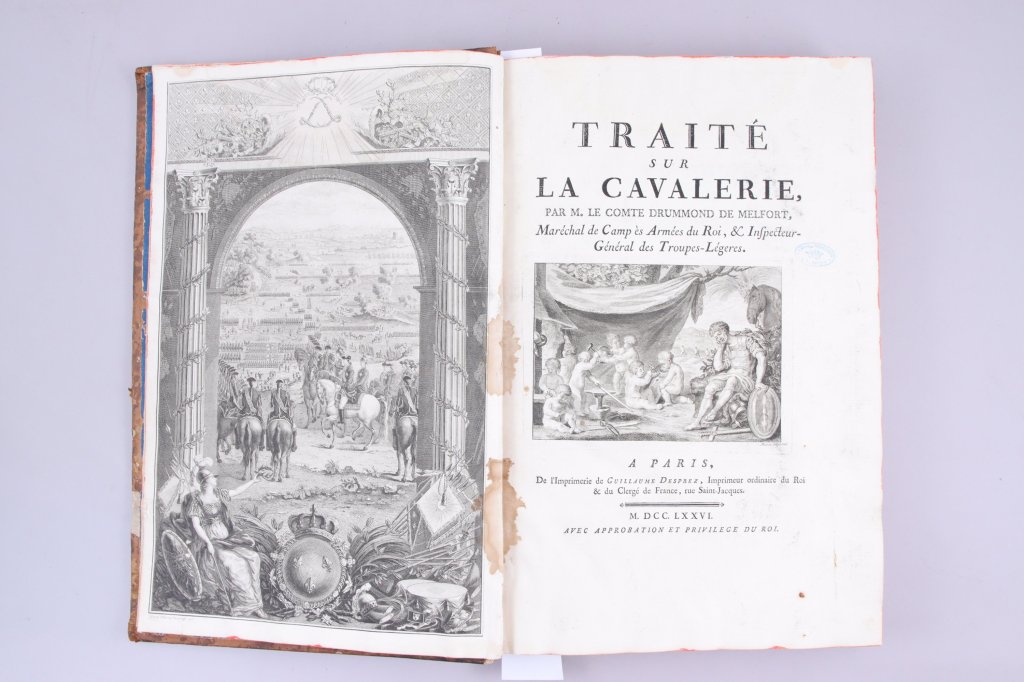
There were several younger brothers: one joined Habsburg military service in Austria, one became a French abbot, while another, Andrew (or André) was a French lieutenant general, as was his son, Louis-Hector, known as the ‘Comte de Melfort’, who wrote a well-respected treatise about cavalry. This line continued, as ‘Drummond de Melfort’.
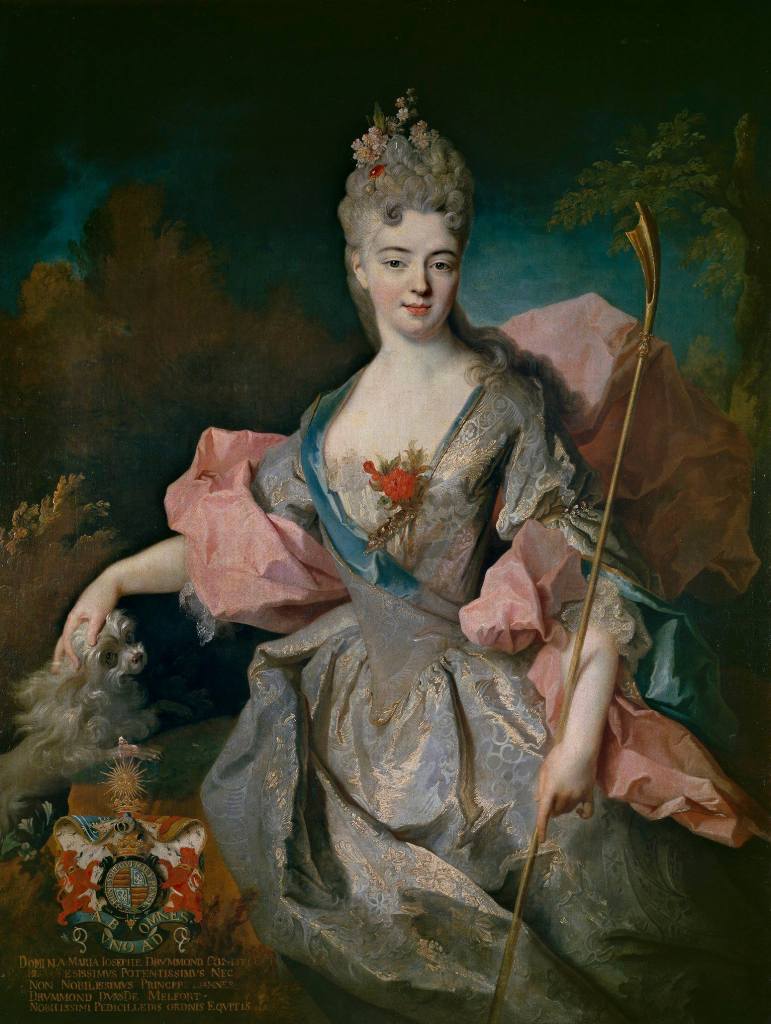
Two of their sisters, Mary and Frances, were also quite interesting in that both married in succession the same Spanish grandee: Don José de Rozas, Count of Castelblanco, who would be created Duke of Saint Andrews by the Old Pretender in 1717, in thanks for his support for the Jacobite cause (particularly in sourcing the money to fund an abortive Jacobite rising of 1719). A grand-daughter of the younger sister, María Teresa de Vallabriga y Rozas Drummond de Melfort, would in 1776 marry the Infante Luis Antonio, brother of Carlos III, King of Spain, which caused a bit of a scandal since she was not of royal rank.
The 3rd Duke of Melfort (formerly known as ‘Lord Forth’) was also Comte de Lussan, but it was his brother, Lord Louis, who was more prominent. As noted above he was one of the commanders of the Scottish Royal Regiment at Culloden in 1746, then returned to military service in France, rising to the rank of Lieutenant-General in 1780. He died in the middle of the Revolution in 1792. His nephew, Jacques-Louis, the 4th Duke of Melfort since 1766, emigrated to Spain in 1790, to escape the Revolution. When his cousin Baron Drummond died in 1800, he inherited the claims to the Perth earldom, as well as the Perth dukedom, meaning the two dukedoms were now joined. But he lived only a few more months and died later in 1800.
By this point, the Jacobite court no longer existed at Saint-Germain. The Melforts had stayed at Saint-Germain-en-Laye longer than most. Most of the Jacobite community was evicted by the new republican government in 1793, with the exception of the Dowager Duchess (Marie de Béranger) and her youngest son Lord Maurice, who became prisoners in their apartments. Some months later, they too were evicted. Maurice managed to return to the family apartments in 1795, then left for Scotland in 1804. And even a decade later, at the Restoration of the Bourbon monarchy in 1814, Lord Maurice and his mother returned to France, and were this time given apartments by Louis XVIII at Versailles, where the last duchess died in 1819.
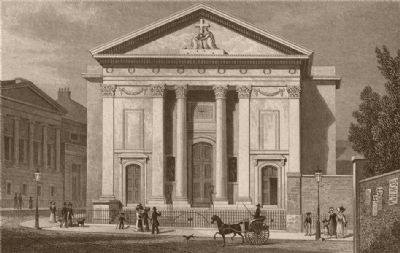
The 4th Duke of Melfort had been succeeded by his brother, Charles-Edouard, a priest (called ‘Abbé de Melfort’), who could now be called the 5th Duke of Melfort and 10th Duke of Perth. He did apply for a re-consideration of the attainder of the Perth titles, unsuccessfully. For a time, he was chaplain in the recently rebuilt Catholic church in London (the only one), St Mary Moorfields, close to Finsbury Circus, but also maintained close ties to Rome where he died in 1840.
Things then began to reverse for the family in the next generation: the now titular 11th Duke of Perth, the Abbé’s nephew George, was a Protestant, and after having his rights to Lussan confirmed by the French Council of State in 1841 (along with his title ‘Duc de Melfort’), he turned his attentions again to the reversal of the attainders in the United Kingdom. In 1853, he was successful and was restored as 5th Earl of Perth (or some number it as if the older numbering had continued, so 14th Earl). But though he himself lived a long life, both his son, George, Viscount Forth, and his grandson, George, Lord Drummond, predeceased him, so when the 5th Earl died in 1902, the Perth titles passed to a very distant cousin, while the county of Lussan (and arguably the Melfort French dukedom) passed to his daughter, Marie-Louise, who died unmarried in 1937. I suppose this title went to a cousin, the Countess of Rothes (a Titanic survivor), and it probably resides in the Leslie family today. The cadet line of counts of Melfort (descendants of Louis-Hector) had died out sometime in the 19th century.
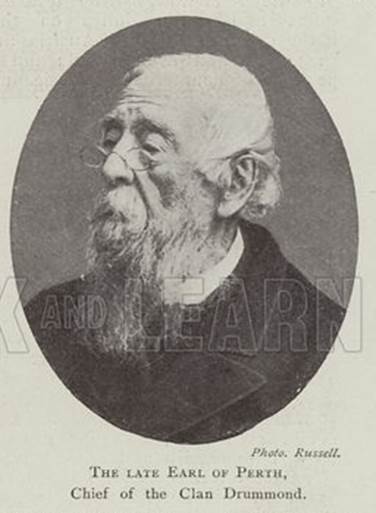
Therefore, the Drummond succession jumped back across many generations to a more distant branch of the family, the viscounts of Strathallan.
Strathallan is the valley or strath of the Allan Water, the small river that flows into the river Forth at Stirling (near the site of one of the major battles in the Jacobite uprising of 1715, at Sheriffmuir near Bridge of Allan). Today it is still the major route through the Highlands to the far north of Scotland for both the train and the highway (the A9). So a castle had been here to guard this passage for centuries, near the Drummond barony of Auchterarder. Today’s Strathallan Castle is an old building with a newer façade from the early 19th century. It was sold by the Drummonds in 1910 to the Roberts family, and became well-known again in the 21st century for briefly hosting the major music festival, ‘T in the Park’.

Back in 1686, a younger son of the 2nd Baron Maderty, William Drummond, was created Viscount Strathallan and Baron Drummond of Cromlix. He had been a royalist general in the Civil Wars (and continued to agitate on behalf of the Stuarts in Scotland well into the 1650s). In 1655, he was recruited to lead the armies of Muscovy against the Poles and the Tatars, gaining the great favour of Tsar Alexis. Charles II had to convince the Tsar to let Drummond return in 1666, to take up the position of Major-General of the Forces in Scotland. He was an MP in the 1670s, then General of the Ordnance in 1684, and appointed a Lord of the Treasury in 1685—so we see him playing an important part in the government of his Drummond cousins, Perth and Melfort. Viscount Strathallan died in 1688, and his son married a daughter of Melfort, keeping the two branches of the family close. The 2nd and 3rd Viscounts died in close succession (1702 and 1711), leaving the entailed estates (but not the title) to an aunt, whose descendants took the name Hay-Drummond (the earls of Kinnoul), and who inherited the estate at Cromlix and built a new grand mansion there, Cromlix House, in 1874. Since the 1980s it has been a luxury hotel, owned since 2013 by the tennis star Andy Murray.

The viscounty of Strathallan passed to a cousin, William Drummond of Machany. The 4th Viscount Strathallan was a Jacobite who took part in the ’15, was pardoned, then returned the favour by raising a cavalry unit for the ’45. As part of the dramatic actions of that year, he was named governor of the city of Perth by Bonnie Prince Charlie, then led his cavalry at Culloden, where he was killed. His son escaped from Scotland, and his title was attainted in July 1746.
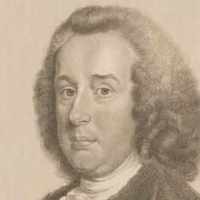
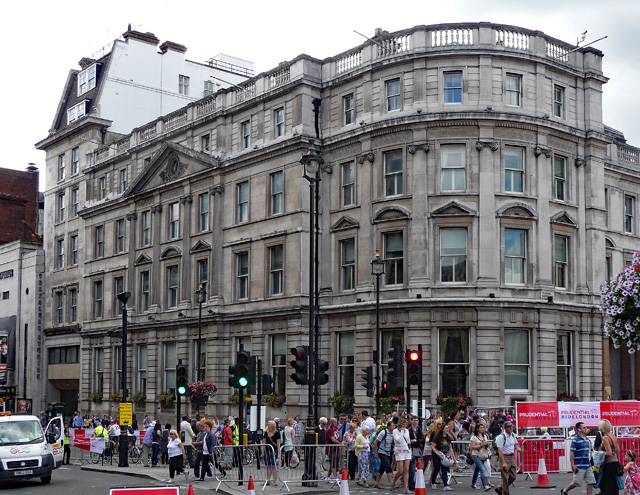
The (now titular) 5th Viscount Strathallan joined the Régiment Royal-Ecossais in France. An uncle, Andrew, stayed in England, where he had founded the Drummond Bank back in 1717, and now worked hard to keep it from foundering—which must have been quite the task in the face of so many Drummonds fighting against the Crown at Culloden. Andrew Drummond was successful in this, for by the 1760s, he was banker to George III himself and several other members of the royal family. Drummonds Bank remained one of the largest private banks in the United Kingdom till it was joined to the Royal Bank of Scotland in 1924 (though retaining its own separate identity as part of that bank’s wider operations). Its buildings since the 18th century have occupied a prominent site in the zone between the cities of London and Westminster, today on the edge of the Mall and Admiralty Arch on the southern side of Trafalgar Square.
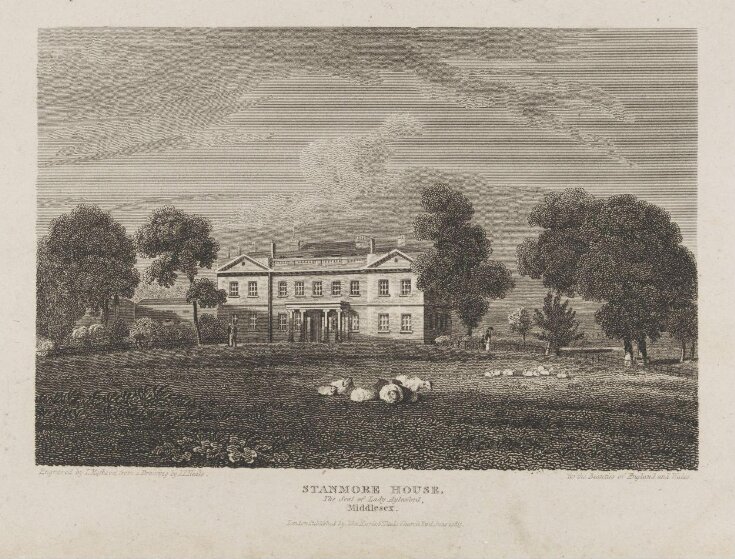
To the north of London, near Harrow, was the Drummond family estate at Stanmore in Middlesex, built for Andrew Drummond in 1763, whose park was immortalised in a well known portrait of upper-class domestic life by Johan Zoffany. Stanmore later passed to another family in 1839 and was demolished in 1938.

Another member of this branch of the family was the banker Henry Drummond, who was one of the founders of the Catholic Apostolic Church in England in the 1820s. In 1819, he purchased Albury Park in Surrey, originally built in the late 17th century for the Duke of Norfolk; it was later owned by another Duke, Northumberland, from 1890 to 1969.
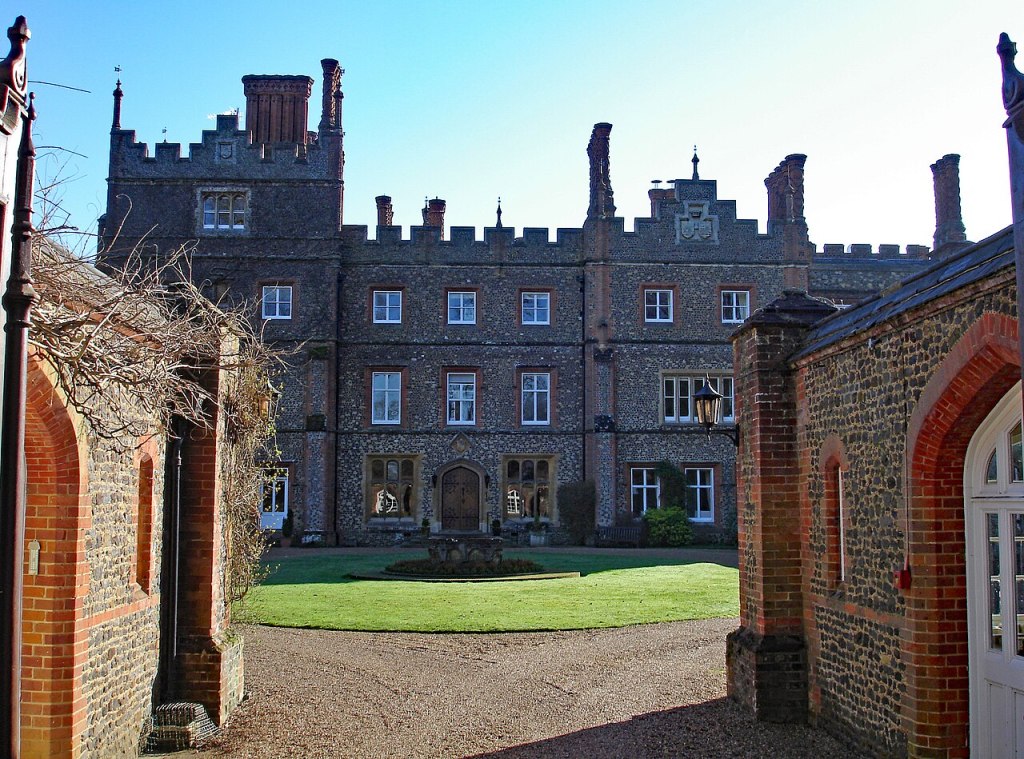
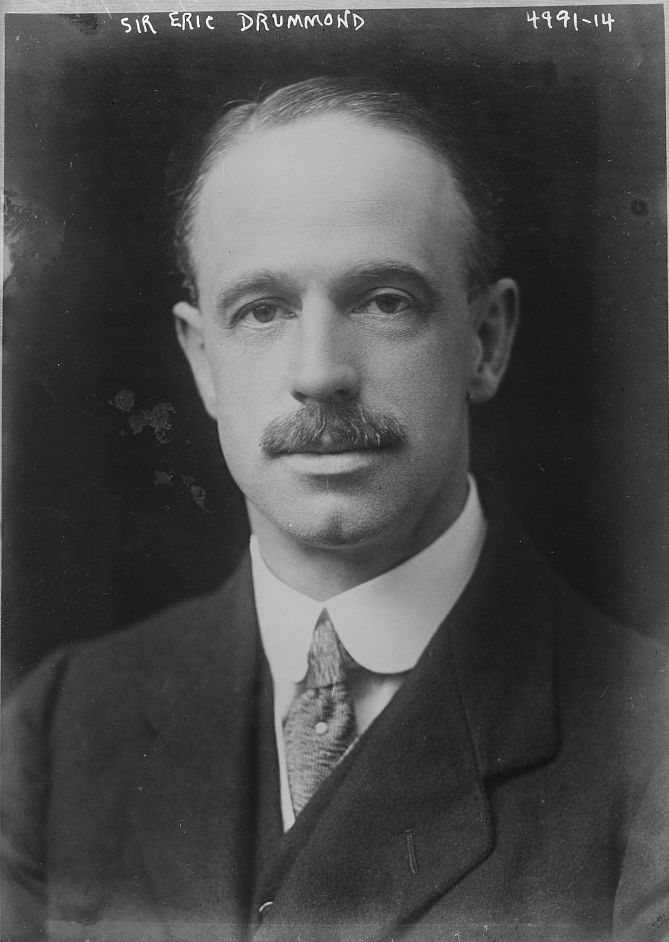
So Catholicism remained a major thread in the story of the Drummonds. In 1824, the 8th Viscount of Strathallan got a reversal of his attainder, so he could once again use the title, but was prevented from holding high public office until Catholic Emancipation later in that decade. In 1902, his great-grandson, the 11th Viscount became the senior male of Clan Drummond, and succeeded to the title 6th Earl of Perth (or 15th counting those excluded during the attainder). For devoted Jacobites, he could also be counted as the 12th Duke of Perth. His younger brother, Sir Eric Drummond, was the 1st Secretary General of the League of Nations, 1920 to 1933, then British Ambassador to Italy from 1933. His career too had been affected by his Catholicism, as the Prime Minister, Ramsay Macdonald, blocked his appointment to the ambassadorship to Washington due to his religious affiliation. Ironically, this Drummond had been born a Presbyterian, but converted to his ancestral faith in 1903 to marry Angela Constable-Maxwell, sister of the Duchess of Norfolk (the Howards being another notable Catholic noble clan). He became 7th Earl of Perth and Chief of Clan Drummond in 1937.
His son the 8th Earl of Perth (‘Viscount Strathallan’ as heir) succeeded in 1951. He took had a political career, first as Minister of State for Colonial Affairs in 1957 to 1962—a fascinating time to be involved in the dismantling of the British Empire—then as First Crown Estate Commissioner, ie chief executive of the corporation that manages the estates formerly owned privately by the British royal family. He held that post until 1977 and died in 2002. The 9th Earl sold off much of the contents of Stobhall Castle and made his London home the main family seat. His son James has been 10th Earl of Perth since March 2023. Theoretically, he could become the 16th Duke of Perth should King Charles III turn out to be a Jacobite, but I don’t think that’s likely.
(images Wikimedia Commons)
 Dukes and Princes
One thought on “Jacobite Dukes: the Drummonds of Perth and Melfort”