One of the two hereditary posts remaining amongst the Great Offices of State in the United Kingdom is the Earl Marshal, held continuously by the Howard dukes of Norfolk since the late 17th century, and even before that, off and on since the late 15th century. Even earlier, it was a post inherited by theirContinue reading “The Howards: Premier peer of the realm as Duke of Norfolk and Earl Marshal”
Author Archives: Jonathan Spangler
The Dukes of Ancaster and the one-fourth share of the Lord Great Chamberlain
If you are watching the coronation of King Charles III this Spring, chances are you have been confused by mention of the ‘shared office’ of Lord Great Chamberlain of the United Kingdom, one of the two Great Officers of State that remains hereditary, alongside the Earl Marshal (the Duke of Norfolk), and one of theContinue reading “The Dukes of Ancaster and the one-fourth share of the Lord Great Chamberlain”
Hooray Heinrich! The House of Reuss and the complexities of being a very minor prince
Have you ever heard of a family where all the male members—and I mean all—were named Heinrich? Perhaps you have, as recently one of them (Heinrich XIII) had his 15 minutes of fame after trying to overthrow the German government and restore the old German Reich in December 2022. But although the English-speaking media describedContinue reading “Hooray Heinrich! The House of Reuss and the complexities of being a very minor prince”
Wiśniowiecki: Ruthenian princes for Ukraine’s history
One of the arguments put forth by the government in Moscow in support of Russia’s invasion of Ukraine in February 2022 was that this region was not a ‘real’ country, with its own separate history, but merely one historical region of the greater Russian people, which includes White Russians (Belarusians), Red Russians (Ukrainians), and soContinue reading “Wiśniowiecki: Ruthenian princes for Ukraine’s history”
Lamballe and Penthièvre: Riches upon Riches
One of the most prominent characters in the recent television drama about Marie-Antoinette is her loyal friend and the superintendent of her household, the Princess of Lamballe. There was no actual principality of Lamballe, but the bearer of the name was indeed a princess, by virtue of her birth into the royal house of Savoy,Continue reading “Lamballe and Penthièvre: Riches upon Riches”
Spare Dukes, Part II, or, What does one do with so many younger brothers?
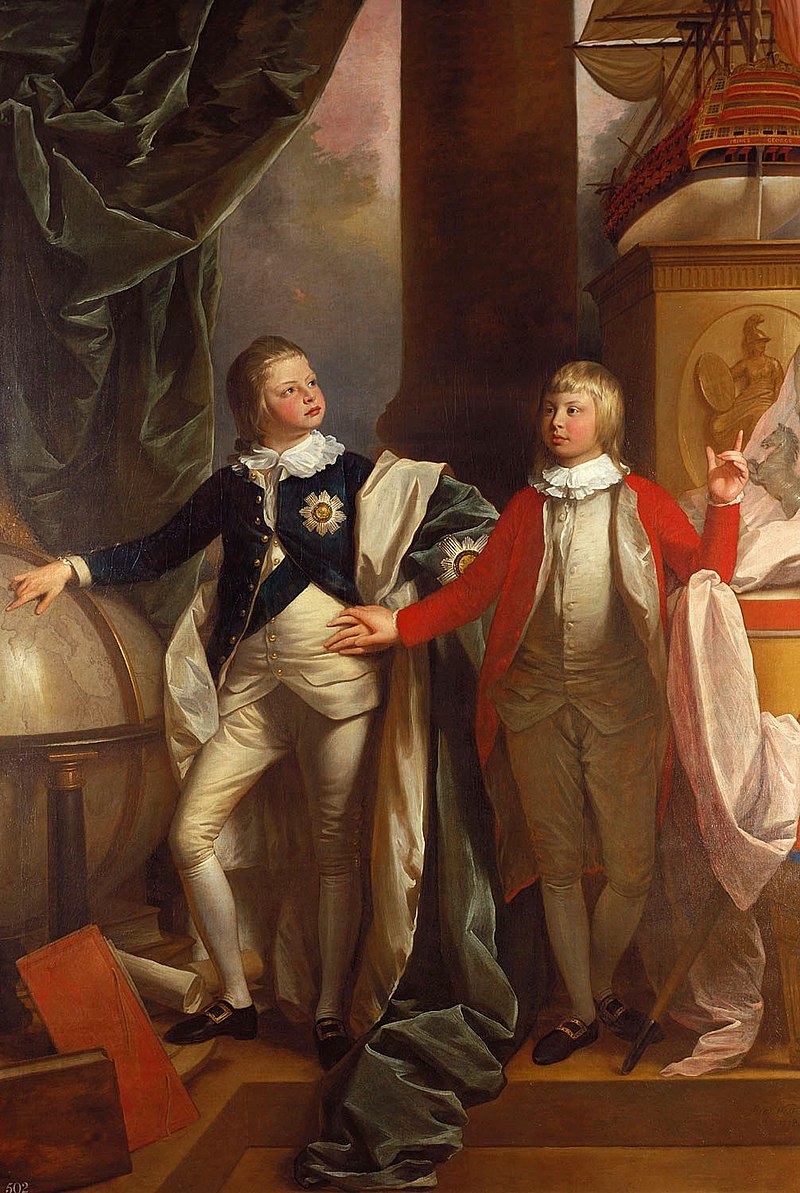
The violence and in-feuding of royal brothers in the Middle Ages hardly ceased as the histories of England and Scotland transitioned into the Early Modern period. When we last left the Stewarts in Scotland, Robert III, the old king, had died in 1406; his eldest son and heir, the 1st Duke of Rothesay, was alsoContinue reading “Spare Dukes, Part II, or, What does one do with so many younger brothers?”
Spare Dukes: What to do with a younger brother in 1,000 years of English and Scottish royal history (Part I)
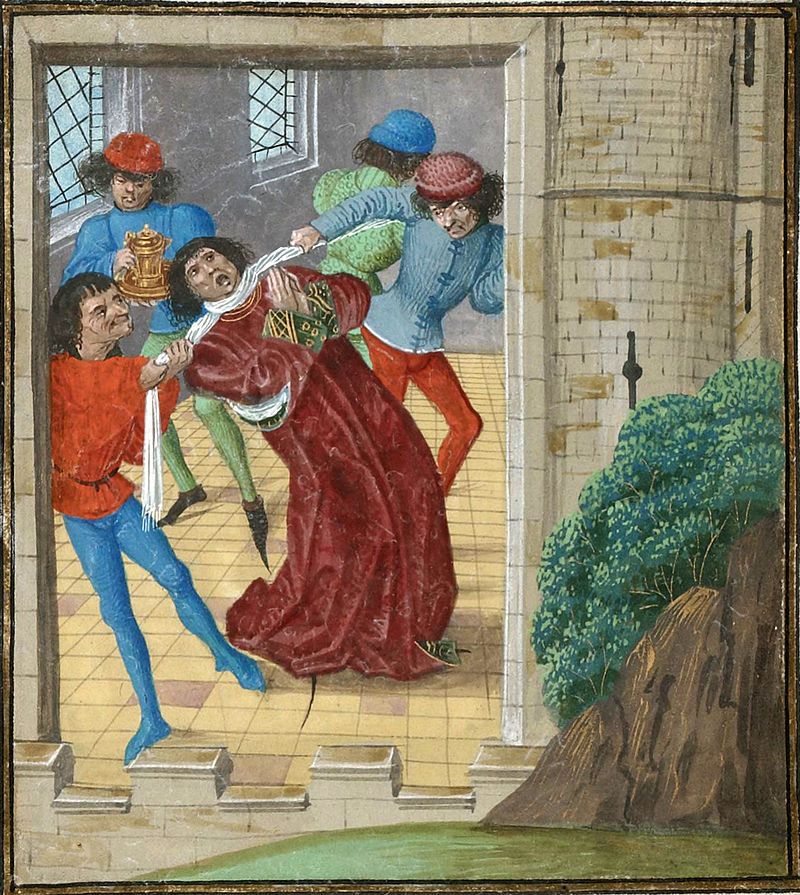
Dad: “Why would he do a ridiculous thing like that?”Wally: “‘Cause he wanted to be like you, Dad.”Dad: “But Wally, when I said 20 miles a day, I was just using a round figure.”Wally: “Yeah, well, you and I know that, Dad, ‘cause we’re grown up, but gee, the Beaver, he’s just a kid.” MillionsContinue reading “Spare Dukes: What to do with a younger brother in 1,000 years of English and Scottish royal history (Part I)”
Dukes of Brunswick I: Wolfenbüttel and the Unwanted Princess
In January 1820, Caroline of Brunswick, Princess of Wales, legally became Queen of the United Kingdom of Great Britain and Ireland, and Queen of Hanover, as consort to the new King: George IV. But the King made it abundantly clear that Caroline was to have no part in his new reign and would not beContinue reading “Dukes of Brunswick I: Wolfenbüttel and the Unwanted Princess”
House of the Dragon: The Basarab Princes of Wallachia and the Legend of Count Dracula
One of the most persistent and popular legends in the history of eastern Europe, and in the steep Carpathian Mountains of Transylvania, is the story of an undead prince, a vampire, the ultimate blood-sucker, Count Dracula. His purported residence, Bran Castle, is the top tourist destination of Romania, with hundreds of thousands of visitors perContinue reading “House of the Dragon: The Basarab Princes of Wallachia and the Legend of Count Dracula“
Lost Princes of France: The Courtenays, from Latin Emperors to Earls of Devon
This is the story of a family that rose to great heights as princes and emperors in the eastern Mediterranean, then slowly declined over several centuries in rural France, before attempting to restore their former position in the line of succession to the French throne in the 17th century. An offshoot branch had established itselfContinue reading “Lost Princes of France: The Courtenays, from Latin Emperors to Earls of Devon”

